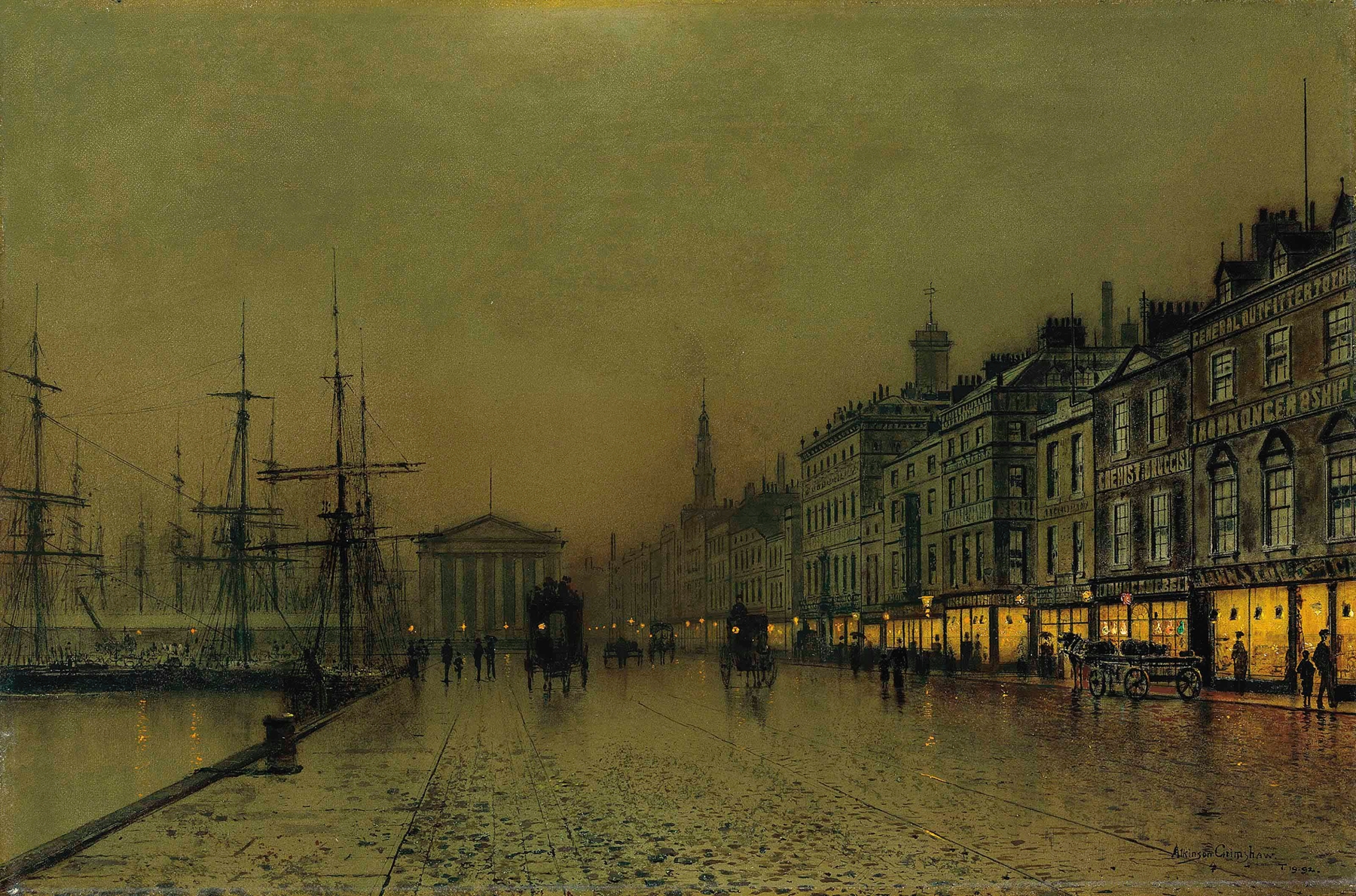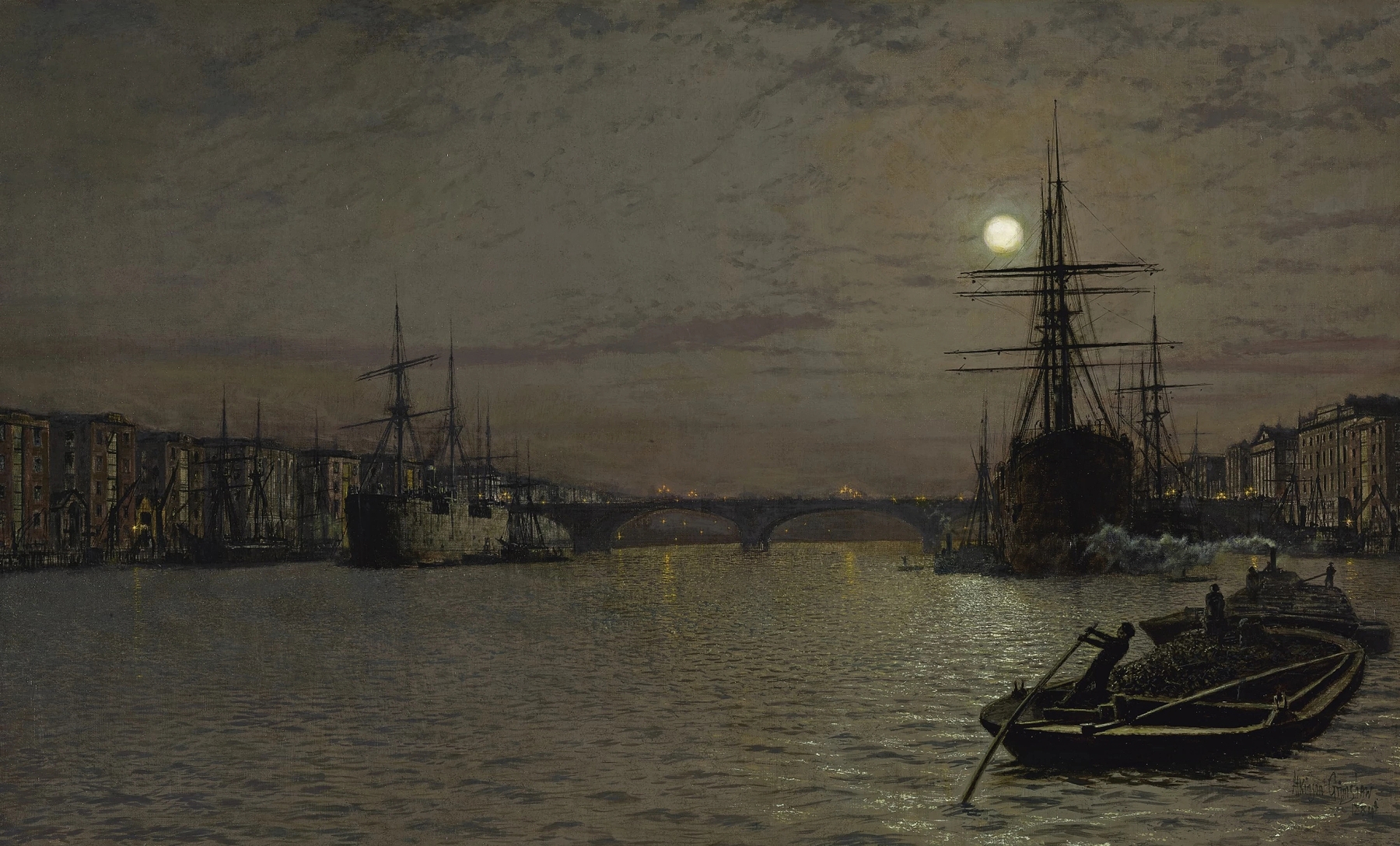
Roundhay Park Lake — History & Analysis
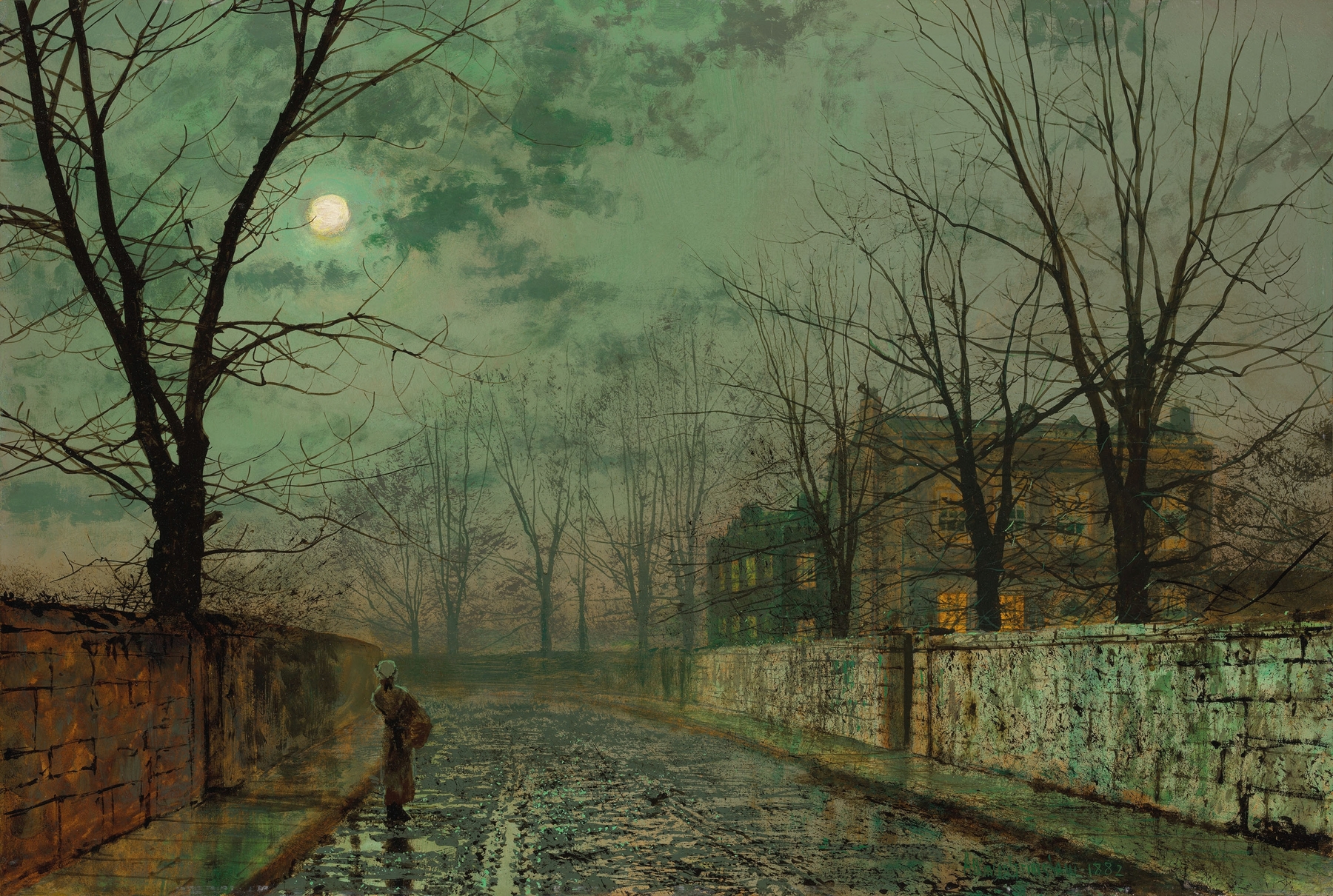
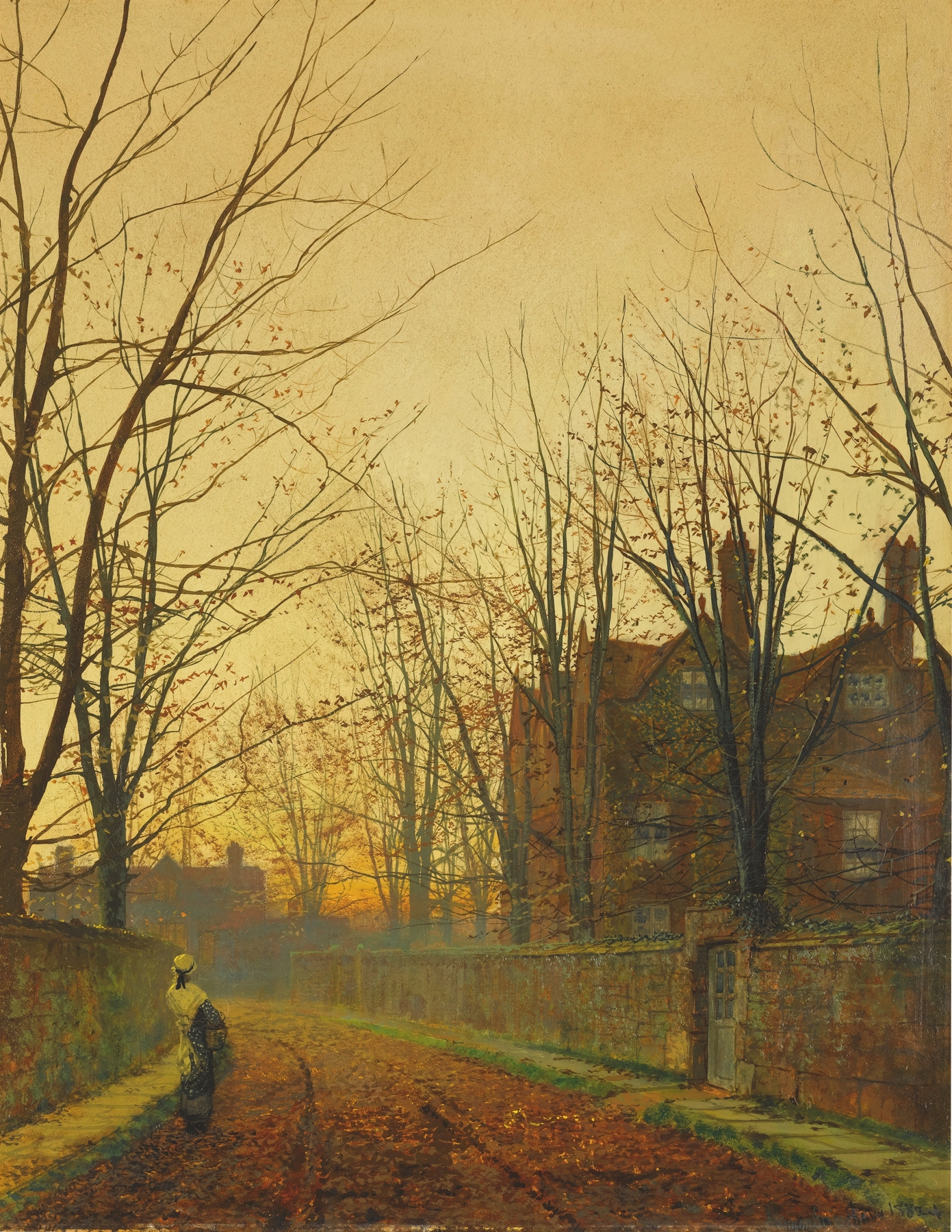
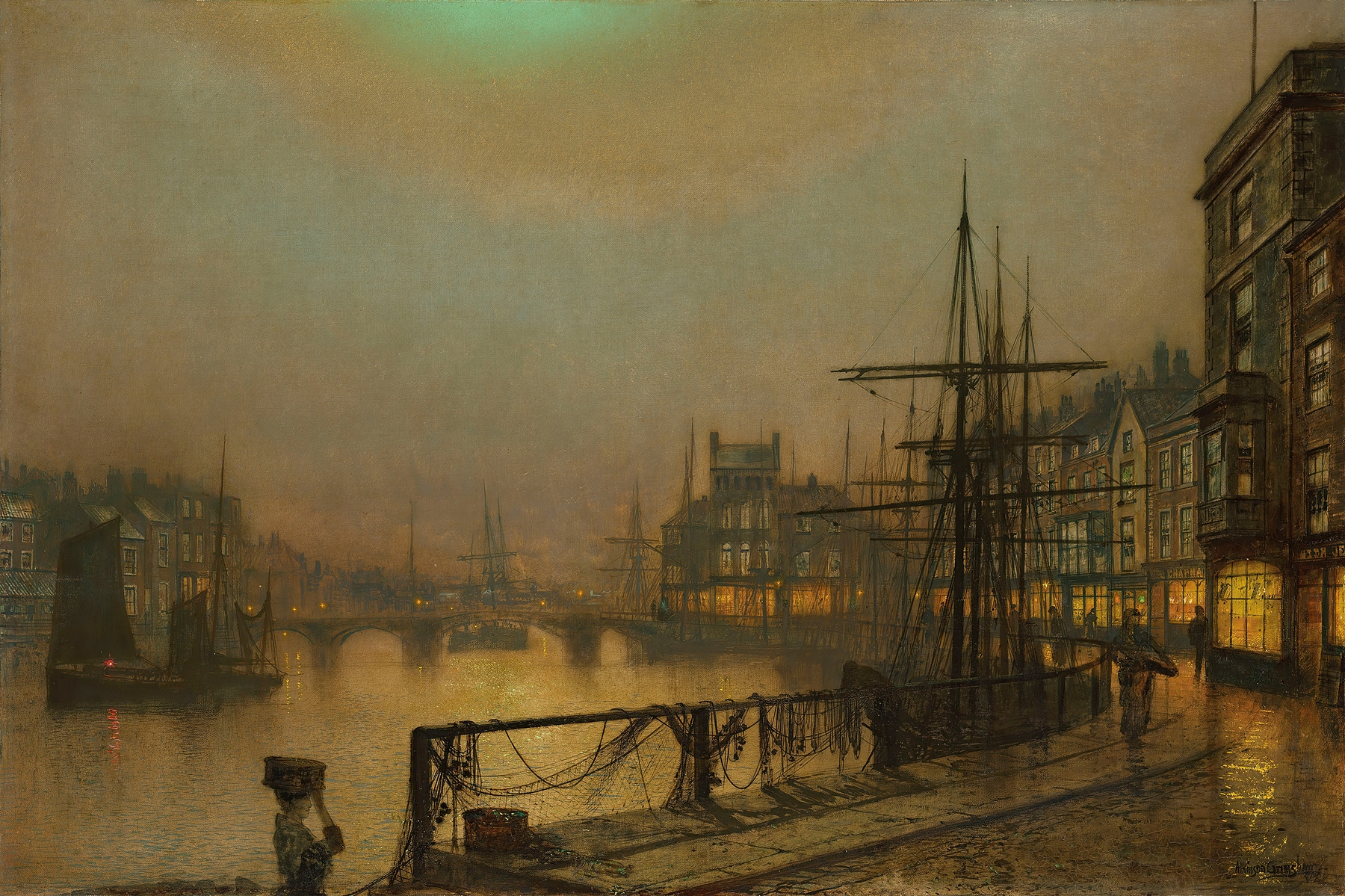
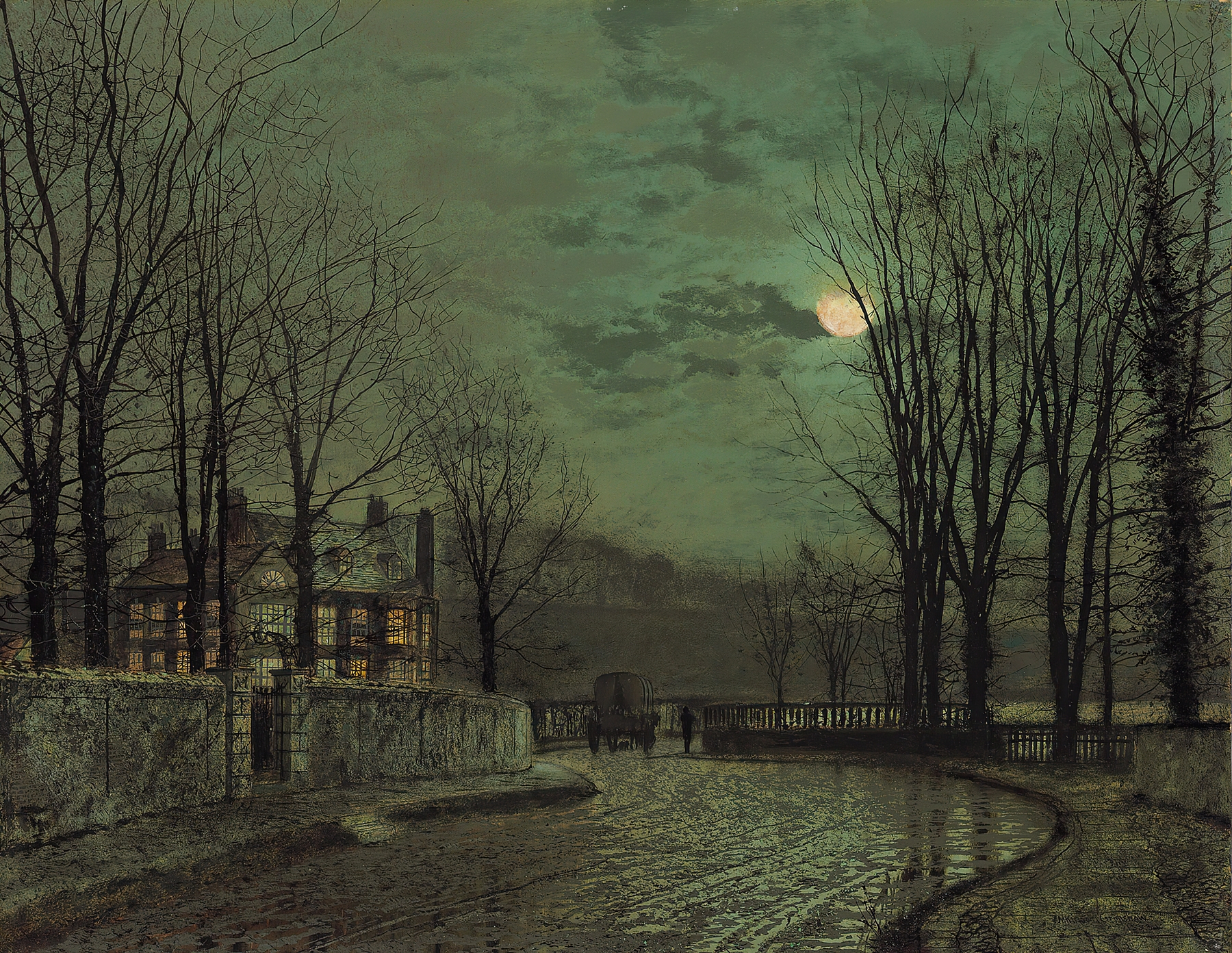
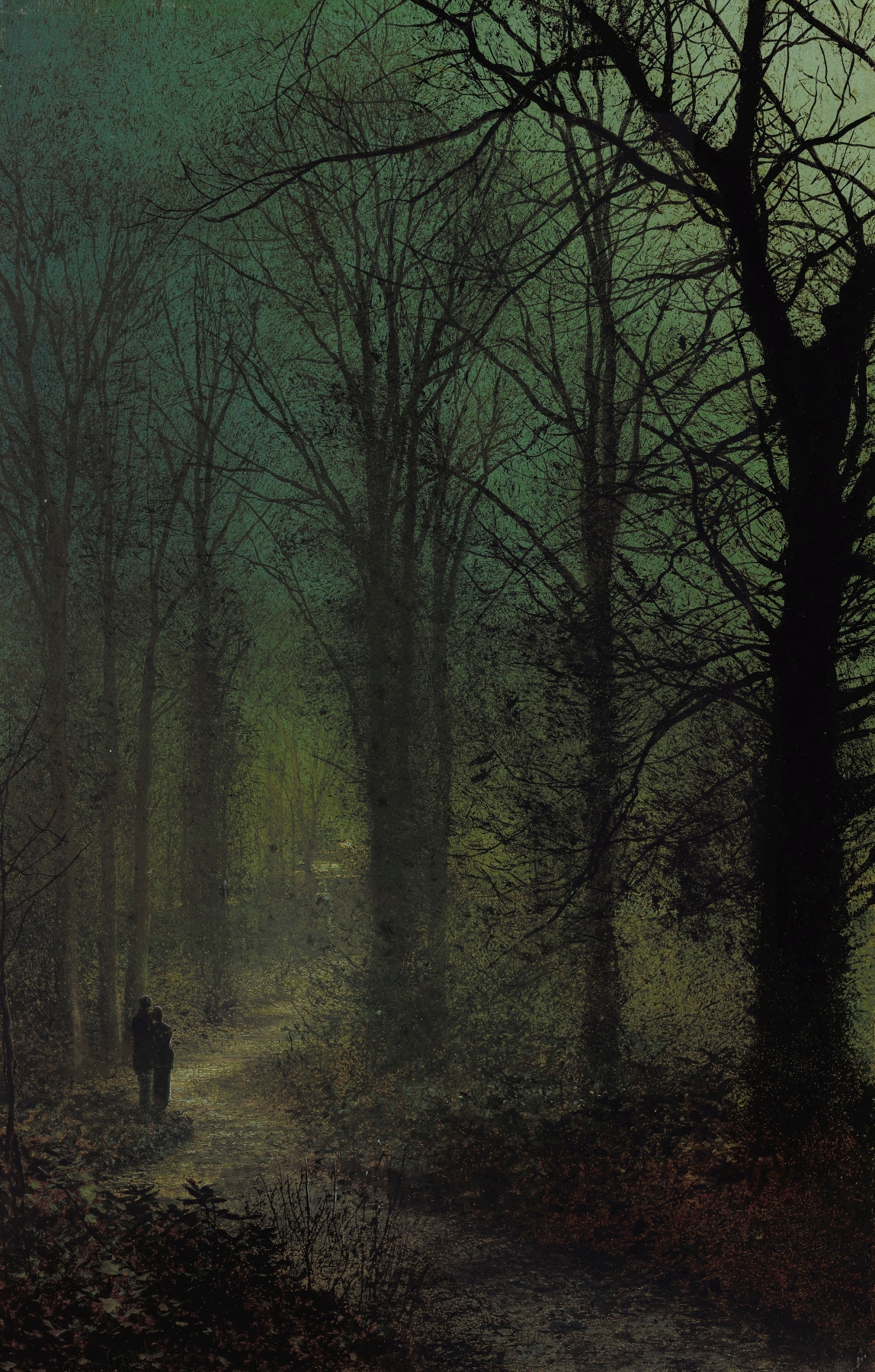
“Every brushstroke is a heartbeat remembered.” In Roundhay Park Lake, the essence of faith lies not just in the visible, but in the whispers of the unseen, echoing through the still waters. Look to the left where the tree-line subtly frames the composition, drawing the eye toward the placid lake that acts as a mirror to the sky. Notice how the muted palette of greens and browns juxtaposes with the soft blues and silvers of twilight. Grimshaw’s meticulous technique reveals a world suspended in time, each stroke layered with intention, inviting contemplation.
The interplay of light and shadow dances gracefully across the surface, hinting at the tranquility just before dusk. Deeper meanings unfold in the delicate reflections rippling across the water, suggesting the passage of time and the transient nature of beauty. The subtle presence of figures in the distance, almost ghostly, hints at the connection between humanity and nature—an intimate faith that persists even in solitude. The gentle curves of the landscape evoke a sense of comfort, as if the scene is a prayer whispered to the heavens.
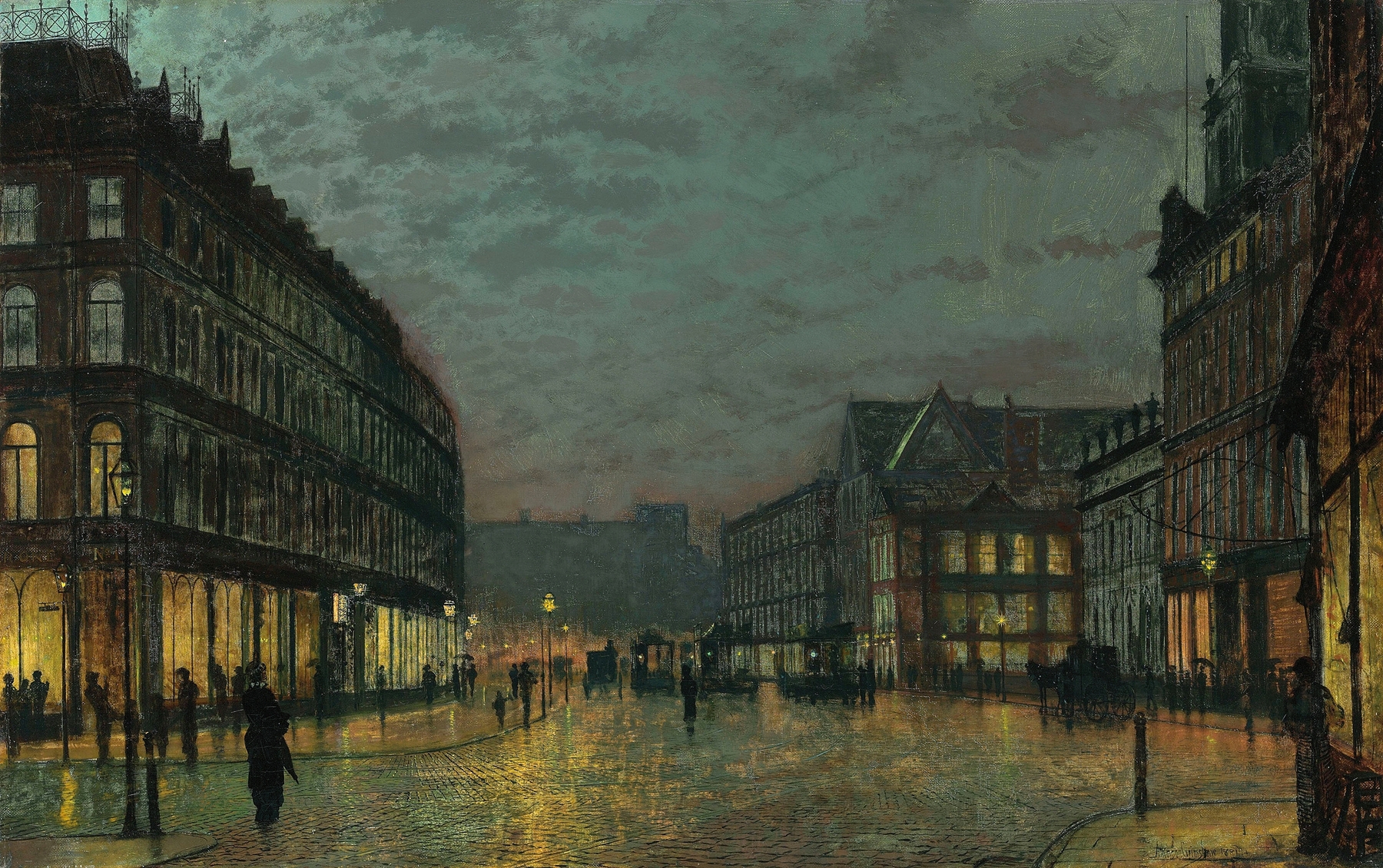
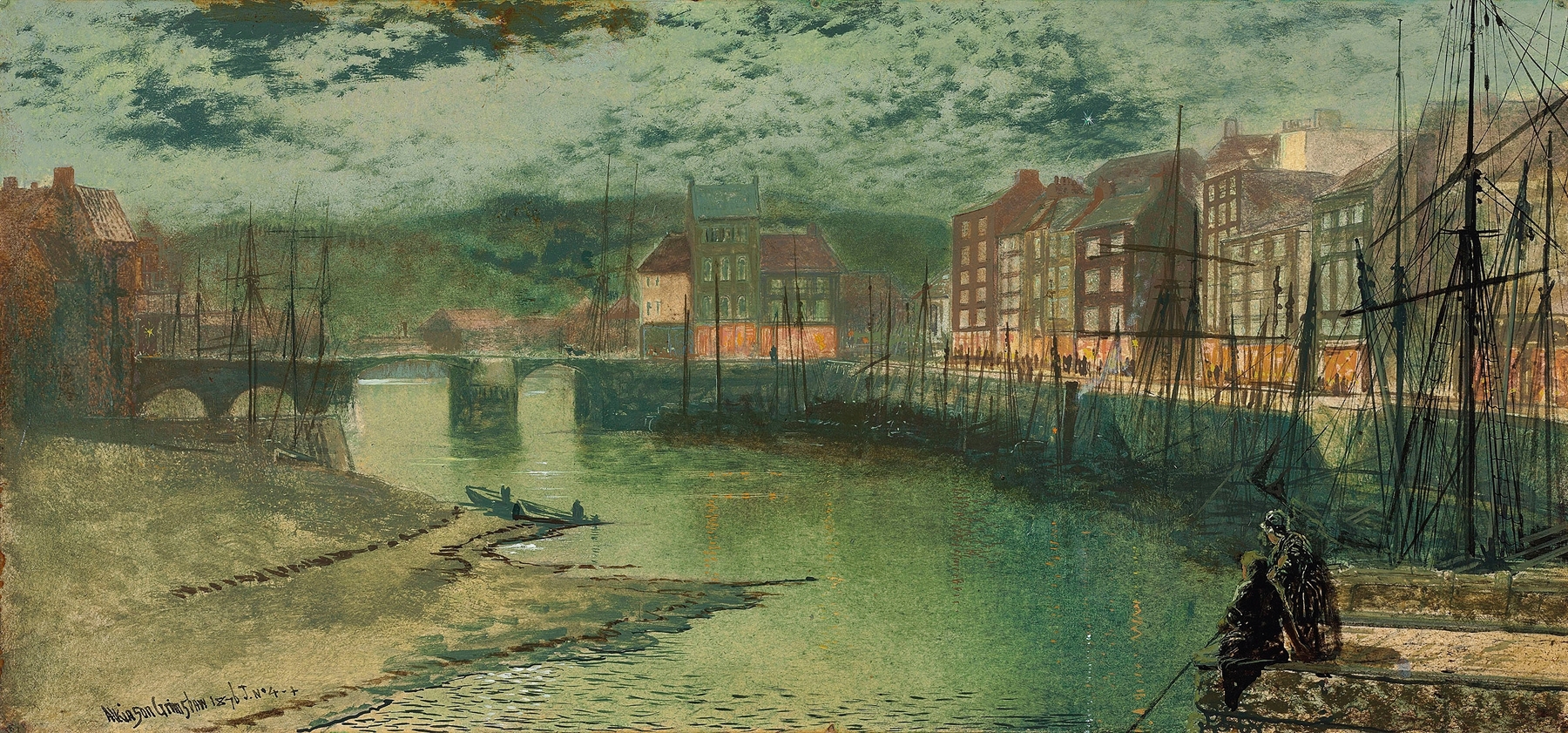
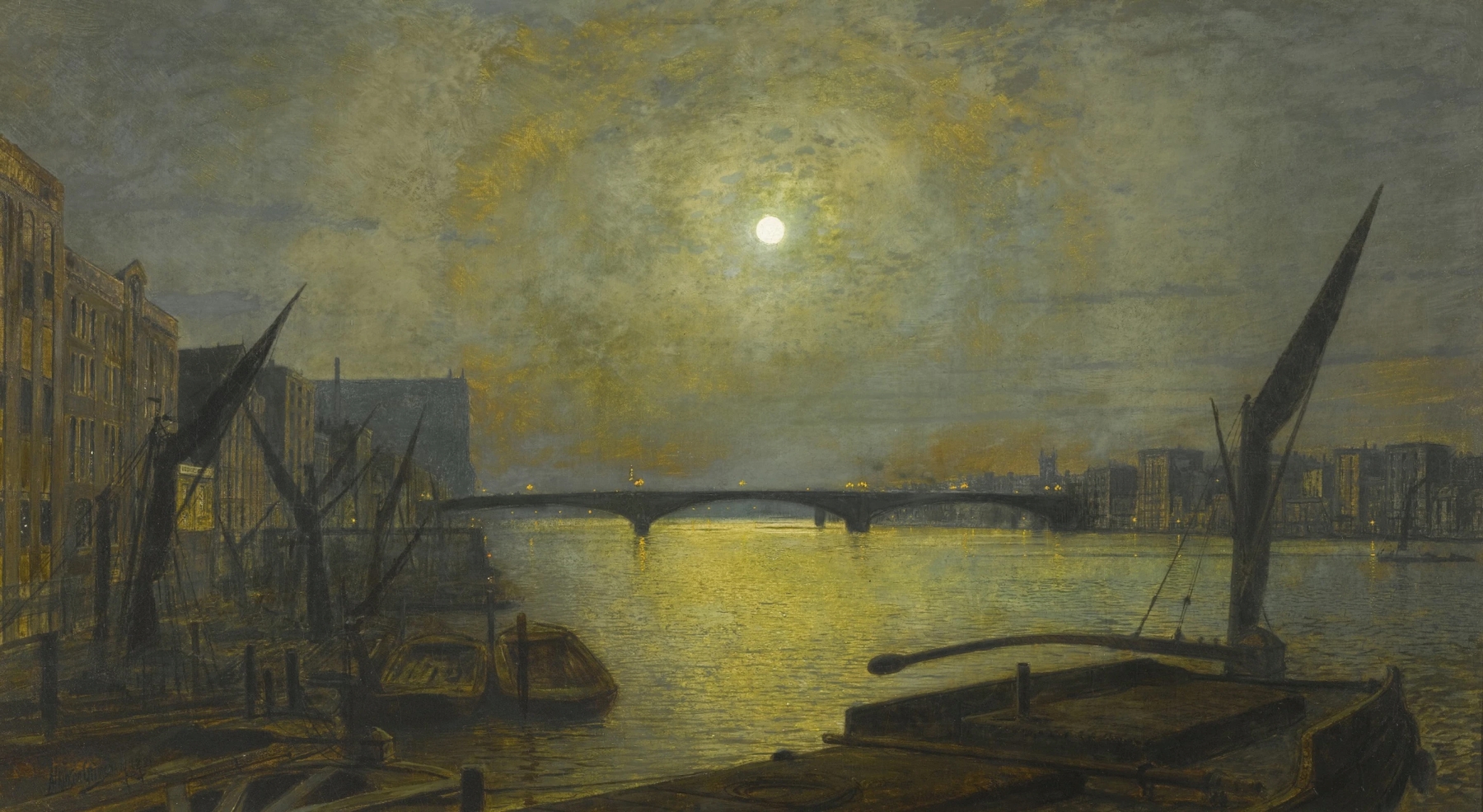
During the late 19th century, while residing in England, Grimshaw found inspiration in urban and rural scenes alike, capturing the intersections of light and mood. His art was met with acclaim, a testament to an era that sought solace in nature amidst rapid industrialization. This piece, painted quietly yet with profound insight, encapsulates a moment of introspection in a time when art began to grapple with the complexities of modern existence.