Rowlandson’s Sketches from Nature; West Loo, Cornwall — History & Analysis
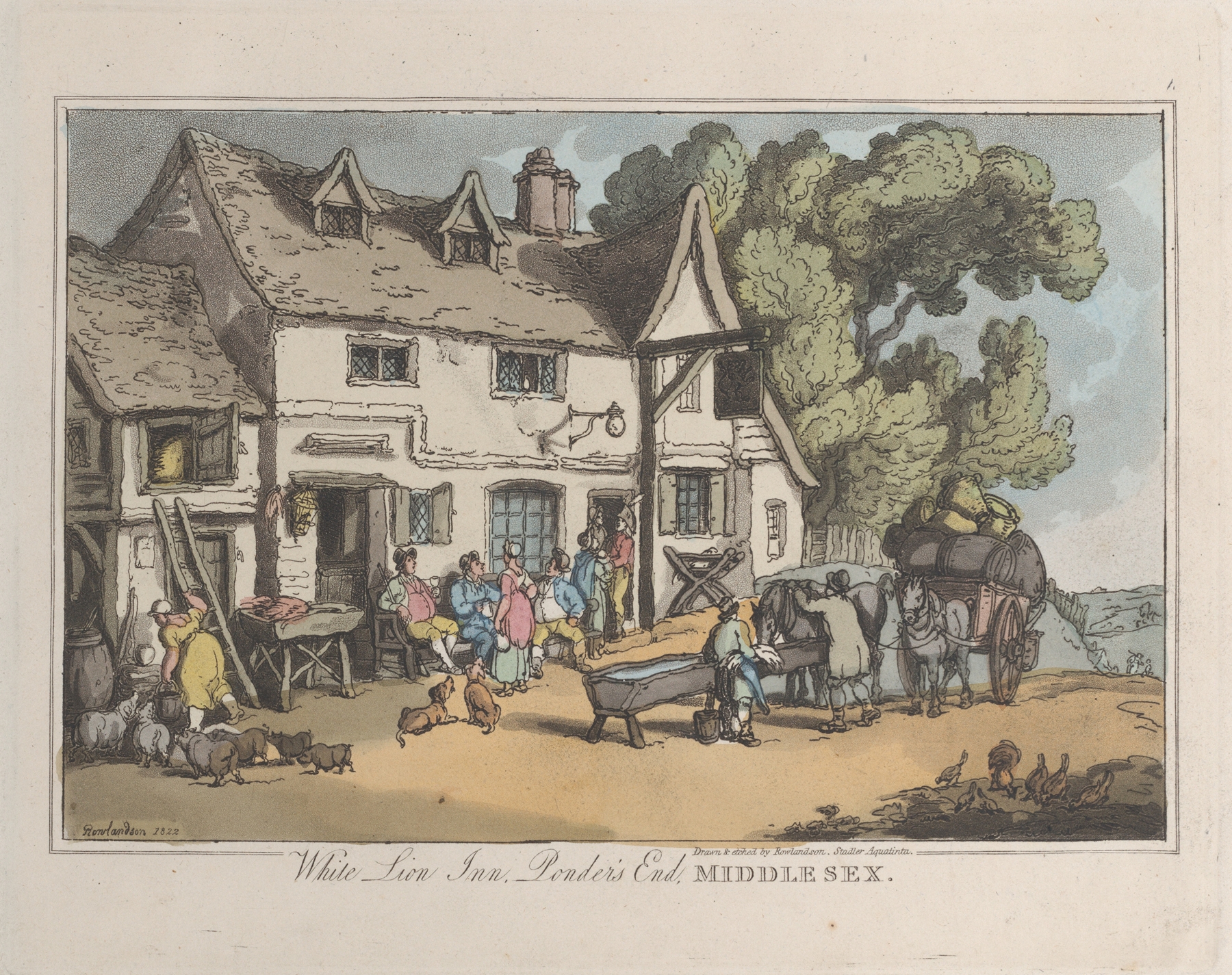
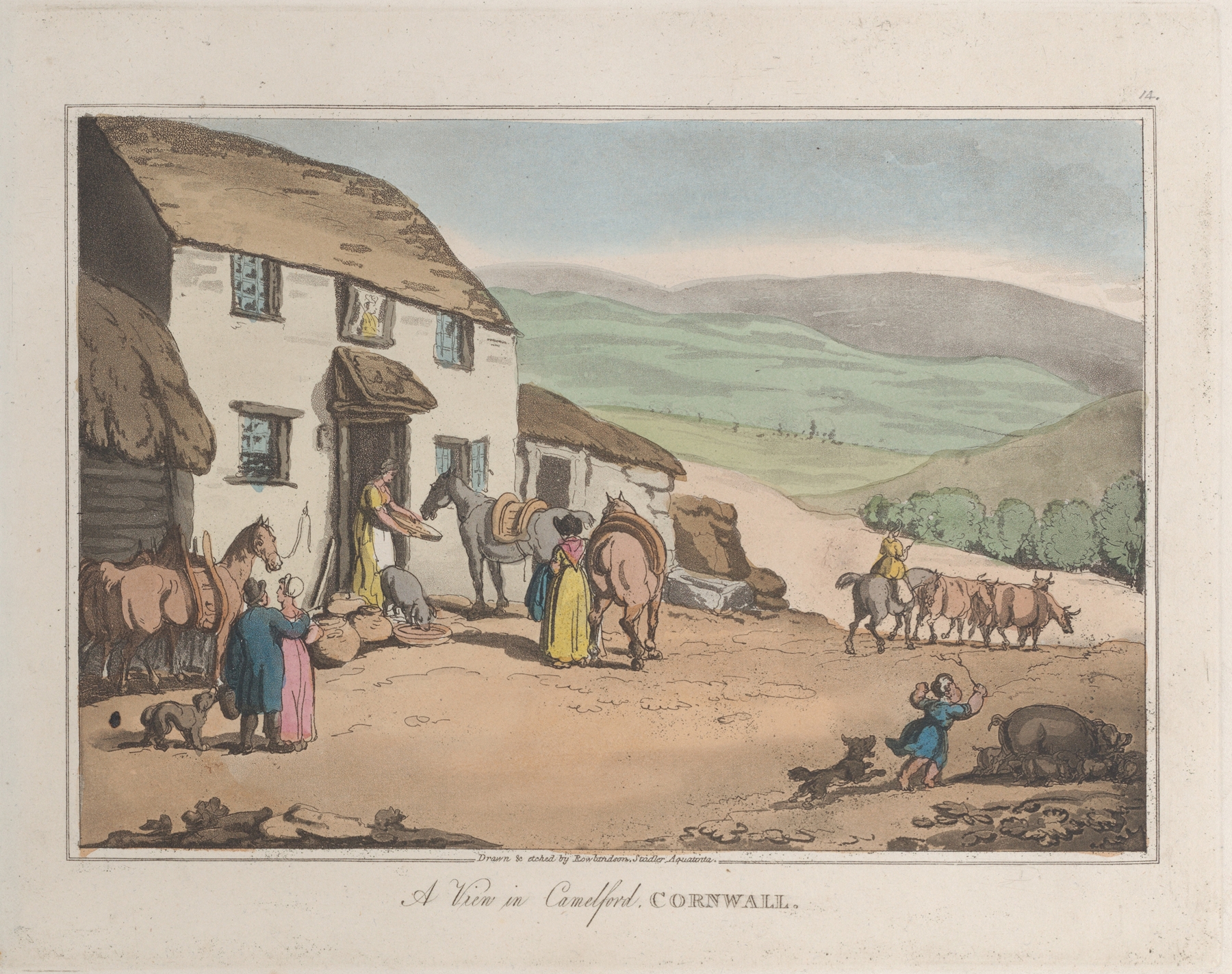
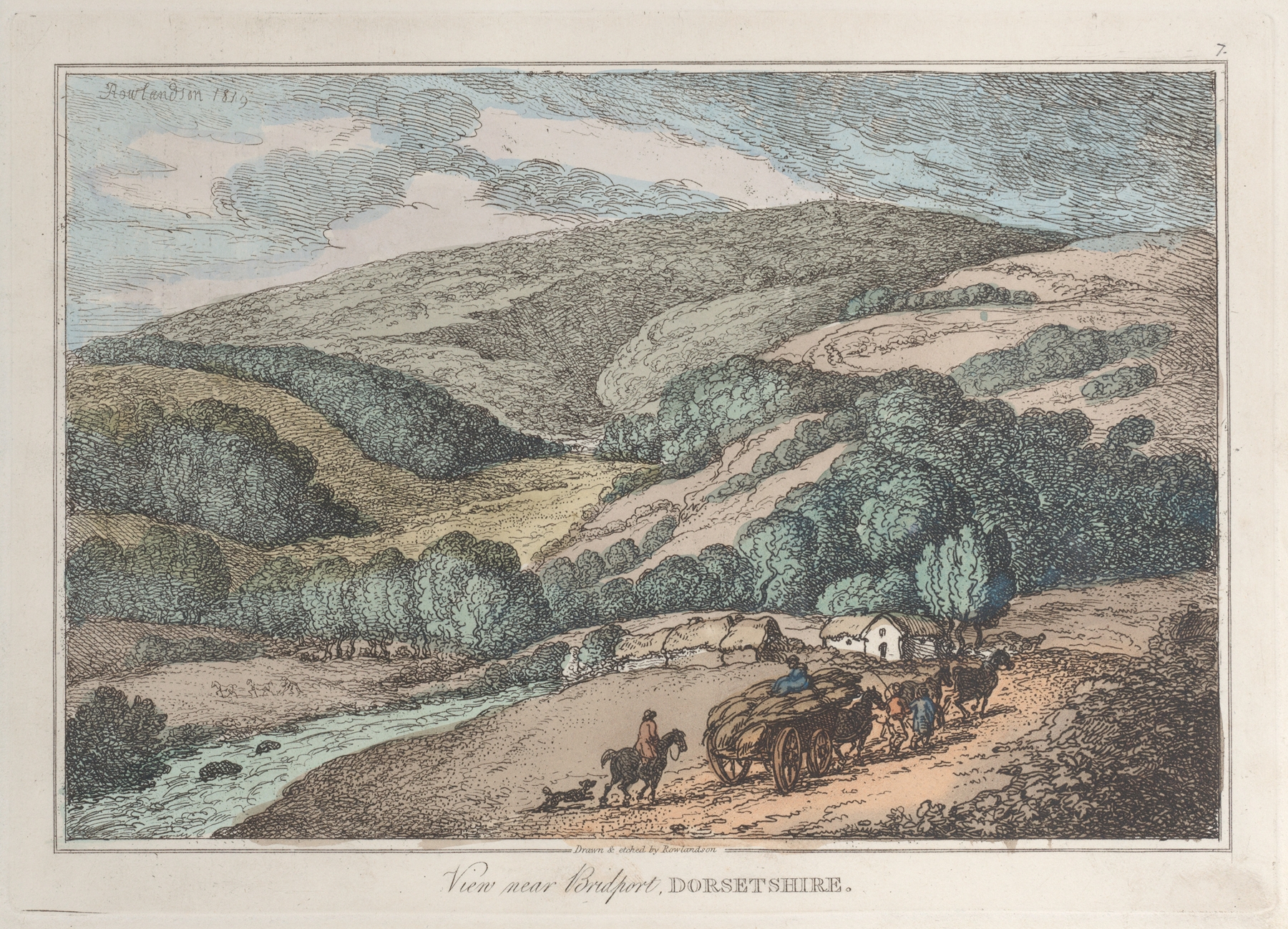
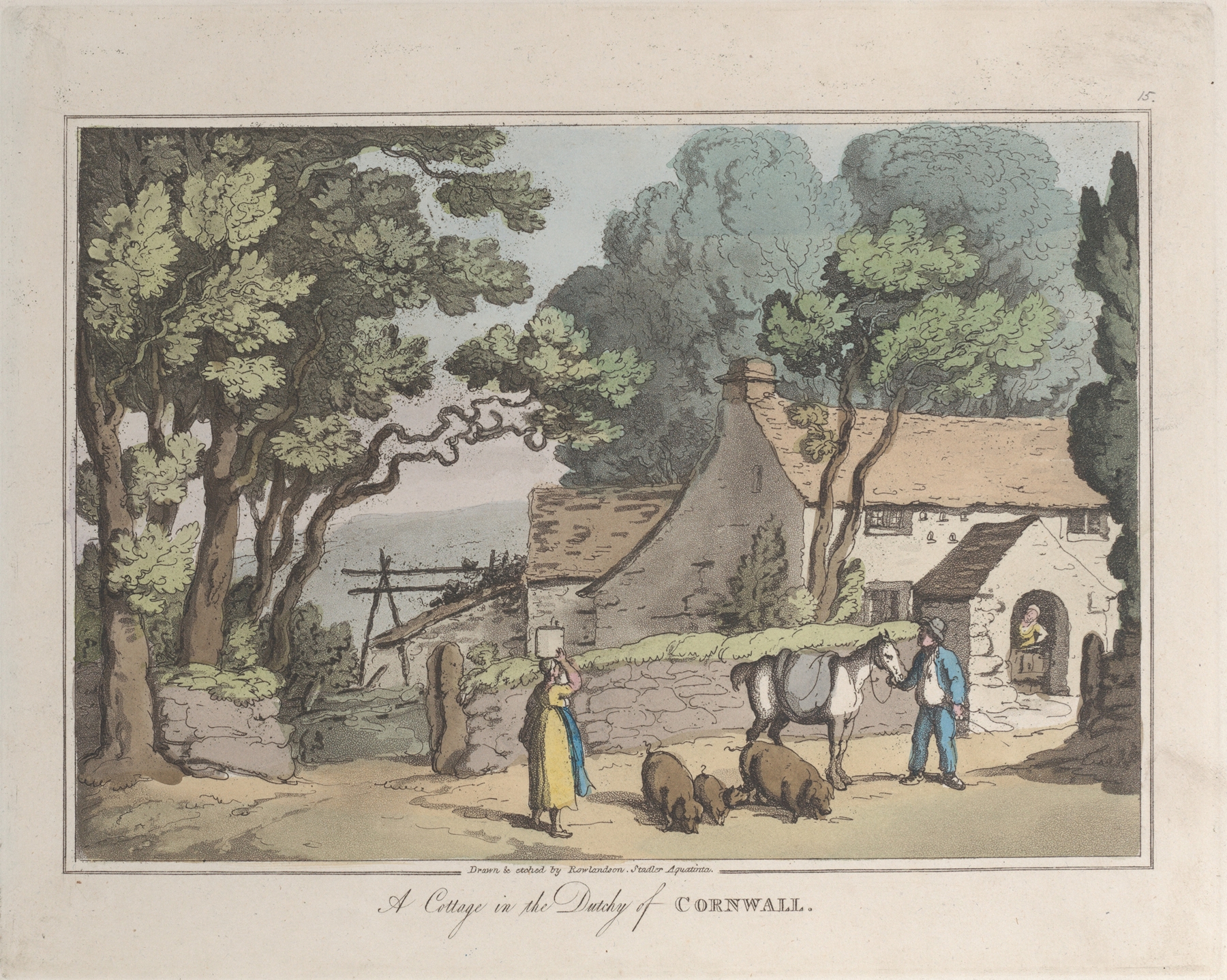
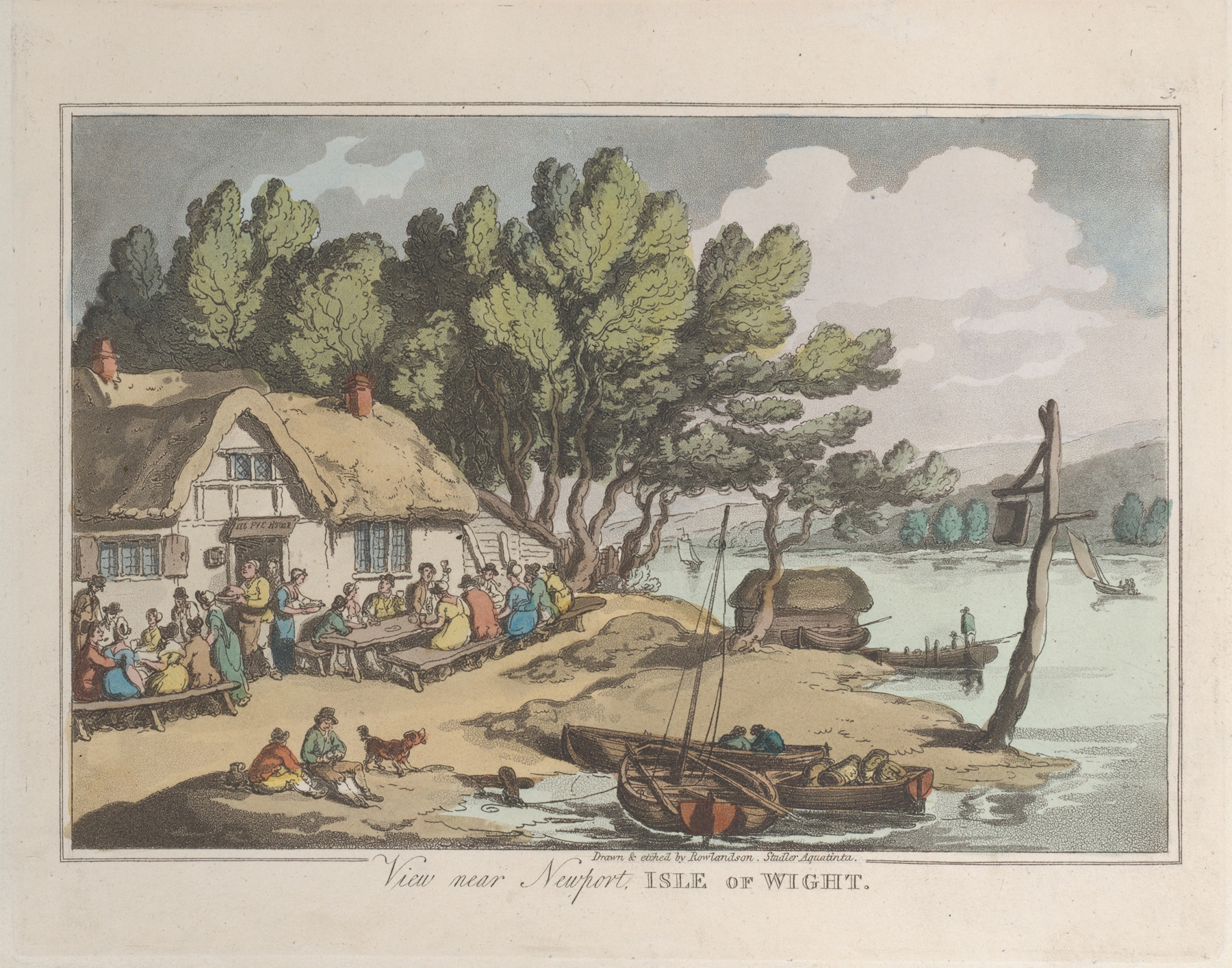
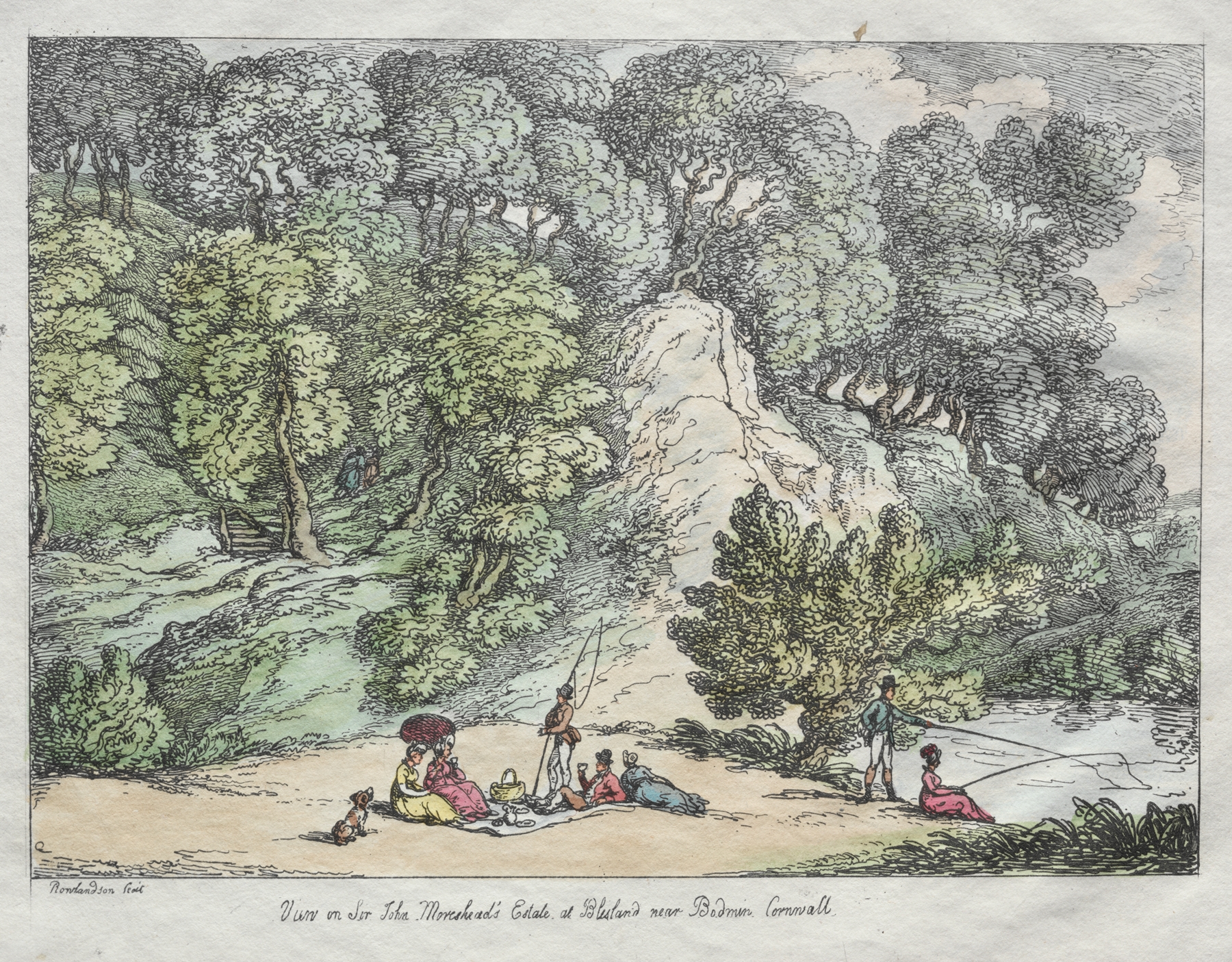
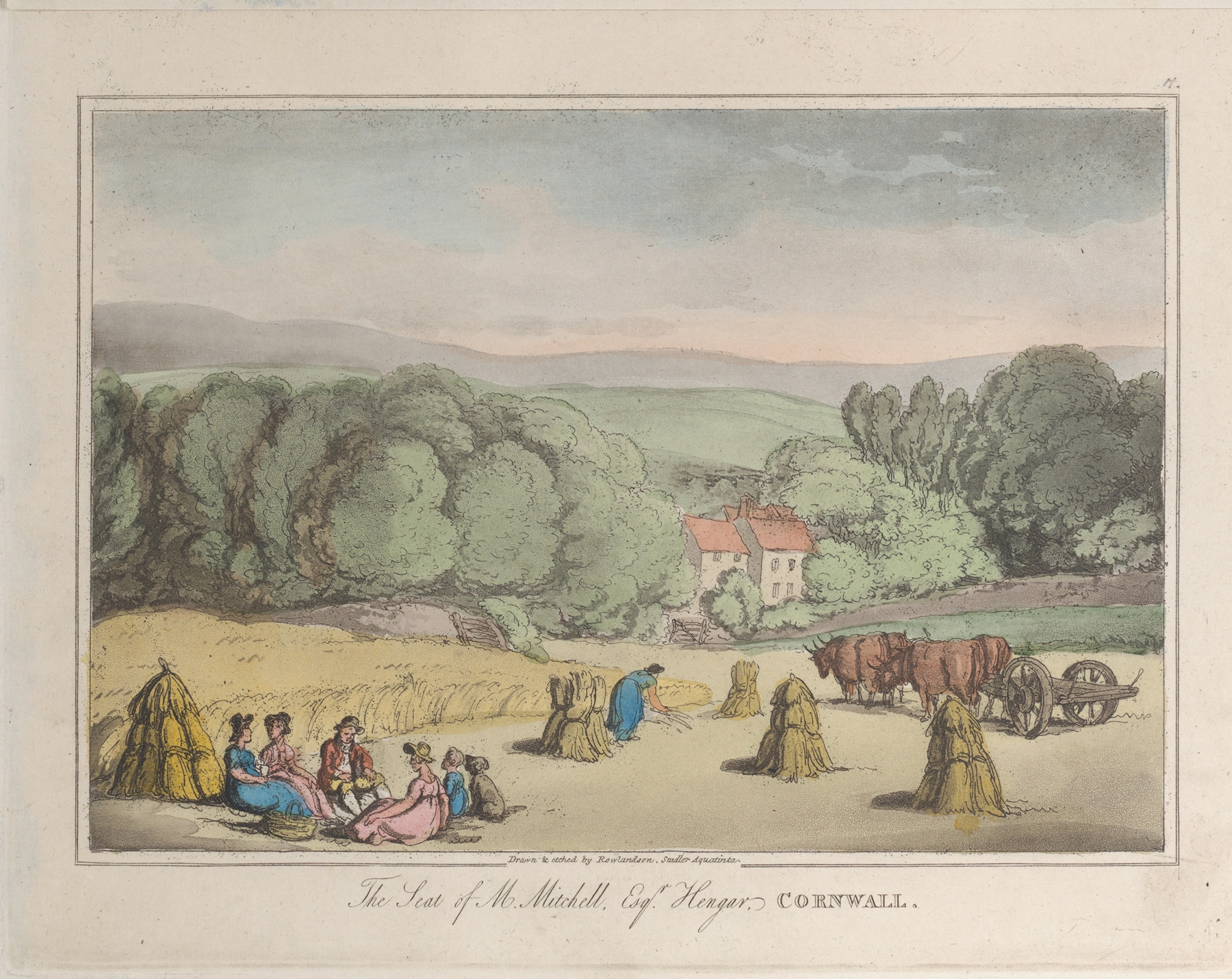
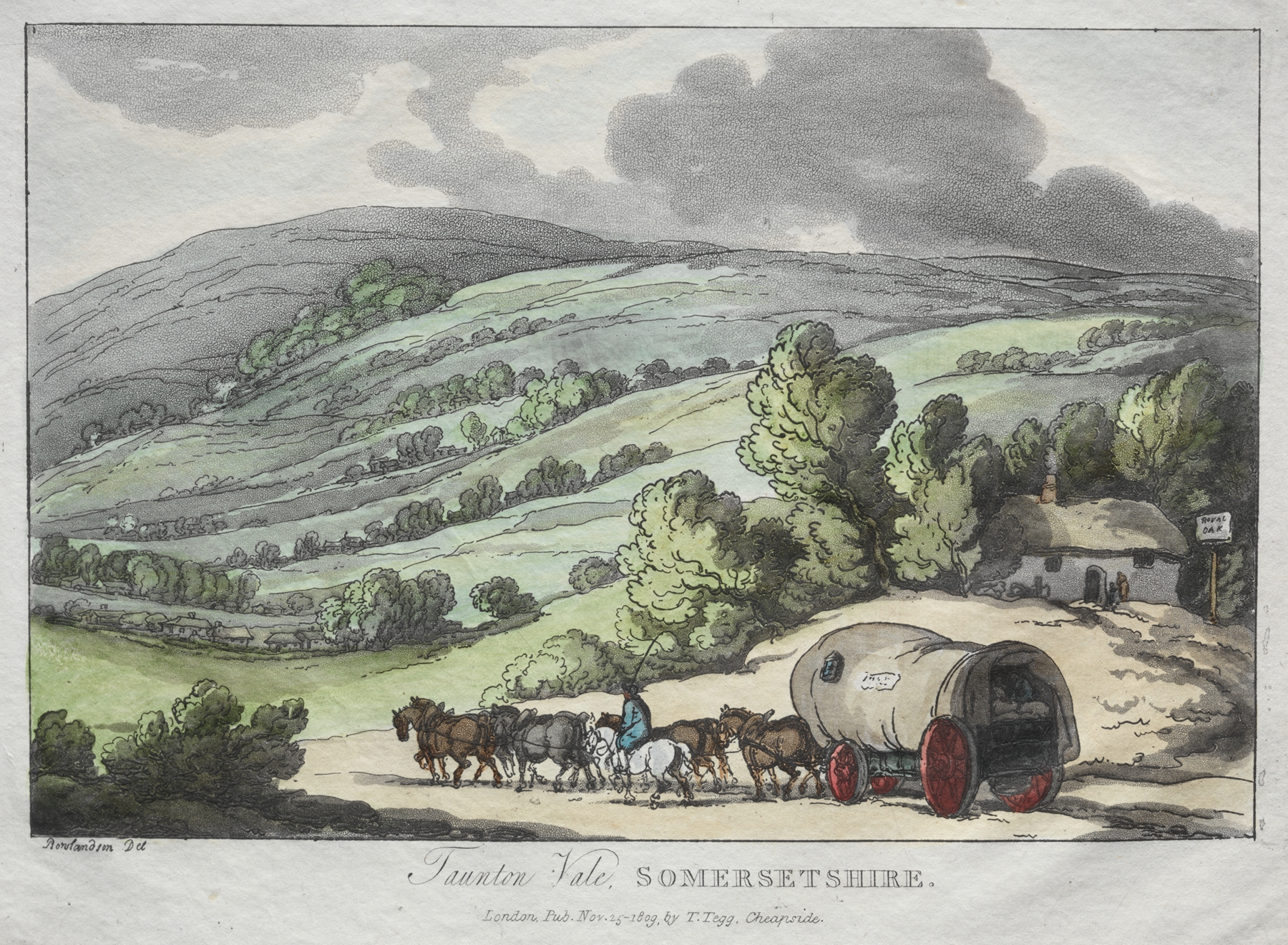
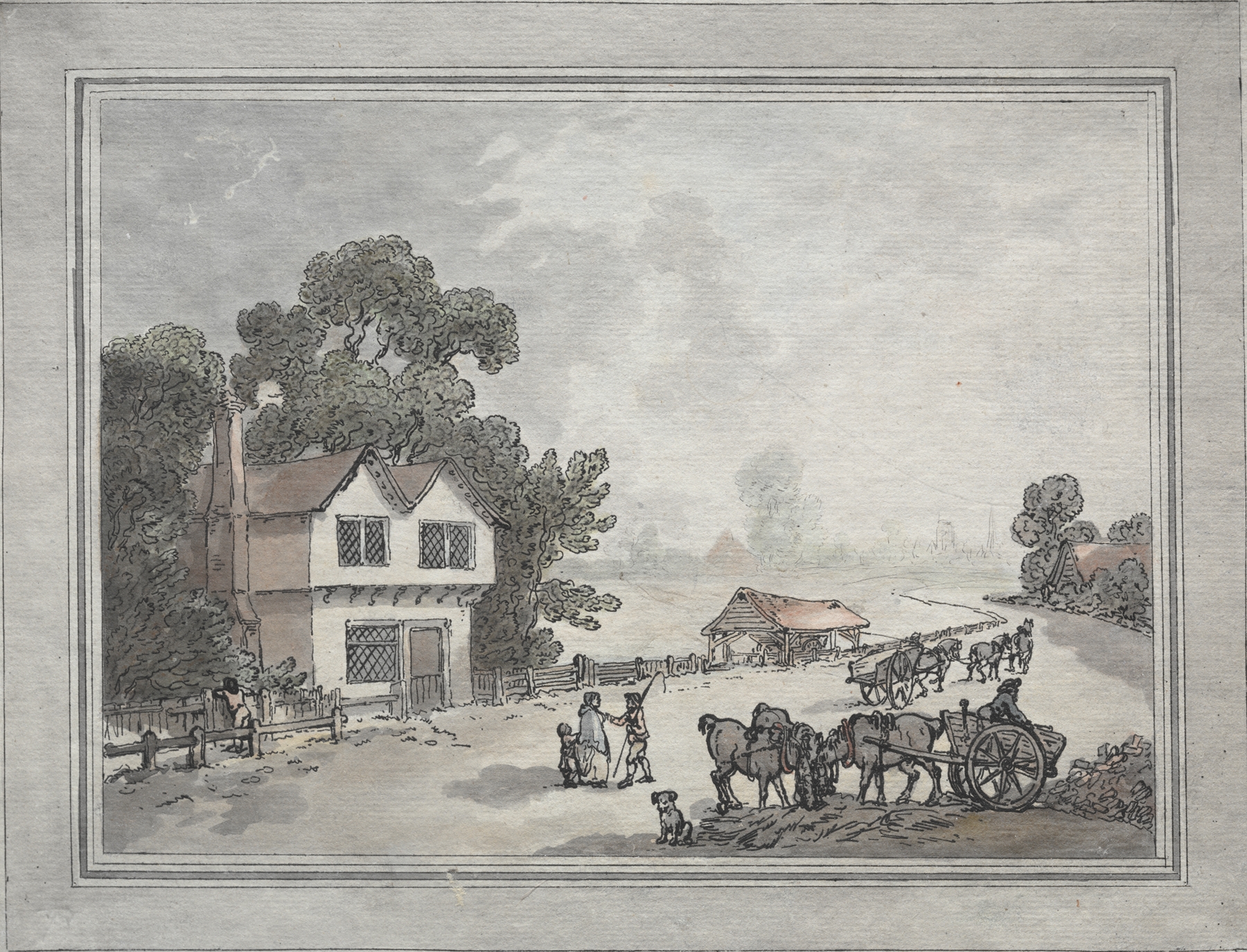
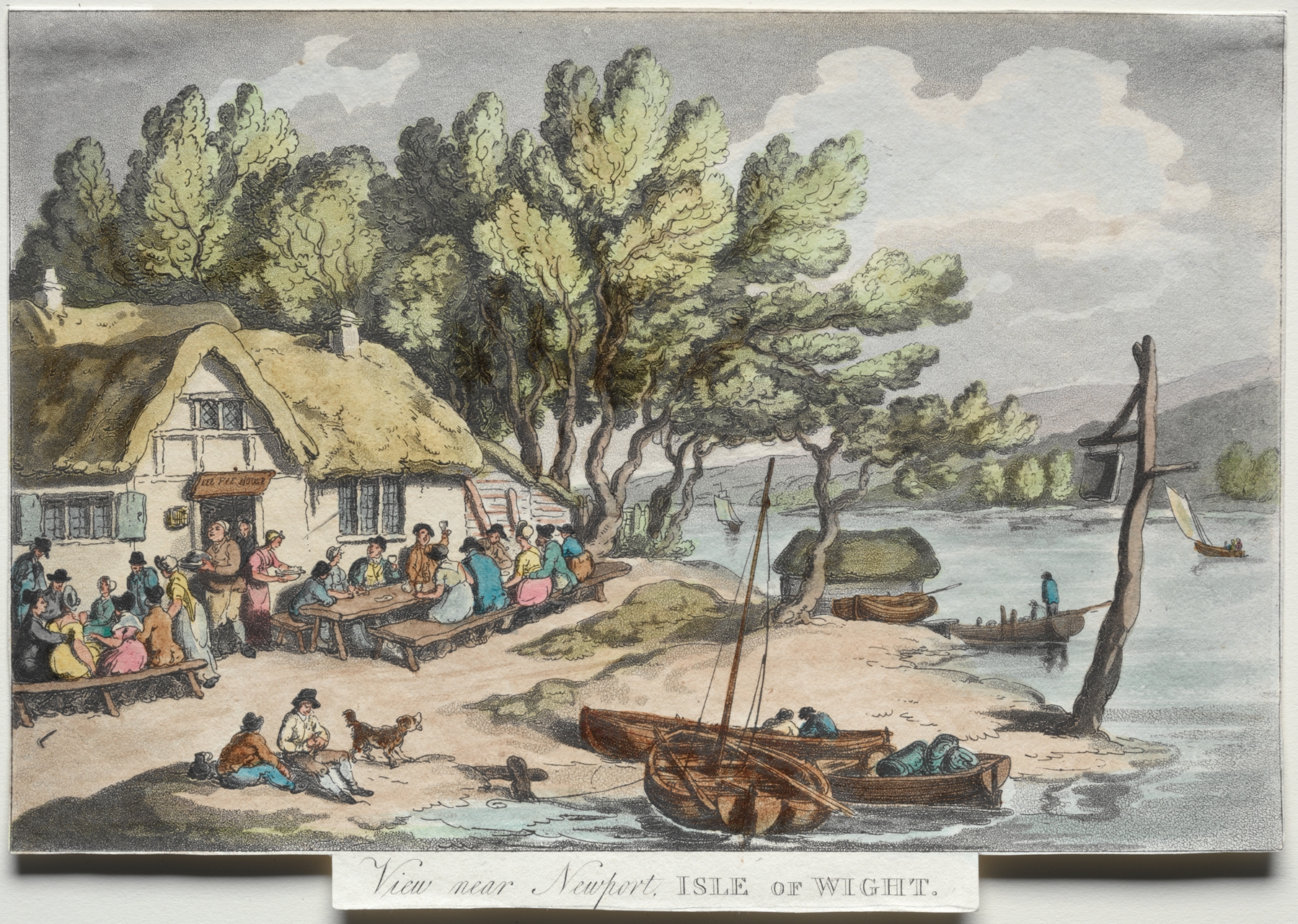
“Art reveals the soul when the world turns away.” In the quiet corners of nature, longing finds its voice through art, beckoning us to pause and reflect. Look closely at the intricate details nestled within the landscape. The gentle sweep of the hills draws your gaze to the understated cottages huddled together like old friends, each brushstroke whispering stories of their inhabitants. Notice how Rowlandson uses soft earth tones, the muted greens and browns mingling harmoniously, creating a serene yet evocative atmosphere that tugs at the heartstrings.
The sky, a delicate wash of blue, hints at an impending twilight — a moment suspended between day and night. In this scene, the contrast between the tranquility of nature and the faint human presence echoes a profound yearning for connection. The cottages, though seemingly idyllic, stand as reminders of isolation, inviting viewers to ponder the lives within and the stories left untold. The hazy horizon serves as a metaphor for the dreams that linger just out of reach, emphasizing that even the most picturesque landscapes can hide depths of emotion and longing.
In 1822, Rowlandson painted this artwork during a time when the Romantic movement was flourishing, emphasizing emotion and individual experience. He created this piece in Cornwall, a place that captivated artists and writers alike with its rugged beauty and charm. At this juncture in his career, Rowlandson was exploring the interplay of nature and human existence, reflecting a broader societal pursuit for deeper meaning amid the changing world around him.