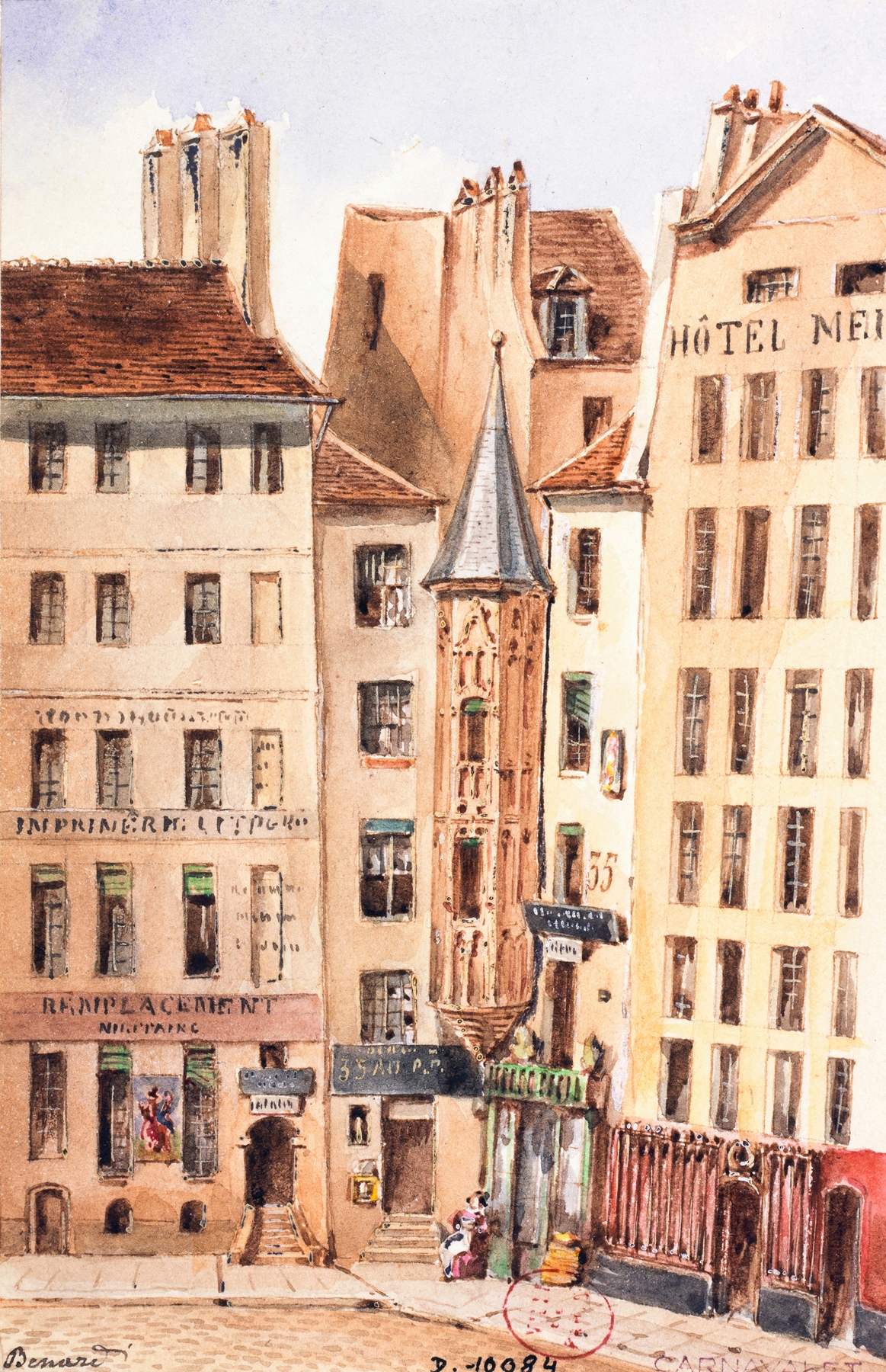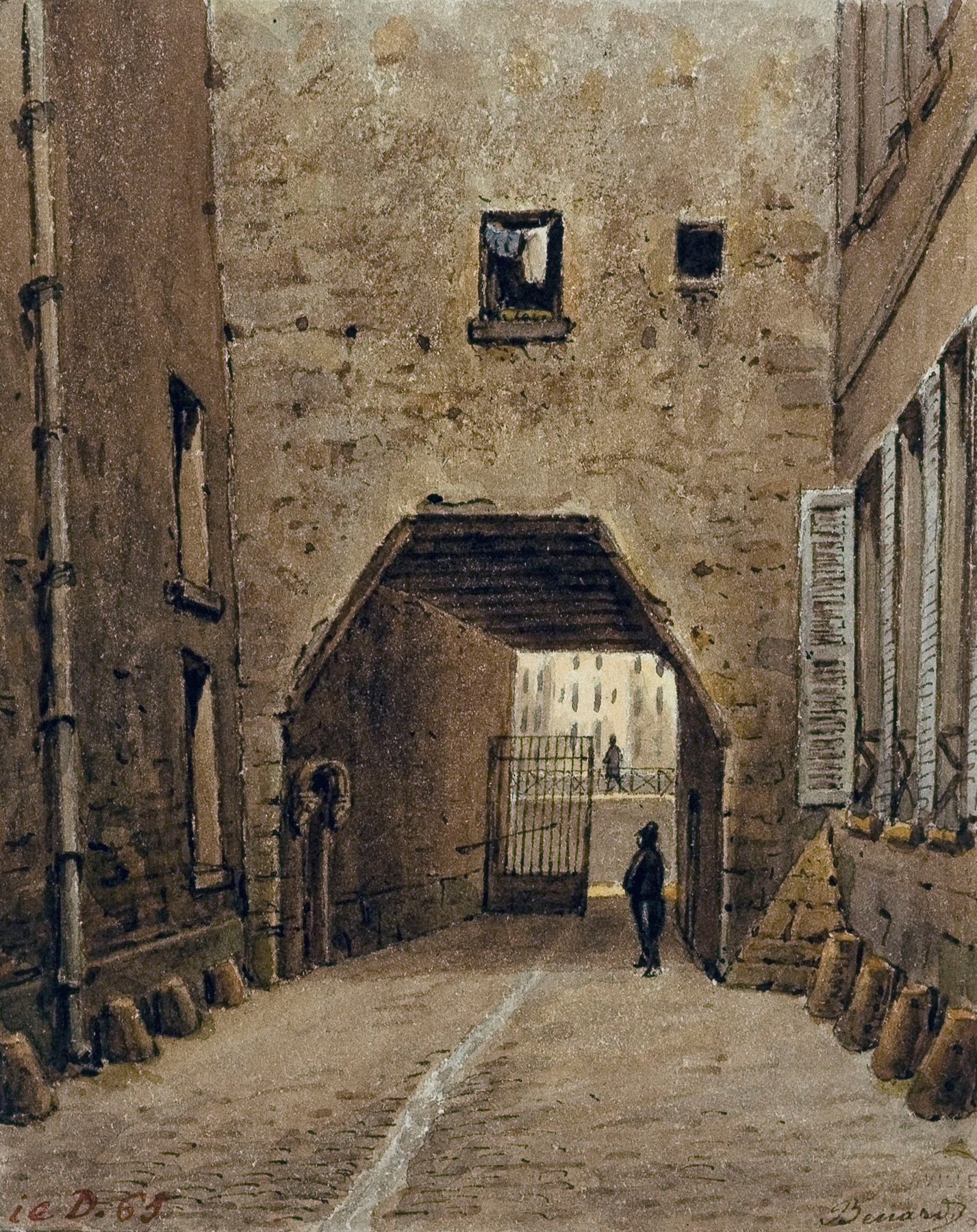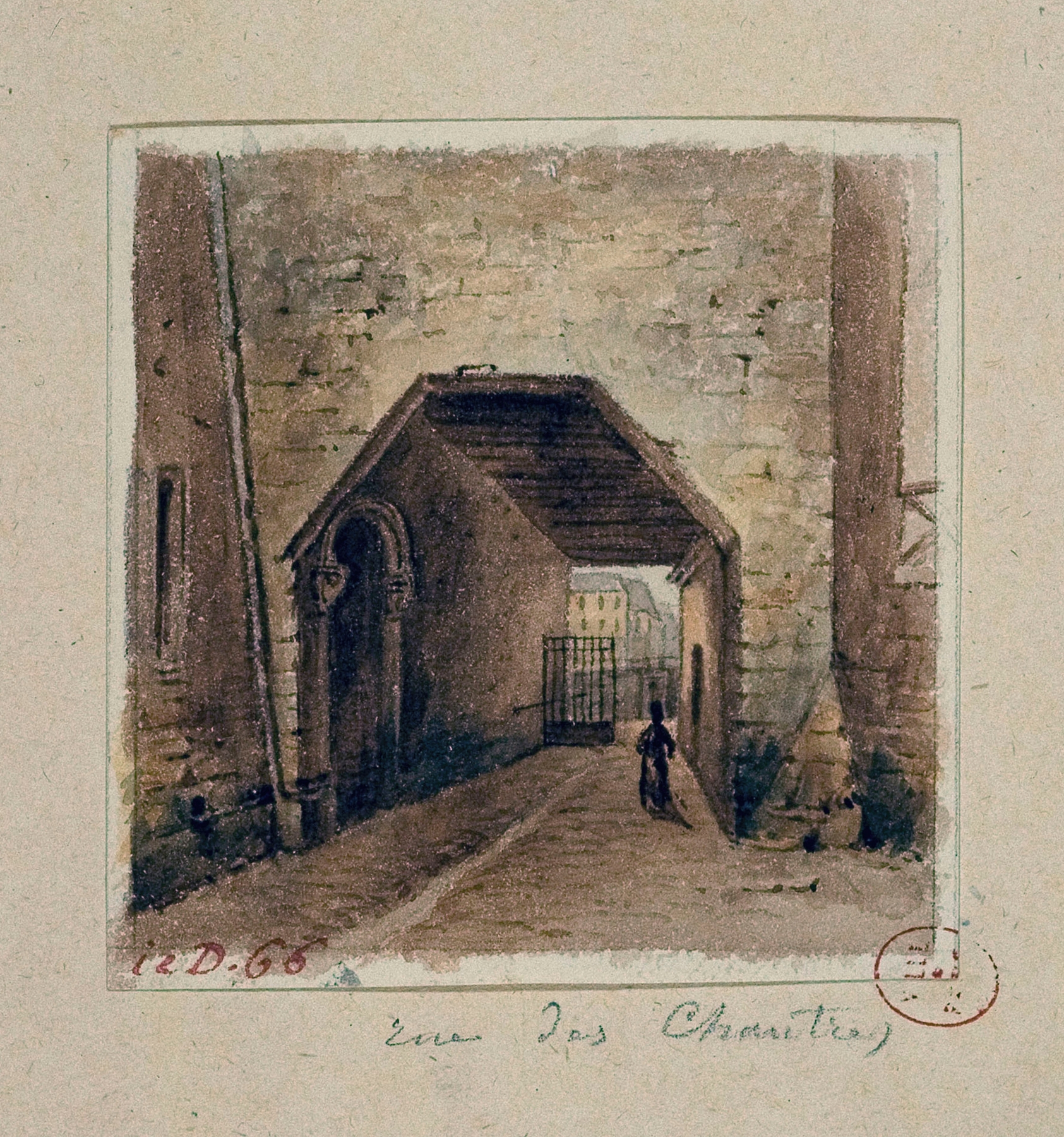
Rue des chantres (entre le quai aux fleurs et la rue Chanoinesse). — History & Analysis
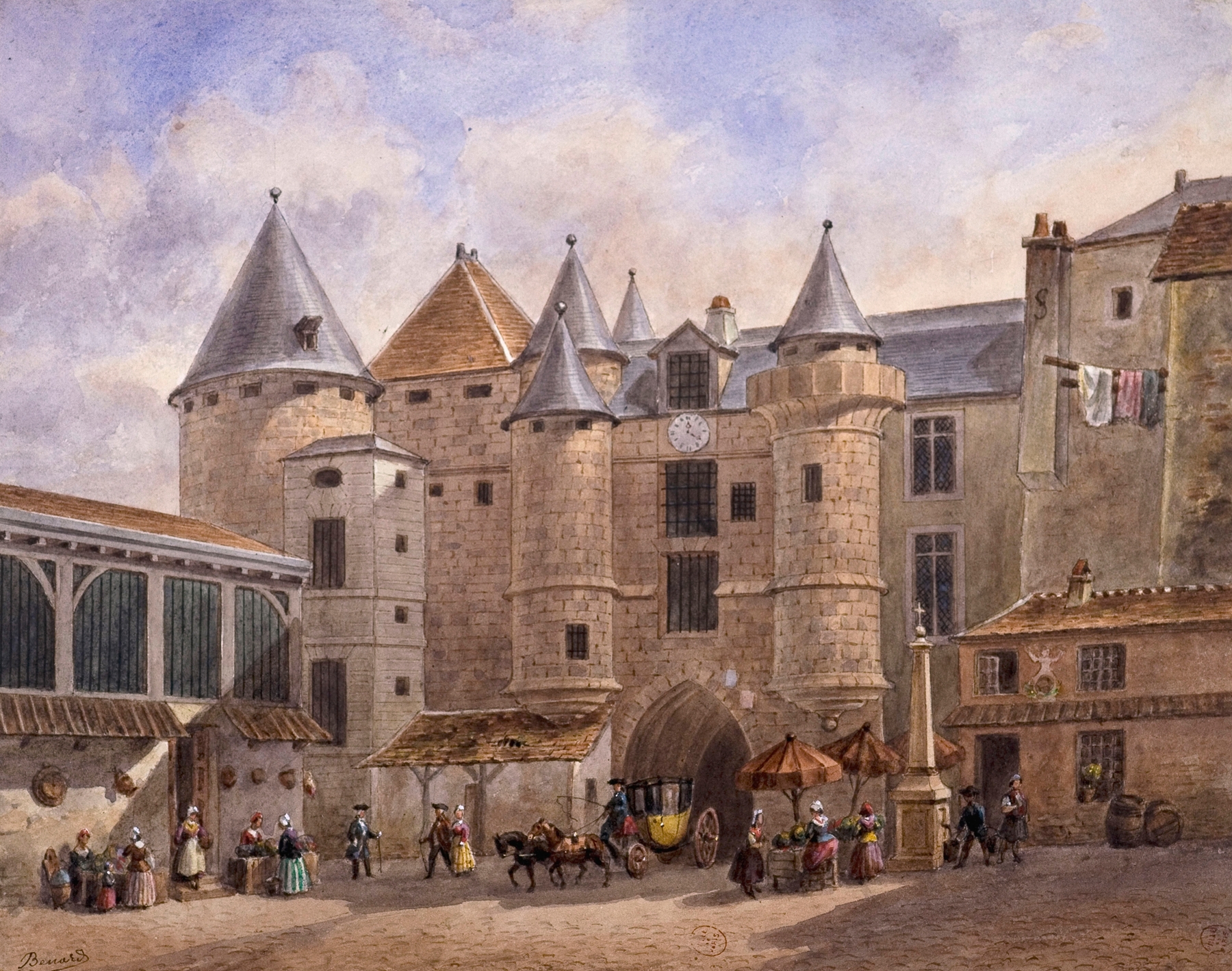
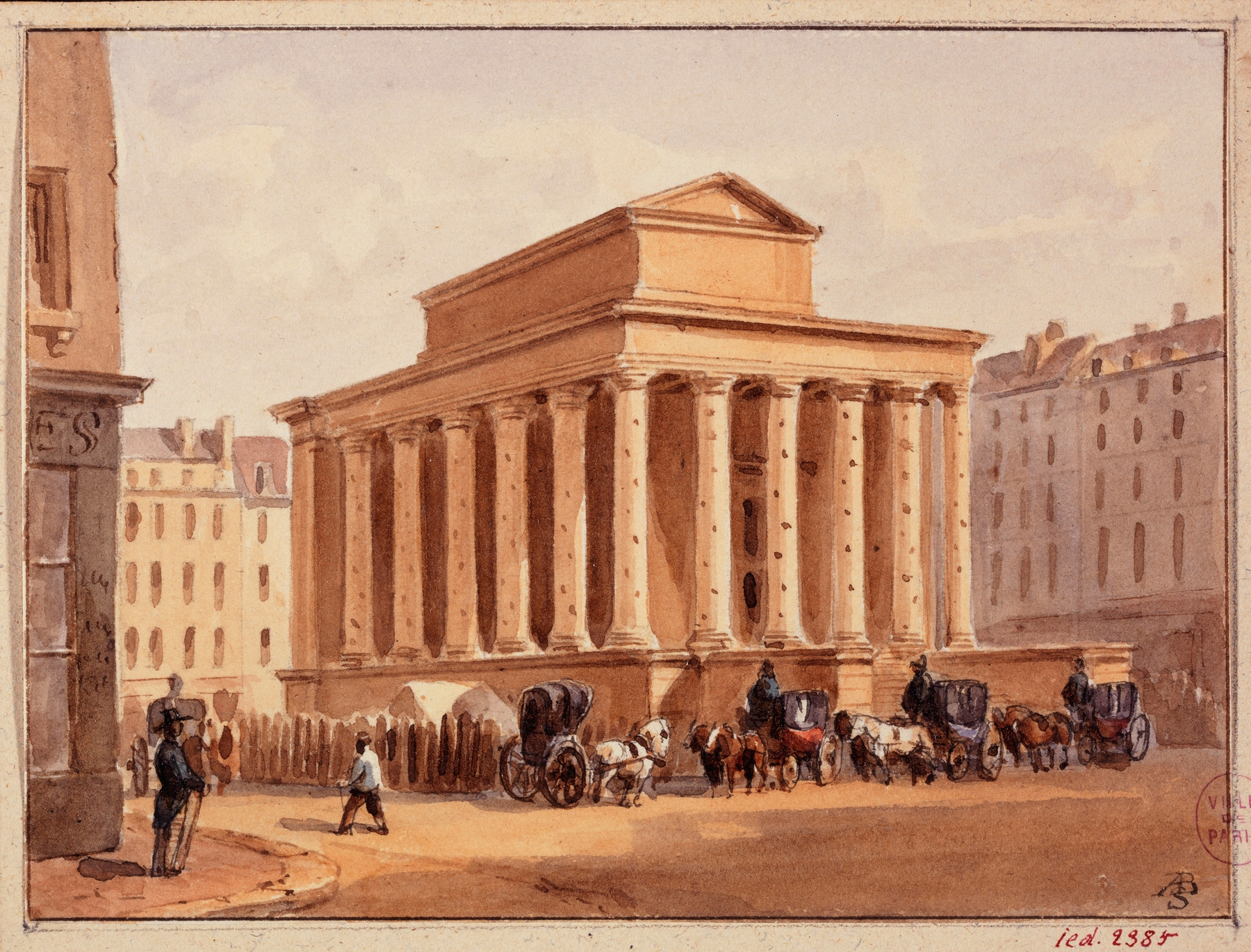
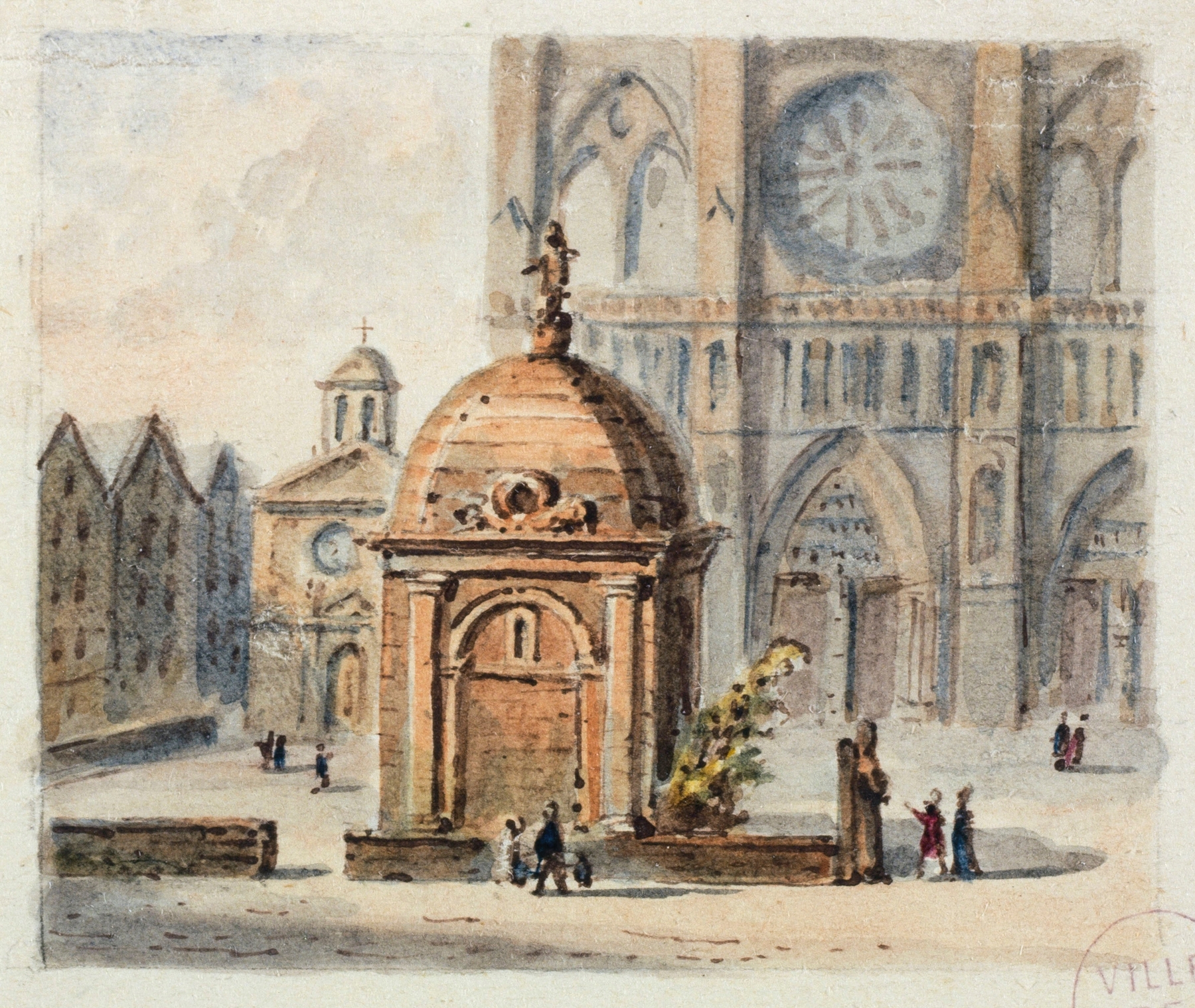
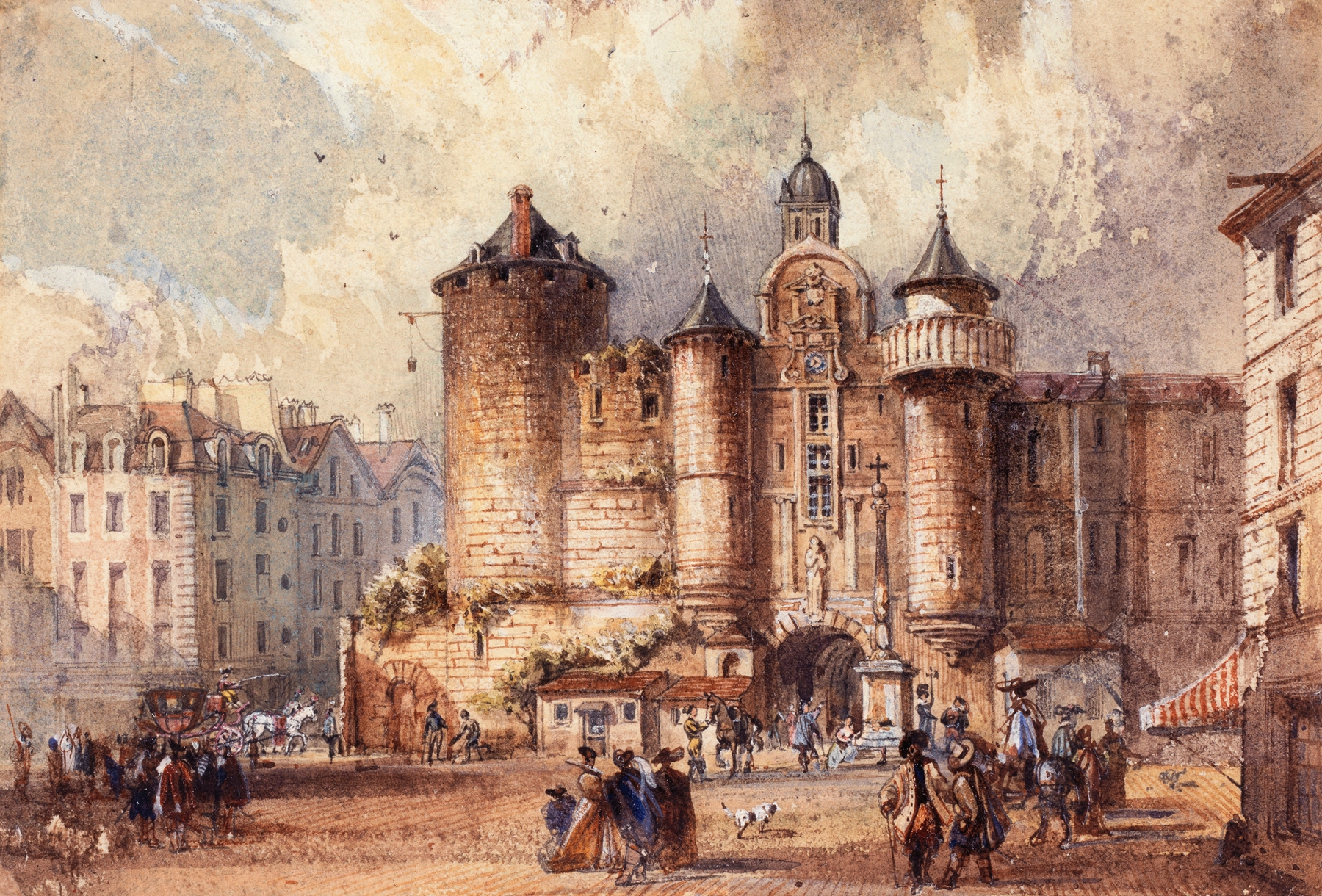
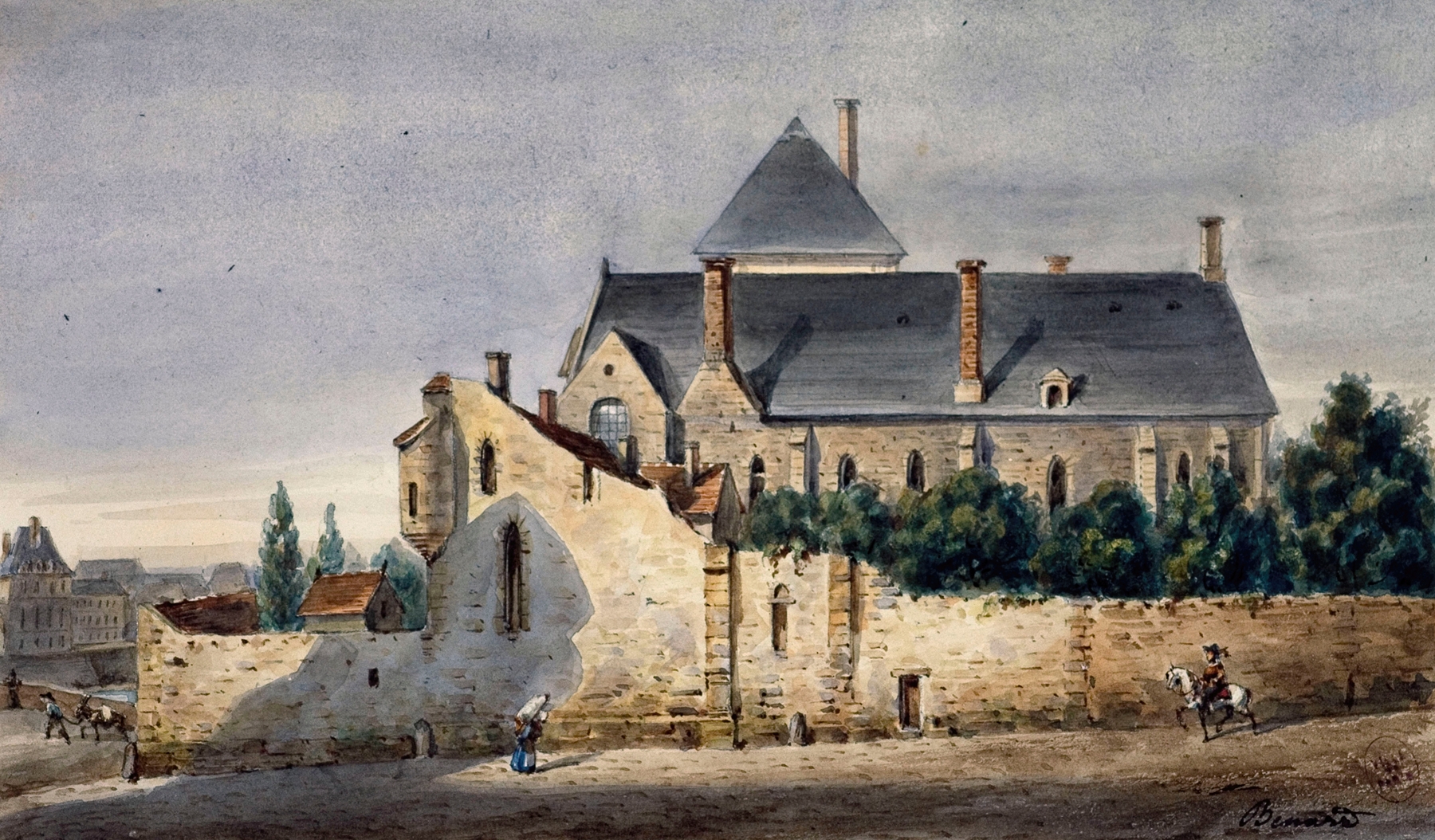
“The canvas doesn’t lie — it simply waits.” In the stillness between reality and imagination lies a world shaped by shadows, where each stroke of paint tells stories untold. Look to the center of the composition, where the cool gray of the cobblestones meets the warmer hues of aging buildings. Notice how the light filters through the narrow alleyway, creating a dance of contrasts as it envelops the figures in soft, elongated shadows. These shadows stretch and merge with the brick facades, inviting you to wander deeper into this Parisian street, where time seems suspended and every corner beckons exploration.
As you immerse yourself, consider the tension between light and dark. The path is illuminated, hinting at movement and life, while the shadows cradle secrets of the past. The juxtaposition of the lively hues of the buildings against the muted tones of the street creates an intimate dialogue between the familiar and the enigmatic. Each element serves as a reminder of the transient nature of existence, where moments are fleeting yet eternally captured in the act of creation.
In 1810, the artist captured this scene in a burgeoning Paris, a city alive with artistic fervor and social change. Bénard was part of a generation exploring the effects of light and shadow, moving away from the rigidity of classical forms towards a more romantic, emotive interpretation of urban life. At a time when the Impressionist movement was beginning to simmer, he laid the groundwork for future explorations of light within the world around him.