Sailing Boats at Argenteuil — History & Analysis
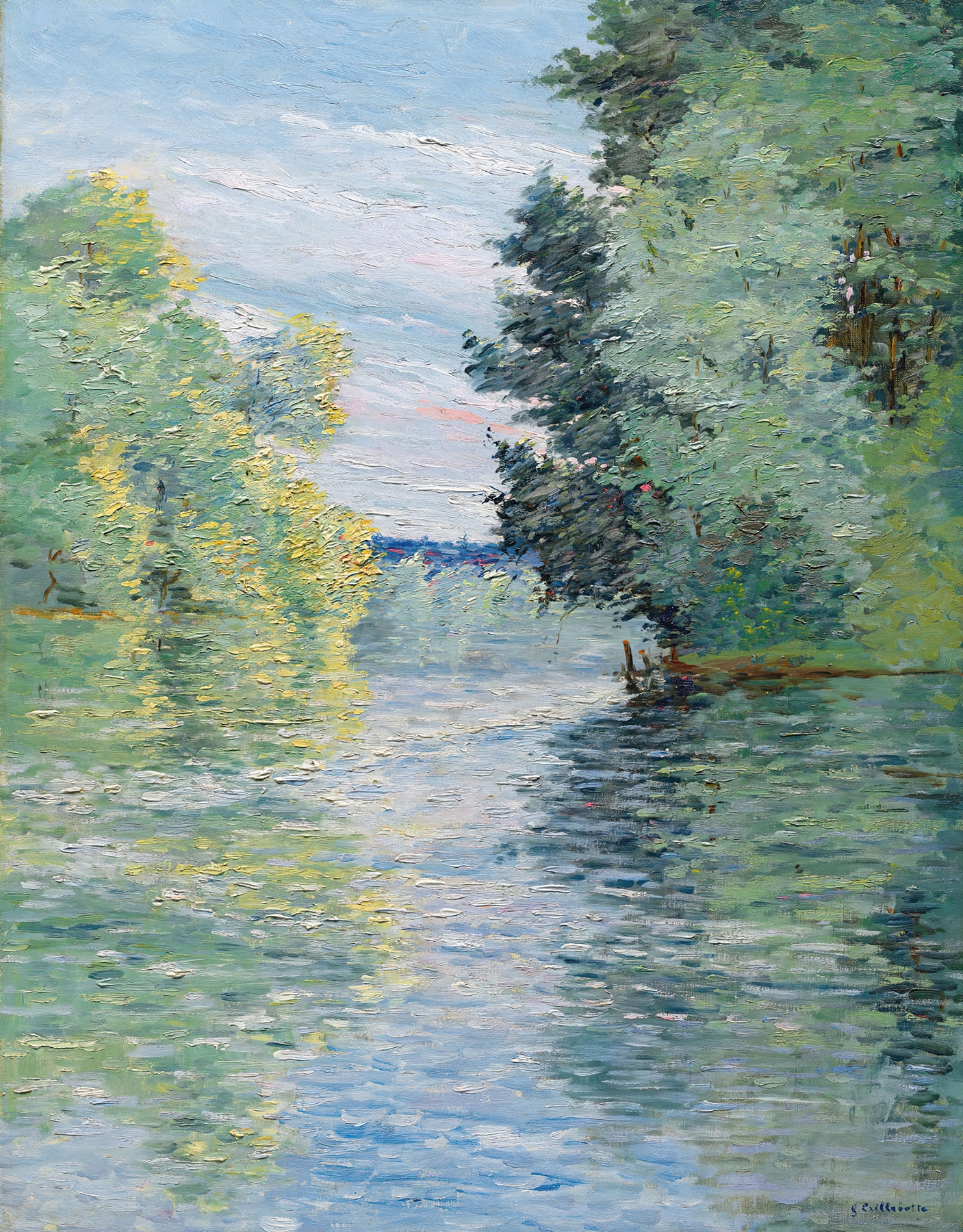
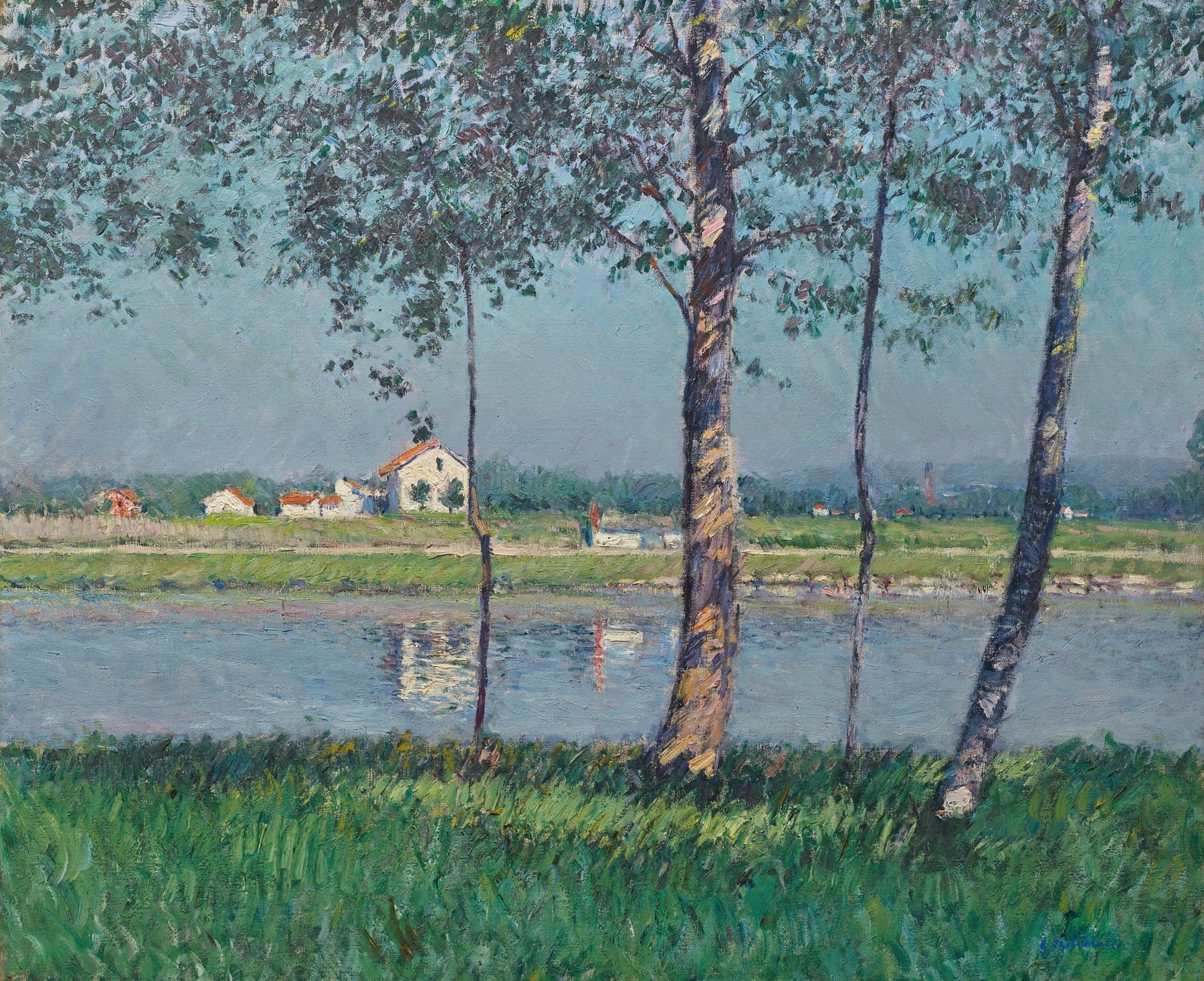
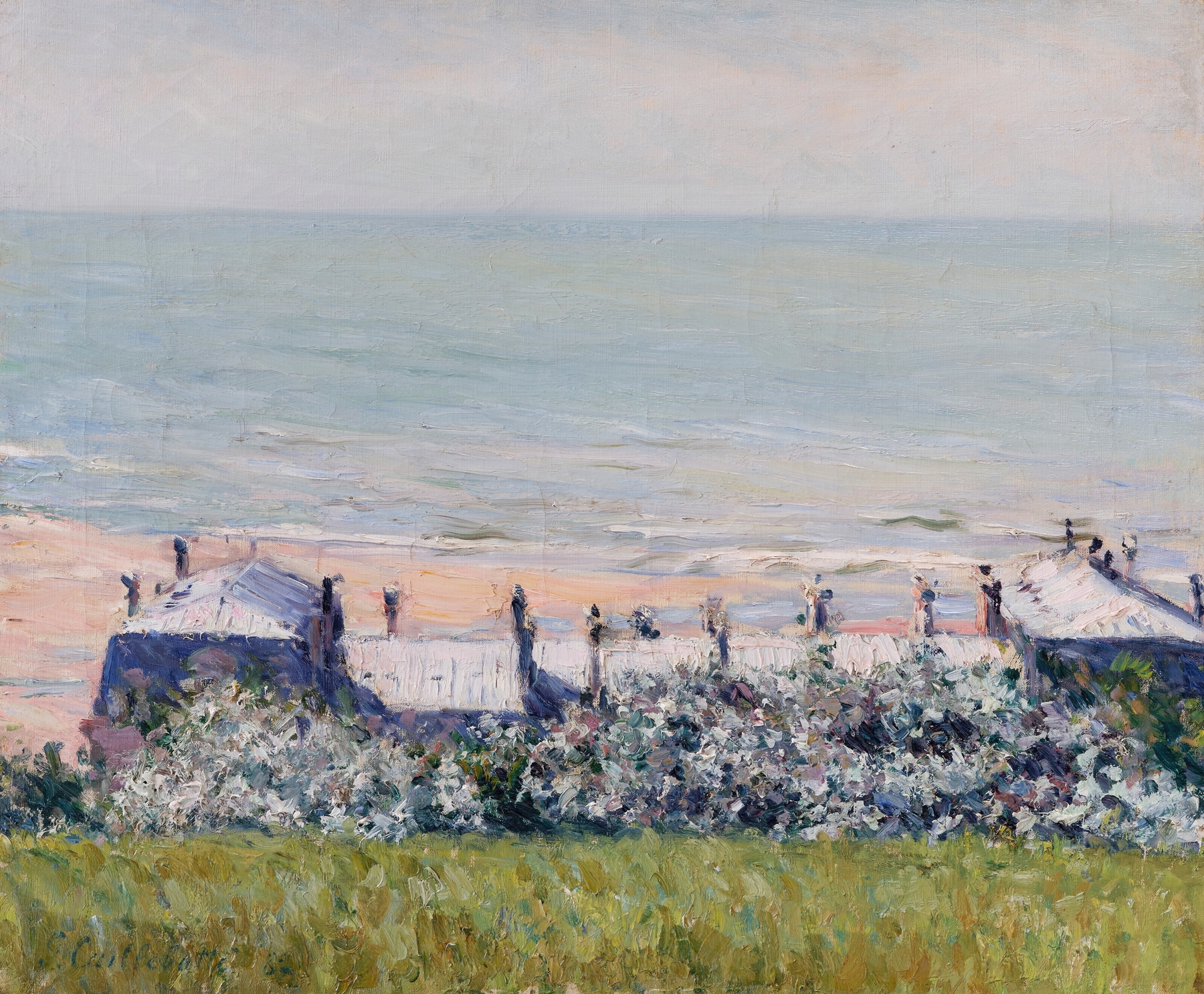
“Art reveals the soul when the world turns away.” In moments of innocence and serenity, life's true beauty often emerges, captured in strokes of paint on canvas. Focus on the shimmering water in the foreground, where the sunlight dances playfully across the surface. Paintings of the Impressionist period often utilize vibrant color palettes, and here, Caillebotte's use of blues and greens brings a refreshing sense of tranquility. Notice the gentle curves of the sailing boats, painted with loose brushstrokes that evoke movement and freedom, guiding your eyes to the horizon where the sky meets the water.
The composition invites your gaze to wander, as if drifting along with the boats. Beneath the surface, there lies a deeper narrative of fleeting moments and untouched beauty. The boats, seemingly carefree, reflect a tranquility that contrasts with the bustling life on the shore, suggesting a longing for escape. Each sail, billowing softly in the breeze, becomes a metaphor for innocence lost, as the vibrant colors suggest vitality yet hint at the inevitability of change.
The interplay between light and shadow serves to remind us that even in serene settings, life is a delicate balance of joy and anxiety. In 1888, Gustave Caillebotte painted this work amid a vibrant community of Impressionists who were redefining artistic standards. Living in Paris, he was deeply involved in the movement, facing the challenges of an evolving artistic landscape while striving to capture the essence of modern life. This painting exemplifies his ability to blend realism with impressionistic technique, reflecting both his personal experiences and the larger currents of art during this transformative period.