Saint John the Baptist in the Wilderness — History & Analysis
What secret hides in the quiet of the canvas? In Saint John the Baptist in the Wilderness, the interplay of light and shadow reveals not just a figure, but a soul in solitude, beckoning us to explore the depths of his contemplation. Look to the center, where the figure of John stands resolute, bathed in a halo of soft illumination that contrasts with the darker, enveloping wilderness. The warm, golden tones of the light accentuate his weathered skin and flowing hair, drawing attention to the raw intensity of his expression.
Notice how the surrounding foliage is painted in deep greens and browns, creating a natural frame that enhances John’s isolation, while subtle brushstrokes convey the gentle movement of leaves, whispering the secrets of this sacred space. Beneath the surface, we uncover layers of meaning—spiritual isolation, the duality of nature’s beauty and its harshness, and the silent dialogue between man and wilderness. The light that envelops John symbolizes divine presence, illuminating his path yet casting shadows that hint at the struggles he faces in solitude. This delicate balance captures the essence of faith, vulnerability, and introspection, allowing the viewer to feel both the weight of his mission and the solace of his connection to the natural world.
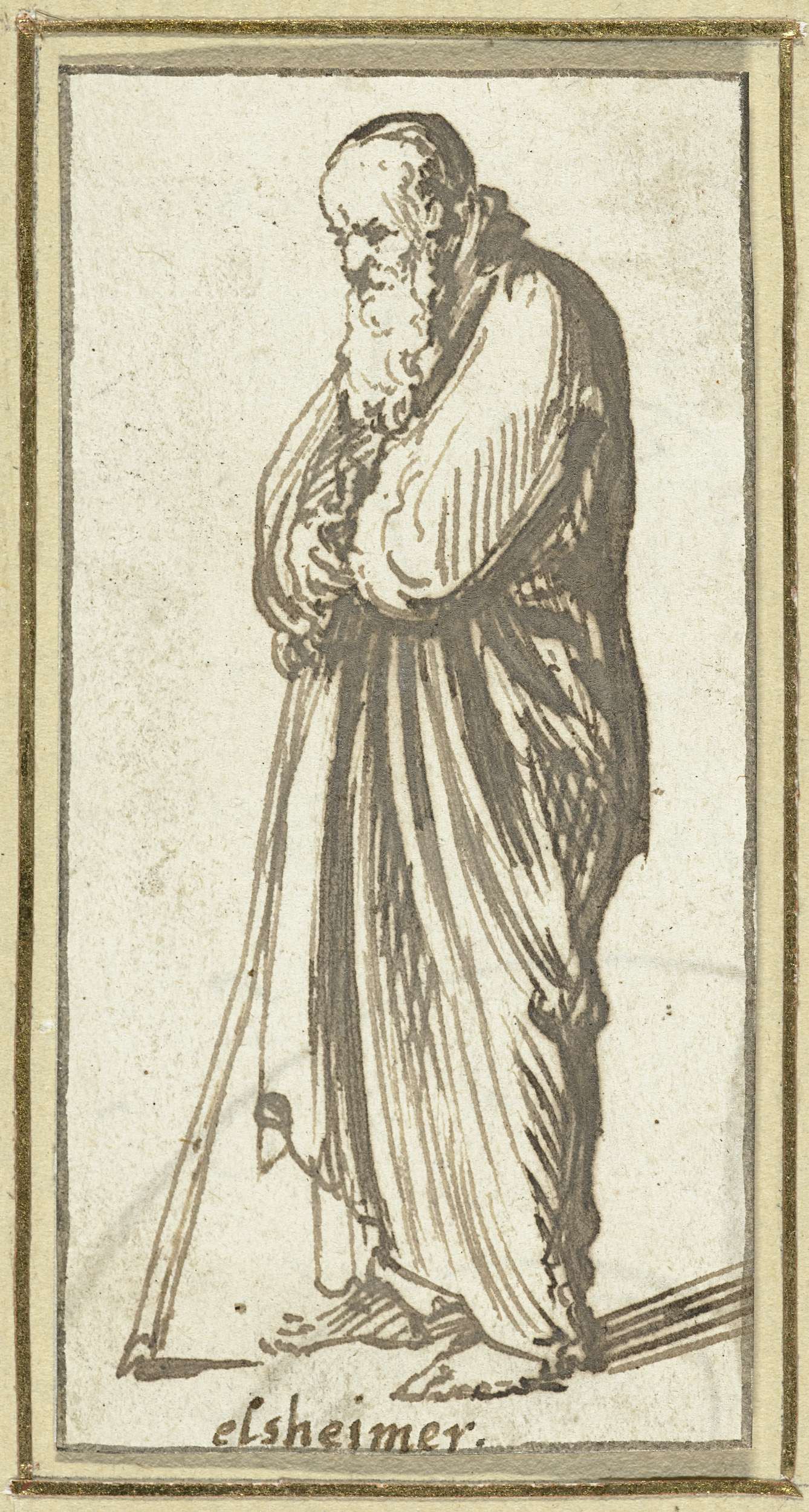
In the early 17th century, during a time of artistic transition in Europe, the artist created this piece while living in Rome, surrounded by the burgeoning Baroque movement. Elsheimer, influenced by the works of Caravaggio and the nascent chiaroscuro techniques, sought to blend emotional depth with a profound understanding of light. It was a period marked by exploration of spiritual themes, as artists like him grappled with the complexities of faith amidst the changing tides of society.