
Oude man in lang gewaad — History & Facts
Look closely at the central figure, an elderly man draped in a flowing robe, his features etched with time and solitude. Notice how the rich, dark tones of his garment contrast with the soft, illuminating light that caresses his face, emphasizing both his wisdom and his weariness. The interplay of shadow and light creates an atmosphere of introspection, inviting the viewer to explore the depths of his gaze, which seems to reach beyond the canvas. Yet, it is the subtle nuances that reveal deeper layers of meaning.
The emptiness surrounding him speaks volumes; though he occupies the space, he seems isolated, embodying a lifetime of experiences that resonate with both beauty and sorrow. The gold detailing of his attire hints at past splendor, while his downturned eyes suggest a profound longing or regret. This tension between vibrancy and desolation captures a poignant moment of existence — a reminder of beauty intertwined with the inevitability of loss. Painted between 1588 and 1610, this work emerged during a transformative period for Adam Elsheimer.
Living in Rome, he experienced the burgeoning Baroque movement, influencing his attention to light and emotion. At this time, he was grappling with his own artistic identity while navigating the complexities of patronage and recognition, which would ultimately shape the legacy of his innovative approach to portraiture.
More Artworks by Adam Elsheimer

Saint John the Baptist in the Wilderness
Adam Elsheimer
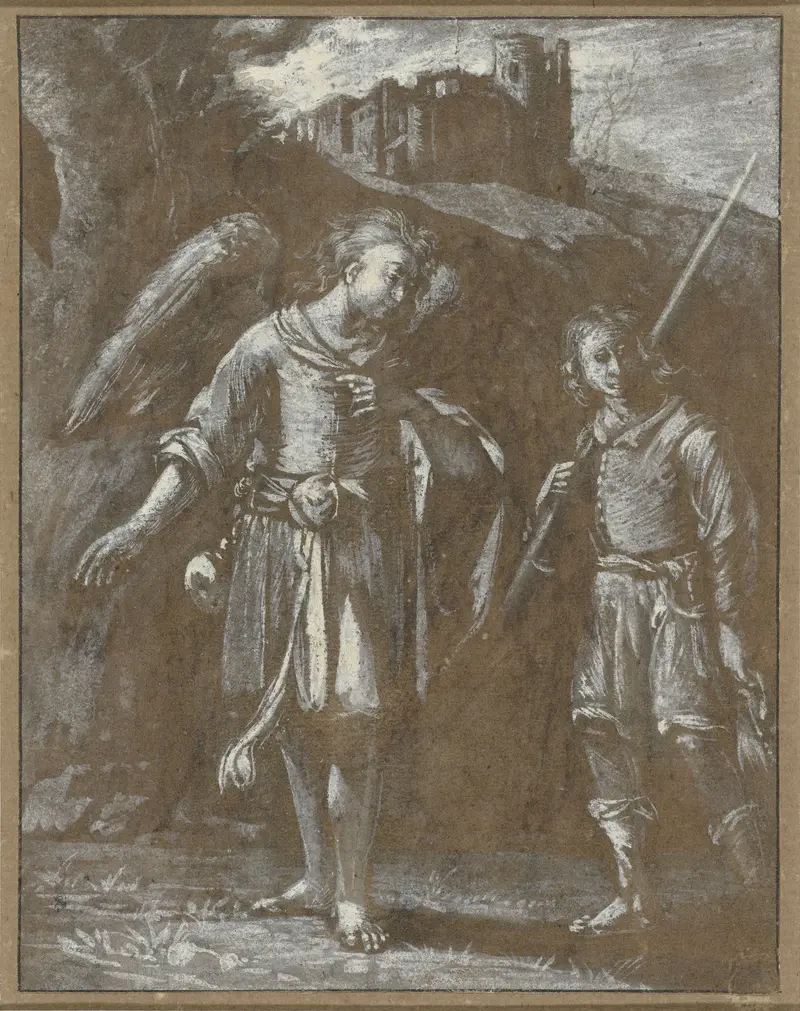
Tobias en de engel
Adam Elsheimer
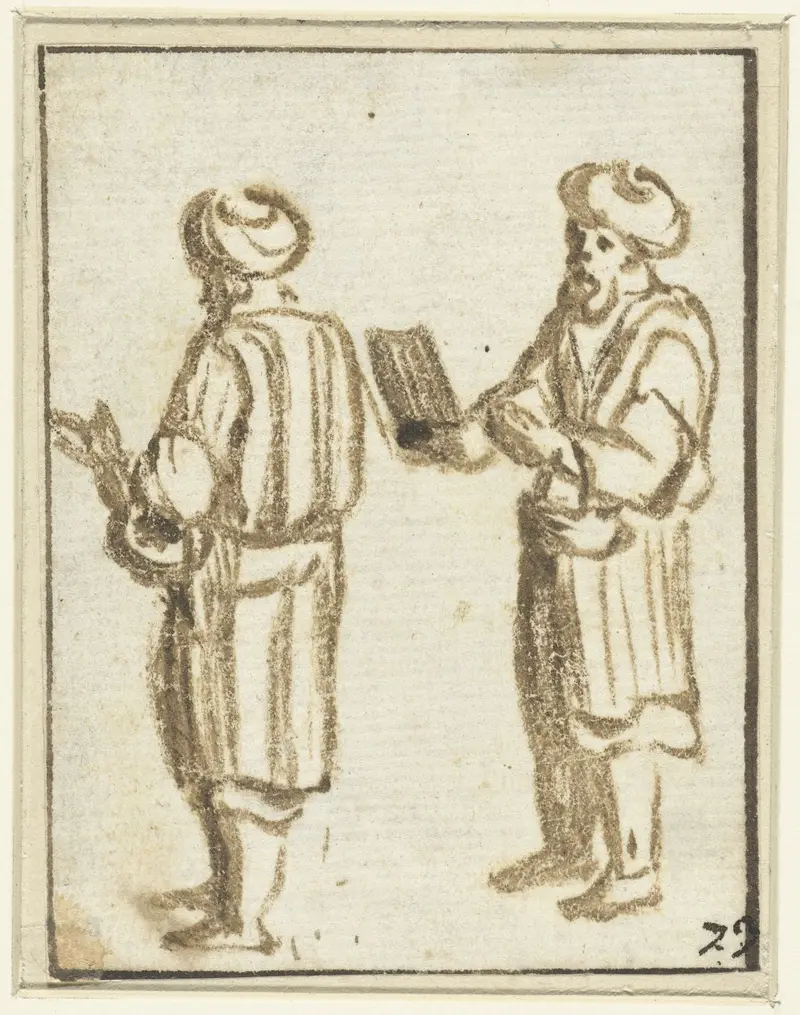
Twee staande mannen met tulbanden
Adam Elsheimer
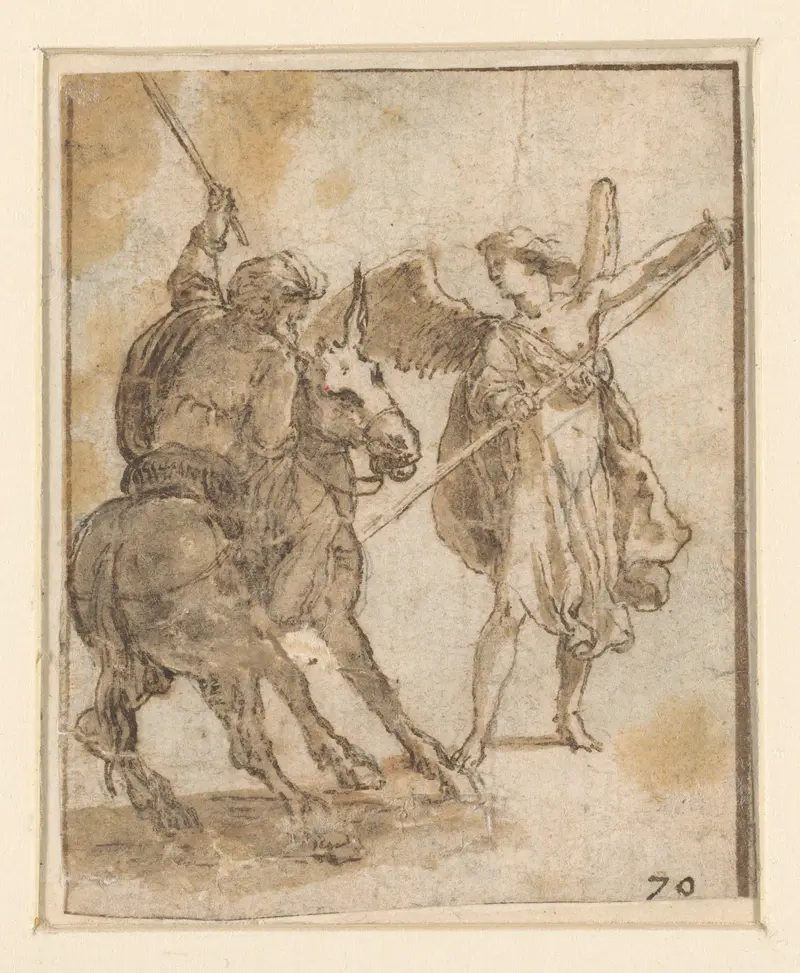
Bileam op zijn ezel ontmoet de engel
Adam Elsheimer
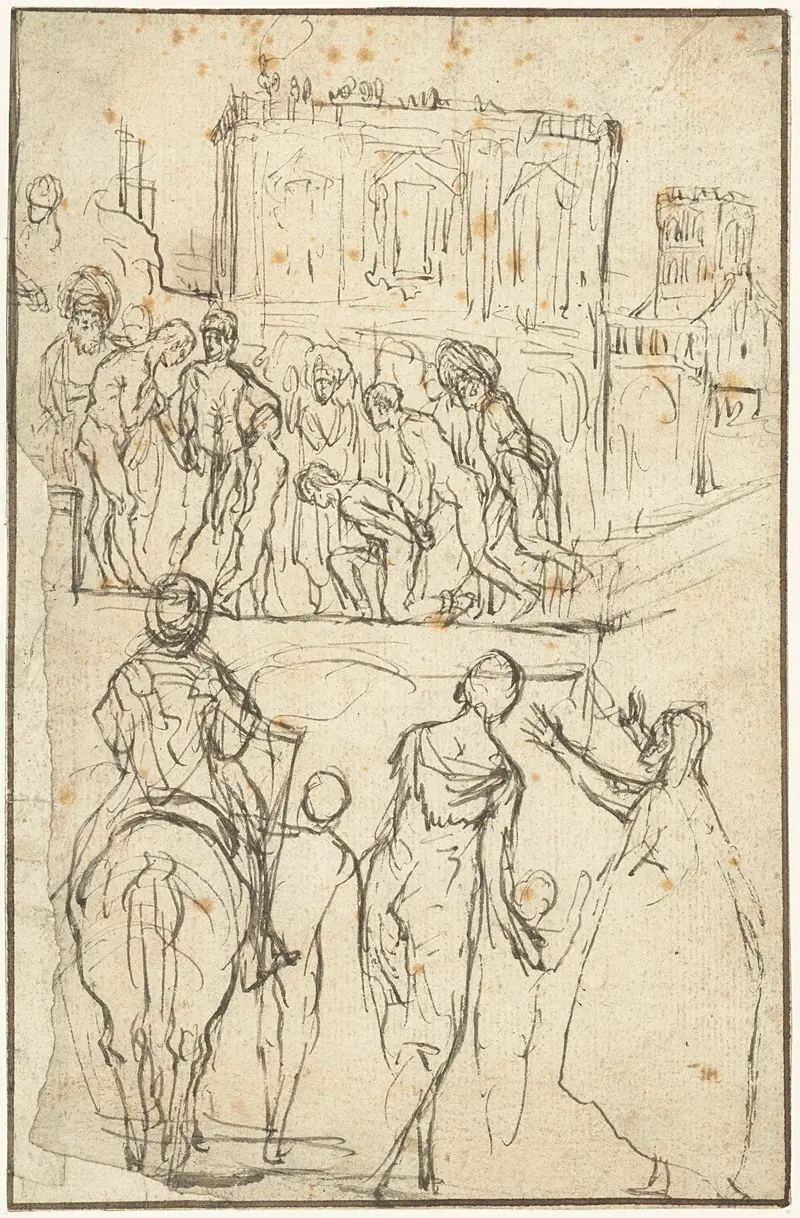
Judgement Scene with a Bound Prisoner
Adam Elsheimer
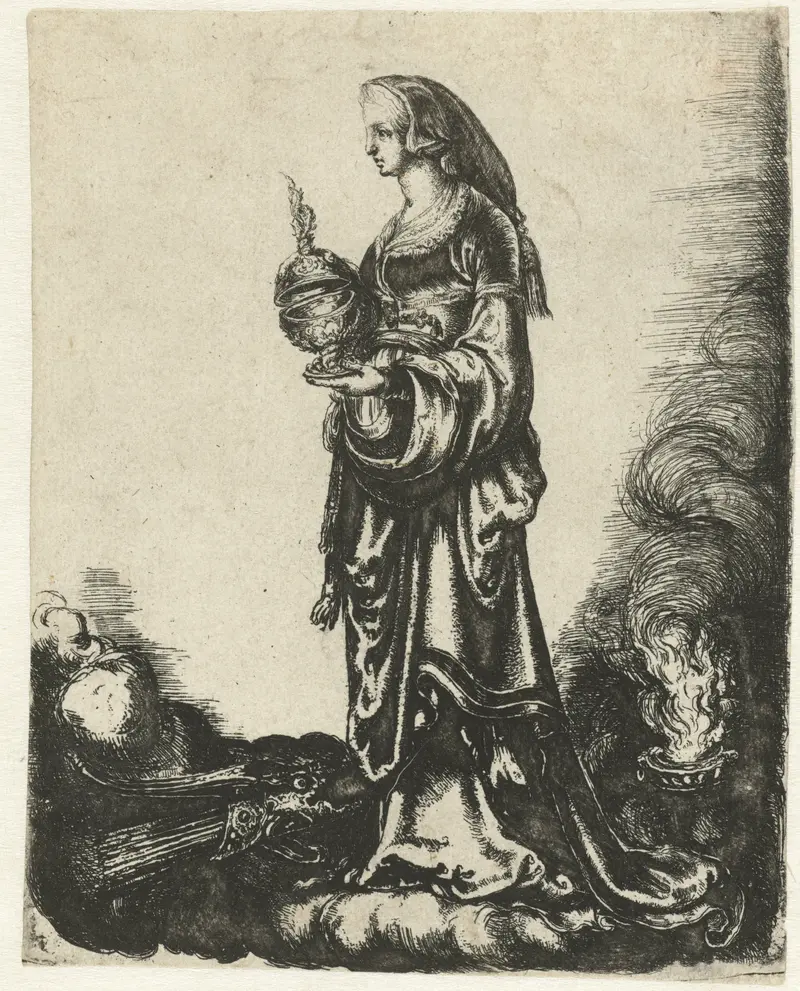
Allegorie met vrouw met beker staand op wolk
Adam Elsheimer
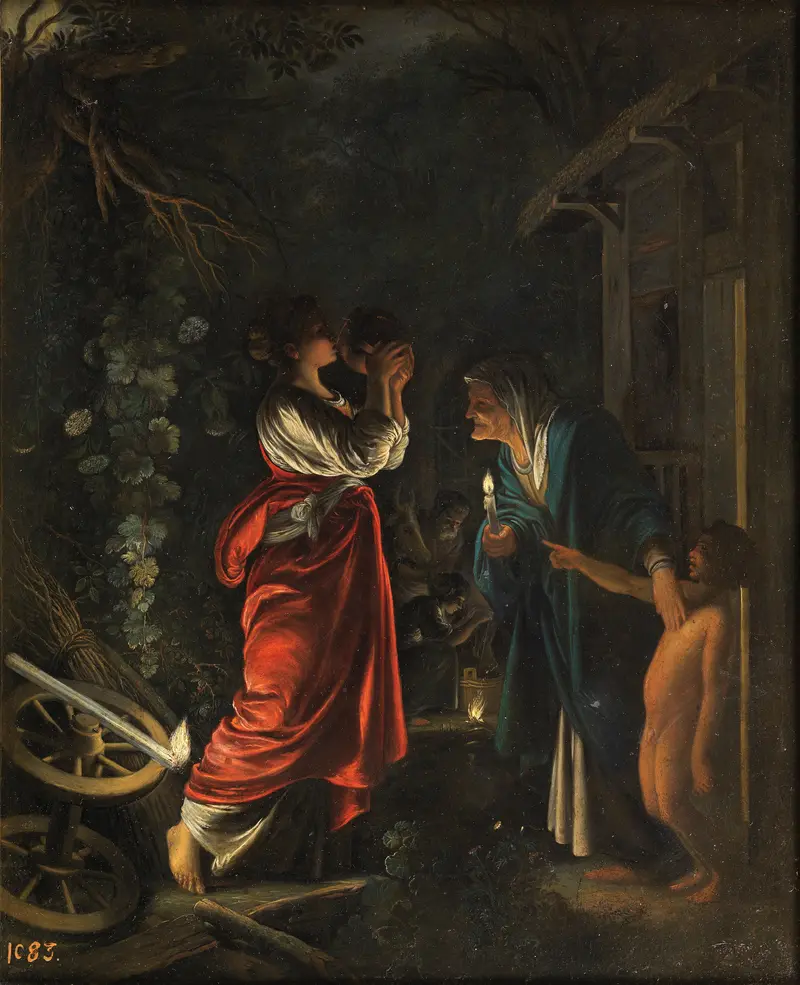
Ceres in the House of Hecuba
Adam Elsheimer
Minerva as patroness of Arts and Sciences
Adam Elsheimer
The Mocking of Ceres
Adam Elsheimer
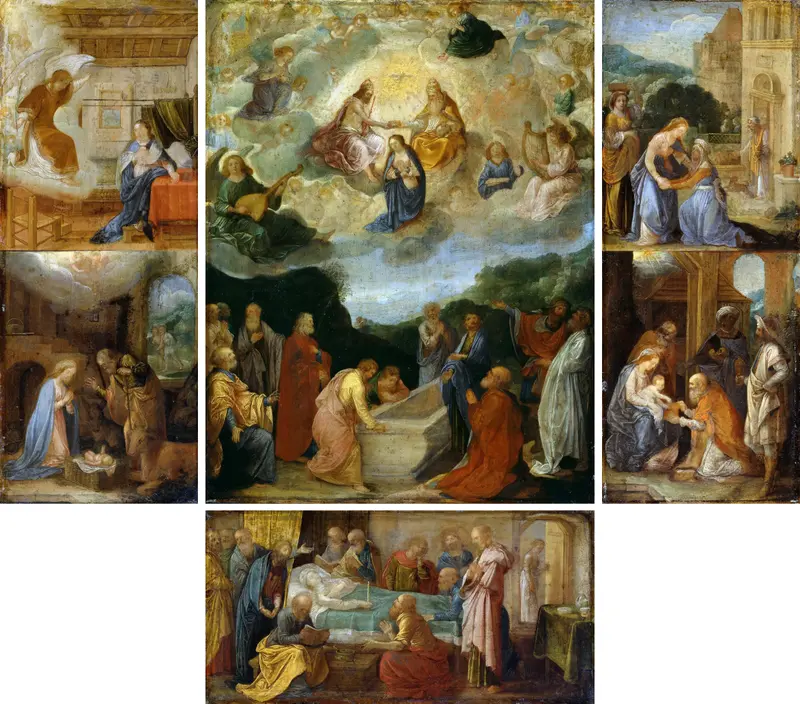
House Altar with Six Scenes from the Life of the Virgin Mary
Adam Elsheimer





