Tobias en de engel — History & Analysis
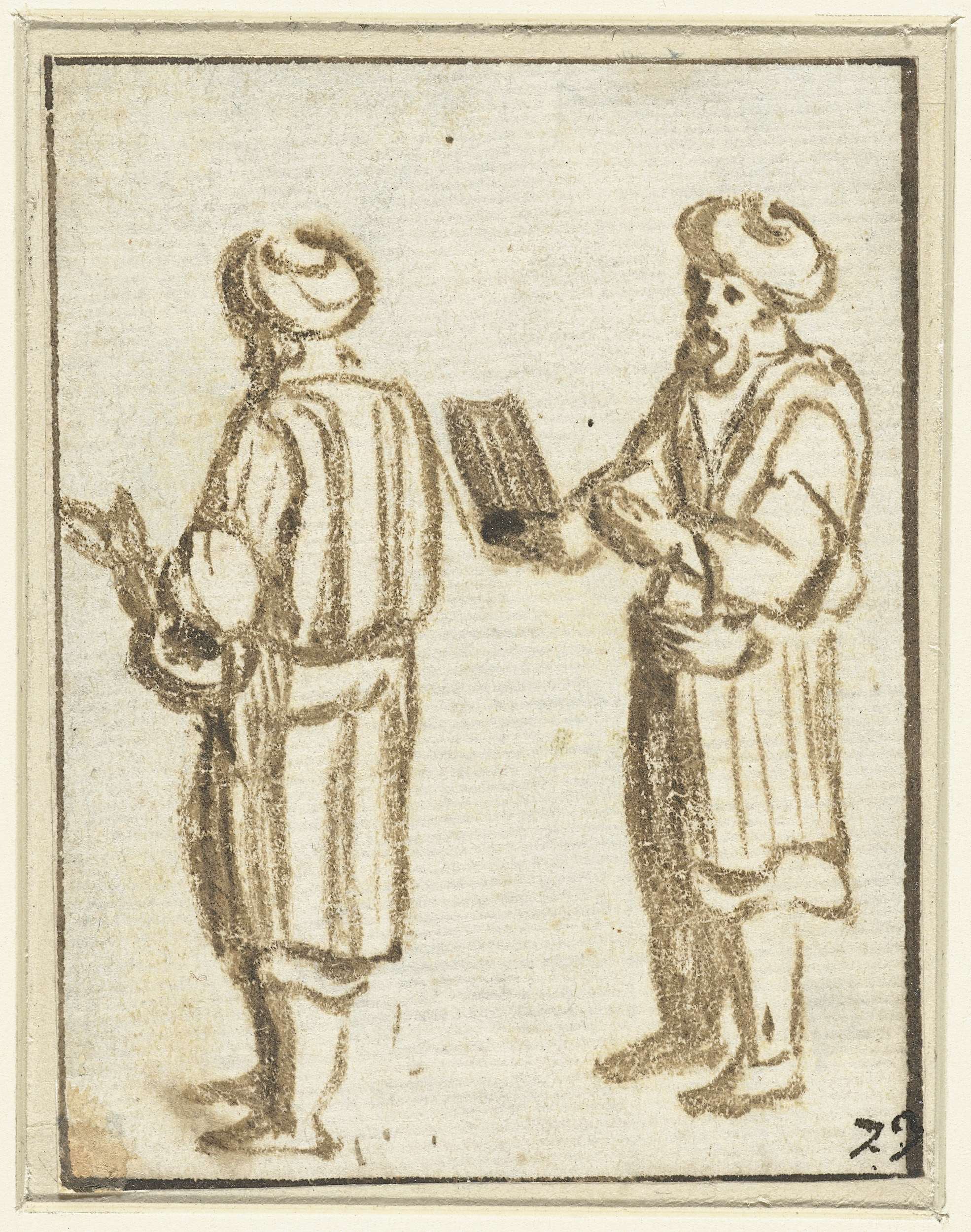
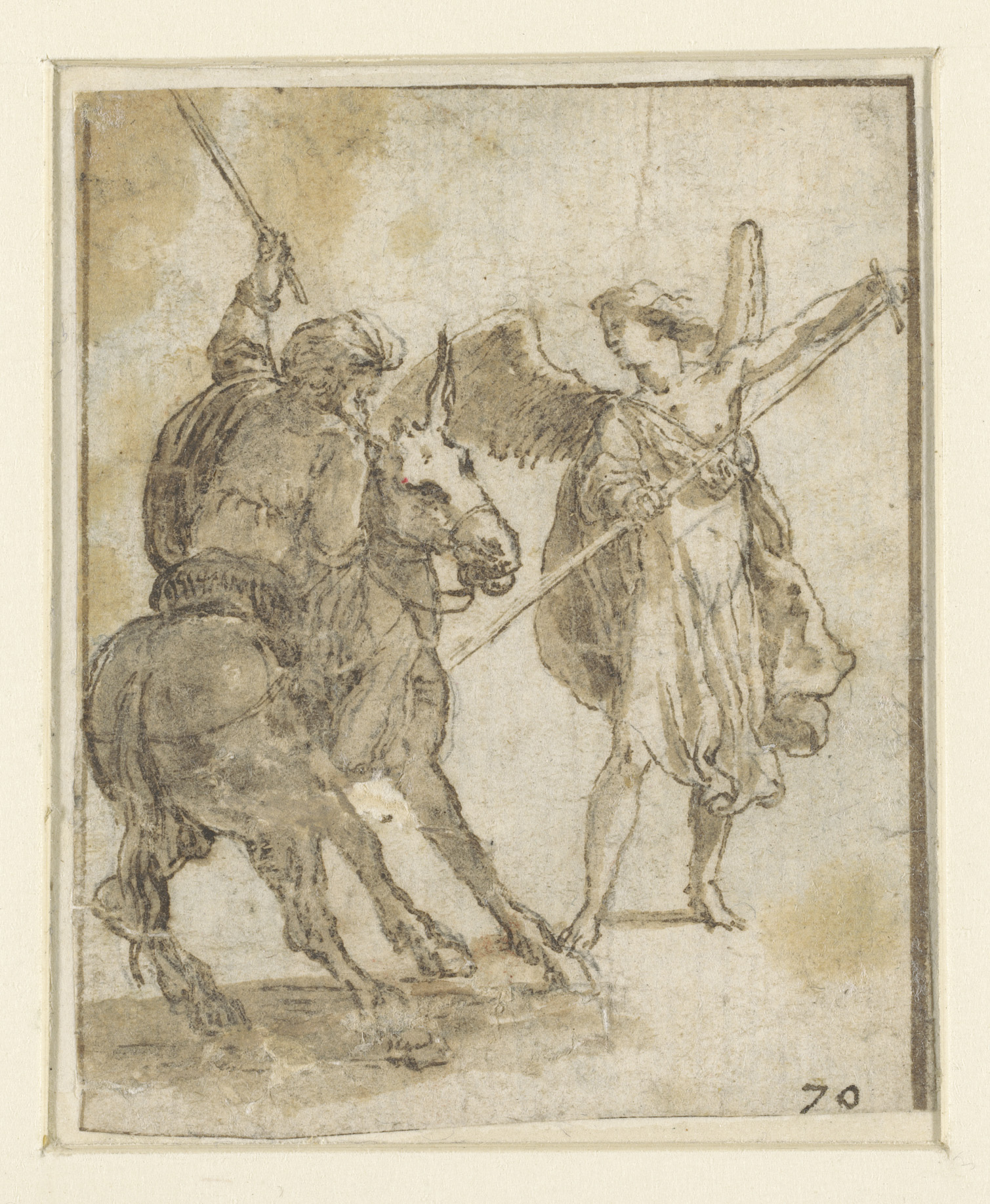
“To paint is to remember what time wants us to forget.” In the delicate brushstrokes of the late Renaissance, wonder and awe flicker like the luminous glow of twilight in Tobias en de engel. The viewer is invited into a moment suspended between the earthly and the divine, a sacred interplay of revelation and journey. Look closely at the tender interaction between Tobias and the angel. The gentle warmth of gold and amber hues envelops them, as beams of light cascade from the heavens, illuminating their faces with ethereal delight. Notice how the composition balances the figures against the deepening shadows of the wilderness, creating a sense of depth that draws you into their world.
The meticulous details of the vegetation and the angel's flowing robes are masterfully rendered, suggesting movement and grace, inviting contemplation of the moment that balances between fear and faith. Within the artwork, emotional tensions emerge from the contrasting experiences of Tobias, a mere mortal, and his celestial companion. The angel, poised in serenity, embodies divine guidance, while the young Tobias reflects a blend of curiosity and trepidation. The juxtaposition of their expressions portrays a quiet dialogue, hinting at the transformative journey ahead.
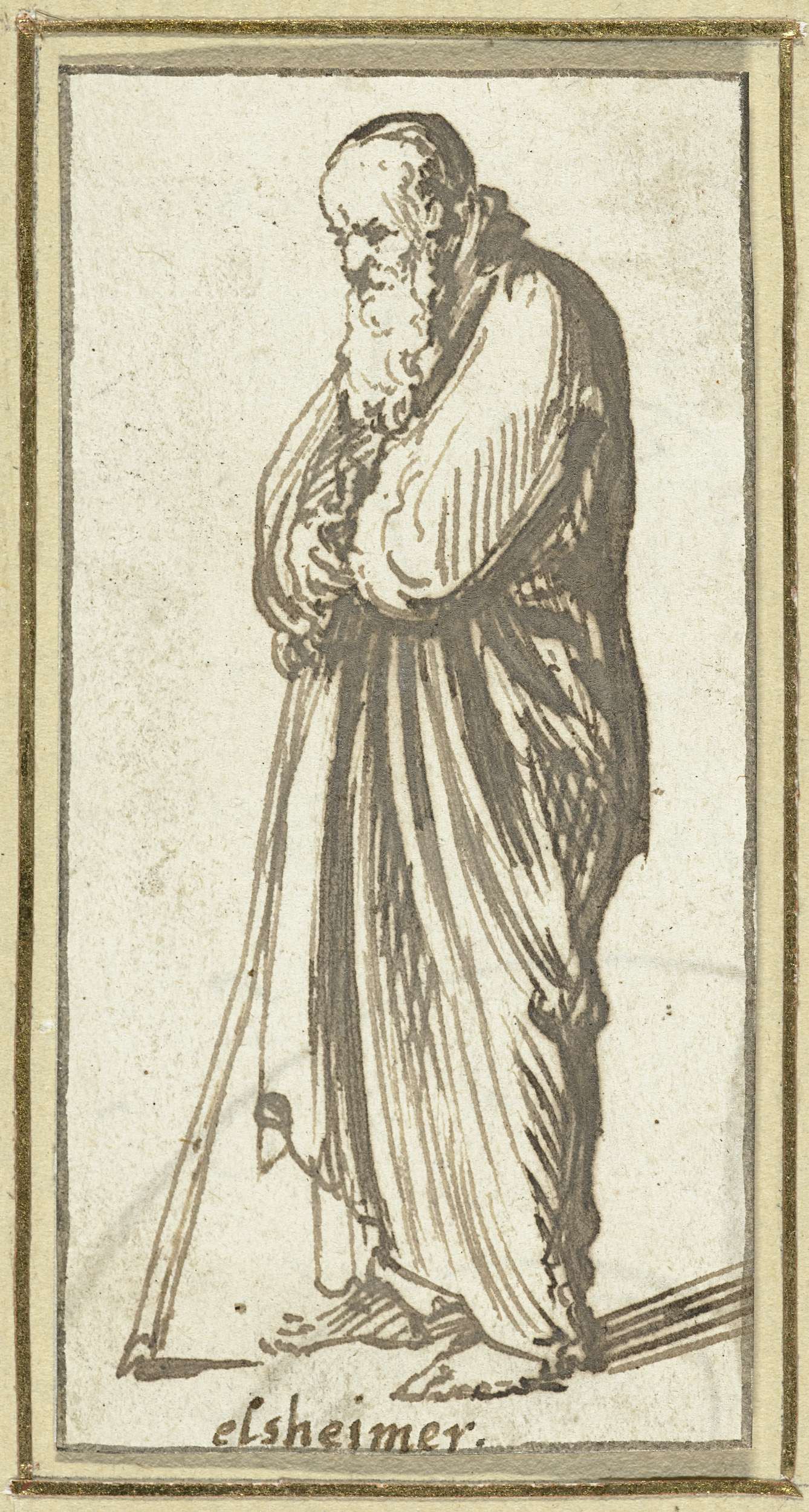
This duality between the seen and unseen, between humanity and the divine, creates a rich tapestry of meaning inherent in this historical context. Created between 1588 and 1610, the piece emerges from Adam Elsheimer’s life in Germany, a time when the artist grappled with the challenges of a shifting art world captivated by both realism and spirituality. Immersed in the burgeoning Baroque movement, he embraced a unique approach that fused meticulous detail with emotional resonance, paving the way for subsequent generations. In this period, Elsheimer’s work reflected not only personal exploration but also the broader cultural dialogue about faith, morality, and human experience.