Bileam op zijn ezel ontmoet de engel — History & Analysis
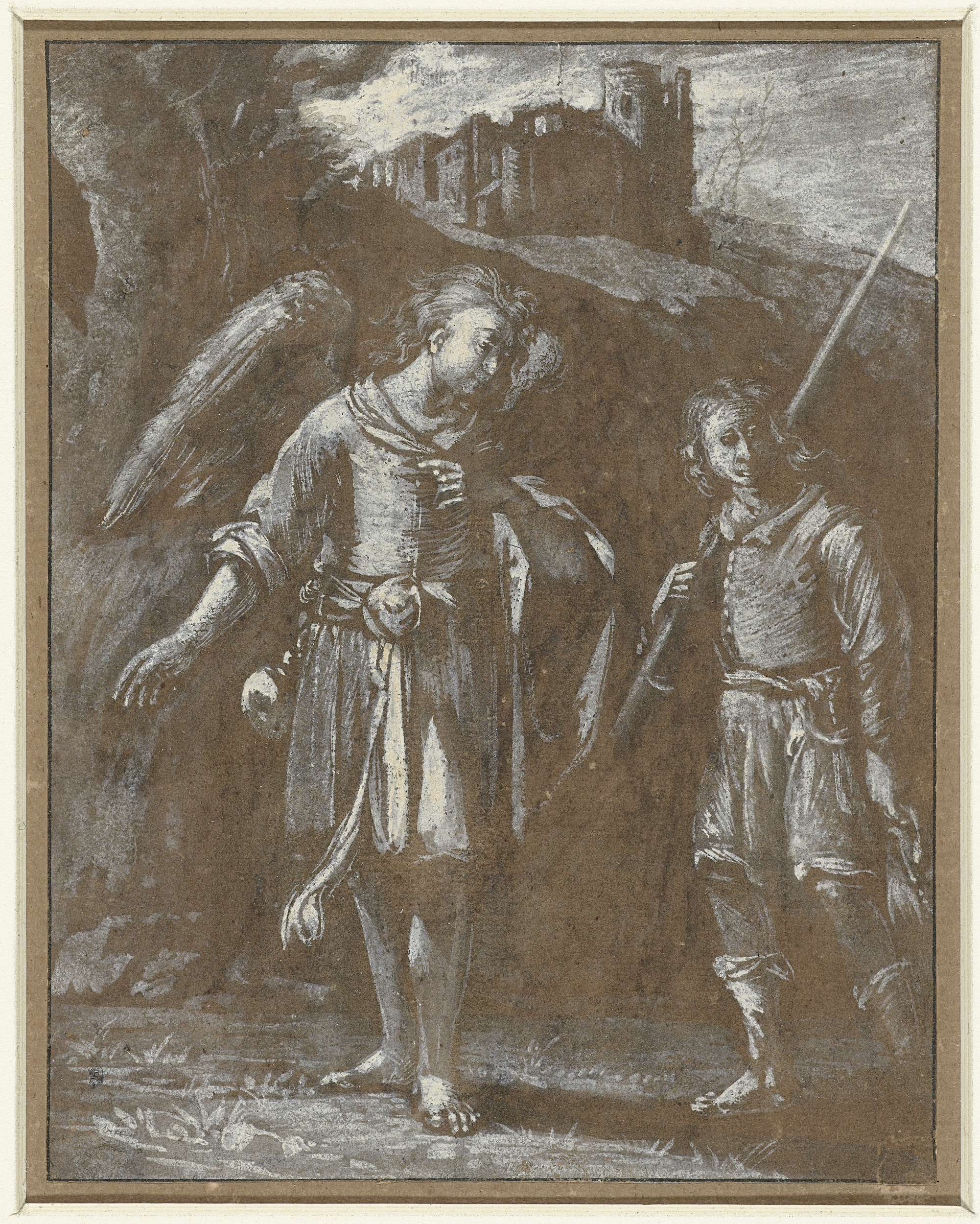
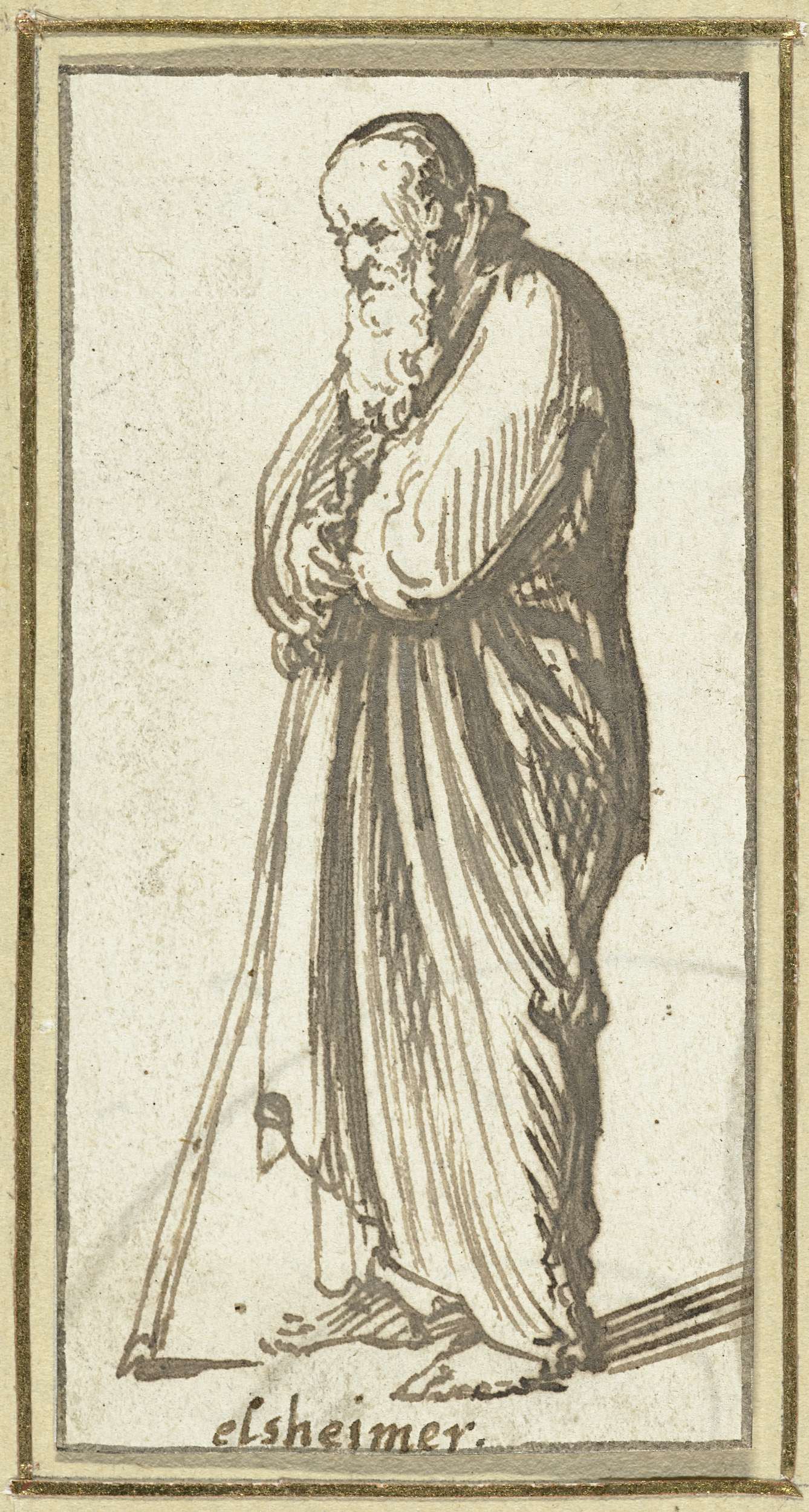
Can paint confess what words never could? In Adam Elsheimer's Bileam op zijn ezel ontmoet de engel, the quiet tension of a critical moment unfolds, where grief and revelation intertwine. The canvas invites the viewer into a world of divine encounters, hinting at deeper sorrows lying beneath the surface of its vibrant colors and intricate details. Look to the right at the finely rendered angel, its wings unfurled in a stance both commanding and protective. The meticulous brushwork captures the delicate play of light, illuminating the contours of the figures while casting deep shadows that evoke a sense of foreboding.
Notice how the warm earth tones of the landscape contrast with the cooler hues enveloping the divine presence, creating a visual dialogue that mirrors the emotional stakes of the scene. The emotional weight of the painting lies in its contrasts — the mundane versus the celestial, obedience versus defiance. The donkey, seemingly a mere beast of burden, becomes an essential witness to the unfolding drama, embodying a tragic clarity. The anguish is palpable, hinting at Bileam's internal struggle as he confronts not just the angel but his own fraught path.
This multi-layered narrative invites the viewer to reflect on the intersections of choice, divine will, and the grief that often accompanies revelation. During the late 16th to early 17th century, Adam Elsheimer was living in Rome, deeply influenced by the Counter-Reformation's emphasis on emotional engagement in art. His works were characterized by their dramatic compositions and intricate detail, often reflecting a personal response to the spiritual upheavals of his time. Bileam op zijn ezel ontmoet de engel exemplifies this turning point in his career, combining narrative depth with the technical prowess that would define his legacy.