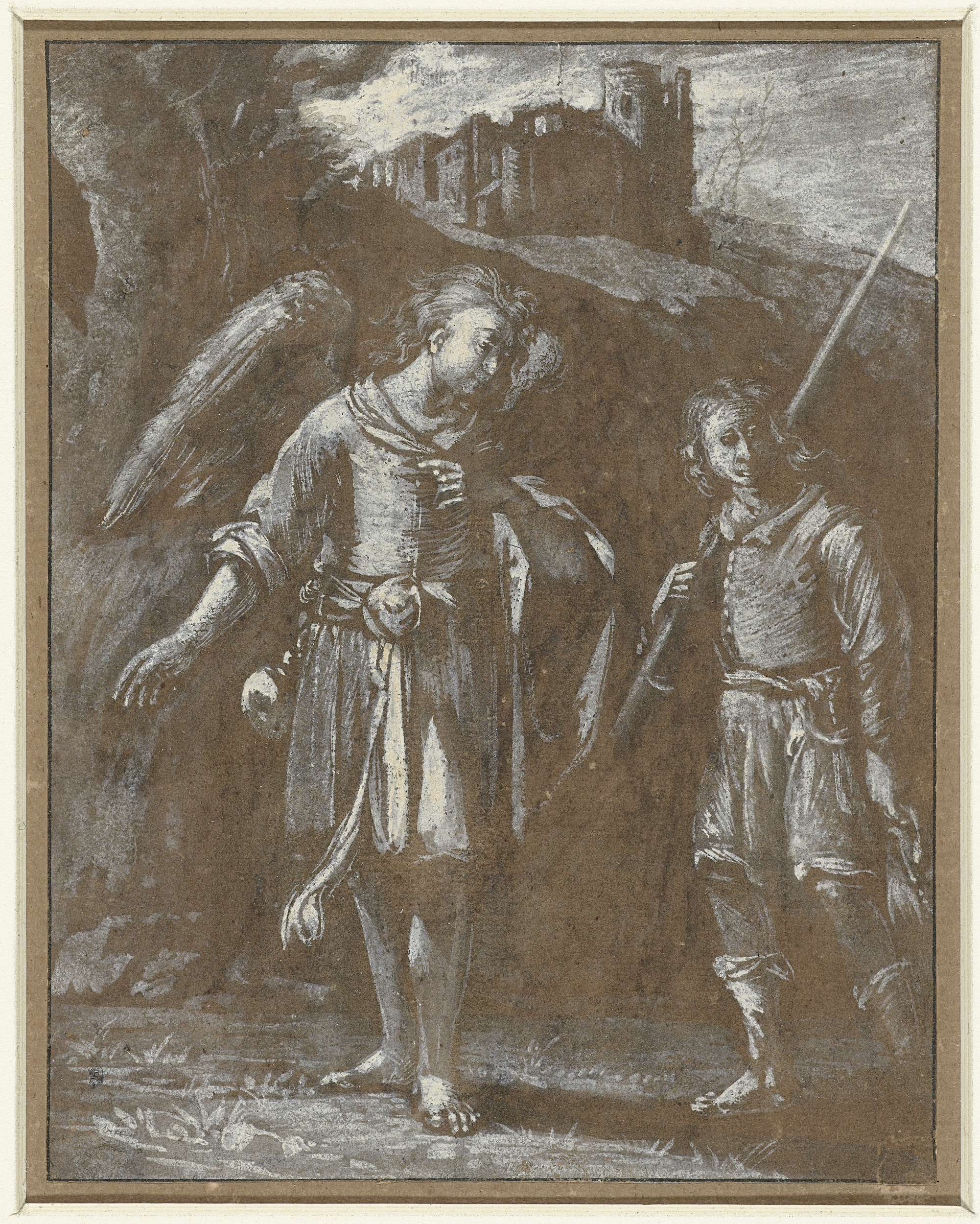
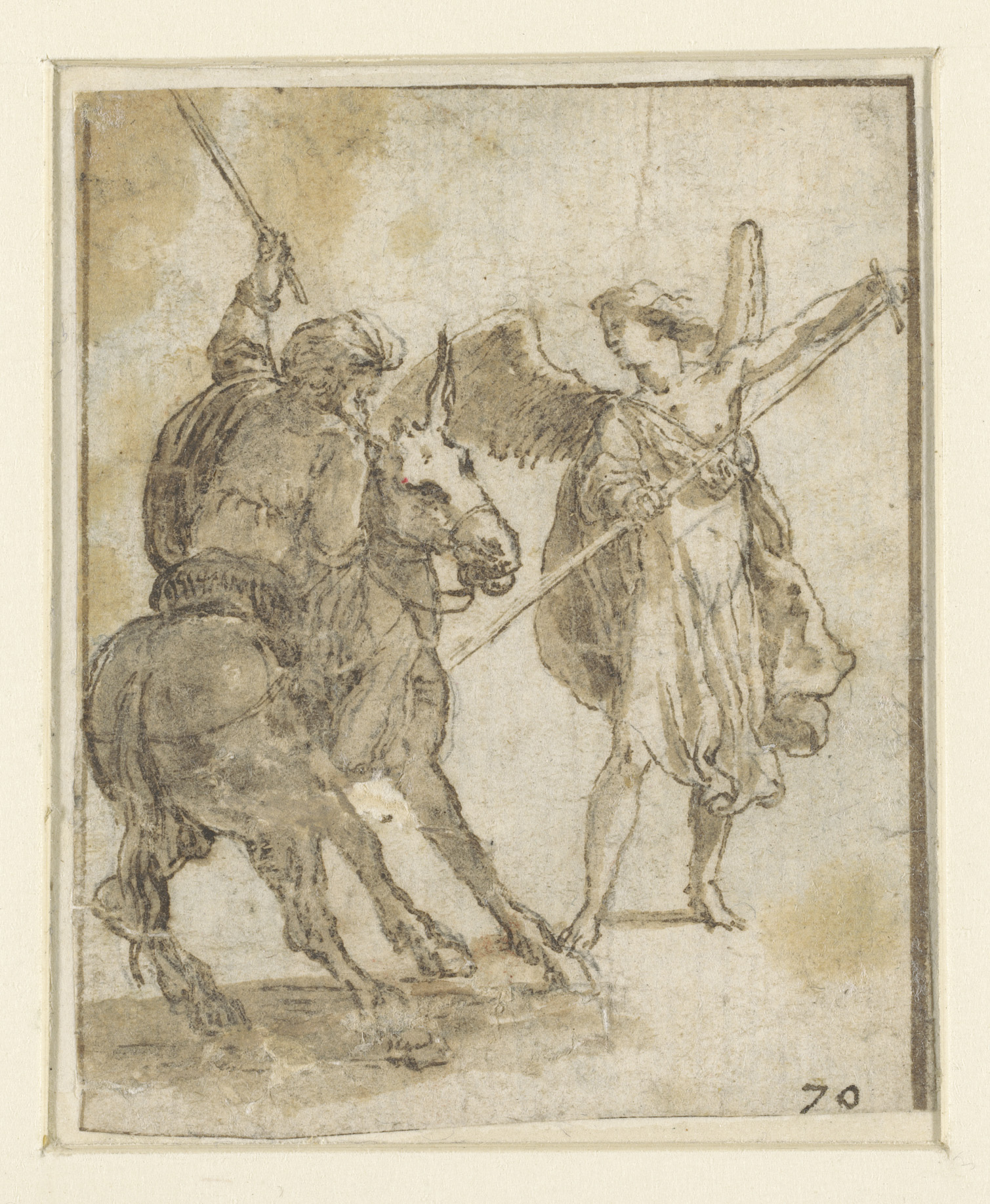
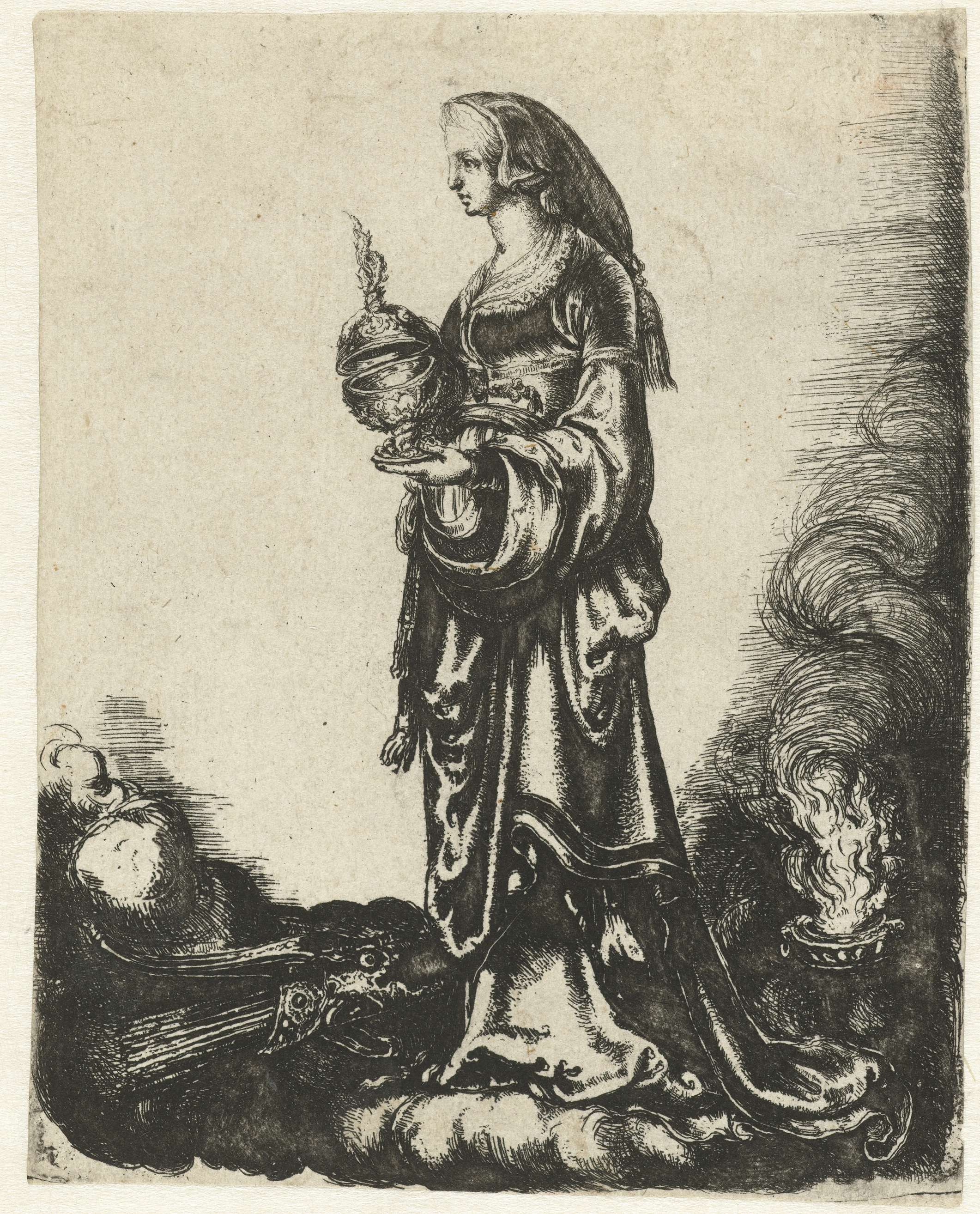
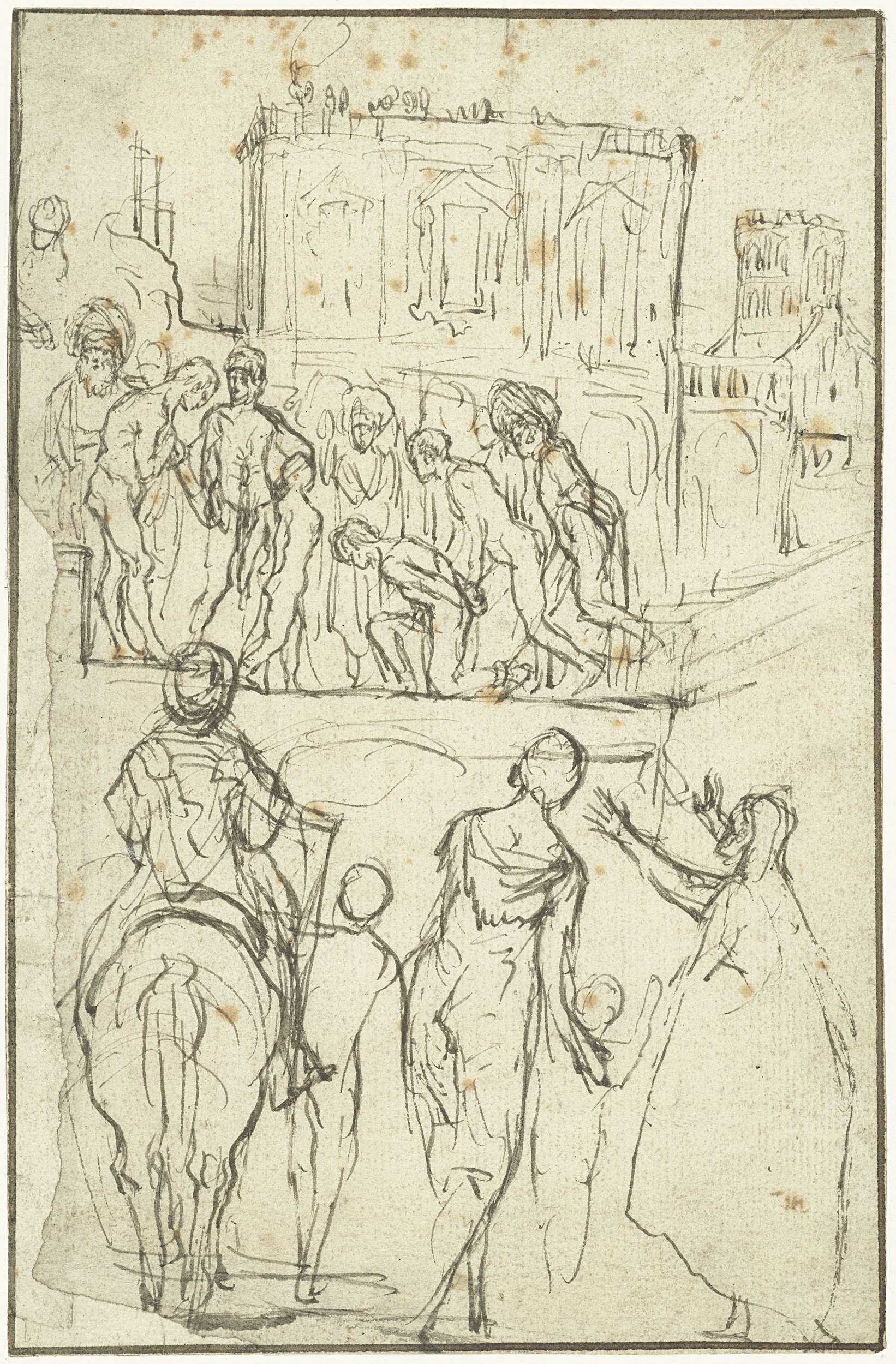
Twee staande mannen met tulbanden — History & Analysis
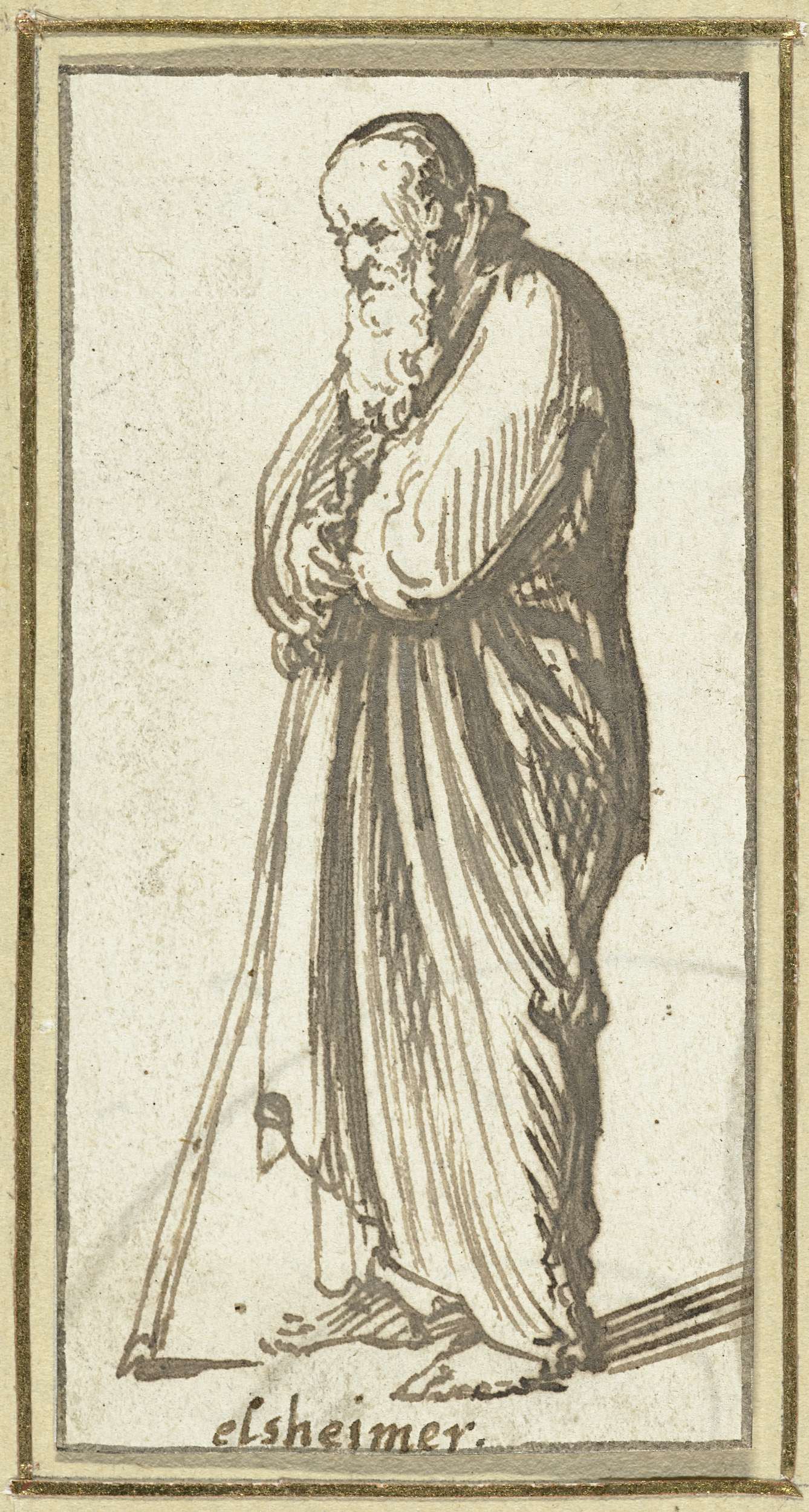
What secret hides in the quiet of the canvas? In the stillness captured by the brush, a world teeters on the edge of madness, whispering truths that linger just out of reach. Look to the left at the two standing figures adorned in their ornate turbans, each one encapsulated in a moment of contemplation. Notice how the soft glow of light glances off their faces, illuminating the intricate patterns of their garments, each stroke revealing the artist's meticulous attention to detail.
The deep, saturated colors evoke a sense of richness, while the subtle play of shadow invites the viewer to ponder the unspoken thoughts shared between them. Delve deeper into the expressions of the men; their eyes reflect a blend of wisdom and uncertainty, suggesting an internal battle between reason and irrationality. The delicate balance of their postures further emphasizes this tension, as if they are caught in a moment before a descendent into chaos. The background, rendered with muted hues, acts as a counterpoint to their vivid attire, suggesting the contrast between the vibrancy of life and the potential darkness that lies beneath the surface.
During the late 16th and early 17th centuries, Adam Elsheimer was immersed in artistic innovation while residing in Rome. This period marked a significant shift in European art, with a growing emphasis on realism and emotional depth. Yet, even as he flourished, Elsheimer faced personal struggles, including the pressures of a demanding artistic environment and the looming specter of madness that would later haunt him, mirroring the very essence captured in this work.