Bewoners van Sunda eilanden en zeeslag — History & Analysis
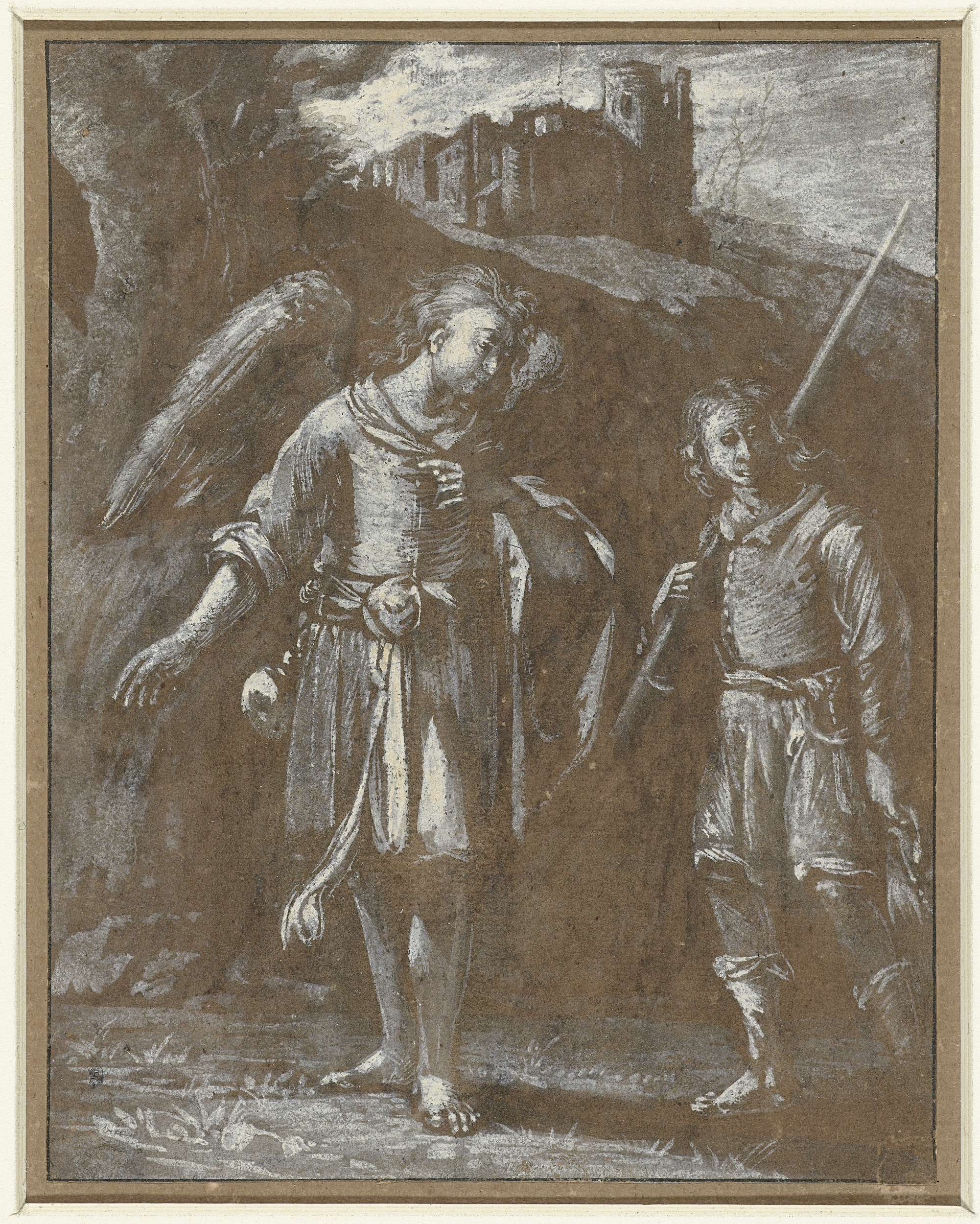
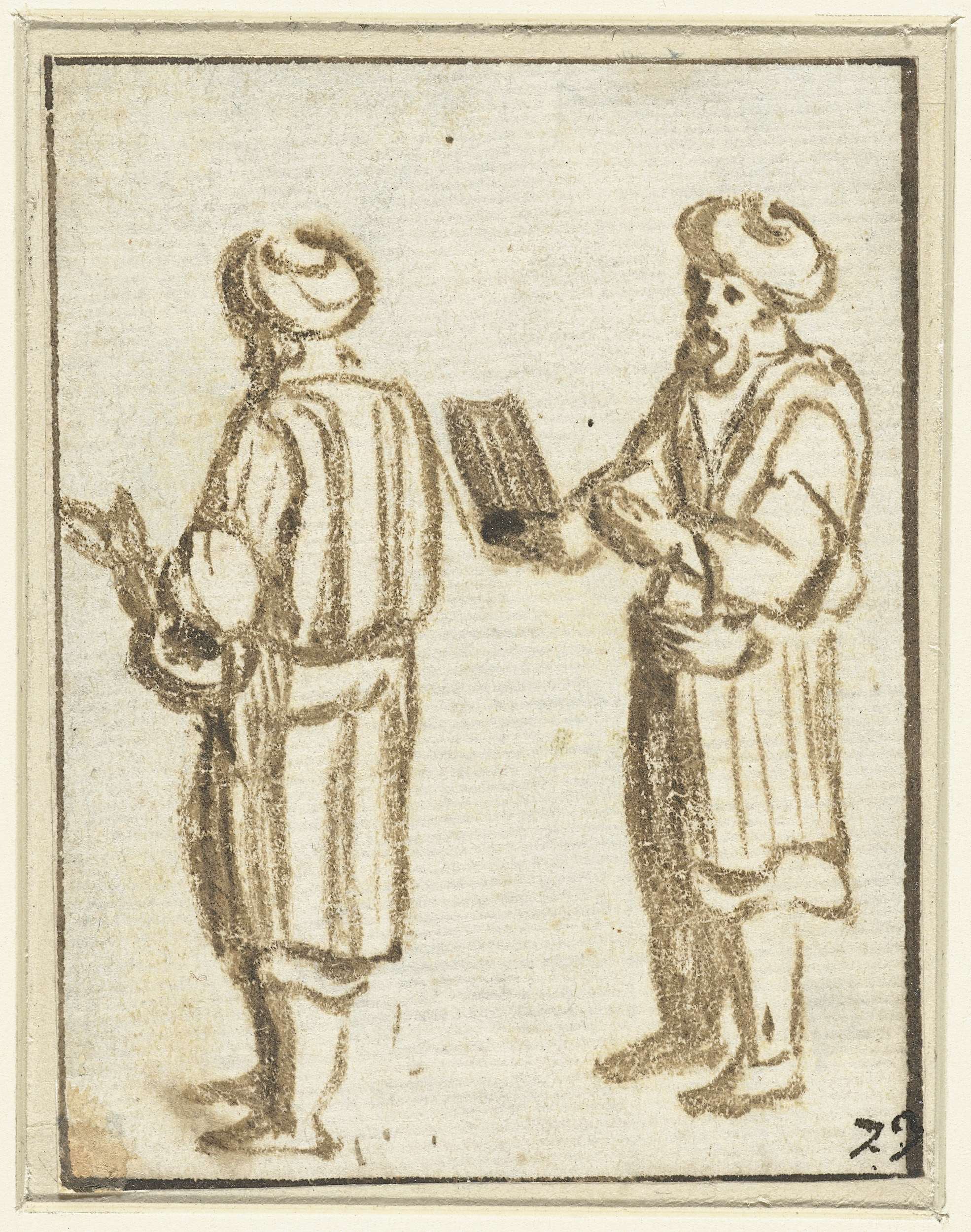
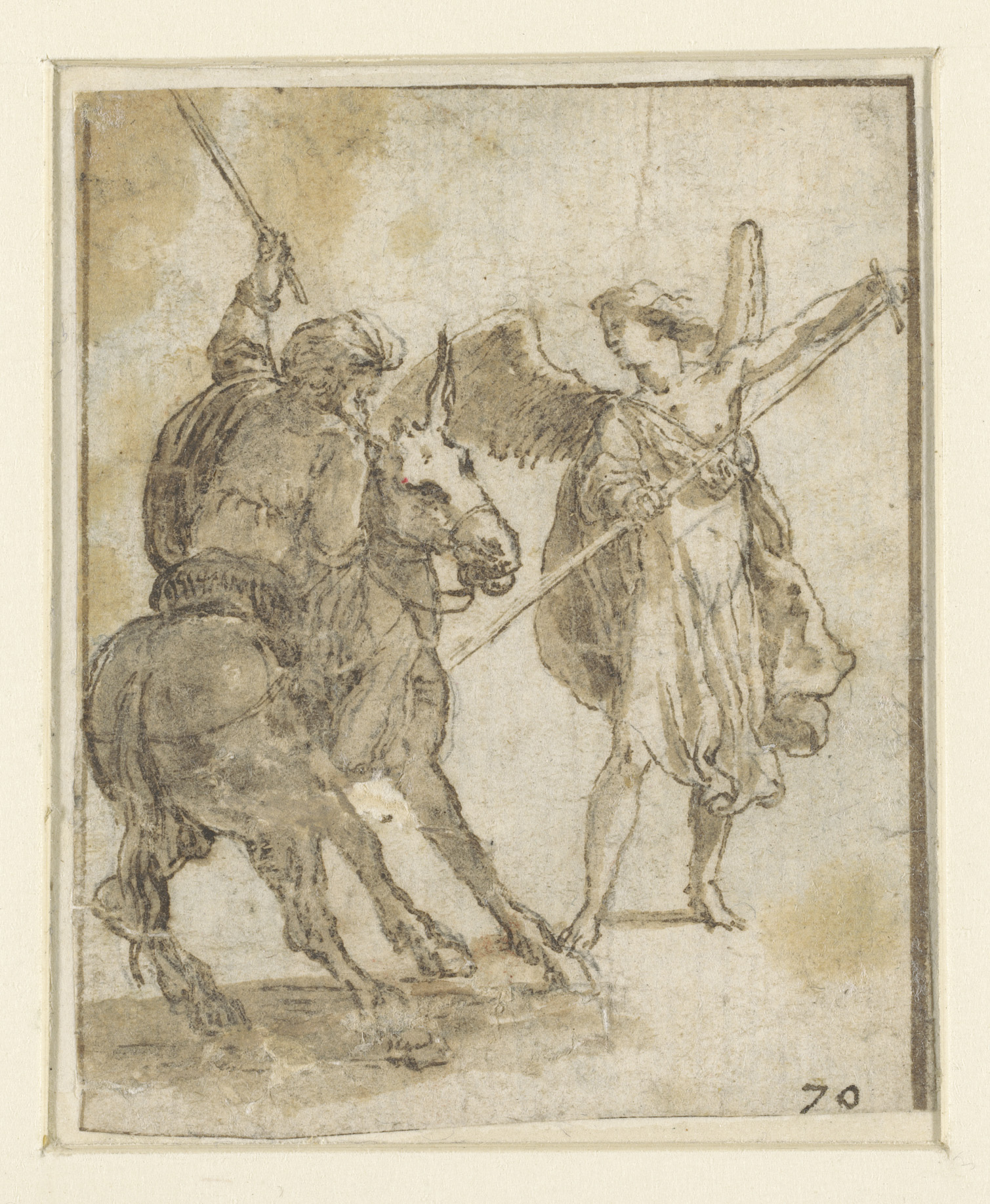
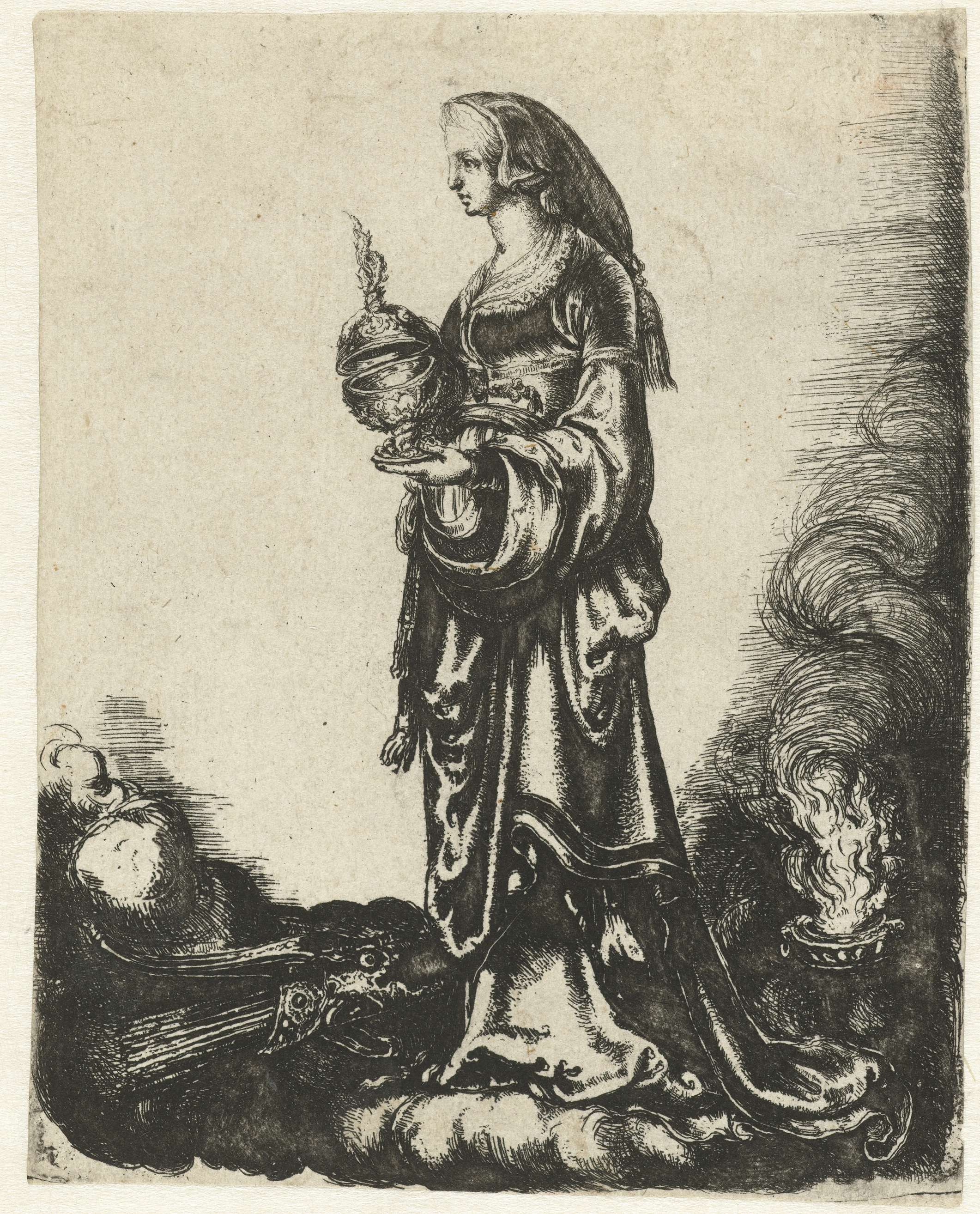
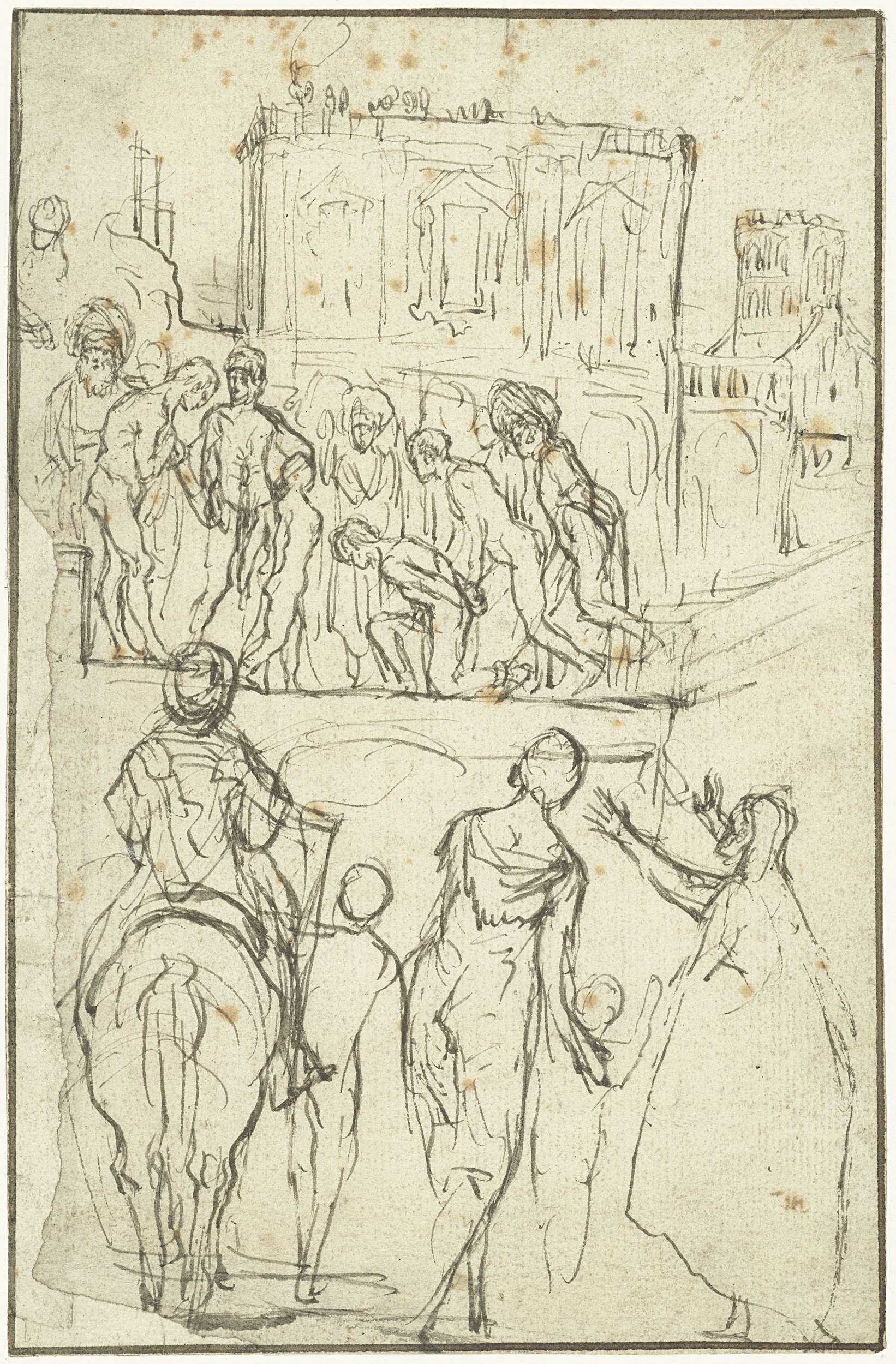
“To paint is to remember what time wants us to forget.” In the flicker of a dream, the essence of memory breathes life into the canvas, inviting us to traverse the boundaries of reality and imagination. Look closely at the intricate details of the foreground; notice how the figures are entwined in both harmony and tension. Their postures tell stories untold, interwoven with lush vegetation that flourishes around them. The muted yet vibrant palette of greens and earth tones evokes a sense of nostalgia, while the delicate brushwork captures the fleeting whispers of a past moment.
The way the light filters through the leaves creates a dappled effect, drawing our eyes deeper into this enchanting world. Yet, beneath the surface, the artwork reveals a profound dichotomy. The calmness of the scene belies an undercurrent of unrest, as the figures seem suspended between celebration and uncertainty. This tension reflects the duality of life on the Sunda Islands, where natural beauty coexists with the looming shadows of change.
Each detail, from the expressions of the inhabitants to the distant horizon, symbolizes the fragile equilibrium between heritage and transformation. In 1598, Adam Elsheimer created this work amidst a shifting artistic landscape, transitioning from Renaissance ideals to early Baroque expressions. Living in Rome, he was influenced by the burgeoning interest in dramatic light and emotional depth. The broader context of colonization and exploration during this period colored his perception of distant lands, making Bewoners van Sunda eilanden en zeeslag not just a snapshot of a moment, but a contemplative reflection on the passage of time and identity.