Saint Mark’s Basilica, Venice — History & Analysis
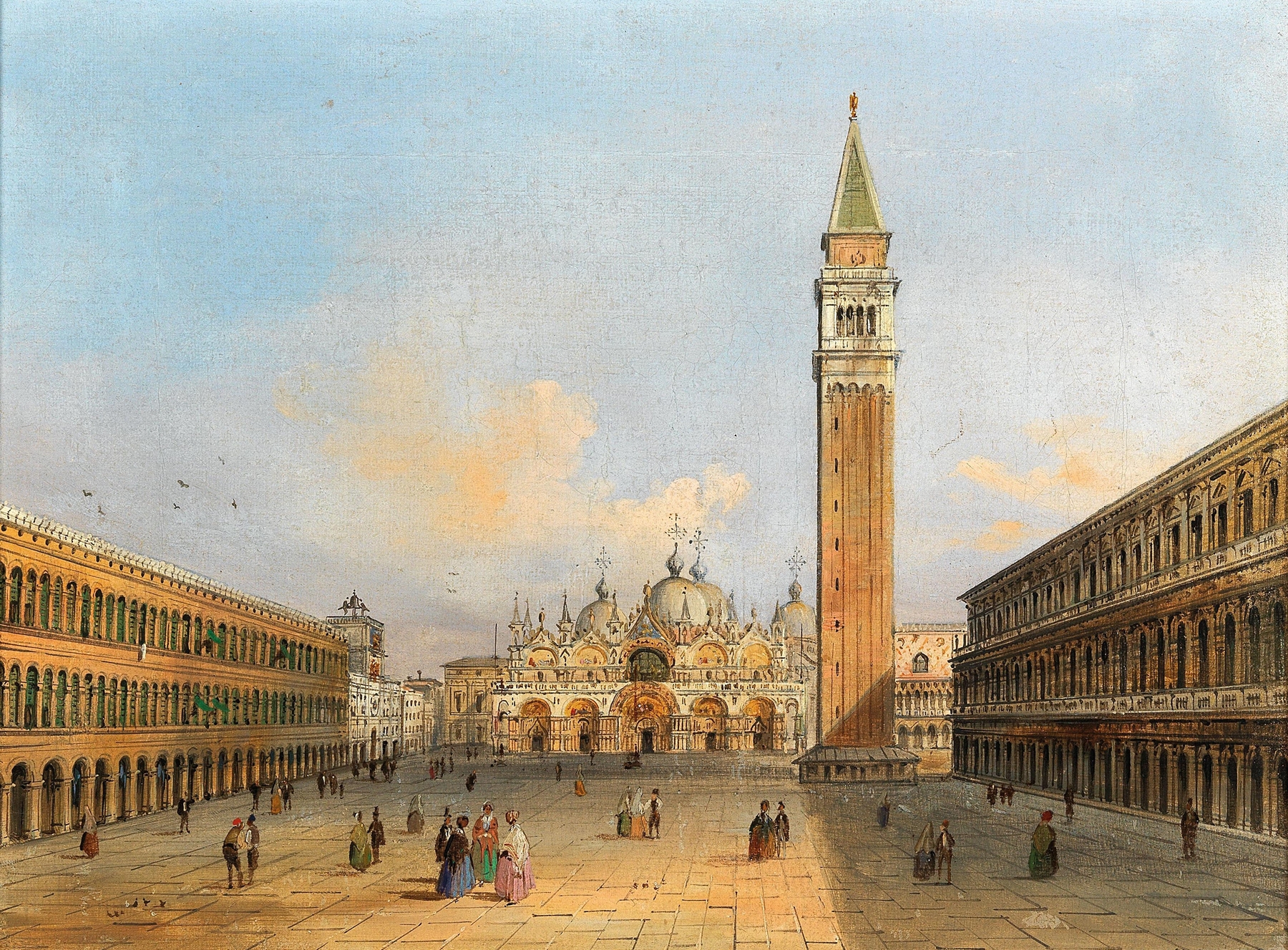
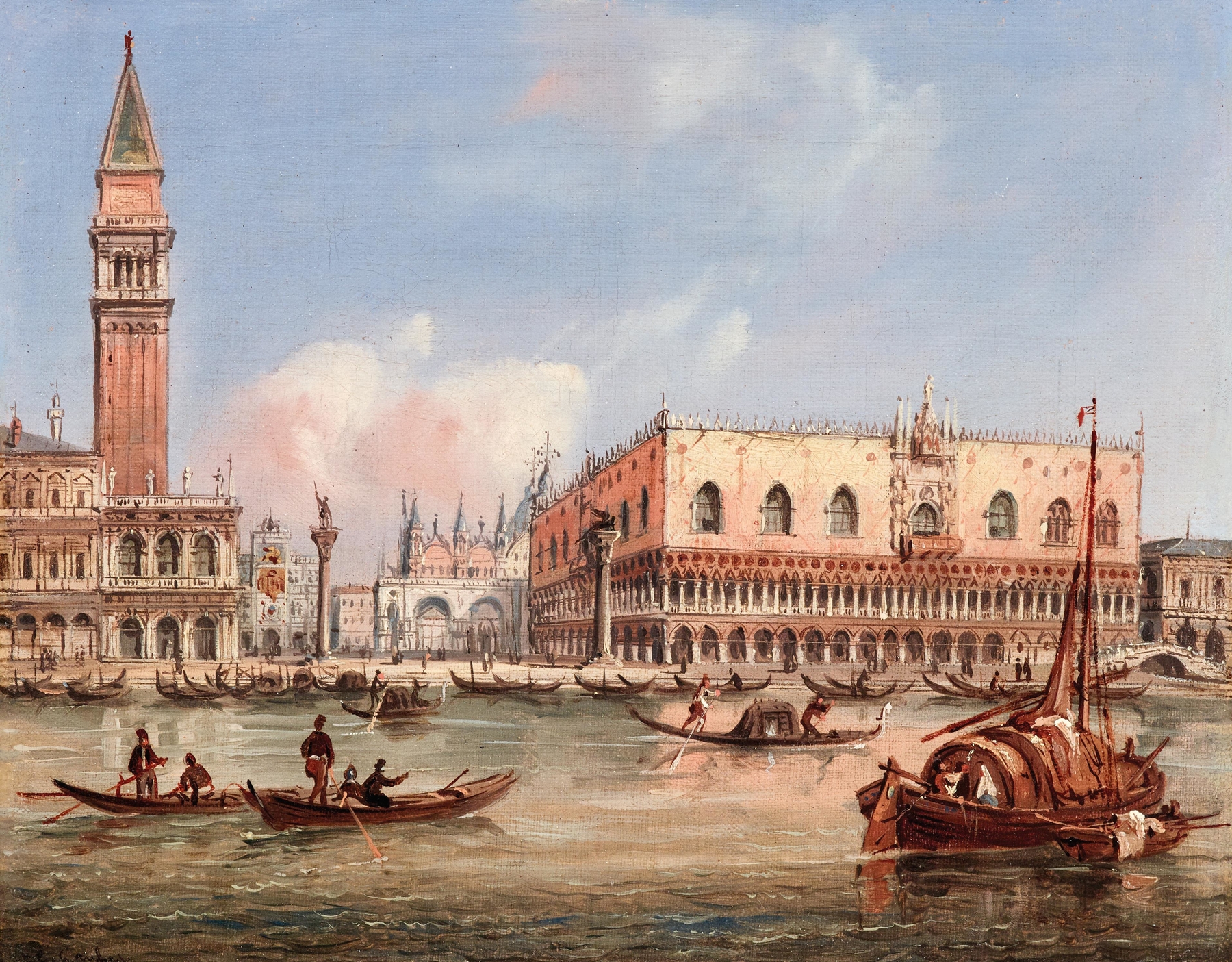
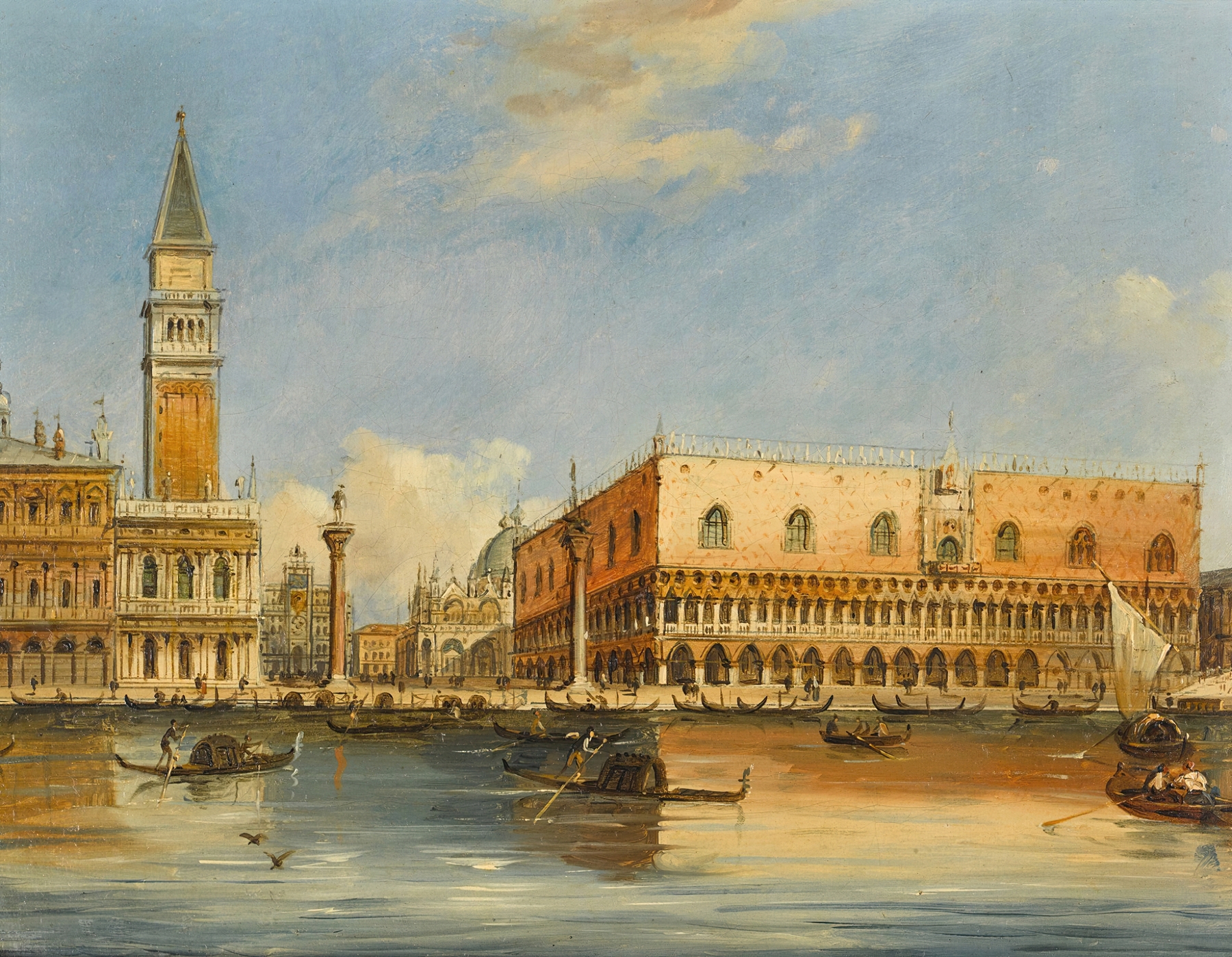
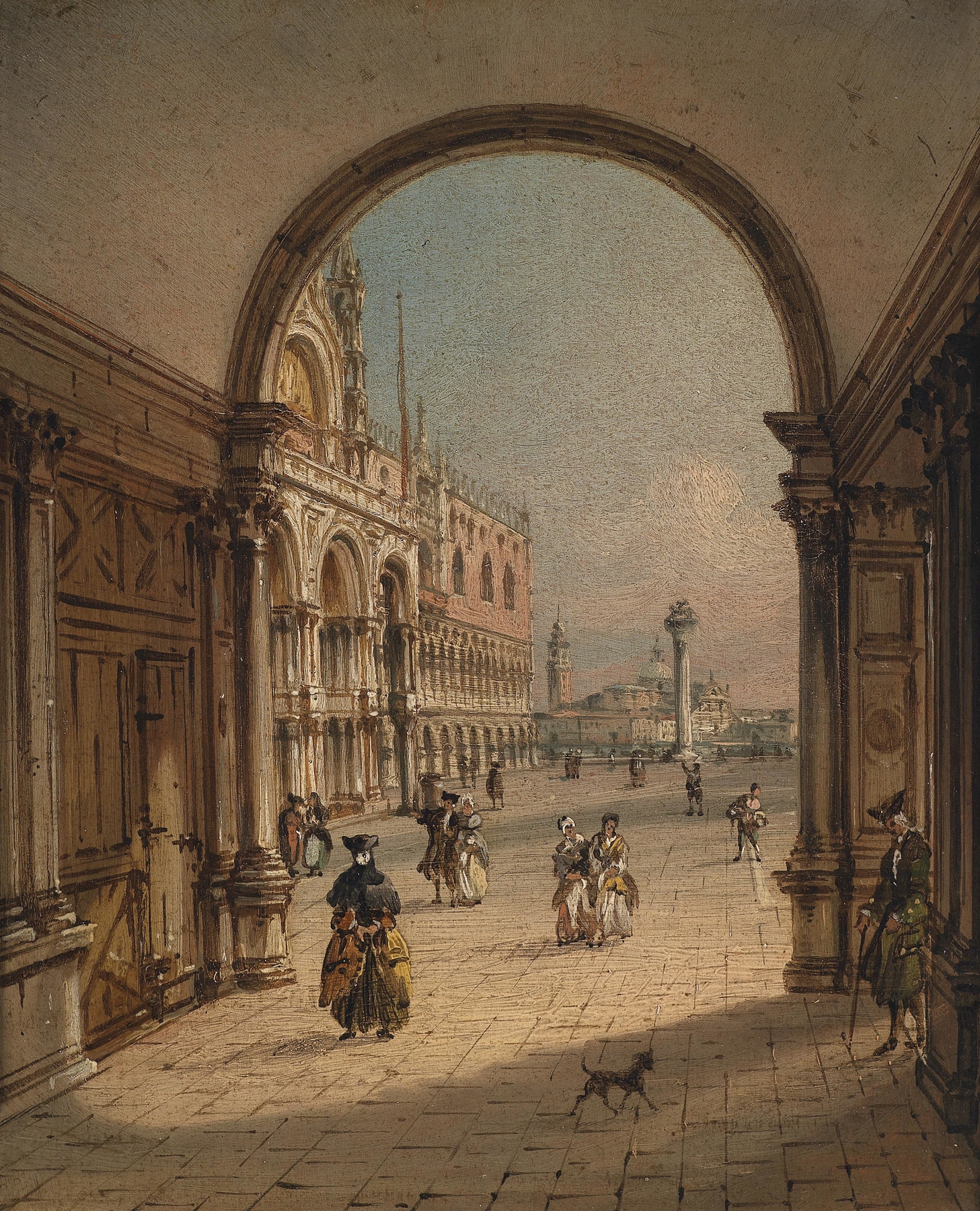
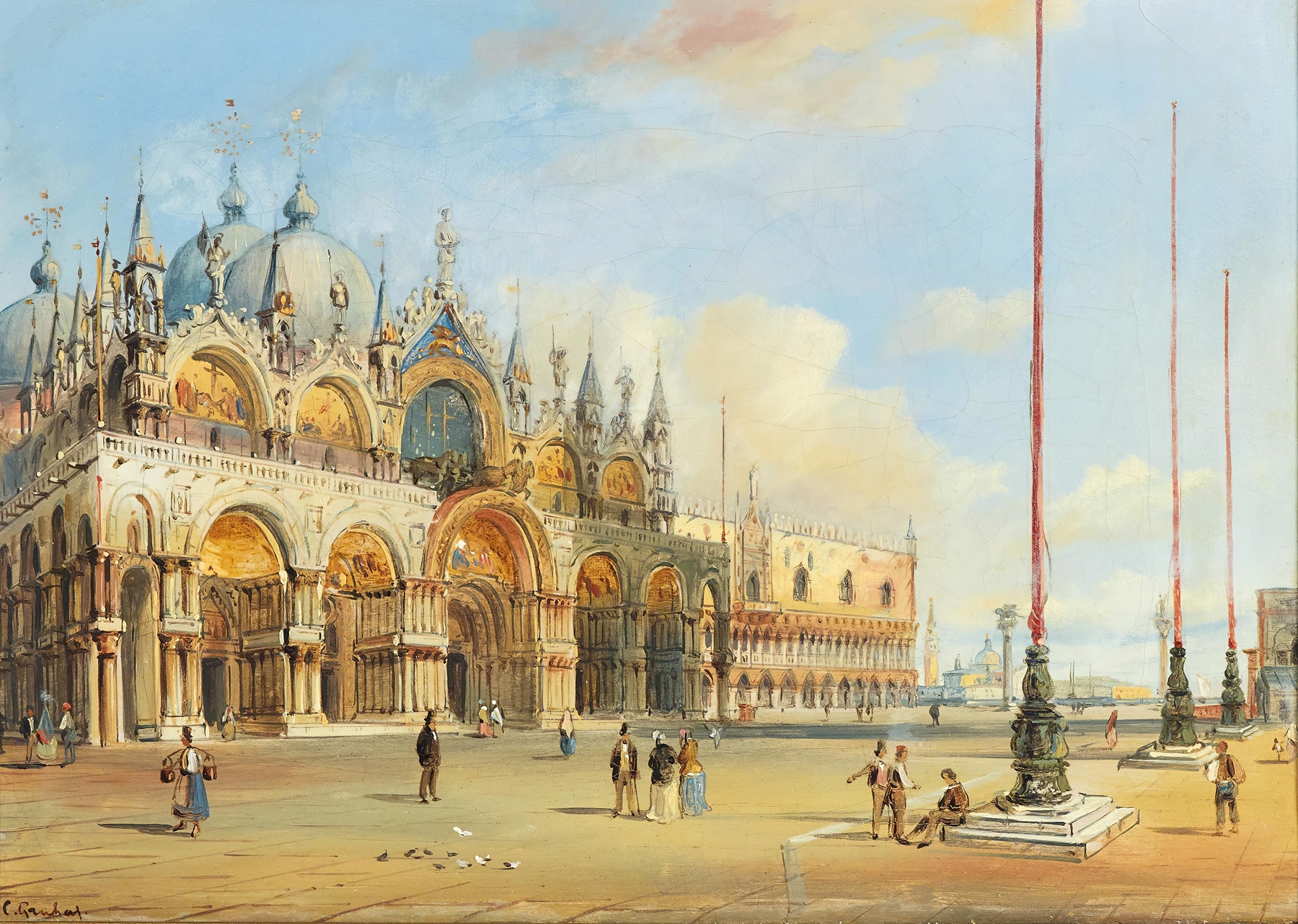
When did color learn to lie? Beneath the shimmering surface of Saint Mark’s Basilica, beauty dances on the edge of truth, inviting us to explore the depths of its vibrant hues. Look to the golden domes that rise majestically at the top; their opulence draws the eye first. The intricate mosaics, rendered in painstaking detail, blend shades of azure and gold, creating a celestial glow that envelops the entire composition. Notice how the light filters through the arched windows, casting delicate patterns on the stone and illuminating the figures below, as if the scene breathes in sync with the viewer.
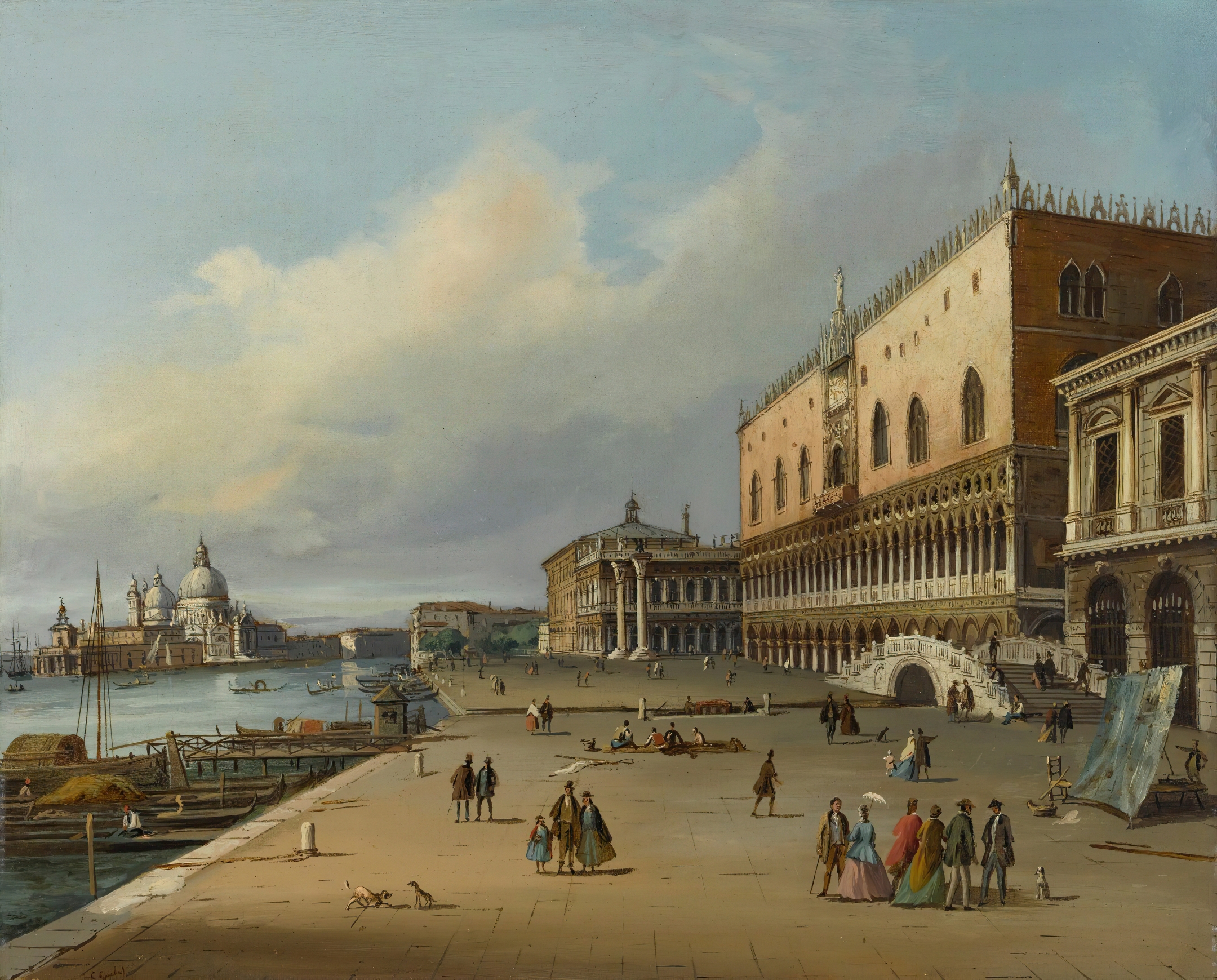
Each stroke of color seems alive, oscillating between reverence and the sacred, drawing us into a transcendent experience. Yet, within this tapestry of splendor lies a tension between the earthly and the divine. The serene expressions of the clergy juxtaposed with the bustling crowds outside remind us of the duality inherent in worship and celebration. The interplay of light and shadow reveals a deeper narrative—one of hope and aspiration, but also of the weight of history that these walls have witnessed.
Each element, from the towering spires to the smallest ornamentation, contributes to a mosaic of human experience, resonating with the heart's desire for connection to something greater. Carlo Grubacs painted this work during a time when Venice was a hub of artistic innovation, likely in the late 18th or early 19th century. Influenced by the grandeur of the city’s architecture and the vibrant cultural exchanges of its thriving economy, Grubacs sought to capture the spirit of his surroundings. This period marked a blending of classical themes with emerging Romantic ideals, reflecting a broader artistic movement that sought to evoke emotion through beauty and grandeur.