Sallow in Autumn — History & Analysis
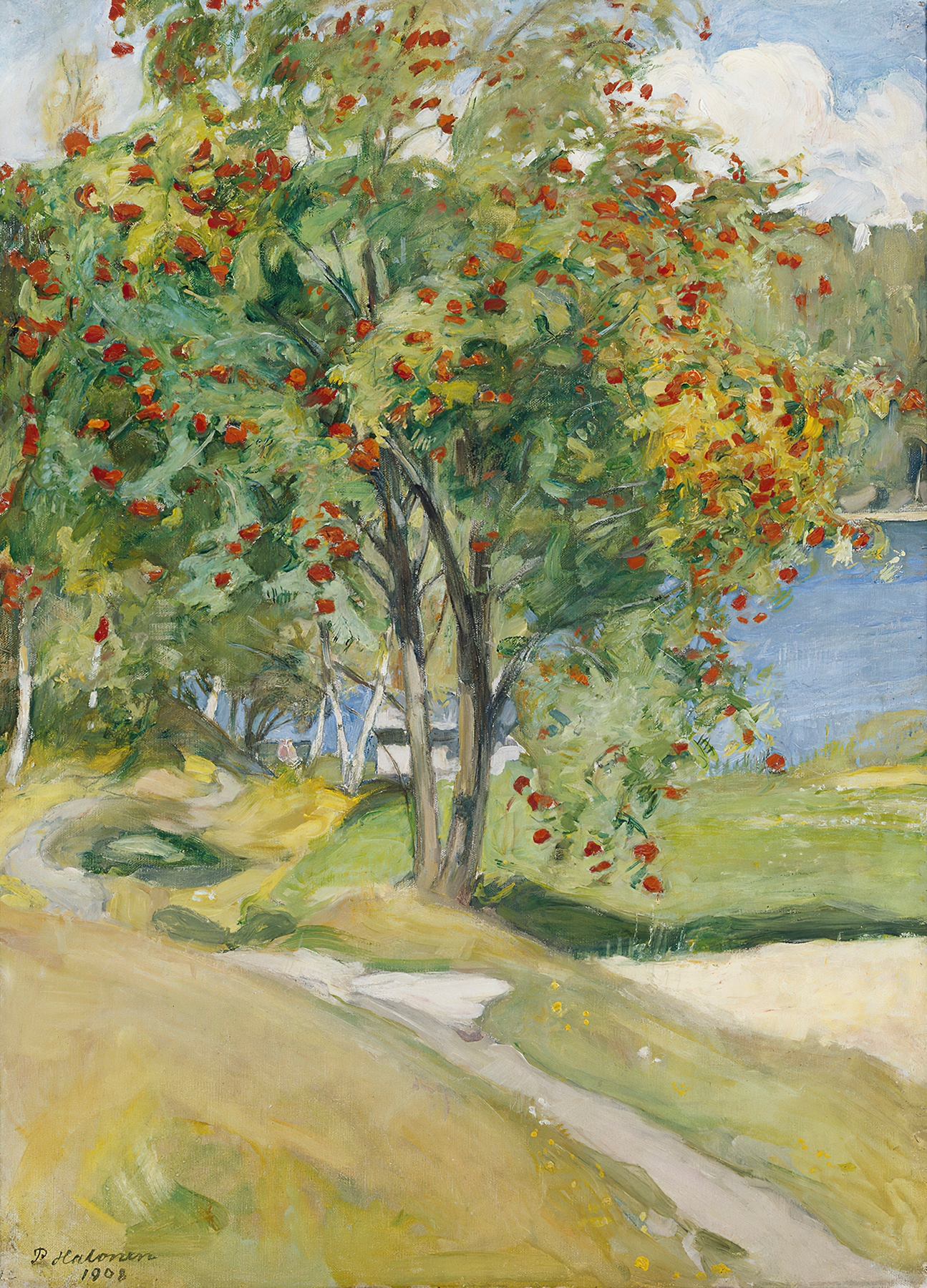
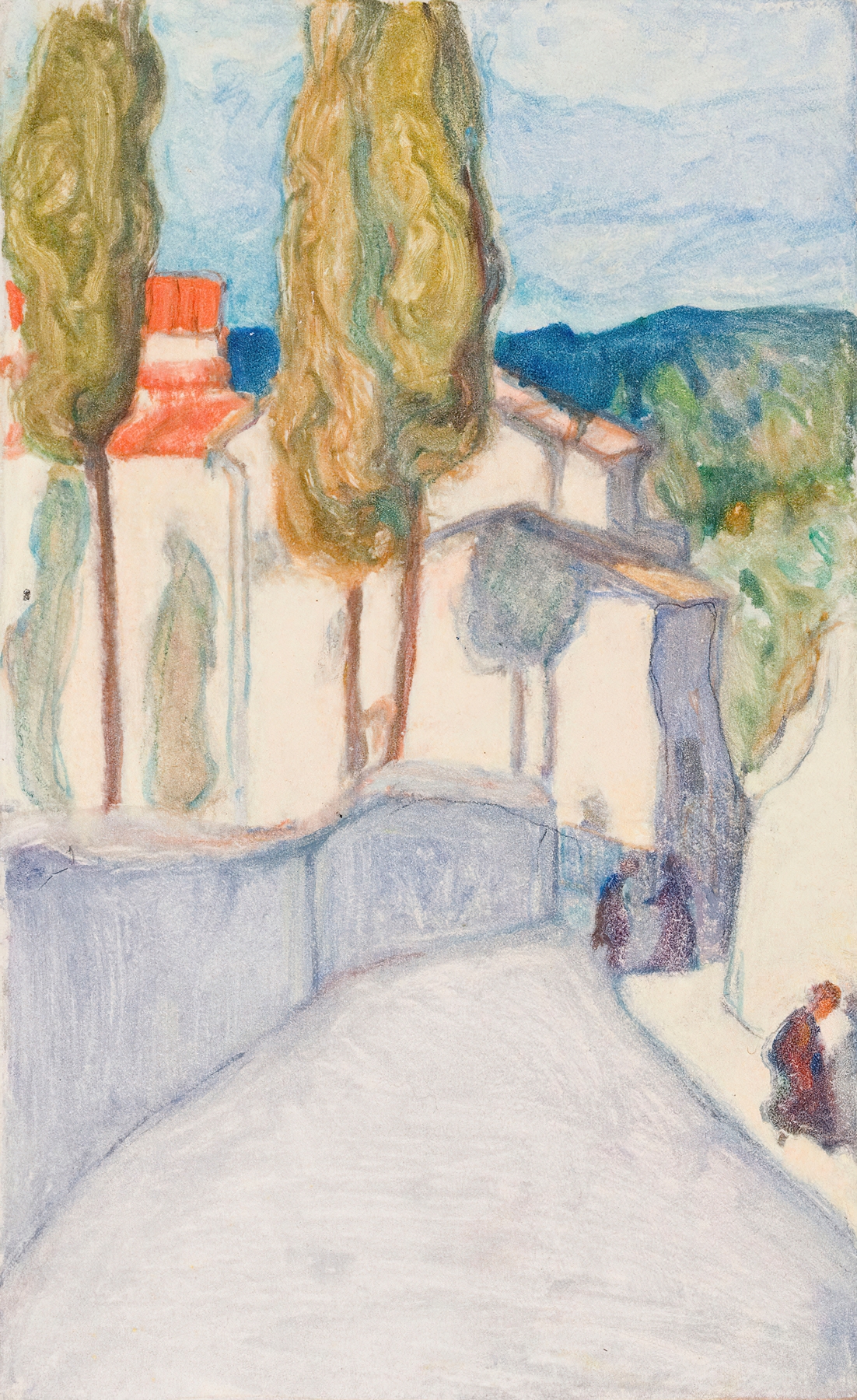
What if silence could speak through light? In Sallow in Autumn, the hushed whispers of the season's decay echo through a landscape tinged with the bittersweet colors of change. Look to the left at the sallow trees, their branches skeletal and bare, reaching toward a muted sky. Notice how the earthy browns and ochres blend harmoniously, while hints of golden sunlight filter through the leaves, illuminating the quiet beauty of this autumnal scene.
The soft brushstrokes create a sense of movement, as if the wind is gently urging the remnants of summer to fade away, coaxing the viewer deeper into the tranquility of the moment. Within this serene panorama lie layers of meaning, contrasting life and decay. The trees stand as sentinels of time, embodying the inevitability of transformation as they shed their vibrant foliage. This cycle of renewal and loss invokes a subtle melancholy, reminding us of the beauty inherent in impermanence.
The gentle play of light further emphasizes the tension between vitality and surrender, crafting an emotional narrative that resonates deeply with those who have experienced the bittersweet nature of change. Pekka Halonen created Sallow in Autumn in 1907 while living in Finland, a period marked by a burgeoning national identity and an increasing interest in nature's role in art. The artist was influenced by the Symbolist movement, and he sought to express the emotional weight of landscapes infused with personal significance. At this time, Halonen was honing his unique style, blending realism with a touch of romanticism, reflecting both his personal journey and the cultural zeitgeist of the era.