Santa Maria della Salute, Venice — History & Analysis
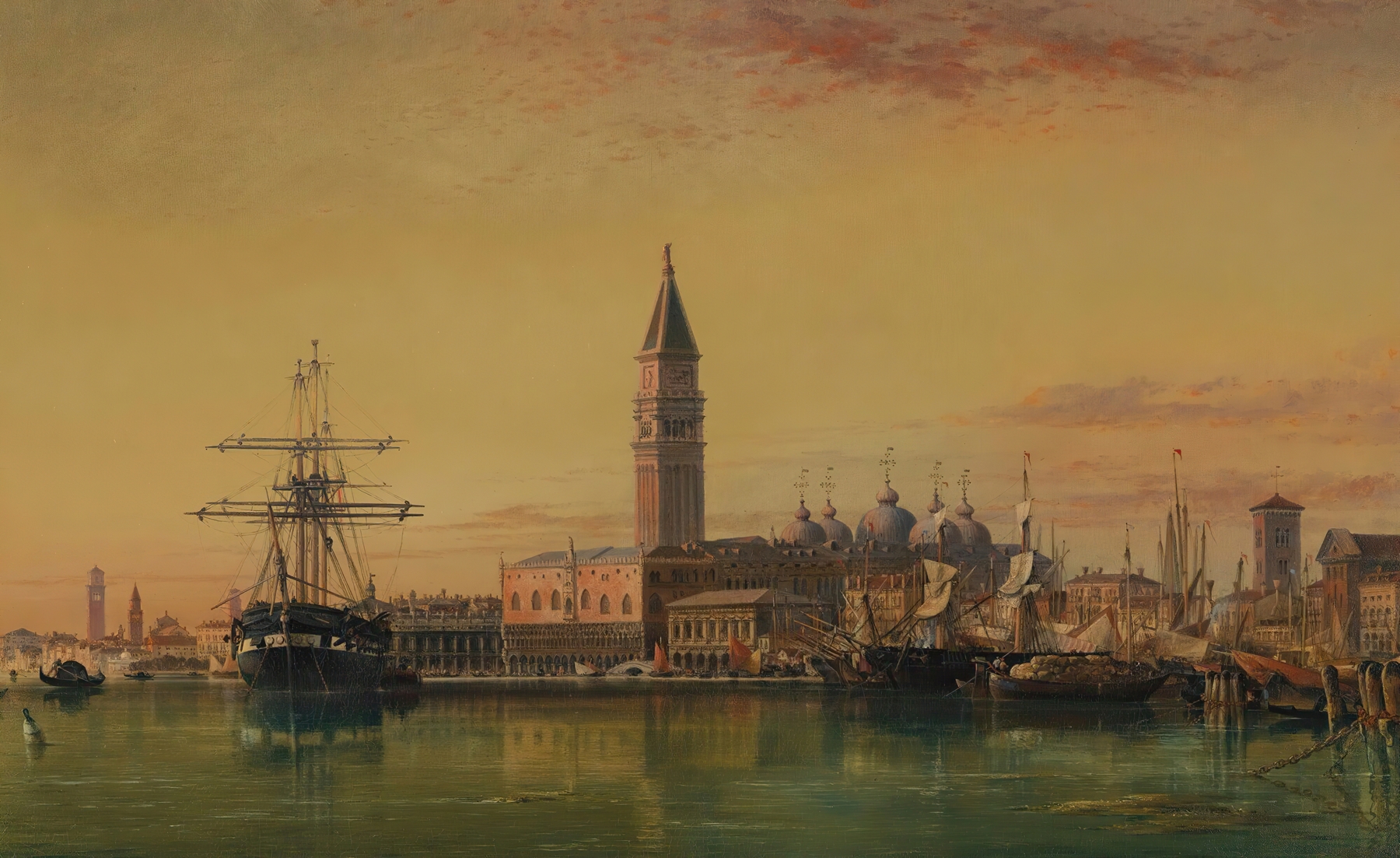
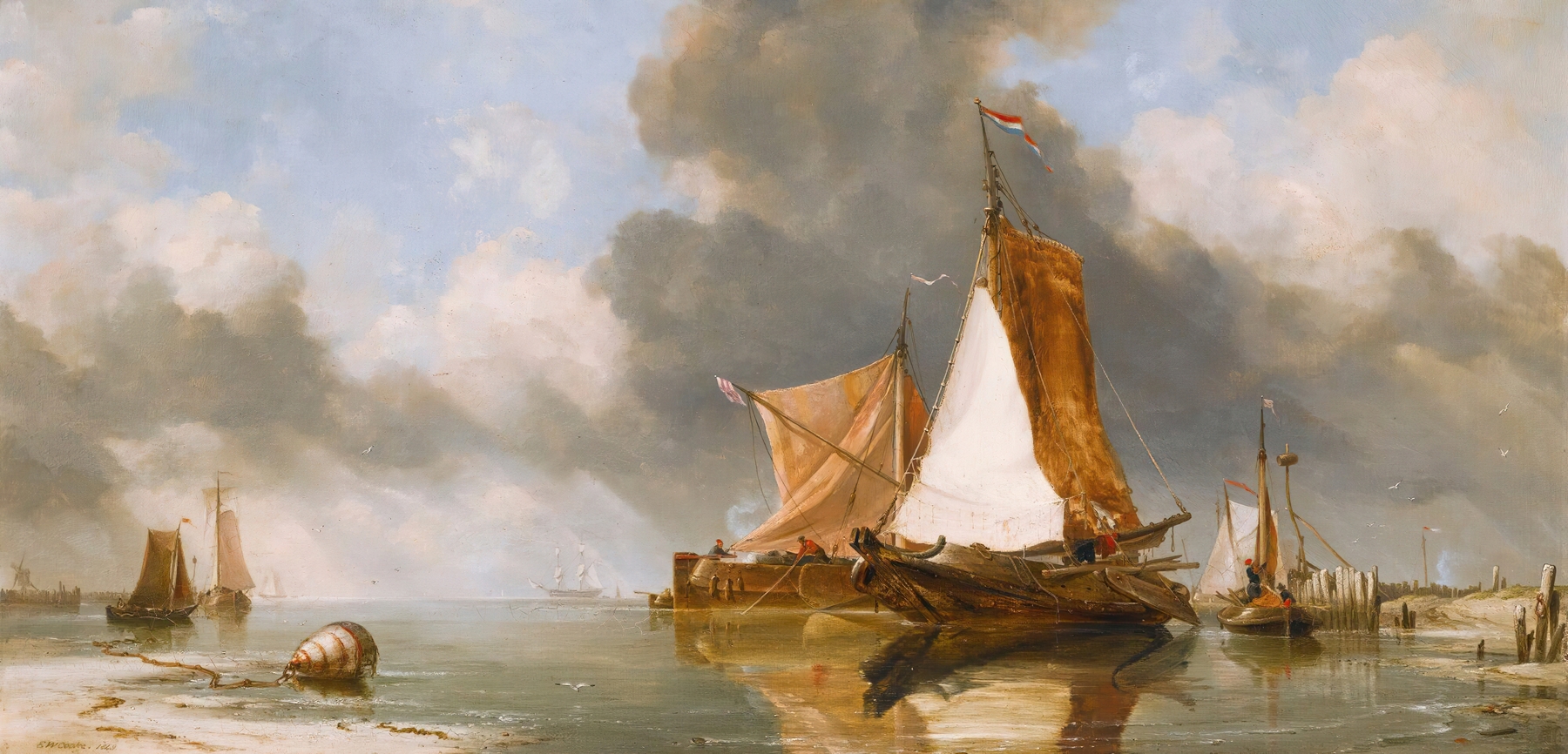
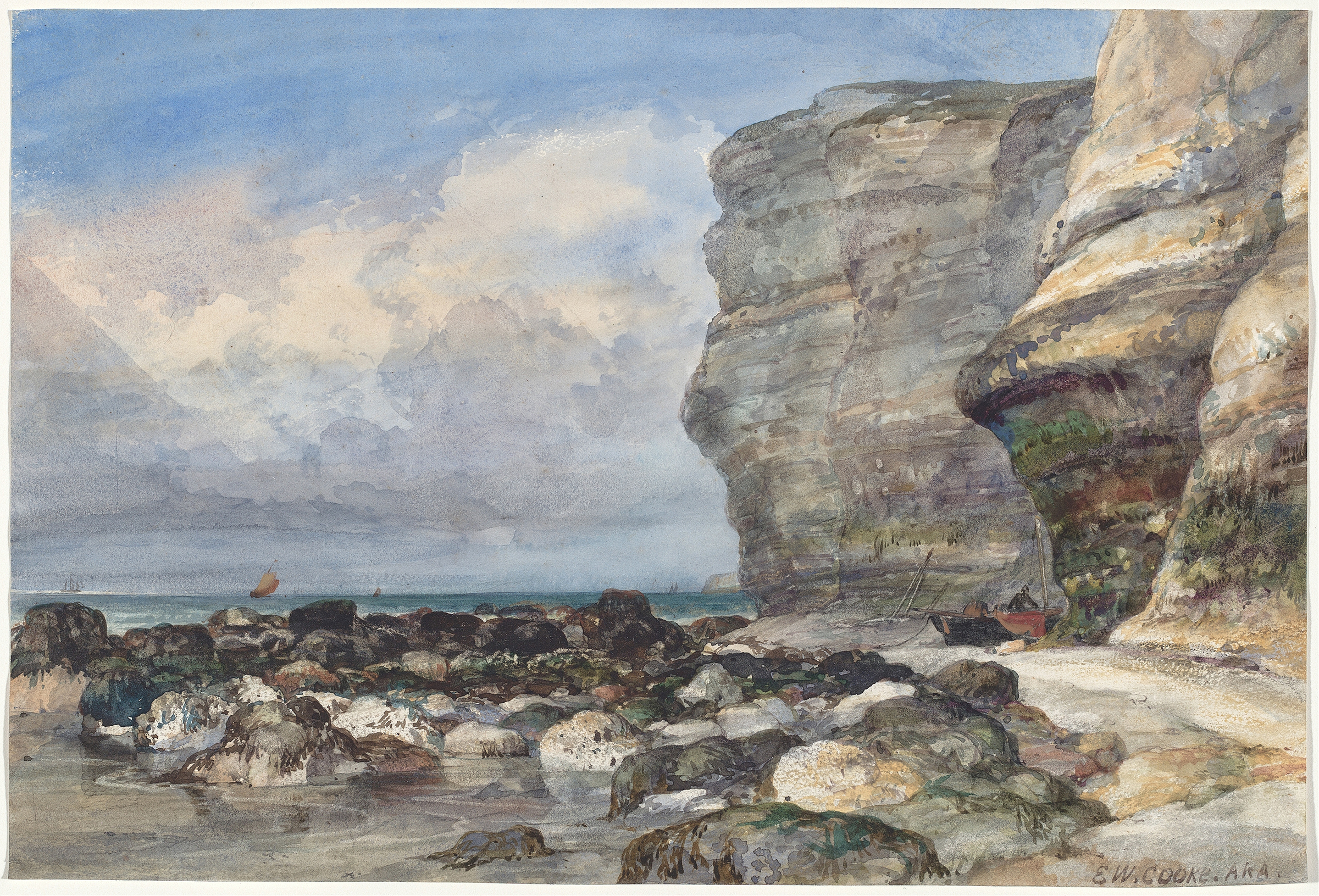
“Every brushstroke is a heartbeat remembered.” In a world on the cusp of revolution, how do we capture the essence of change while honoring the past? Look to the forefront of the canvas, where the grand façade of Santa Maria della Salute rises majestically, framed by the shimmering waters of the Grand Canal. The interplay of soft blues and vibrant whites creates an ethereal glow, inviting the viewer’s gaze to dance across the intricate details of the church’s dome. Notice how the gentle ripples of water reflect the warm sunlight and the cool shadows, a visual dialogue that enhances the architectural beauty and breathes life into the scene.
Beneath this harmonious beauty lies a tension between tradition and the imminent shift of society. The calm waters seem to mask the undercurrents of change sweeping through Venice, as the church stands not just as a place of worship but also as a silent witness to history. The vibrant colors evoke a sense of hope and renewal, while the meticulously rendered structures symbolize resilience amidst uncertainty, reminding us that even in tumultuous times, beauty endures.
In the years following 1850, the artist found himself in Venice, where the age of Romanticism was giving way to modernity. Cooke, captivated by the city’s architectural grandeur and cultural essence, sought to immortalize its spirit as industrialization began to reshape society. This painting emerged during a period of personal exploration for him, reflecting both his admiration for the city and the broader transformations occurring within the art world.