Sea off the Coast, with Spritsail Barge — History & Analysis
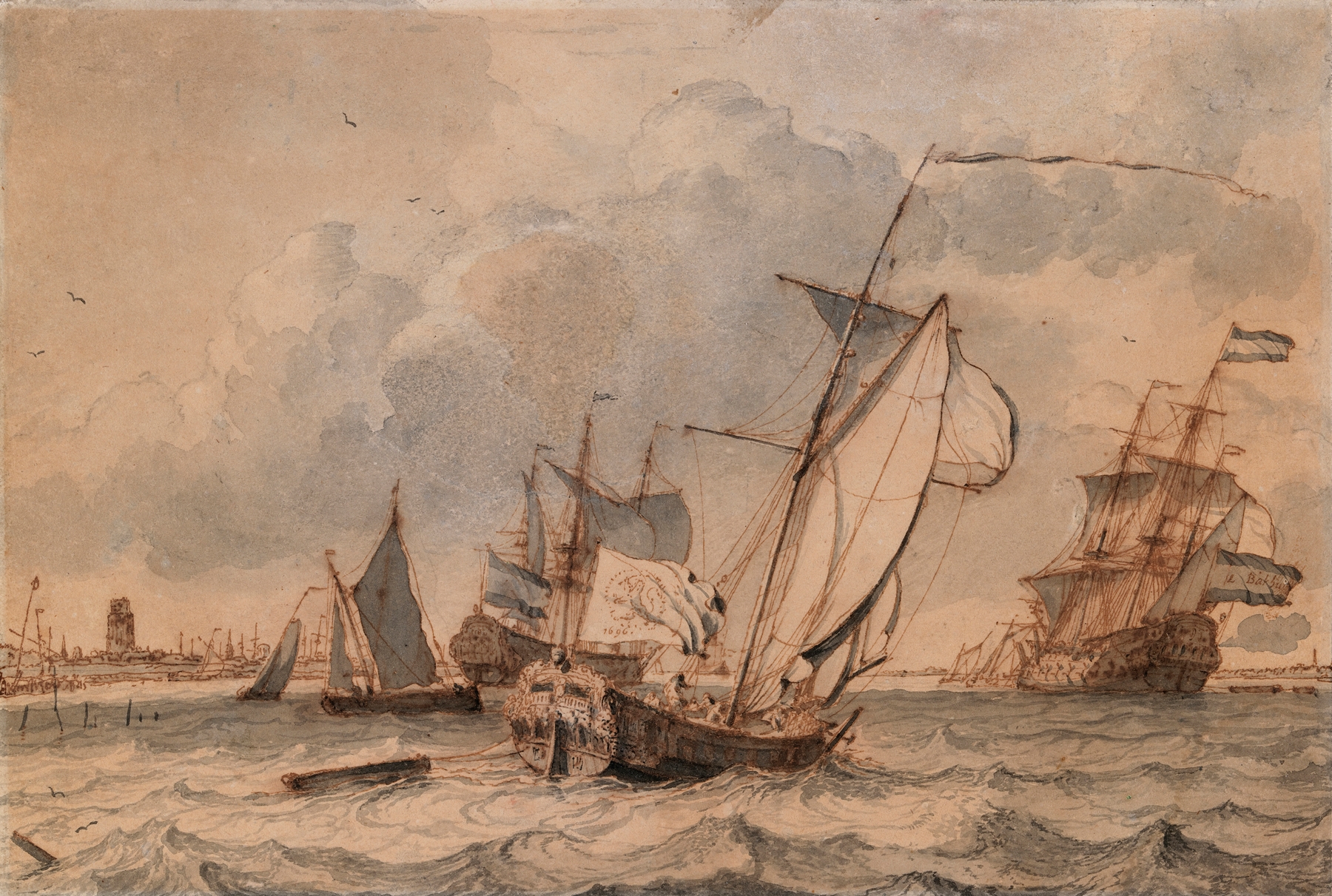
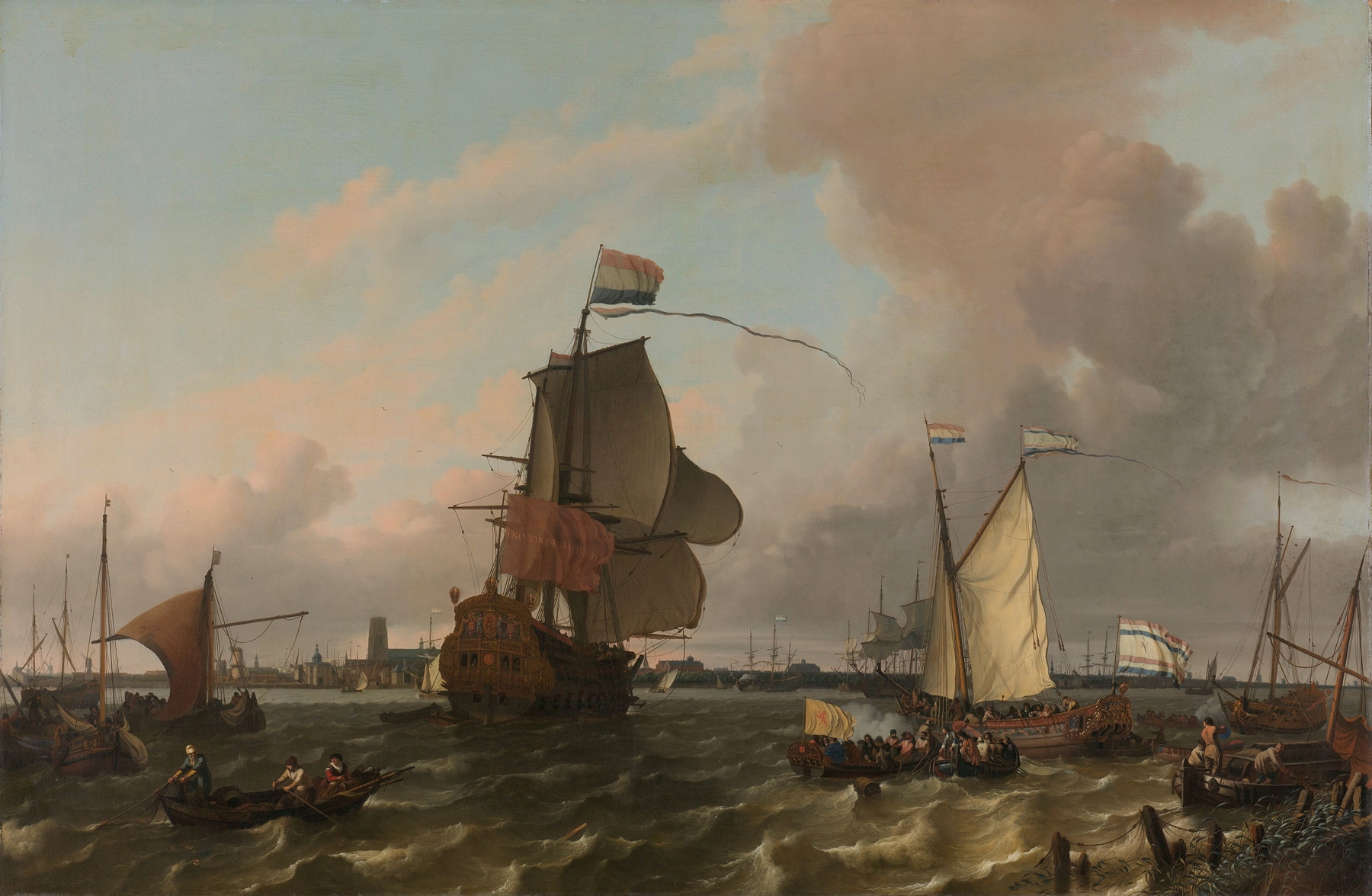
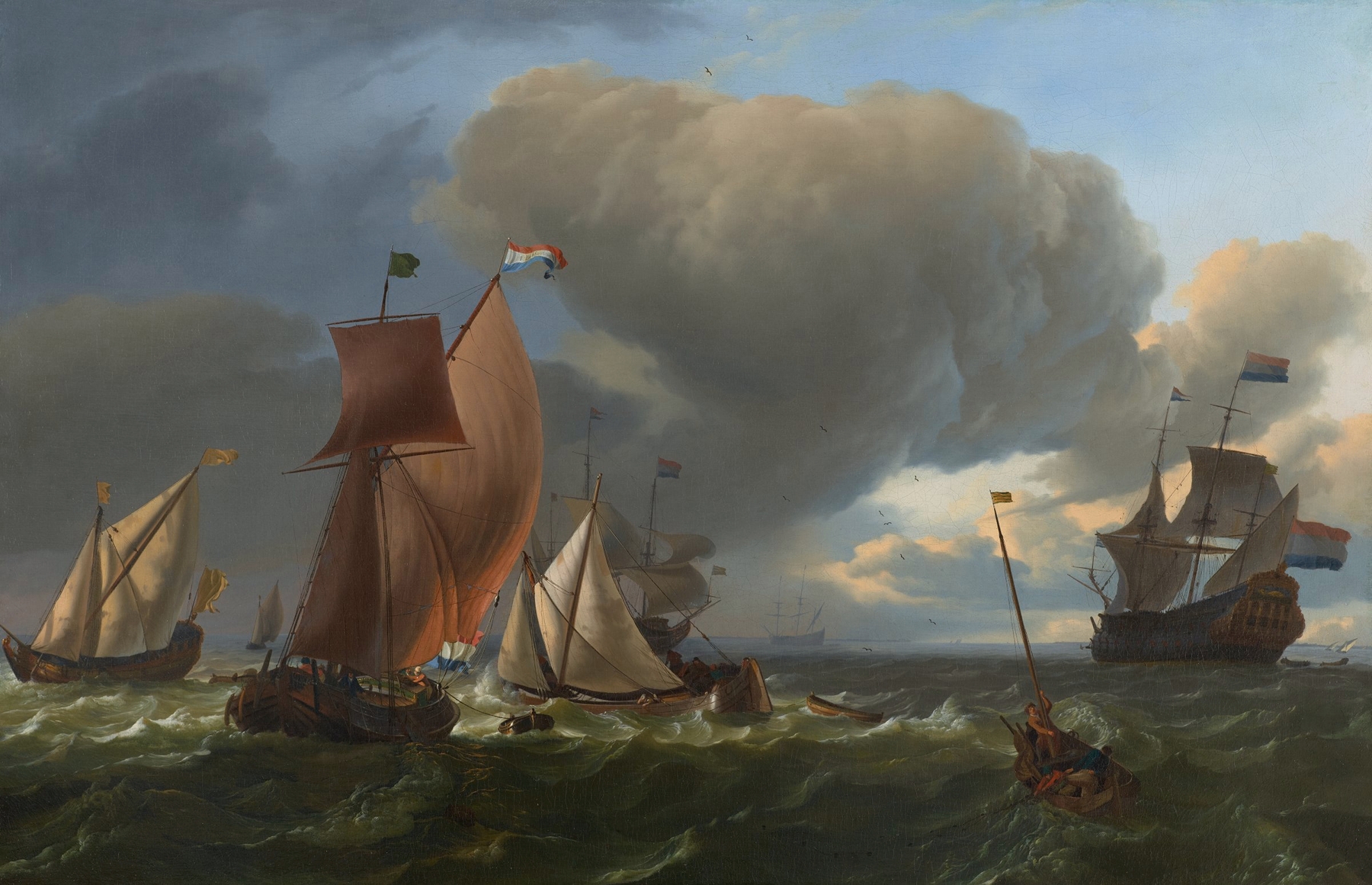
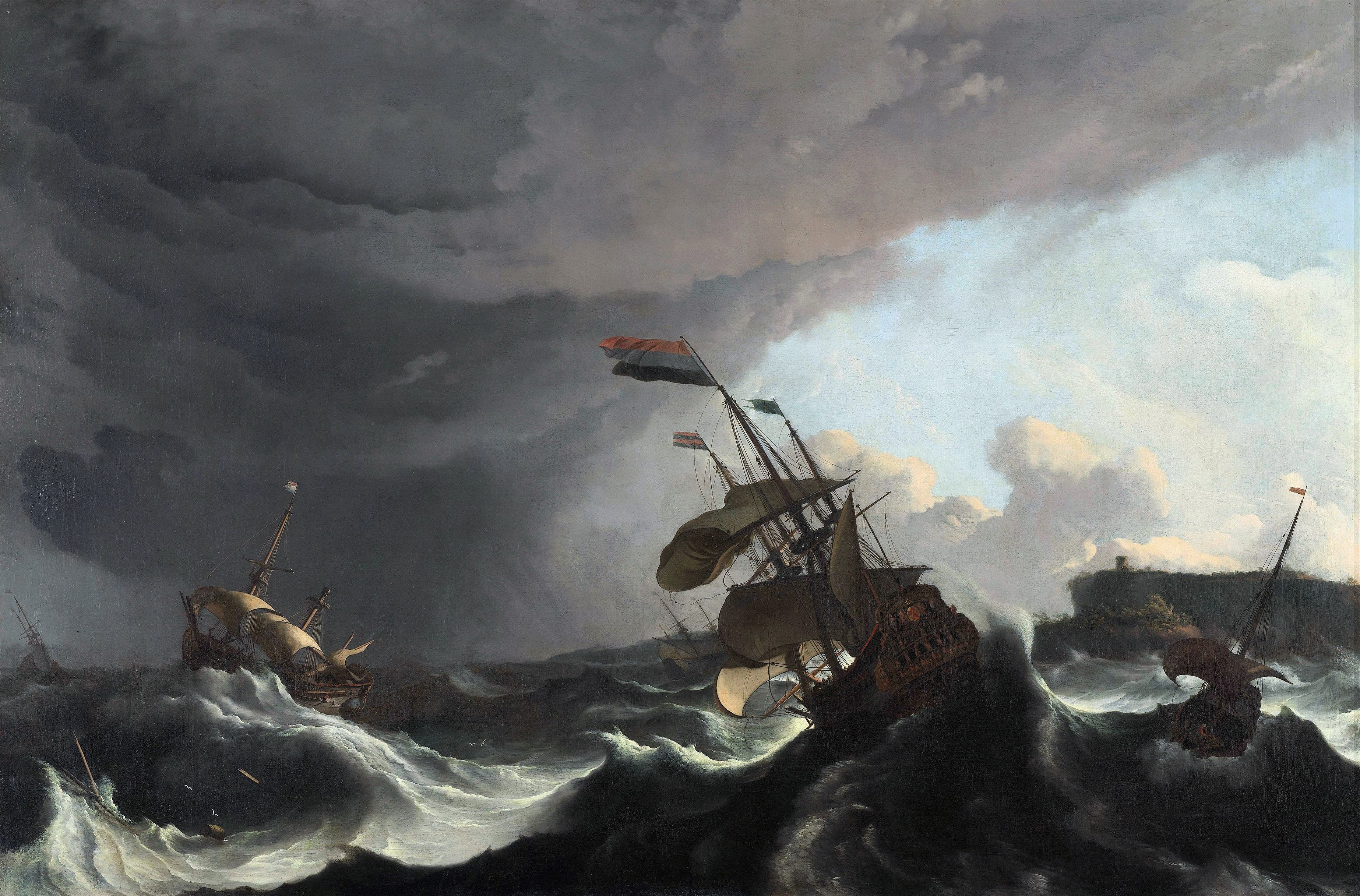
What if beauty was never meant to be finished? In the expansive canvas of Sea off the Coast, with Spritsail Barge, a poignant tension emerges — a reminder that even the most serene landscapes are subject to the relentless march of time. Look to the left at the spritsail barge, its sails billowing majestically against the crisp azure sky. The meticulous brushwork captures every ripple of the water, enhancing the feeling of movement and life.
Notice how the sunlight dances on the surface, revealing an interplay of shadows that evoke both tranquility and a subtle sense of decay. The horizon blurs slightly, suggesting the transient nature of the moment, as if it is slipping away even as you gaze upon it. At first glance, the painting appears to celebrate the grandeur of the maritime scene, yet a deeper contemplation reveals an underlying fragility. The clouds above carry whispers of an impending storm, foreshadowing the inevitable decay that follows beauty.
The juxtaposition of the barge’s solidity against the fluidity of the sea captures the duality of existence — something may thrive today, but tomorrow it may be reclaimed by the very elements that nourished it. During 1697, when this piece was created, Backhuysen was flourishing in the Dutch Golden Age, a time marked by both artistic innovation and the challenges of a changing world. His work reflected the maritime prowess of the Netherlands, yet it also hinted at the fragile beauty of nature, as global trade brought both prosperity and the looming specter of environmental decay. In this context, such a painting becomes not only a celebration of beauty but a poignant statement on its impermanence.