Shah-i-Zinda Mausoleum in Samarkand — History & Analysis
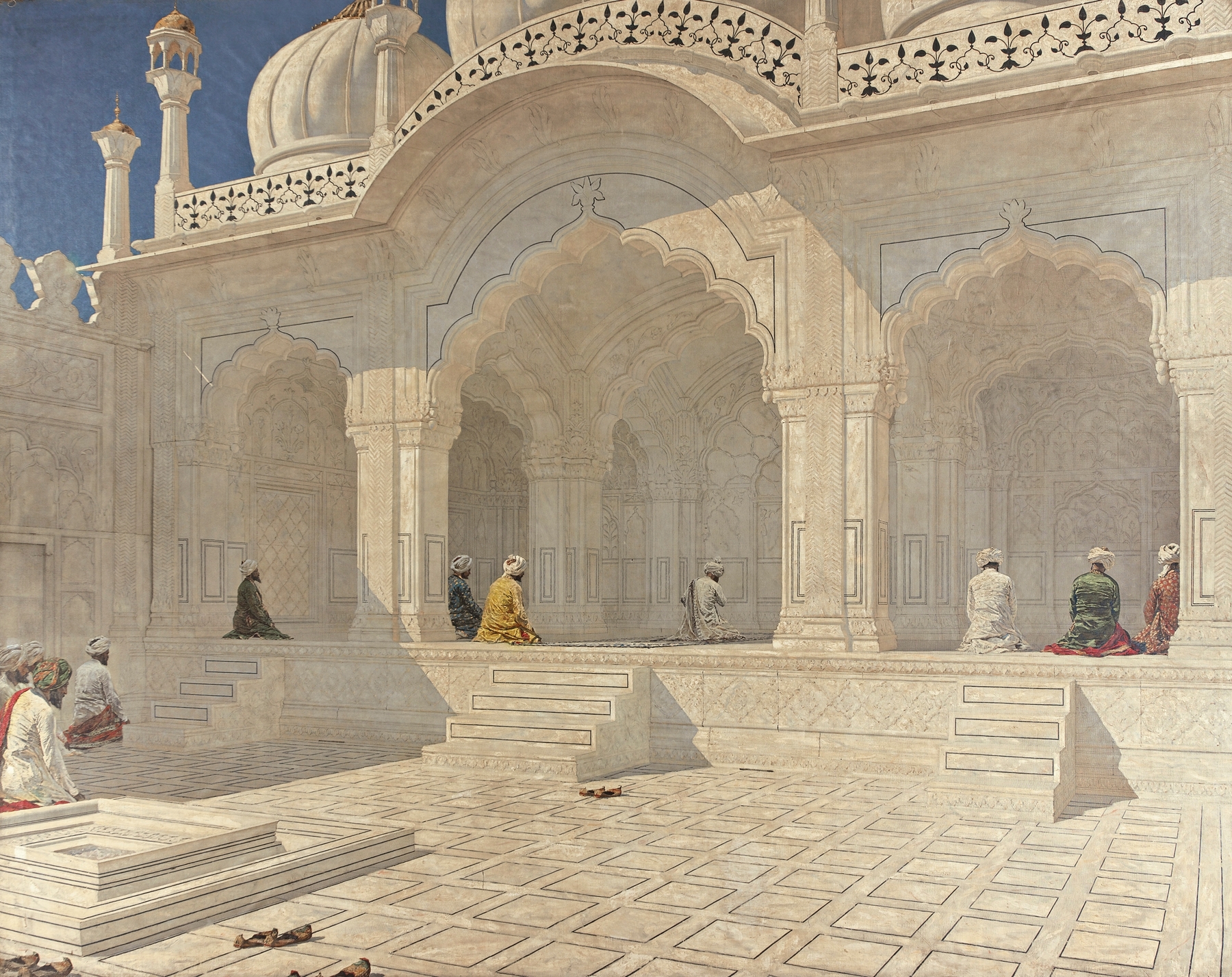
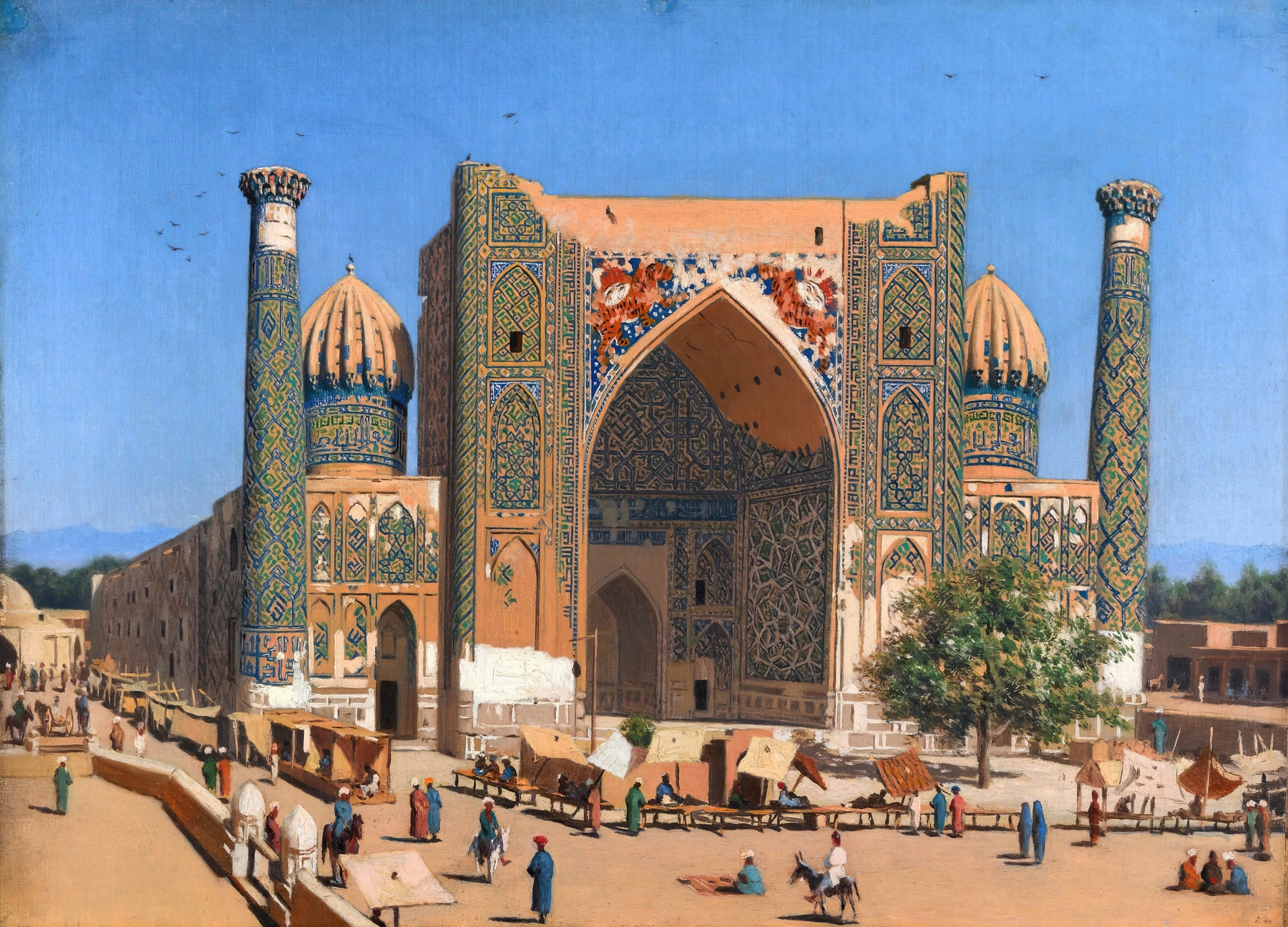
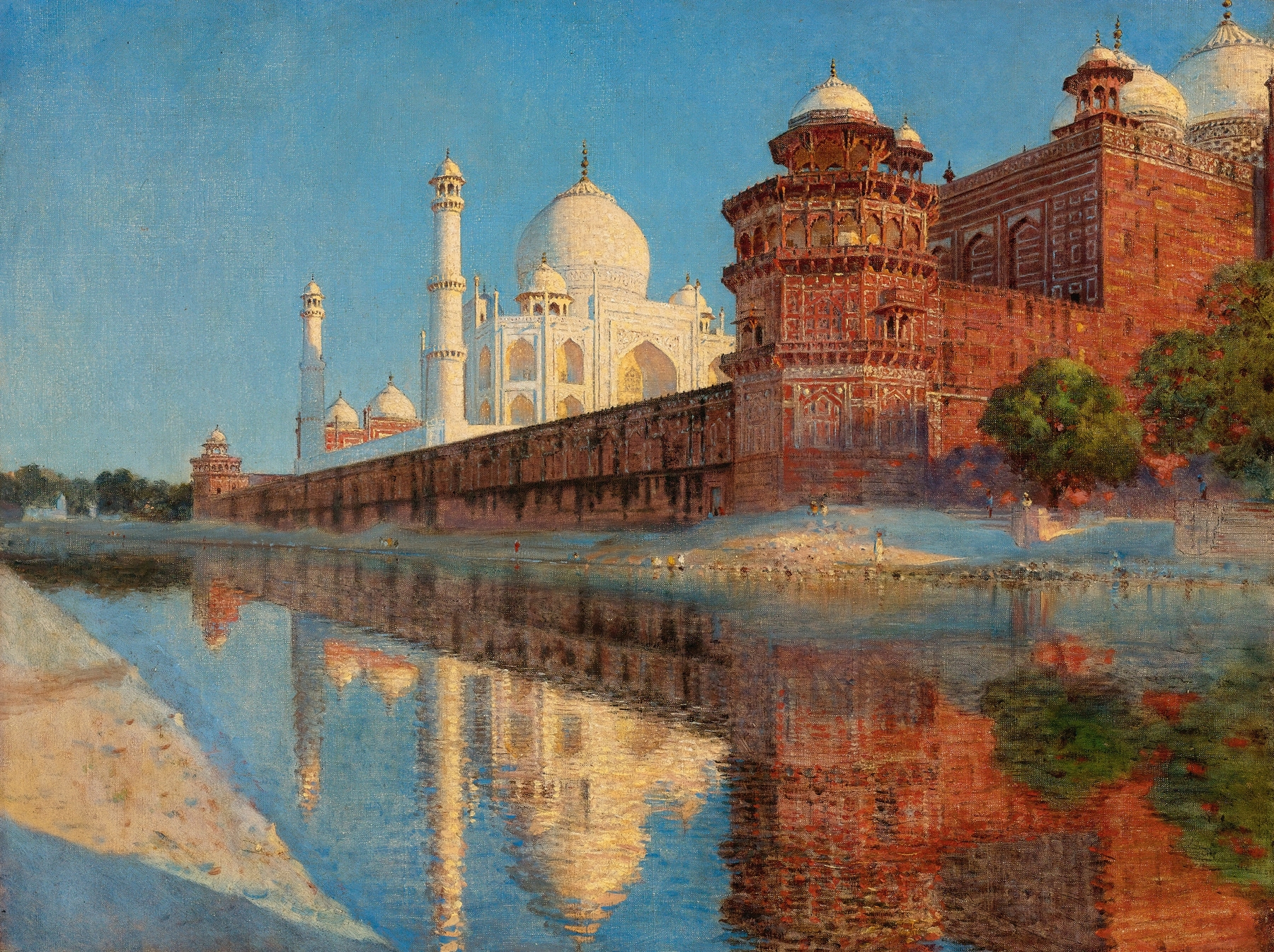
When did color learn to lie? In the silent corridors of history, the hues whisper truths and tell tales that defy the passage of time. Look to the left at the intricate tile work, where brilliant blues and golds intermingle, creating a mesmerizing tapestry against the solemn structure of the mausoleum. Notice the meticulous patterns that wind their way across the façade, each tile a testament to craftsmanship and devotion.
The light casts a soft glow, accentuating the ornate arches and drawing your gaze upwards, inviting you to contemplate the spiritual significance of this sacred space. Yet, beneath the beauty lies a contrast—a juxtaposition of transience and eternity. The vibrant colors may evoke life, yet they also remind us of decay, of the inevitable erosion that time brings. The stillness surrounding the mausoleum speaks to a greater narrative, hinting at the lives that have passed through these corridors and the souls now resting within.
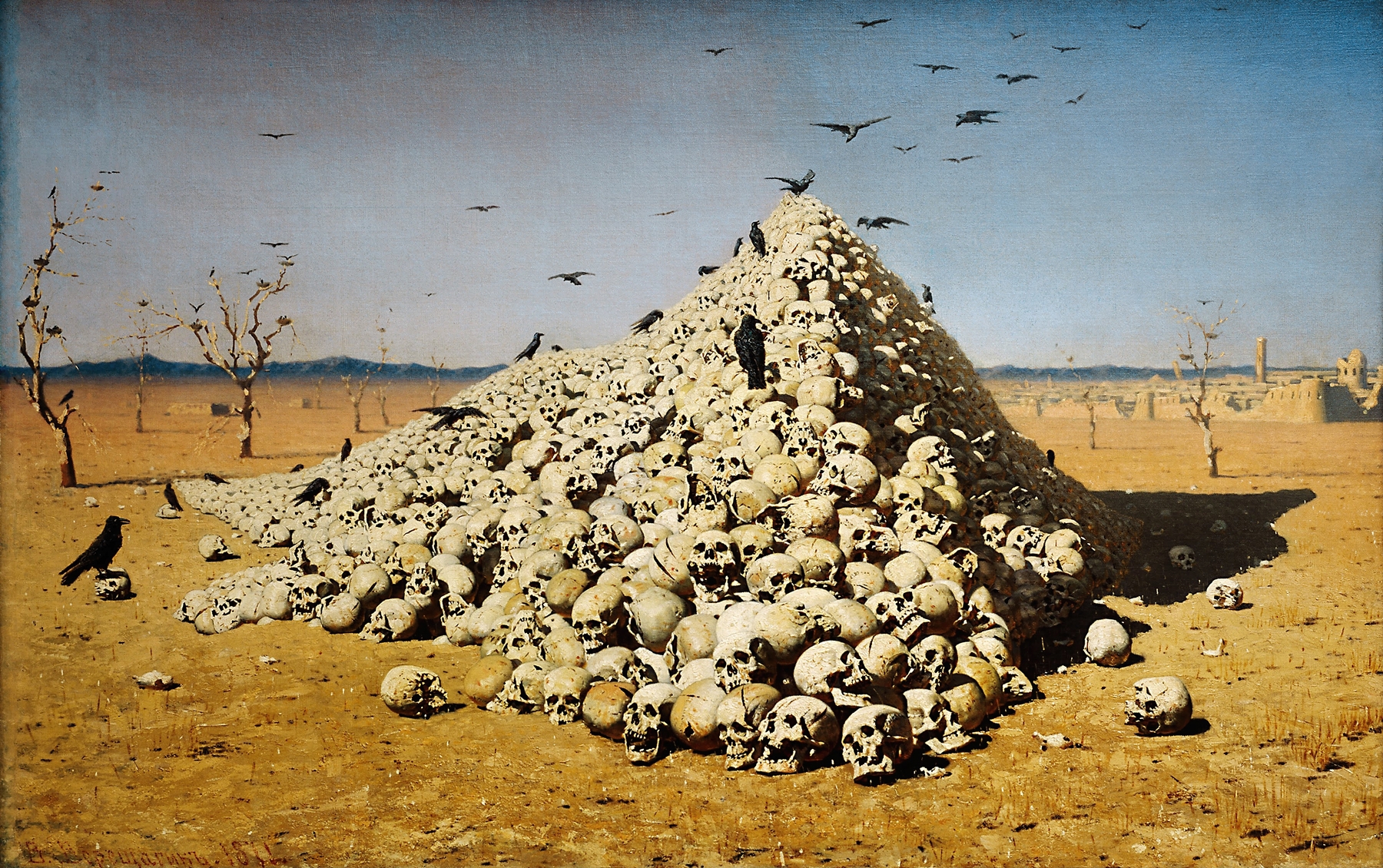
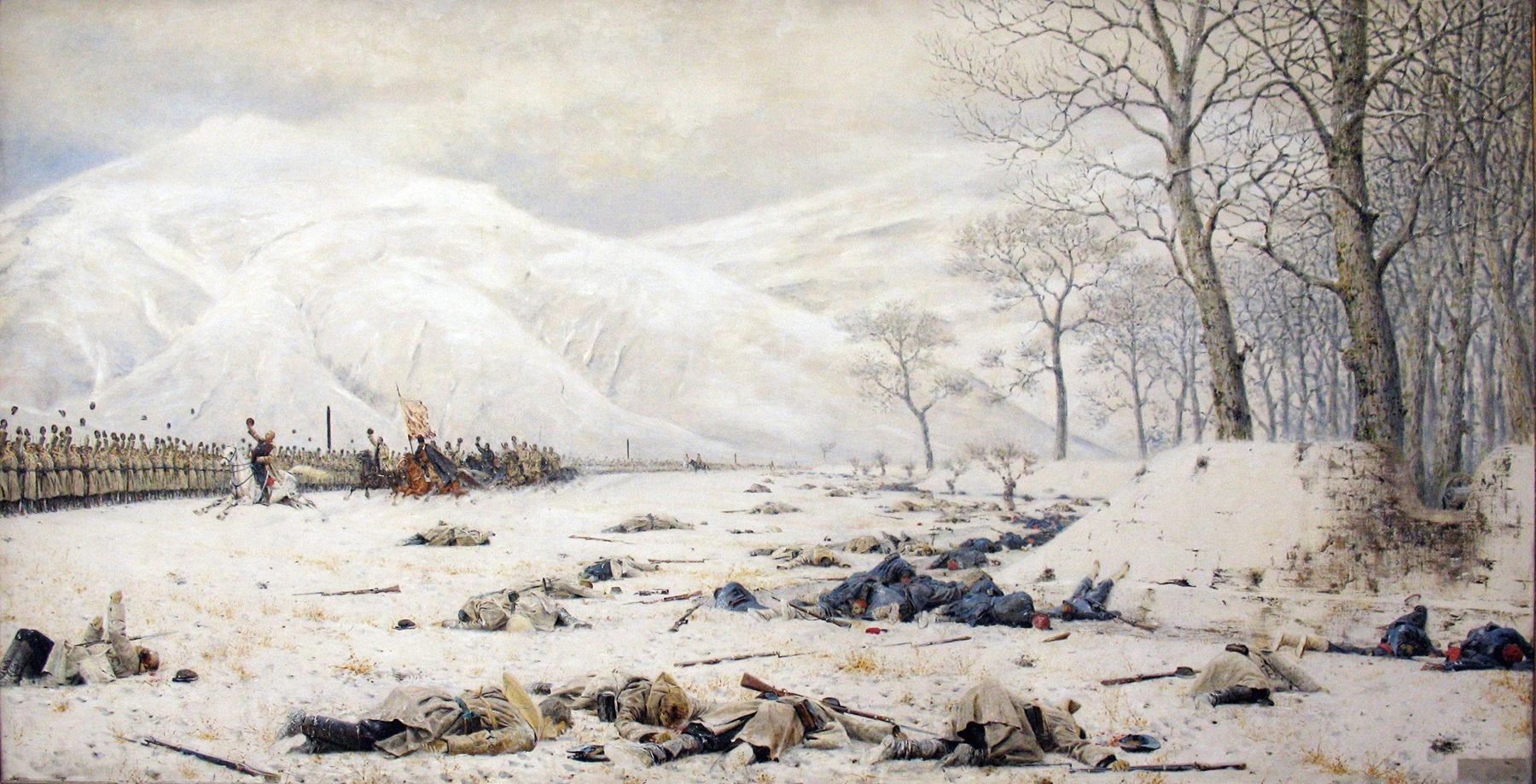
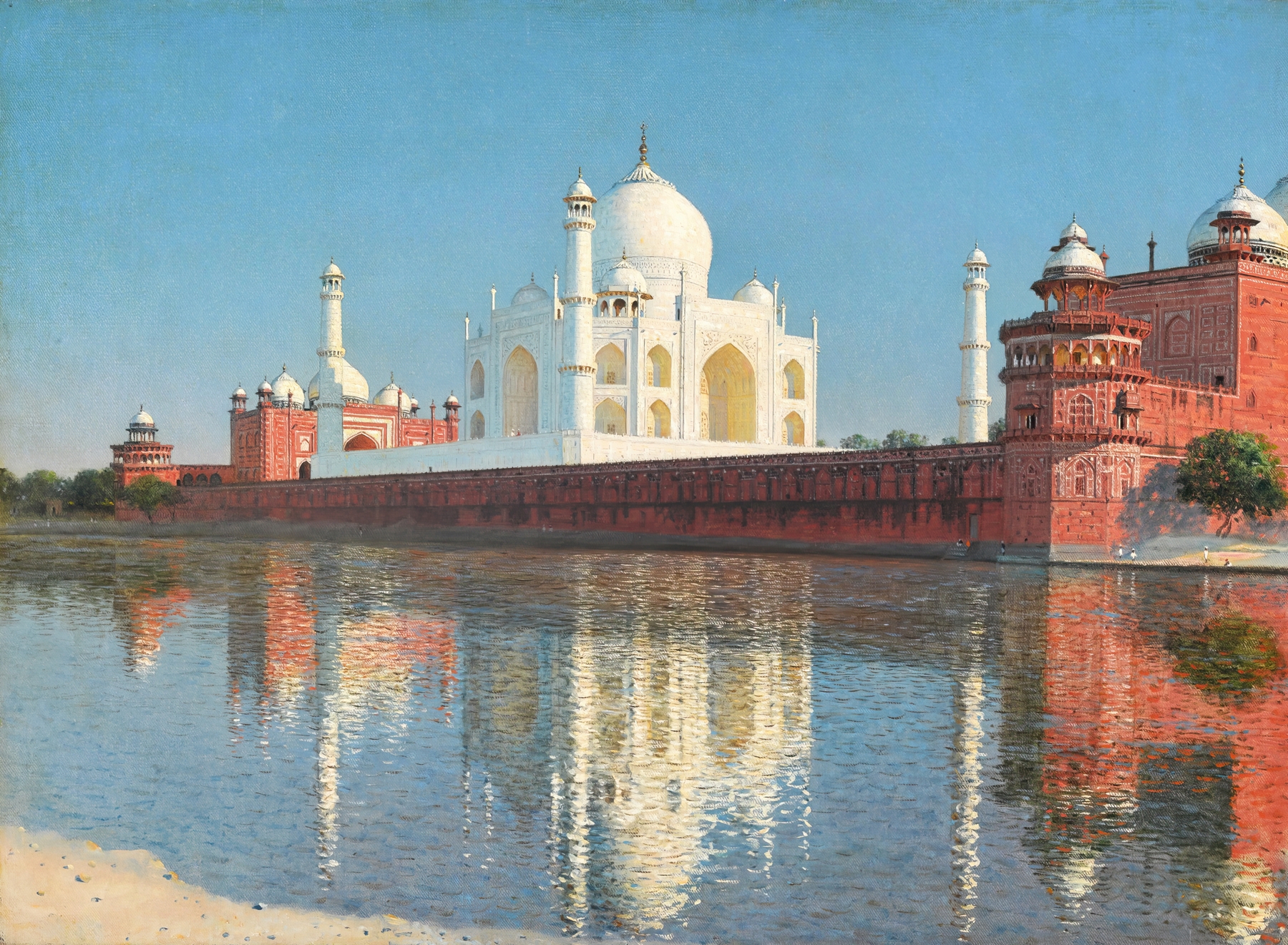
Each detail, from the delicate calligraphy to the imposing domes, carries layers of meaning that reflect the impermanence of existence in the face of architectural grandeur. Vasily Vereshchagin painted this piece between 1869 and 1870 during a time of personal exploration and artistic evolution. Traveling through Central Asia, he sought to capture not only the architectural marvels but also the cultural essence of the region. This period marked a turning point in his career, as he began to blend his artistic vision with a deeper historical narrative, producing works that resonated with both beauty and profound reflection.