Ship by Moonlight — History & Analysis
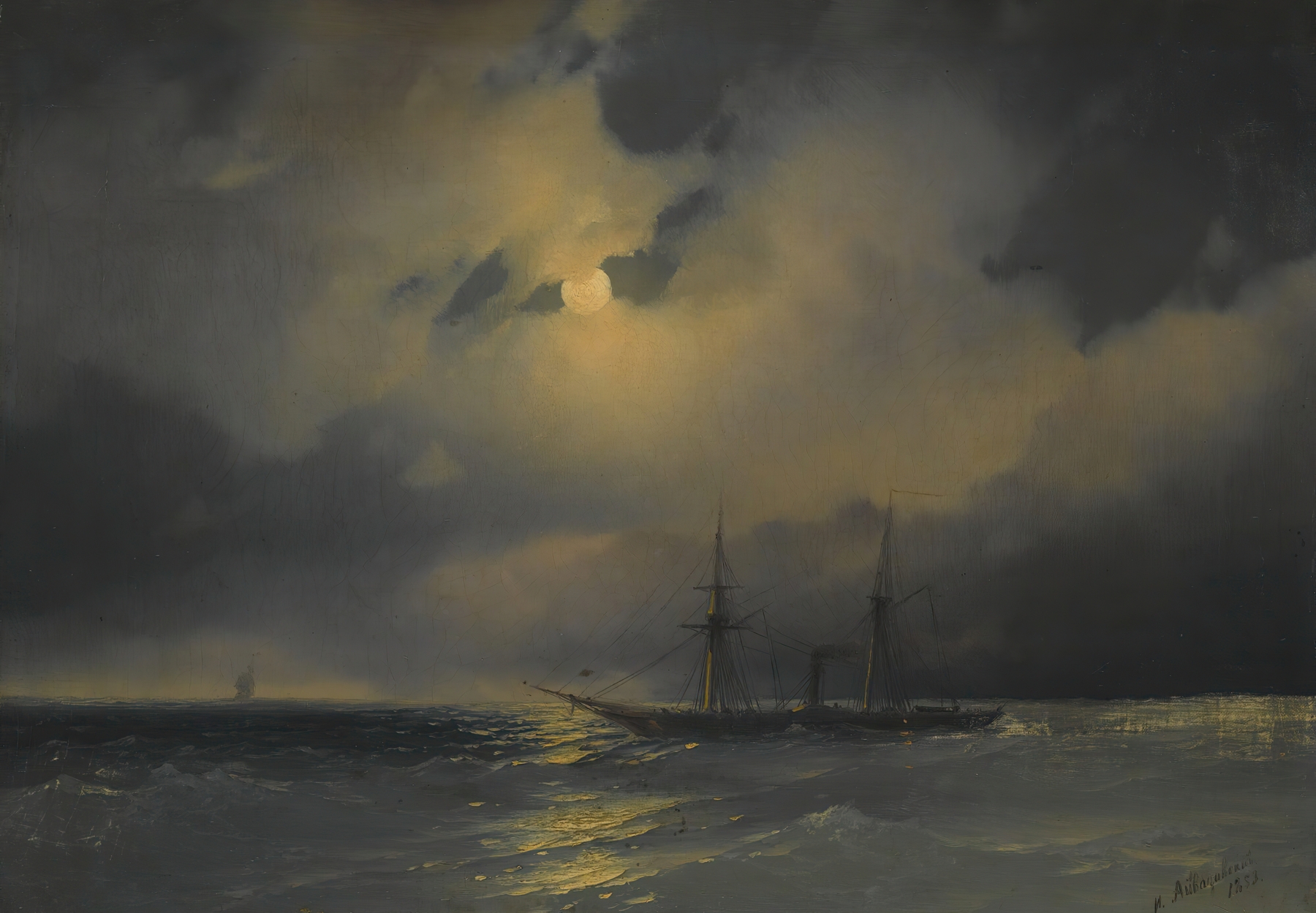
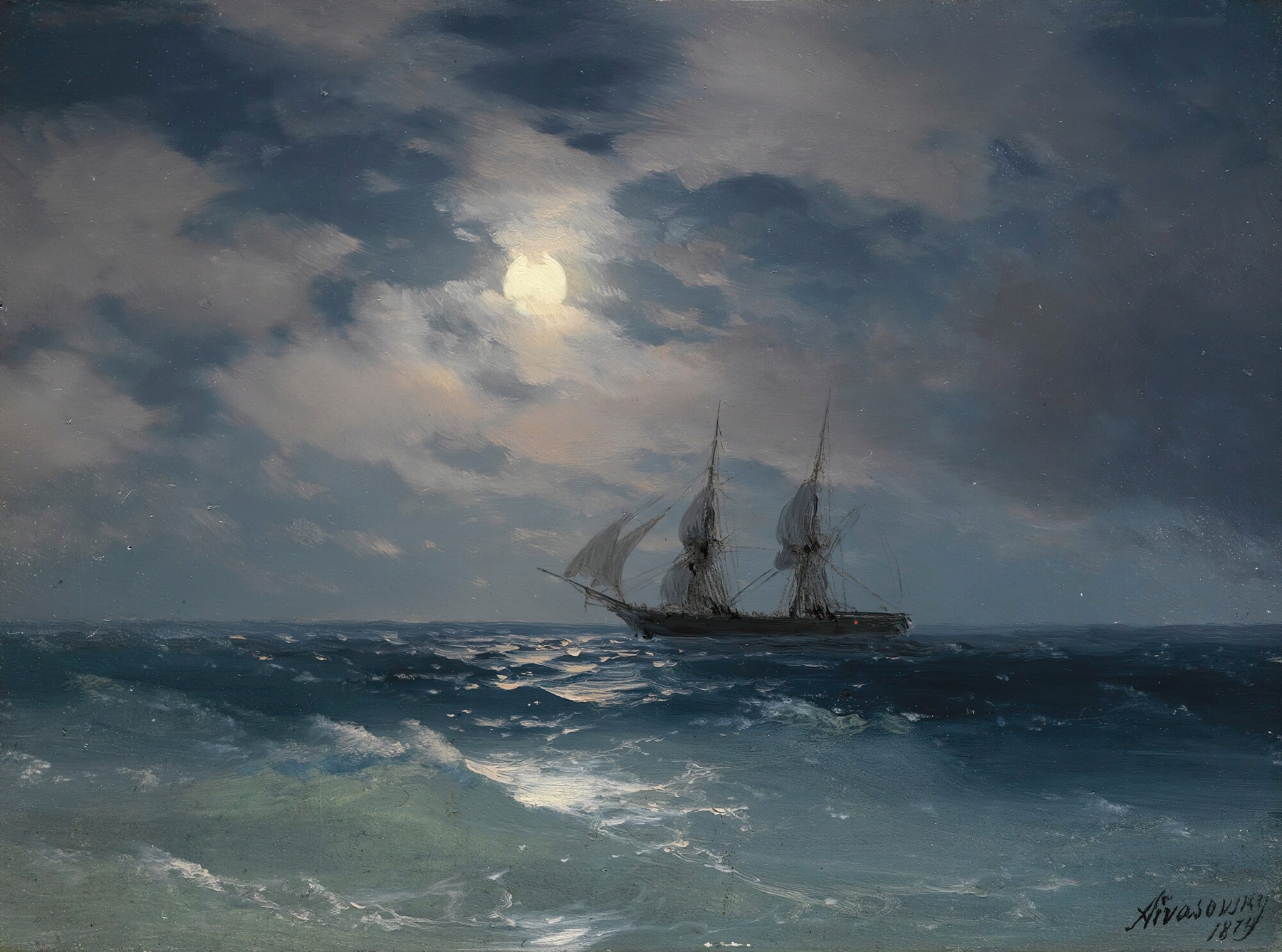
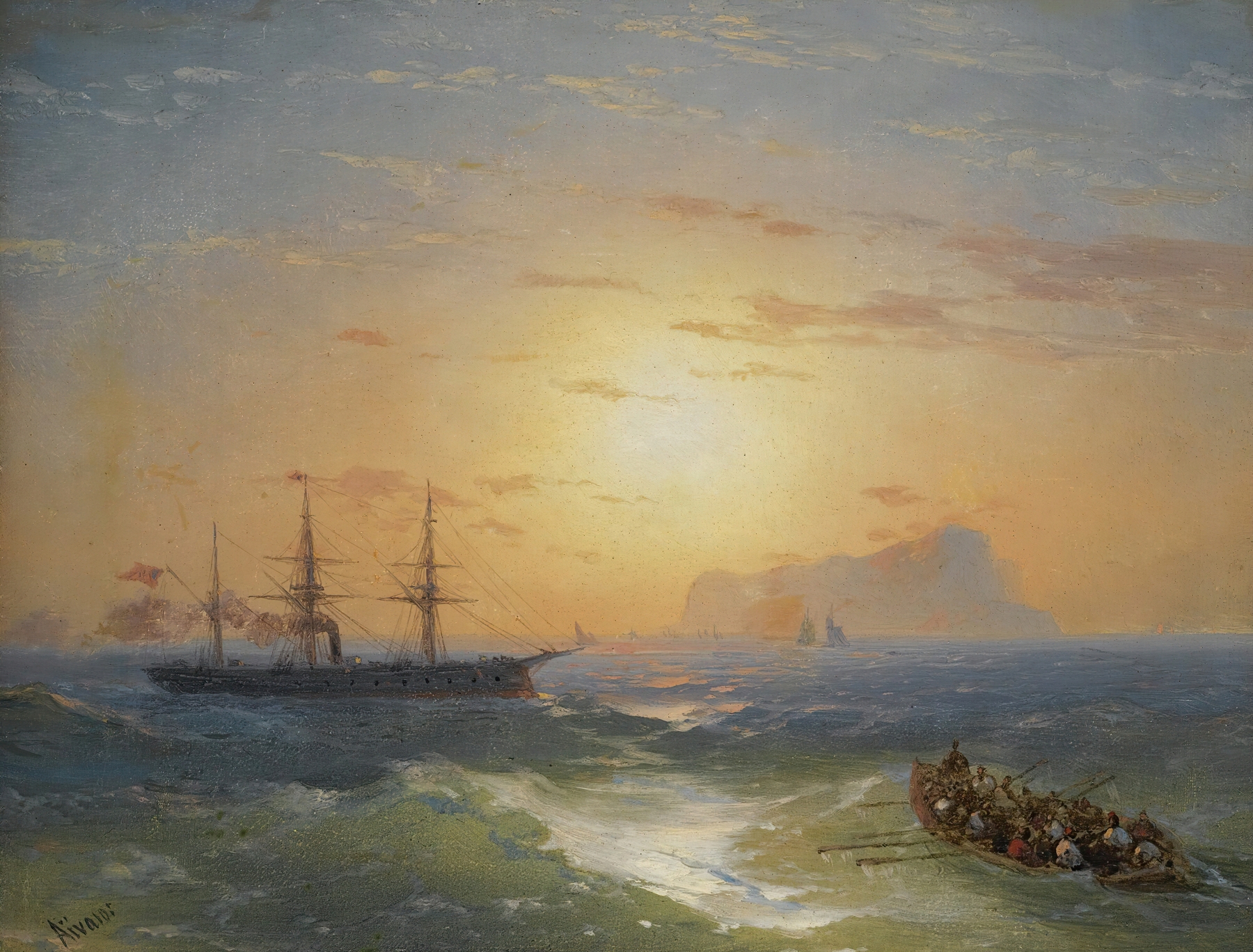
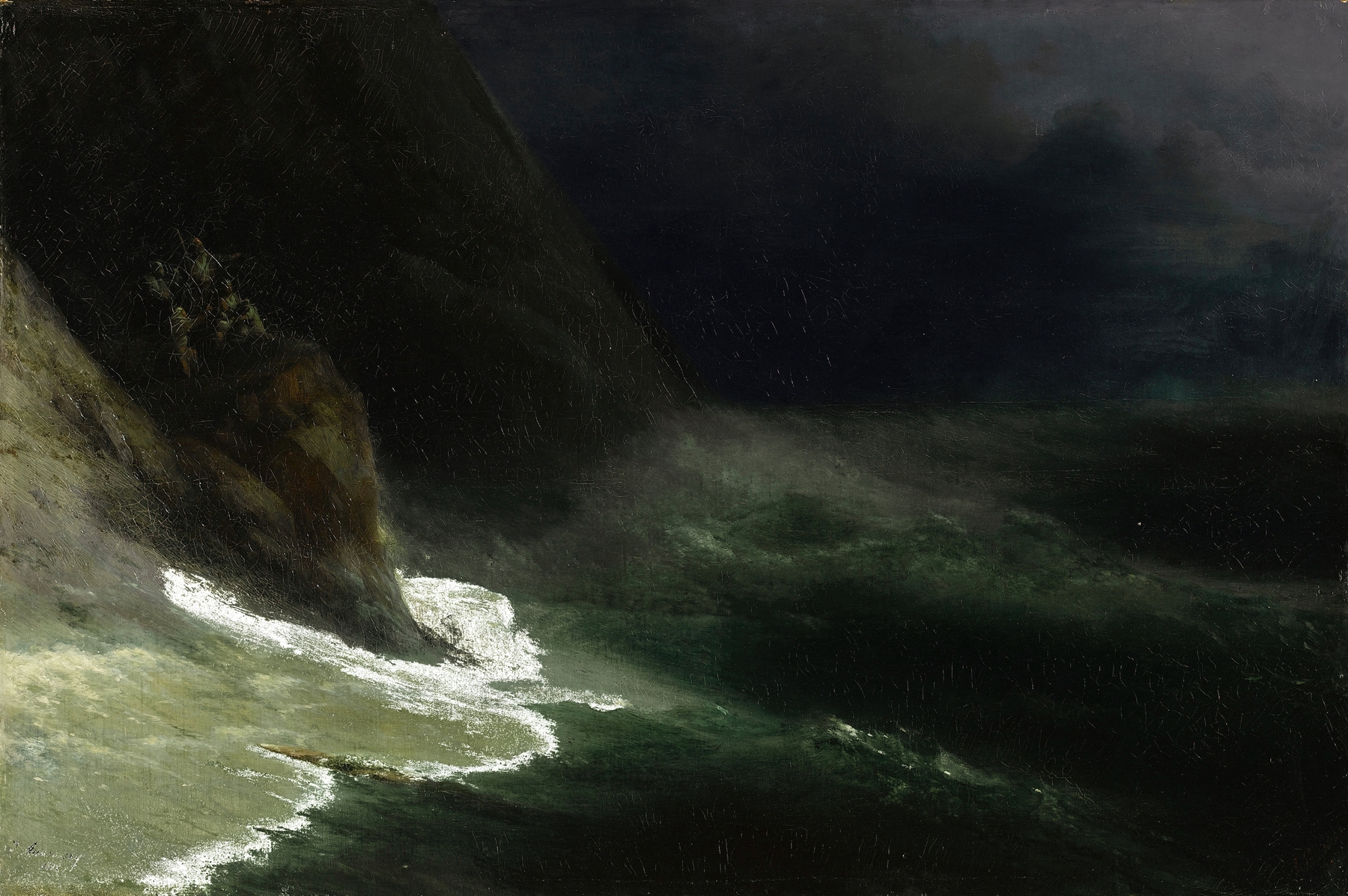
Did the painter know this moment would outlive them? The stillness of a moonlit sea, the haunting beauty of a solitary ship, captures a fleeting essence of nostalgia that echoes through time. Look closely at the shimmering waters, where the moon spills silver light, illuminating the gentle ripples that cradle the vessel. Notice how the ship, defined by its dark silhouette, stands against the ethereal glow, its sails whispering secrets of forgotten journeys.
The artist's mastery is evident in the delicate balance of light and shadow, creating a harmonious dance that pulls the viewer into the scene, inviting reflection and introspection. The contrasts in Ship by Moonlight reveal deep emotional currents. The serenity of the moonlit sky juxtaposes the potential turmoil of the ocean, hinting at both calm and chaos in the human experience. Each brushstroke encapsulates a moment of solitude, where the ship seems to float between worlds, embodying the heart’s longing for connection yet embracing the soothing power of isolation.
This tension between the seen and the unseen evokes a bittersweet nostalgia, drawing the viewer into a contemplative reverie. In the midst of the 19th century, Aivazovsky painted this work during a period of profound fascination with maritime themes. Known for his extraordinary seascapes, he found inspiration along the Black Sea, where he often explored the interplay of light on water. As an artist who had already gained significant acclaim, he was at the pinnacle of his career, capturing the ever-changing moods of the sea while reflecting the romantic ideals of his time.