Ships and Sailing Boats Leaving Le Havre — History & Analysis
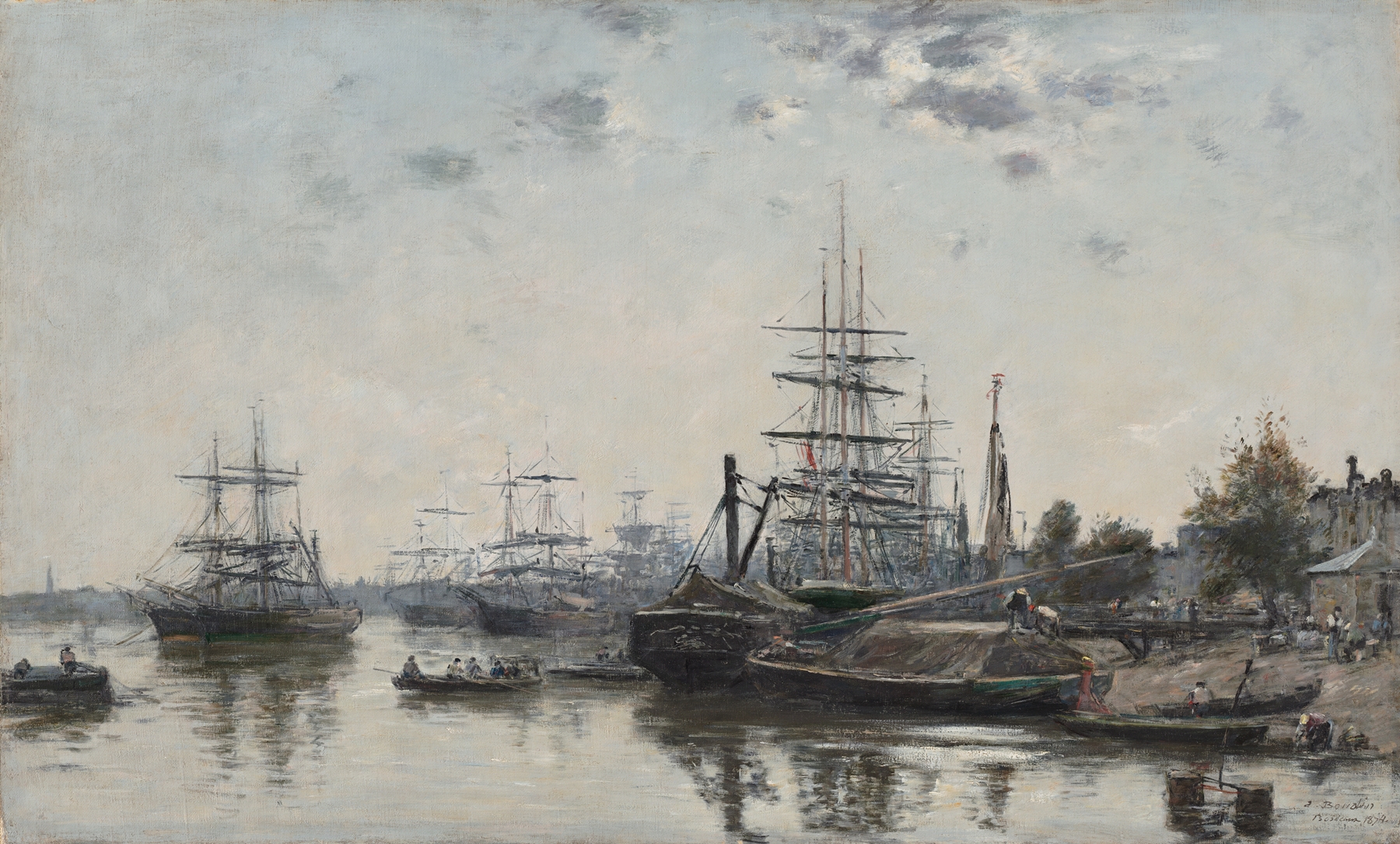
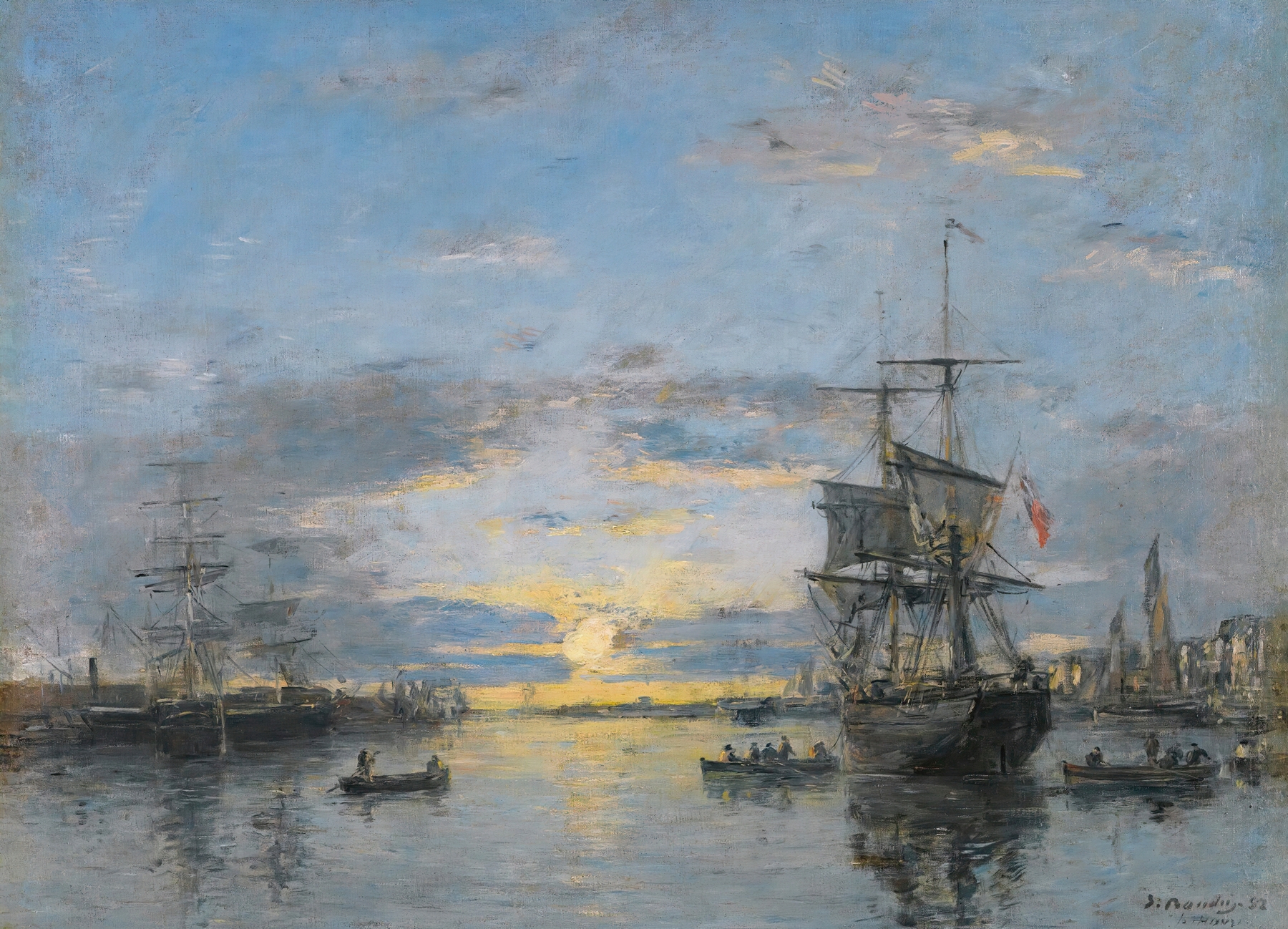
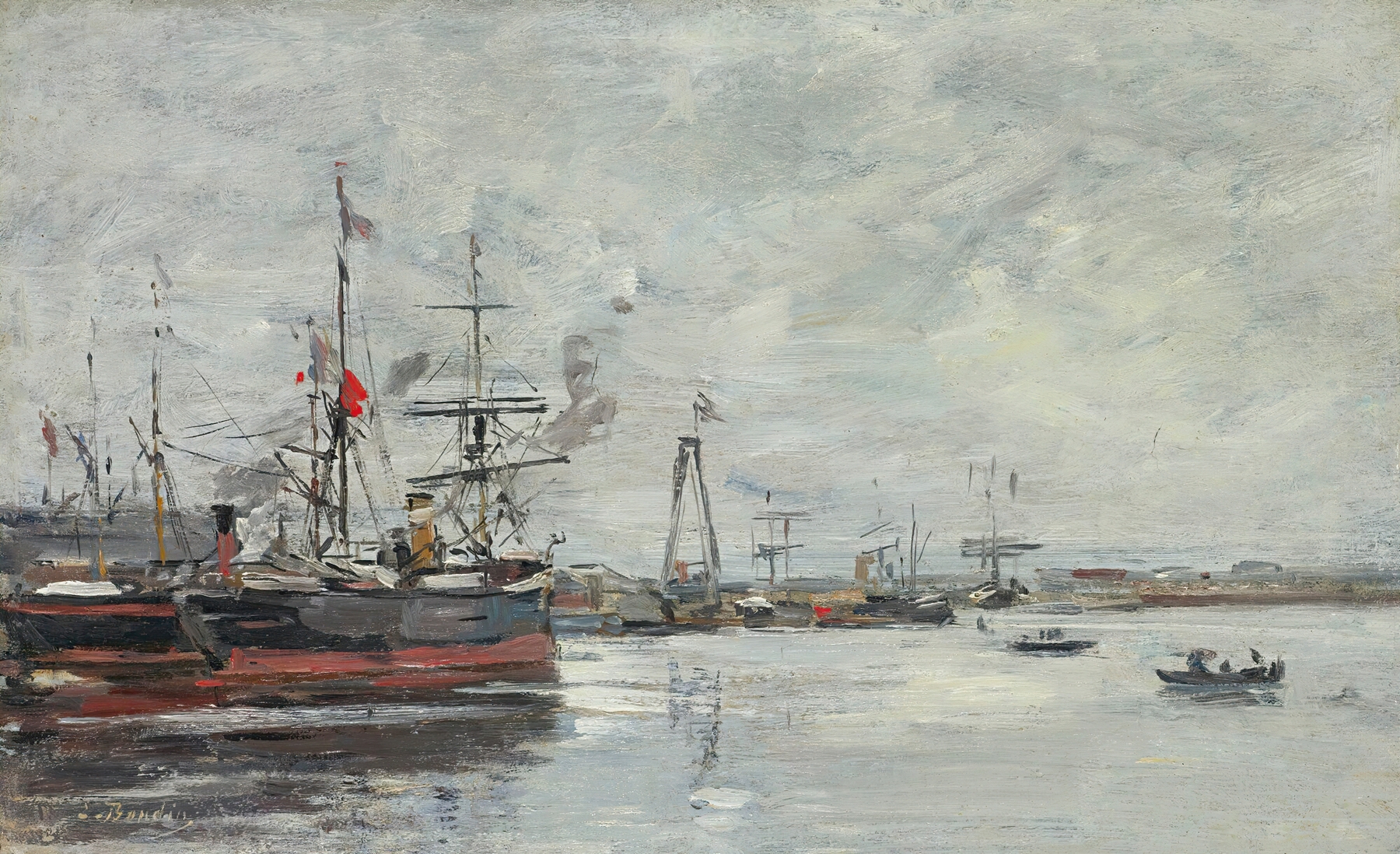
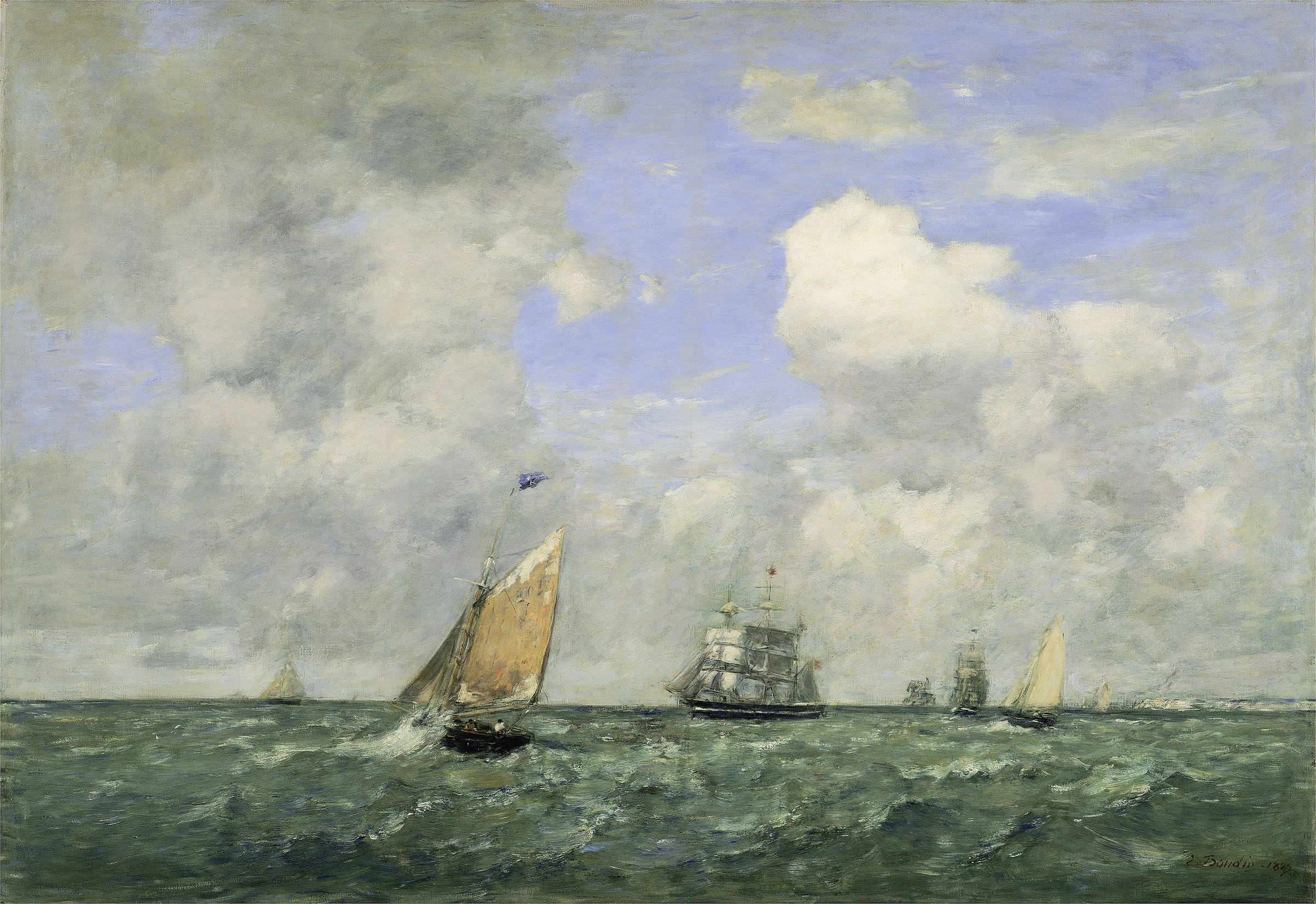
“To paint is to remember what time wants us to forget.” In the chaotic dance of water and wind, stillness meets the relentless march of time, capturing the fleeting essence of life at sea. Look to the left at the multitude of vessels—some taut with wind, others leaning lazily on the currents—each one a testament to the vitality surrounding the bustling port. Notice how Boudin employs a palette of vibrant blues and grays, with dashes of white foam that highlight the frenetic energy of the waters. The brushwork is lively, almost haphazard, imbuing the scene with a sense of movement, as if the viewer can hear the distant calls of sailors and the creaking of masts.
Beneath this apparent chaos lies a narrative of transience. The boats, each distinct, symbolize the individual stories and lives intersecting at this moment in time. The gray clouds overhead hint at the unpredictability of nature, a reminder that amidst human endeavor, we are at the mercy of greater forces. The juxtaposition of vibrant activity against a looming sky evokes the tension between the aspirations of the sailors and the enduring unpredictability of fate.
In 1887, while painting this work in Le Havre, Boudin was immersed in a community of artists exploring the themes of modern life and nature’s beauty. This period marked a vibrant exploration of Impressionism, with the artist keenly aware of the shifting tides in both his personal life and the broader art world. His love for coastal landscapes found a perfect expression here, intertwining his experiences with the history and rhythm of maritime existence.