Skaters on a Dutch waterway by a windmill — History & Analysis
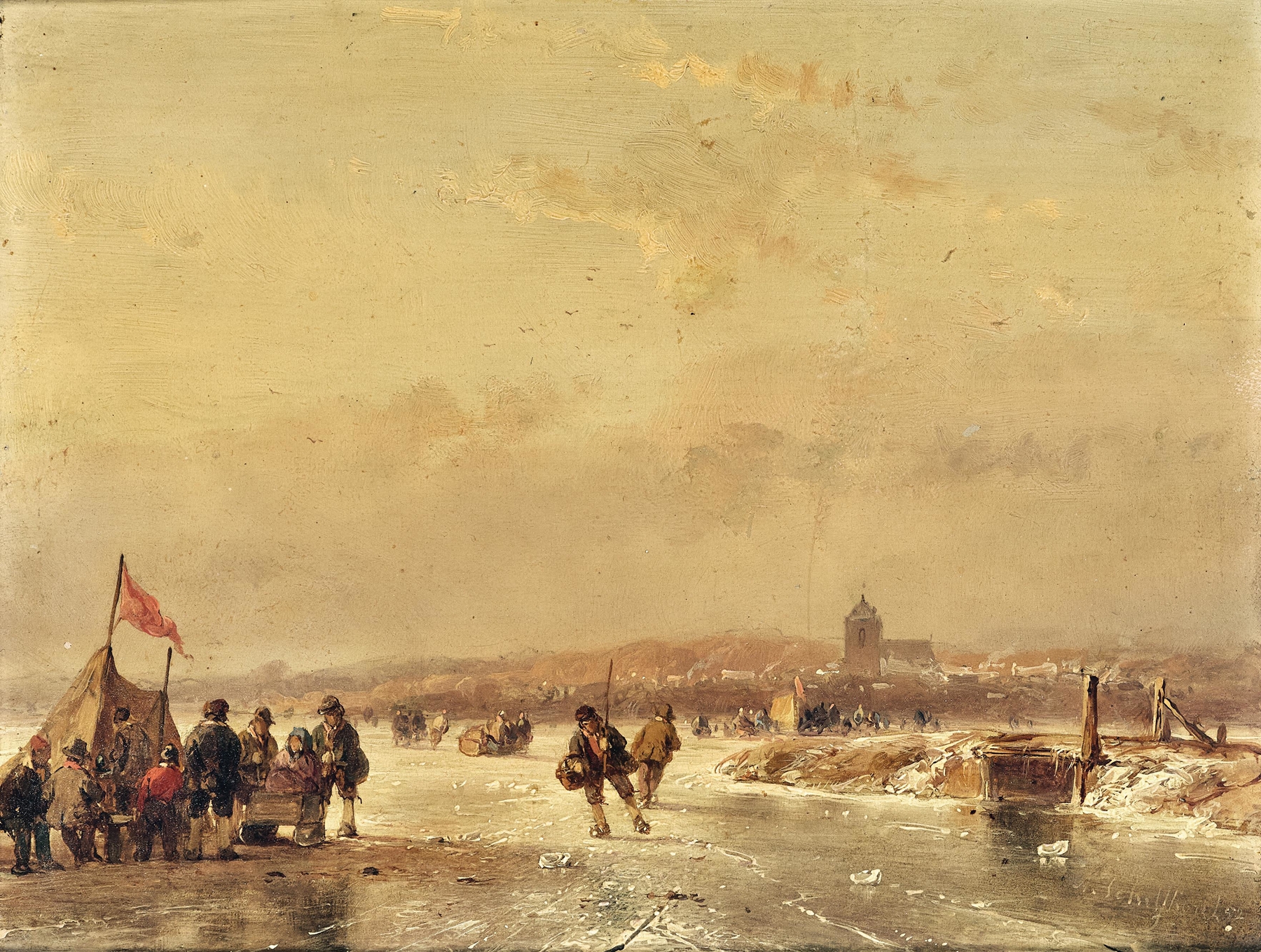
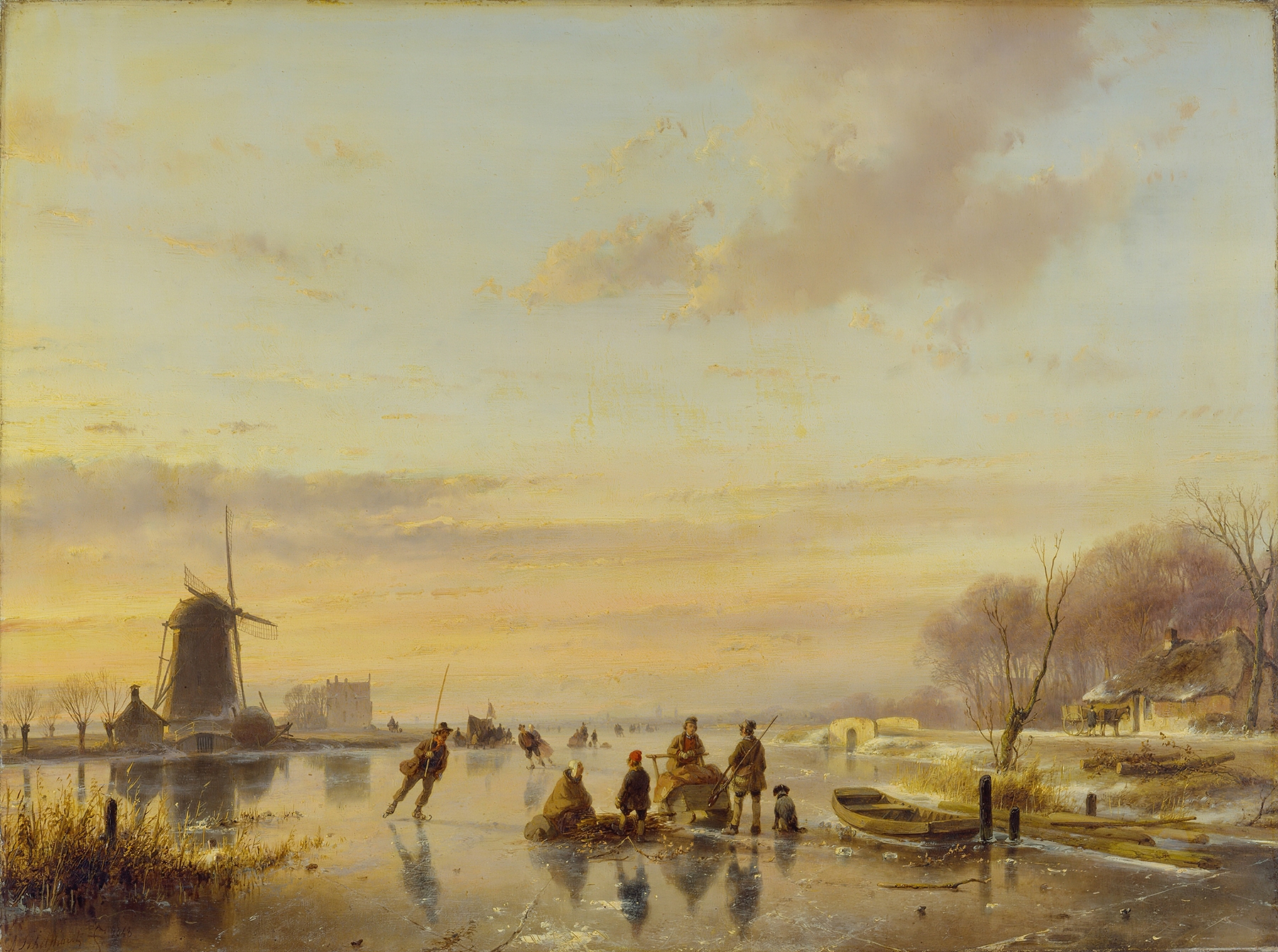
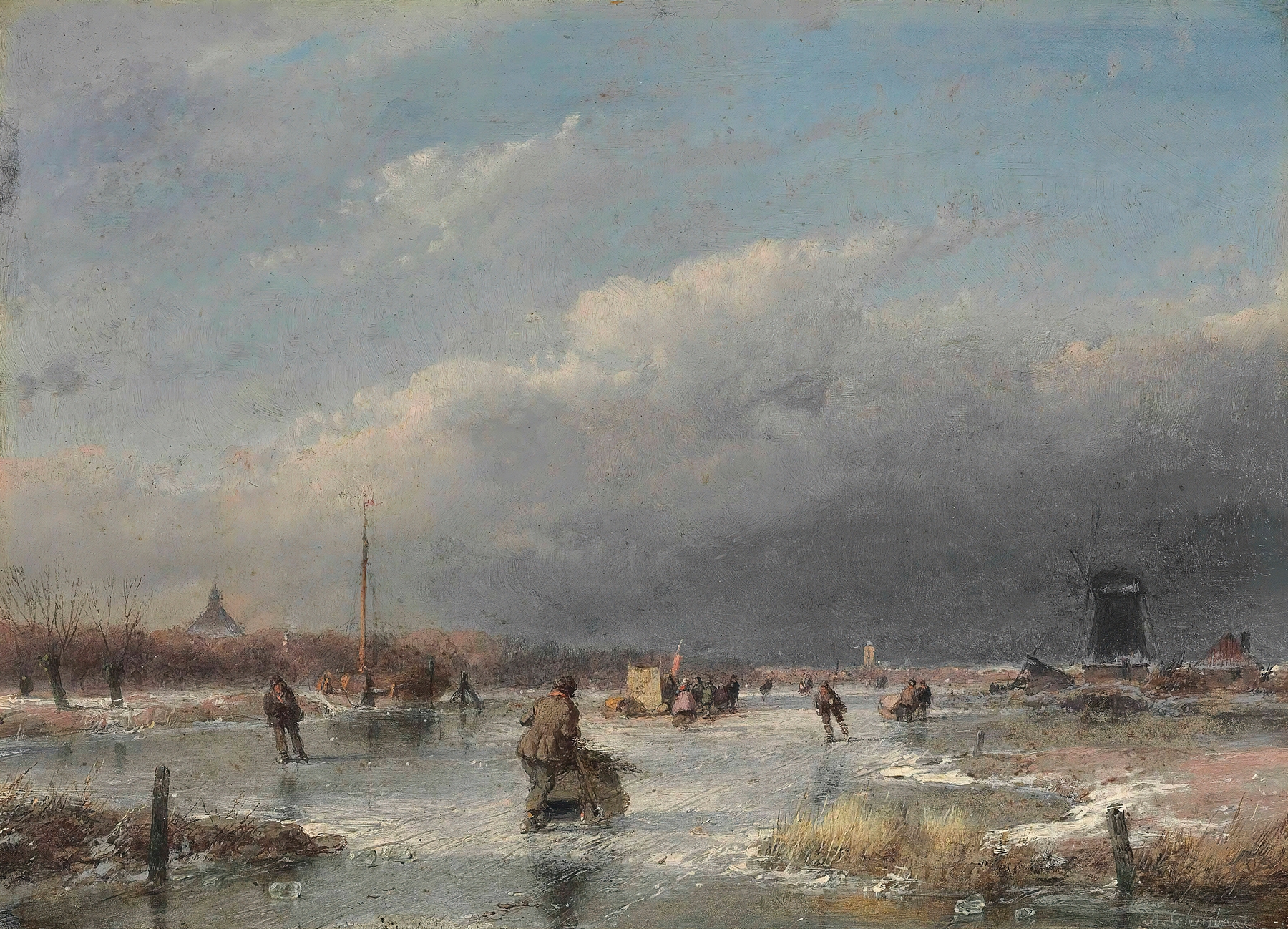
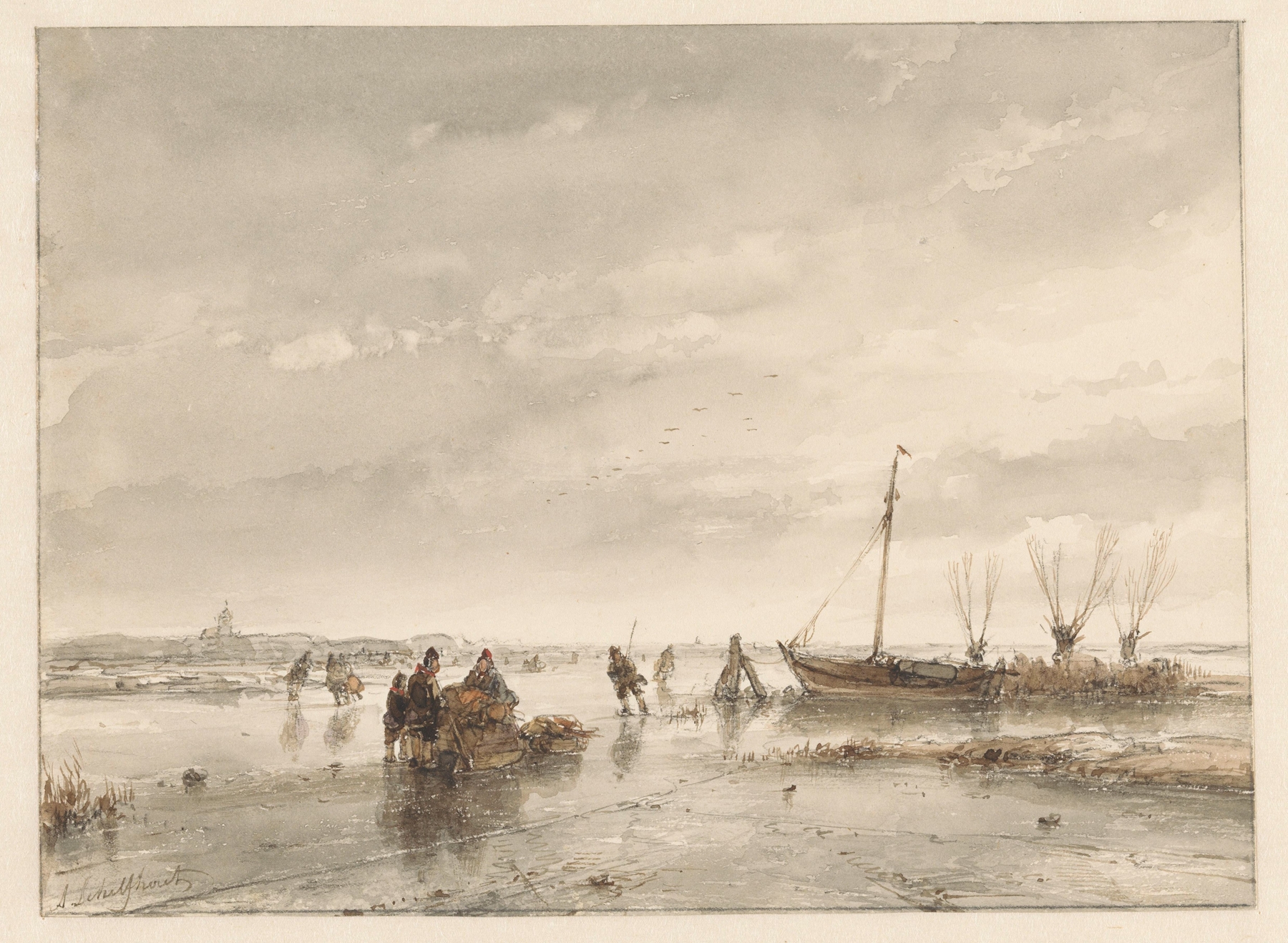
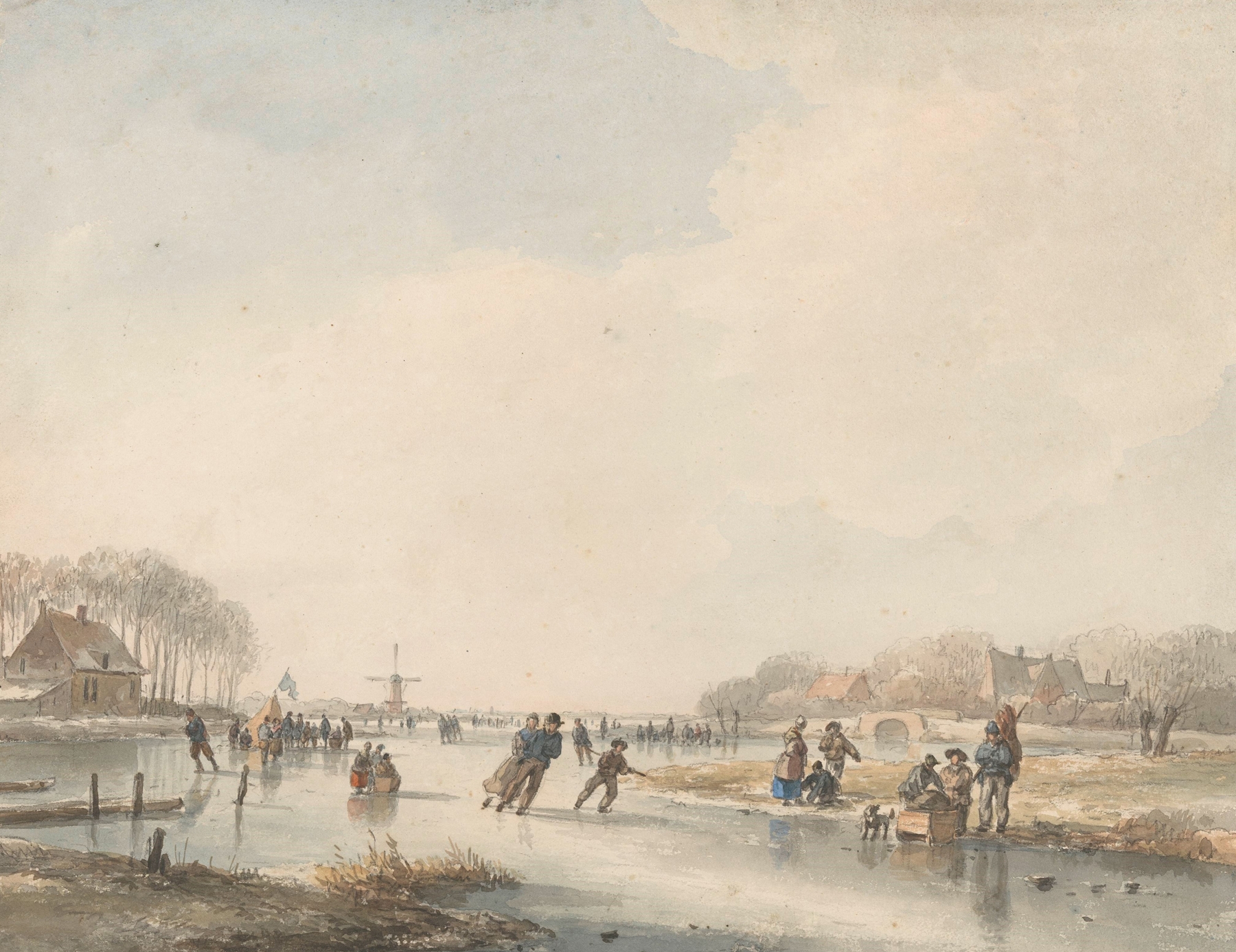
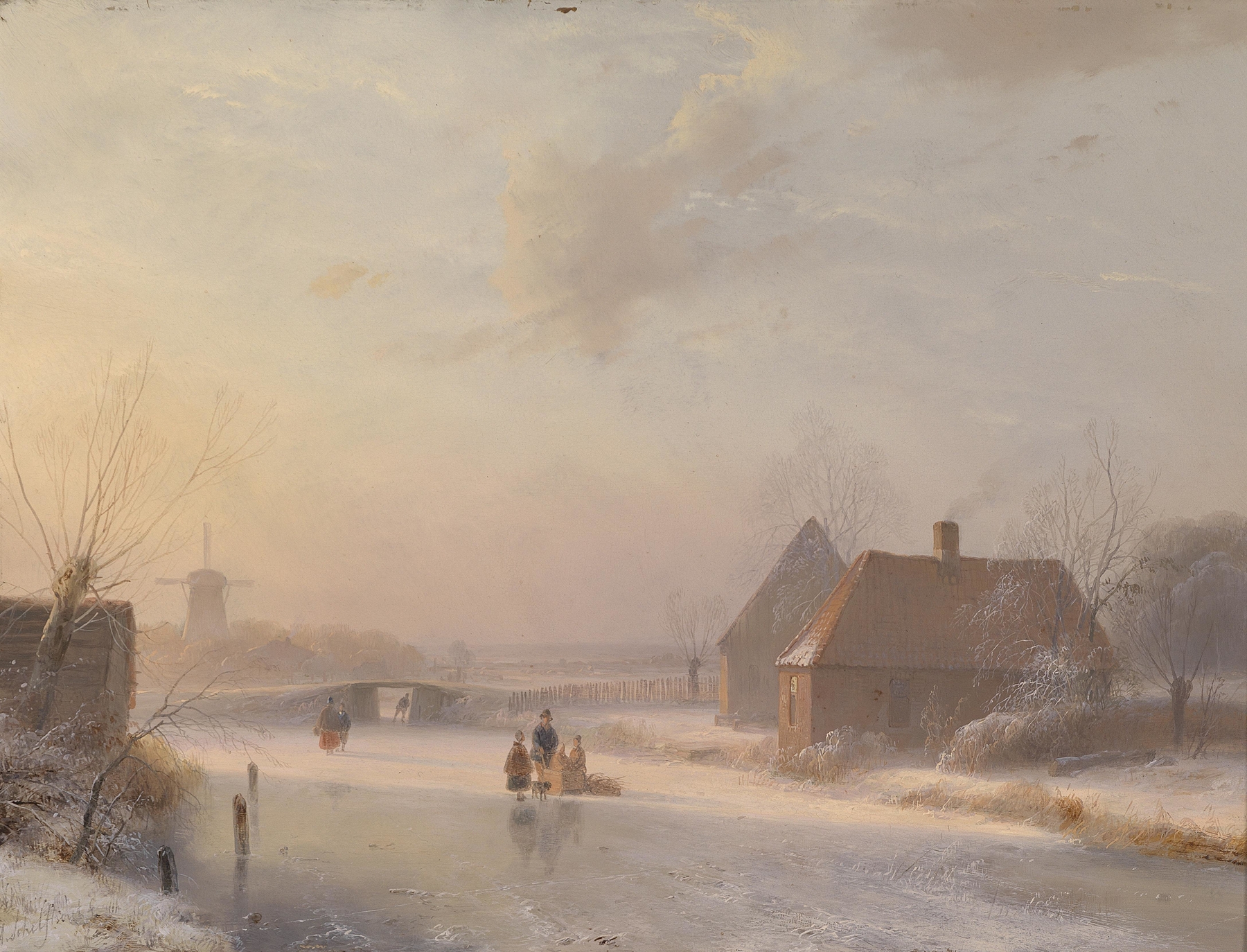
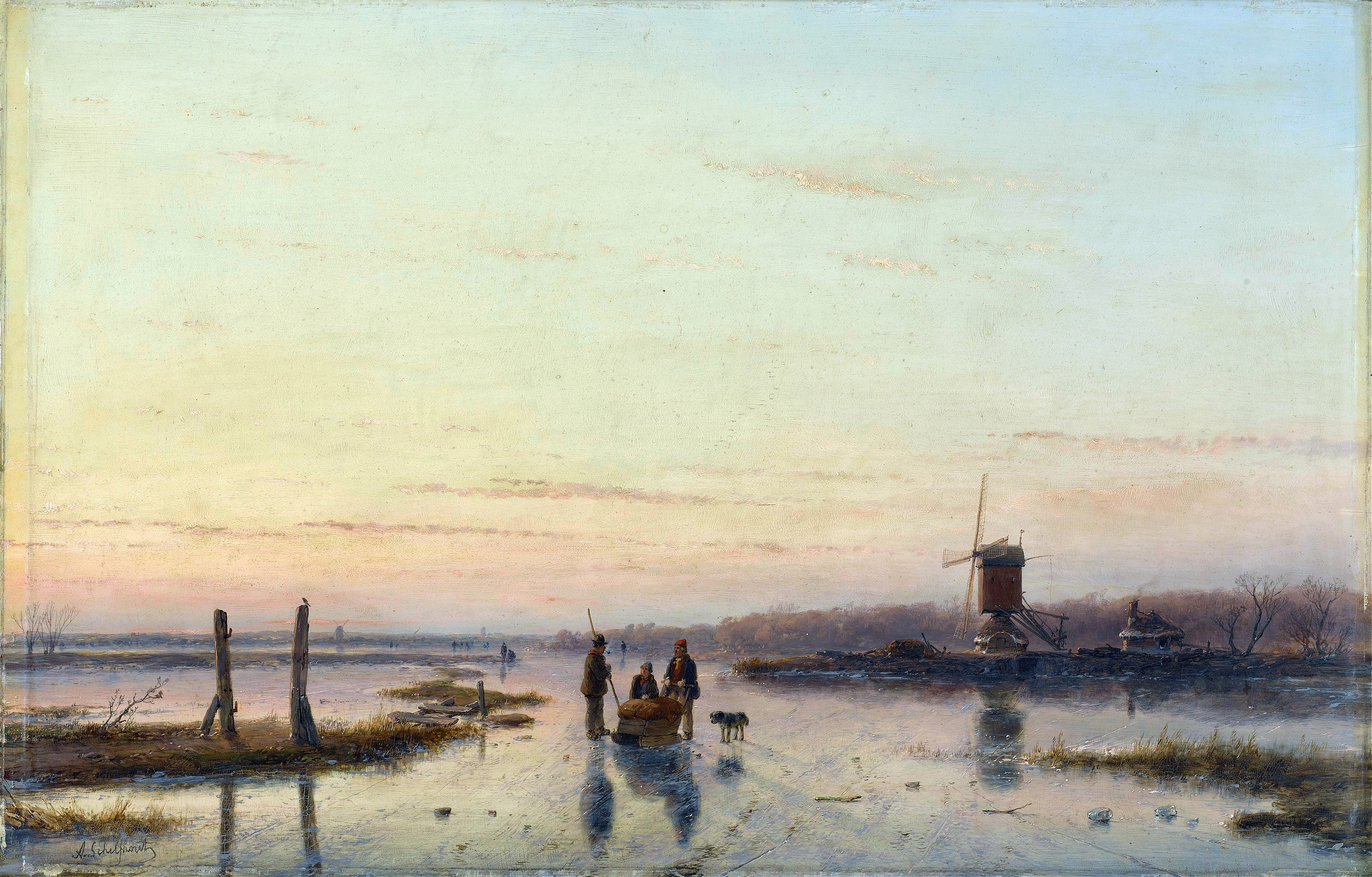
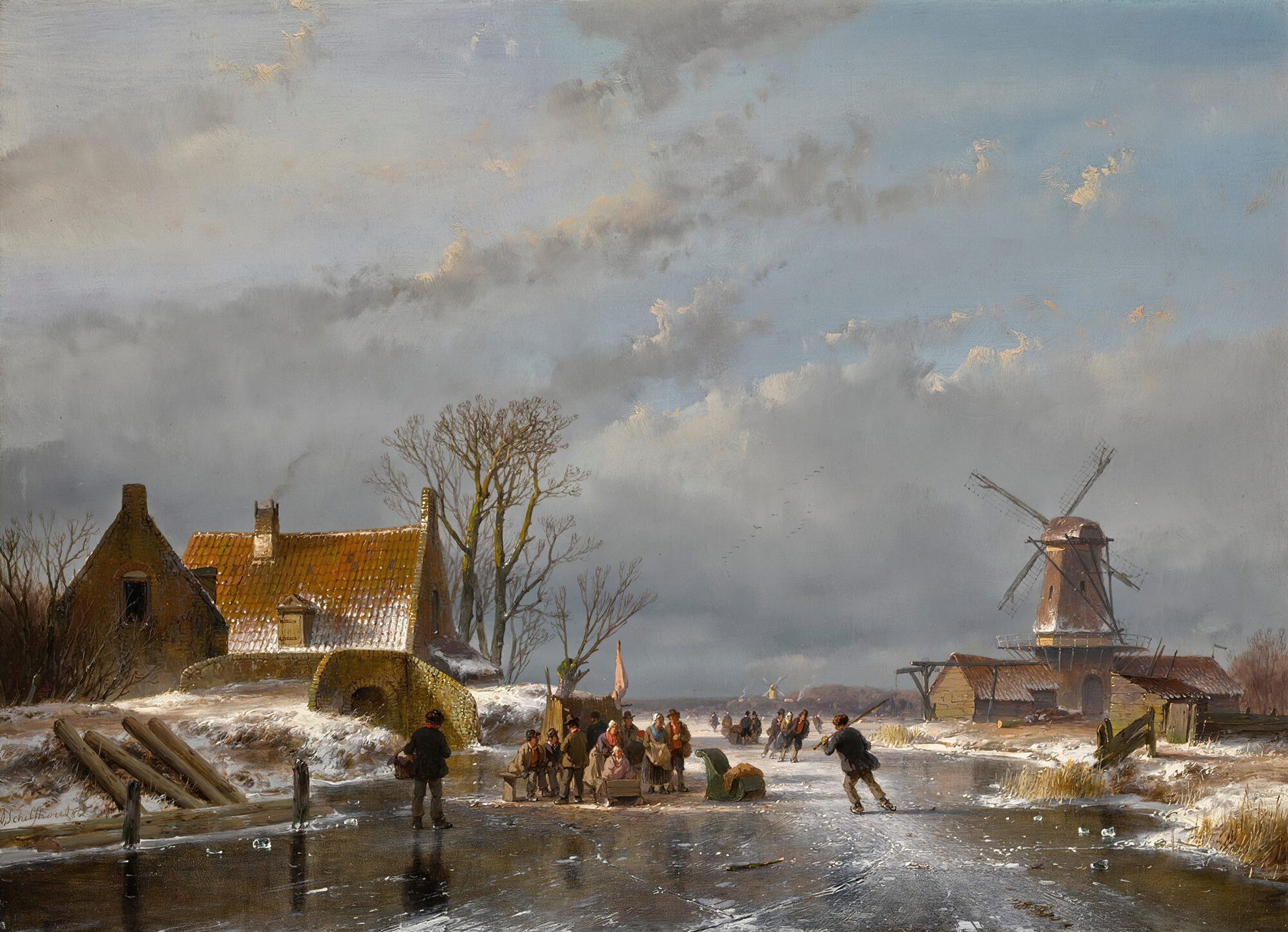
Could beauty survive in a century of chaos? In a world rife with strife and uncertainty, the essence of hope flickers like a flame against the winds of despair. Look to the left at the gentle curve of the waterway, where skaters glide gracefully across the surface, their silhouettes mingling with the delicate strokes of white and muted blues. The windmill, towering and steadfast in the background, anchors the scene, its sails frozen in time.
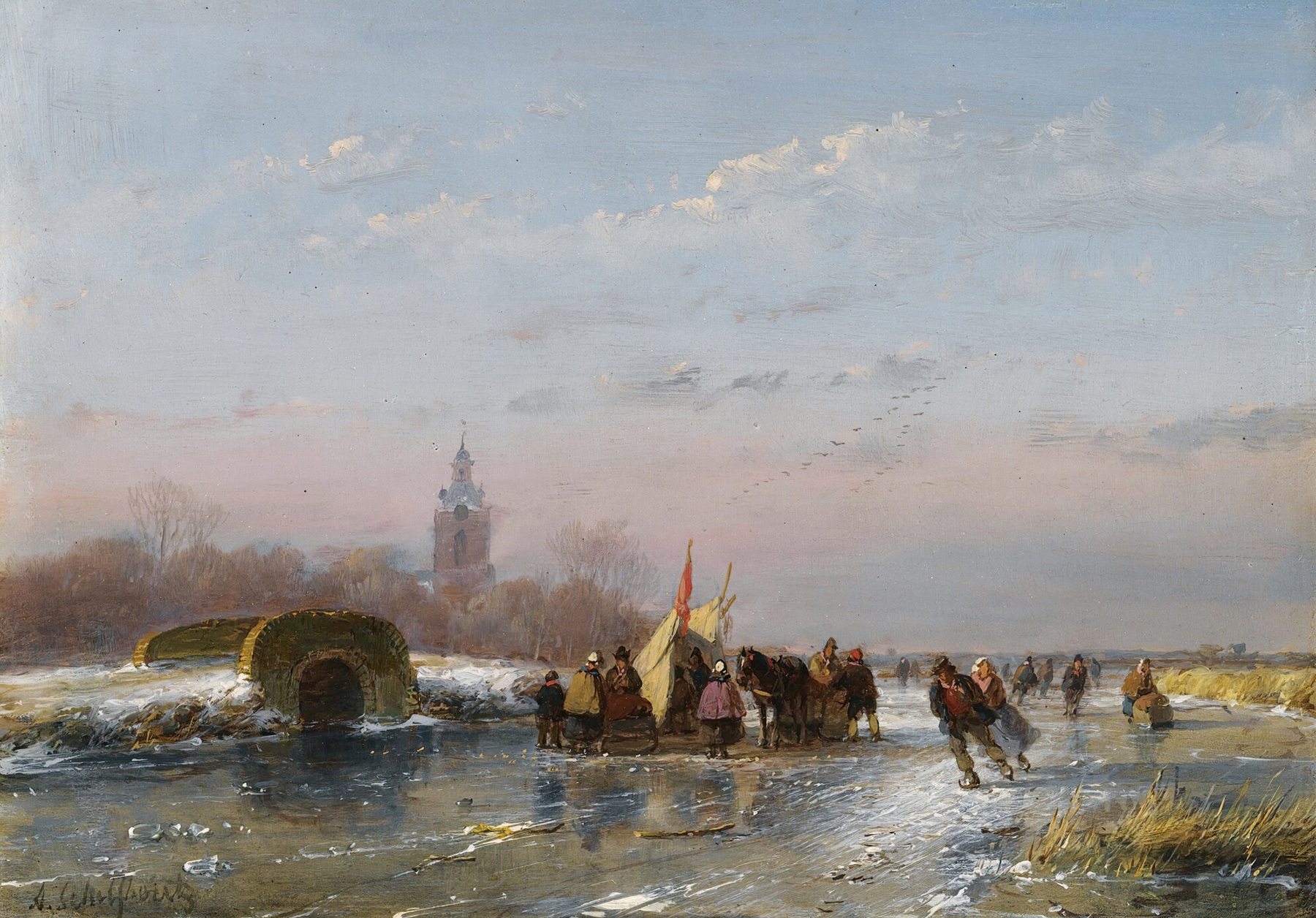
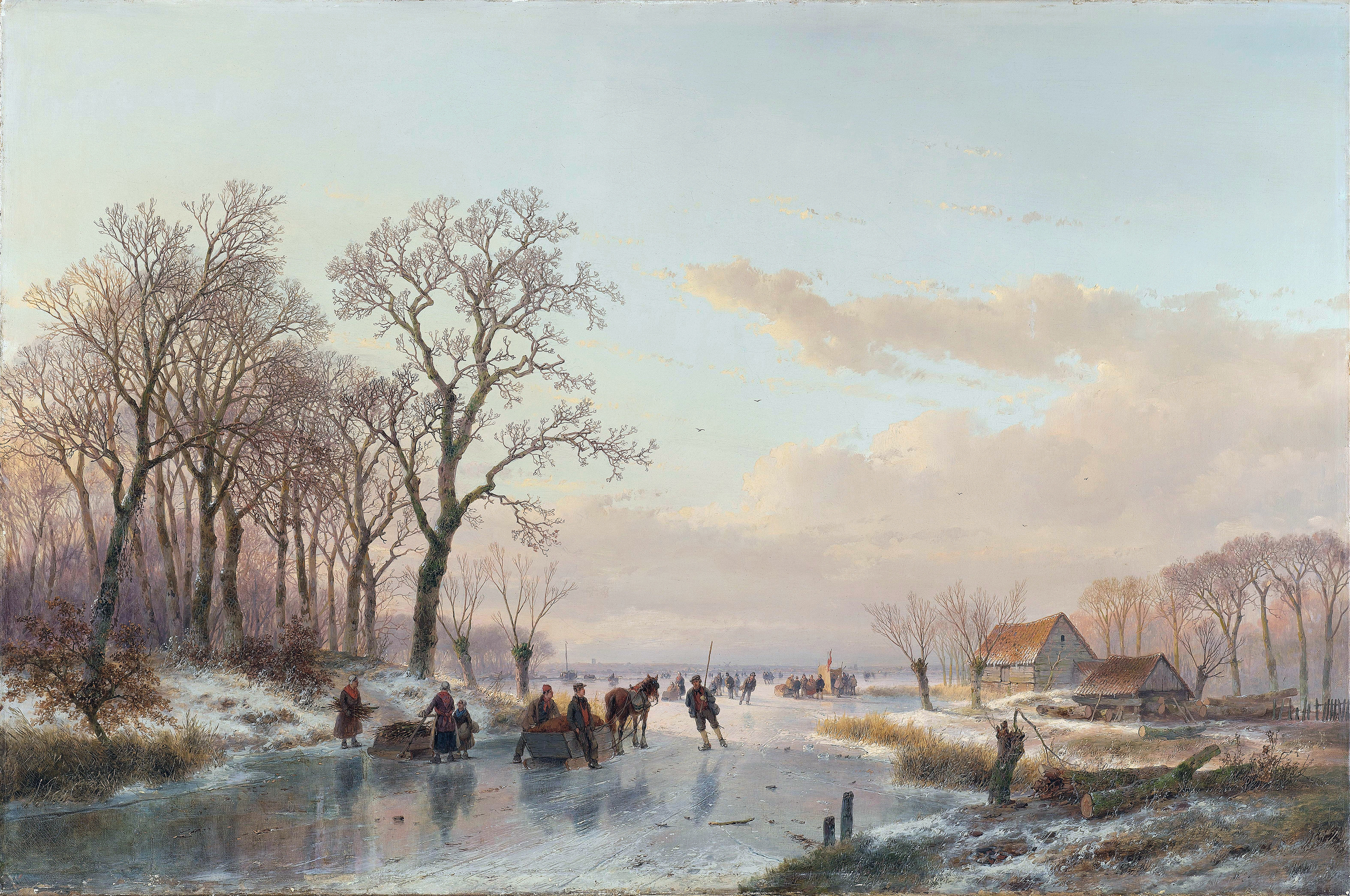
Notice how the soft, warm light of the sun spills across the canvas, illuminating patches of ice and creating a serene contrast to the coldness of winter. Each figure is poised in a moment of joy, an elegant dance that speaks of tranquility amid a crisp, wintry landscape. Beneath the surface, a subtle tension brews—these figures, caught in a fleeting moment of leisure, hint at the resilience of the human spirit against the harsh realities of life. The expansive sky, painted with soft grays and hints of peach, suggests a world beyond the scene—a reminder that hope persists even in the chill of uncertainty.
The juxtaposition of the playful skaters against the looming windmill conveys a delicate balance between joy and the weight of the past. Andreas Schelfhout created this work during a period when the Dutch romantic style began to flourish, likely in the mid-19th century. Living in the Netherlands, he was influenced by the changing landscape and the romantic ideals of nature that swept through Europe. At this time, art was increasingly seen as a refuge from the industrial upheaval that characterized the era, as artists sought to capture beauty and serenity amid the chaos of modern life.