Sketch for Akhtyrka – Fall — History & Analysis
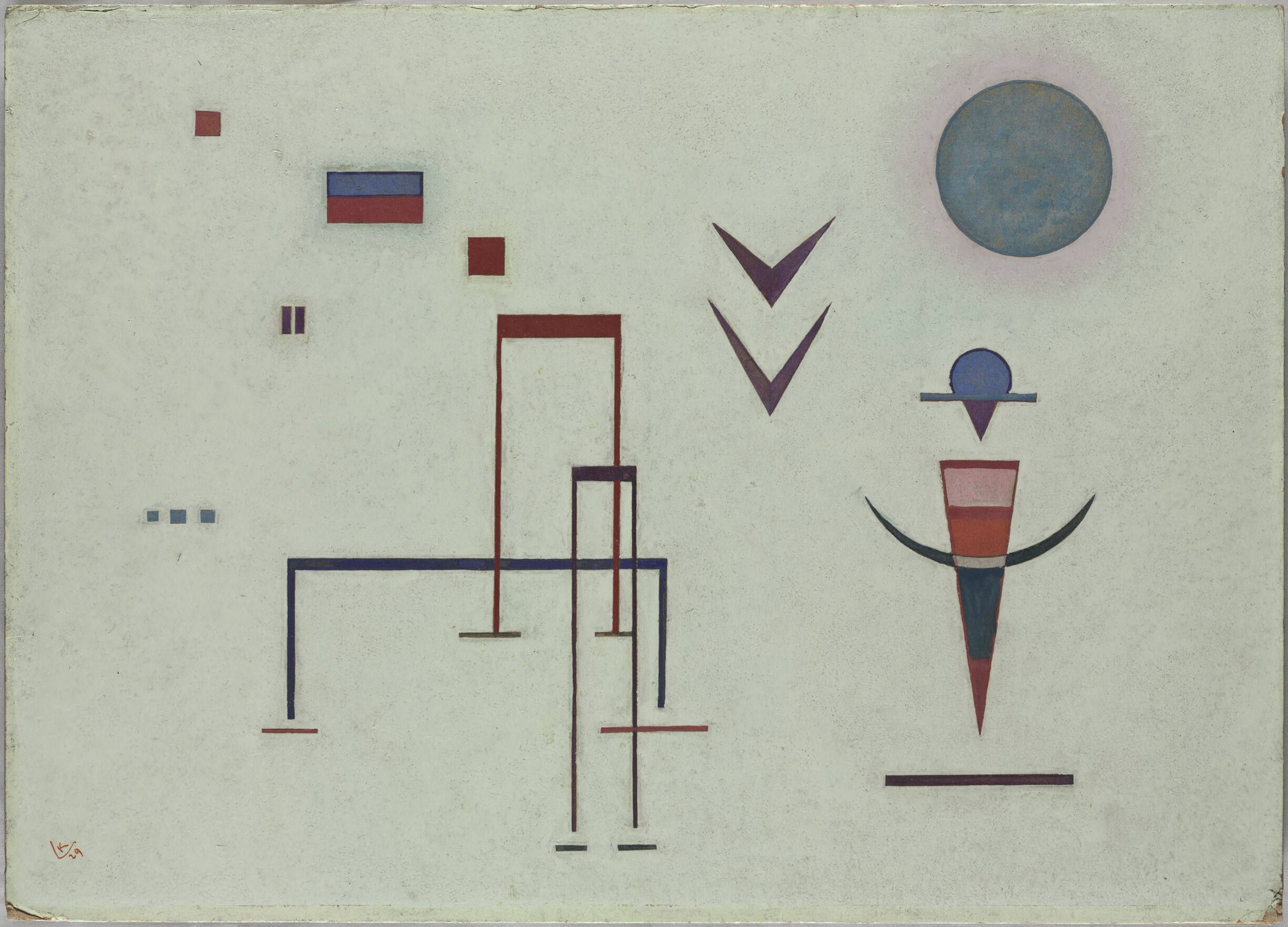
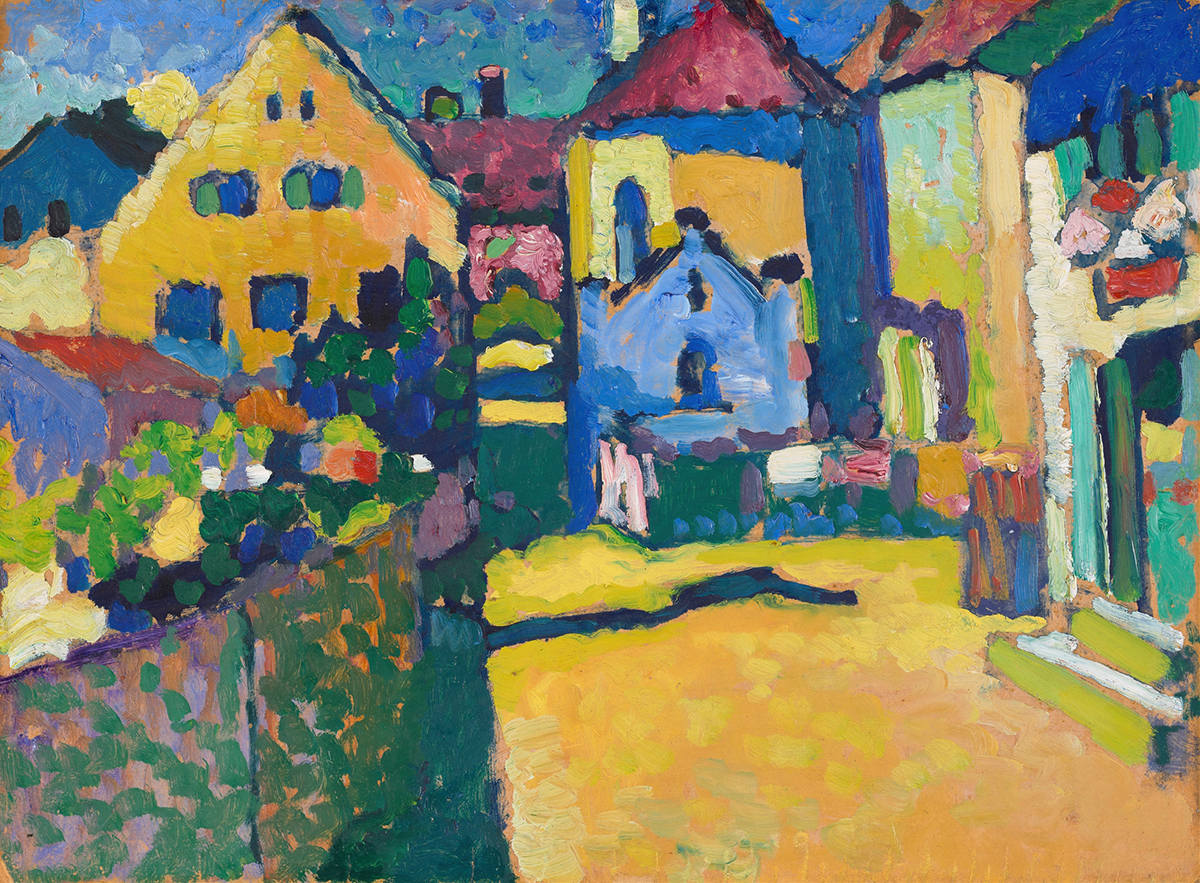
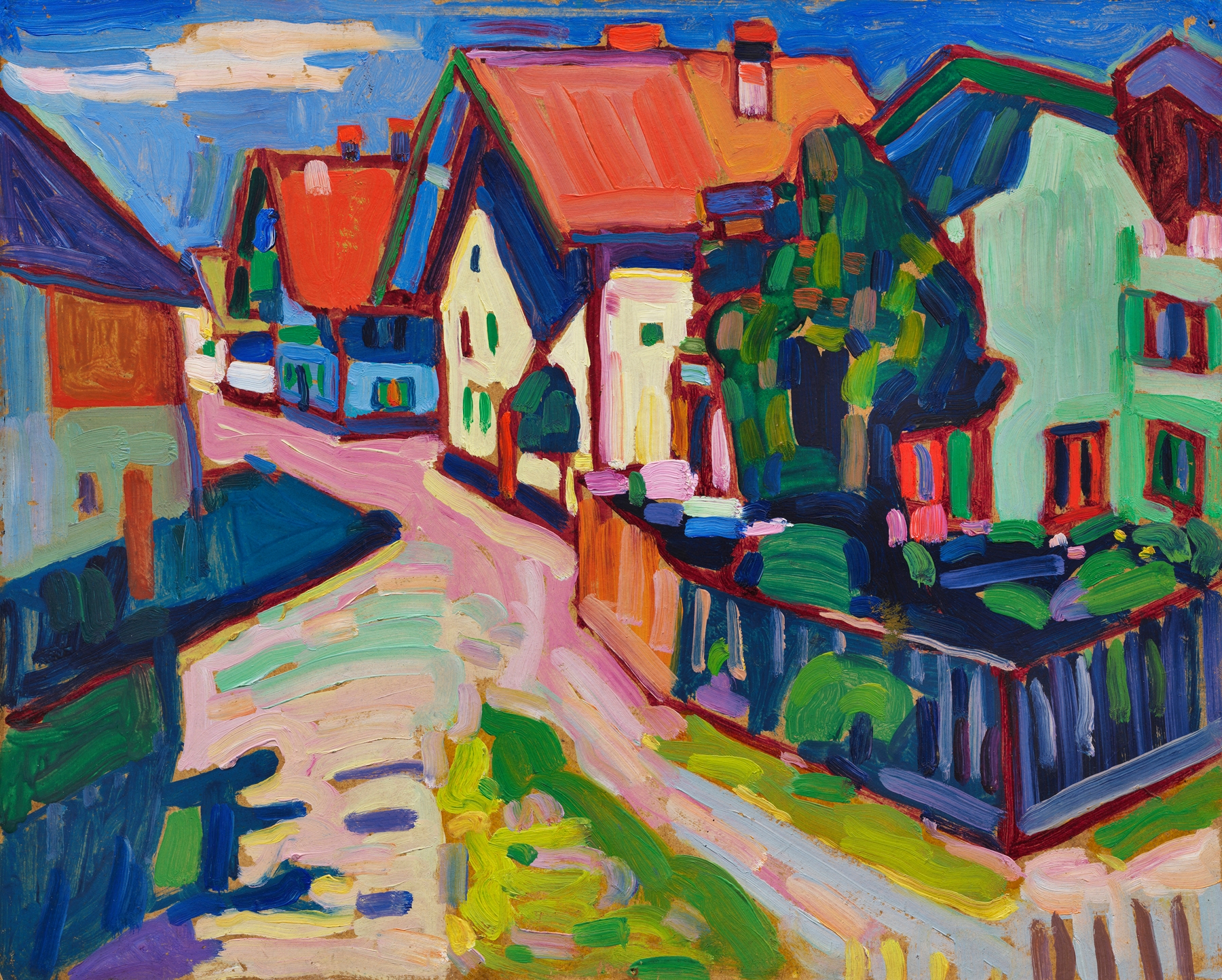
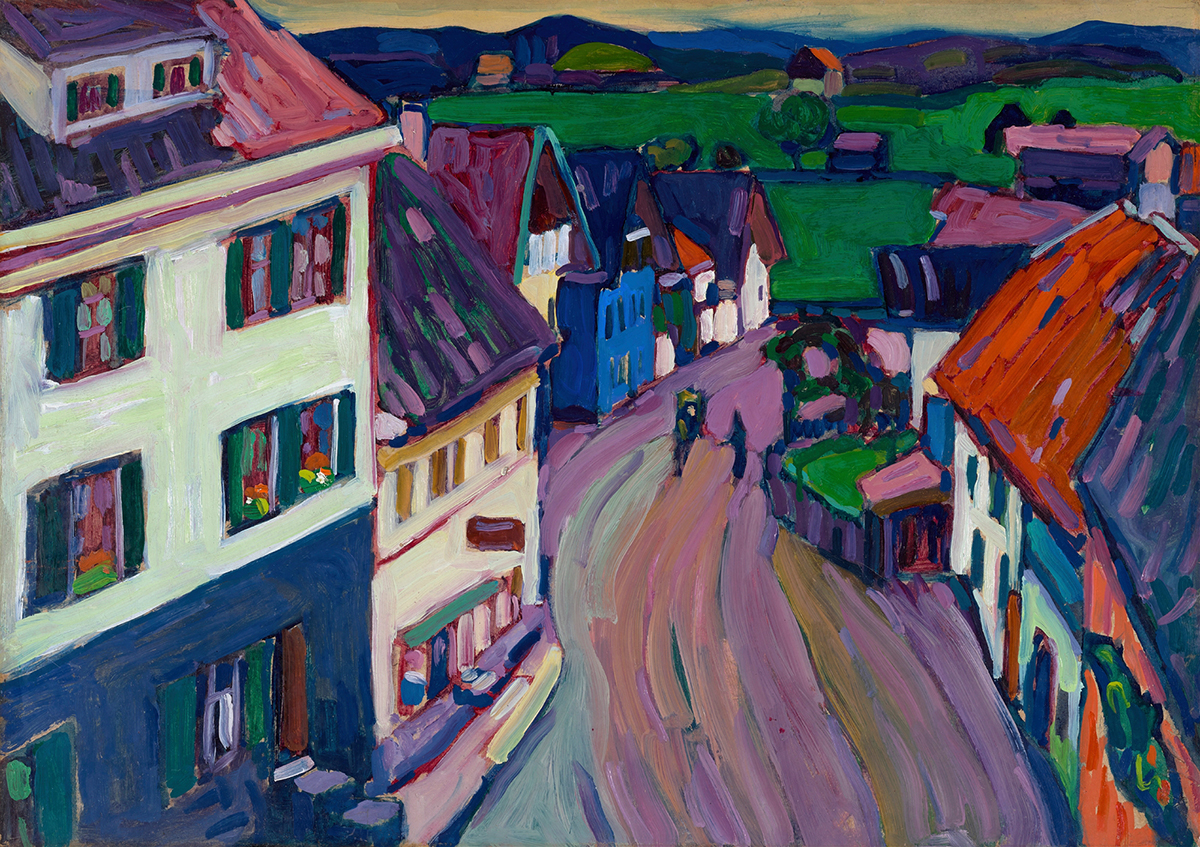
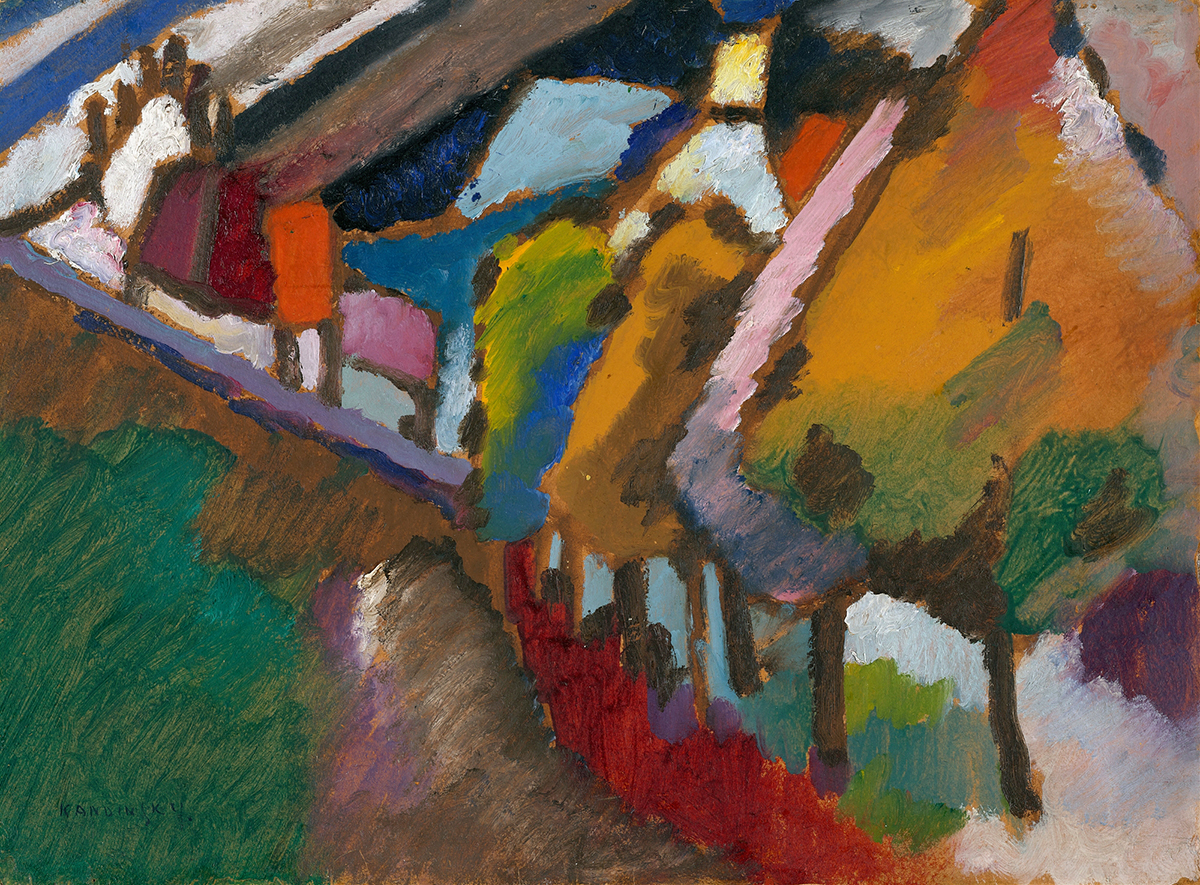
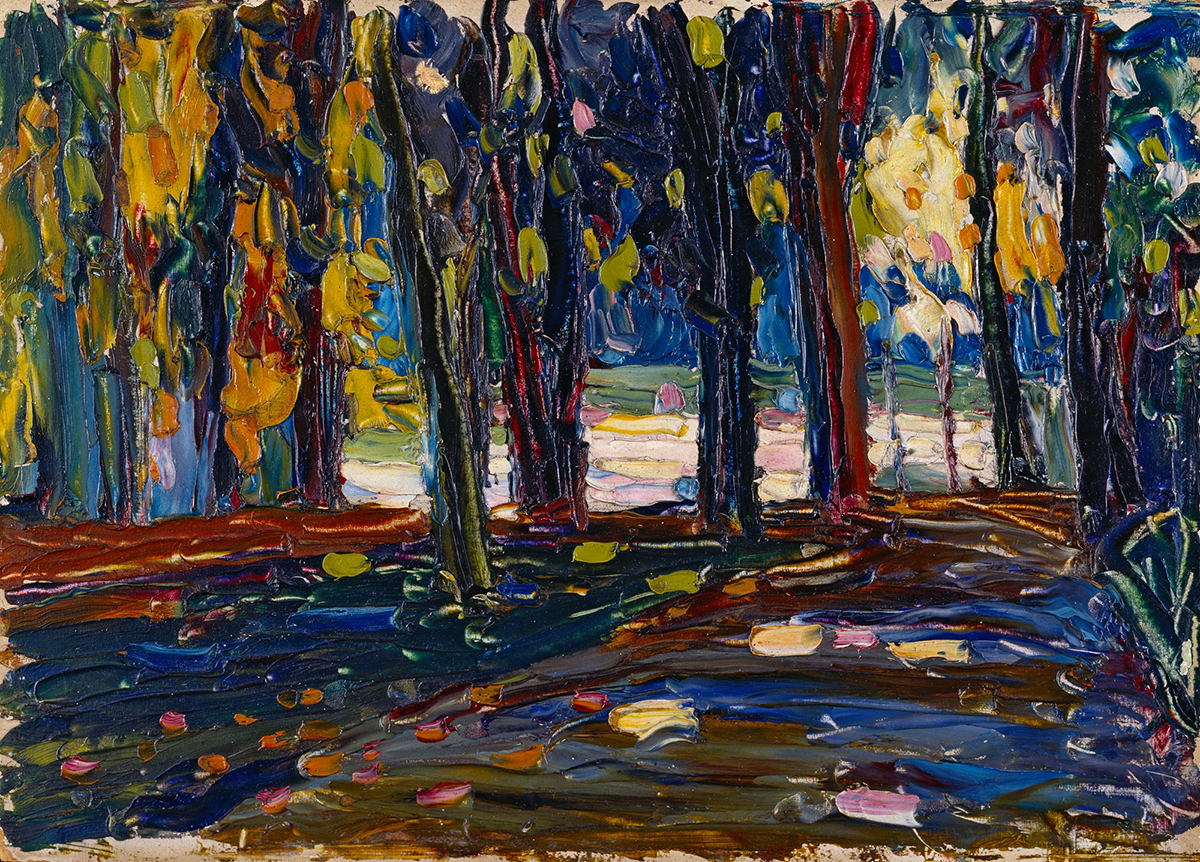
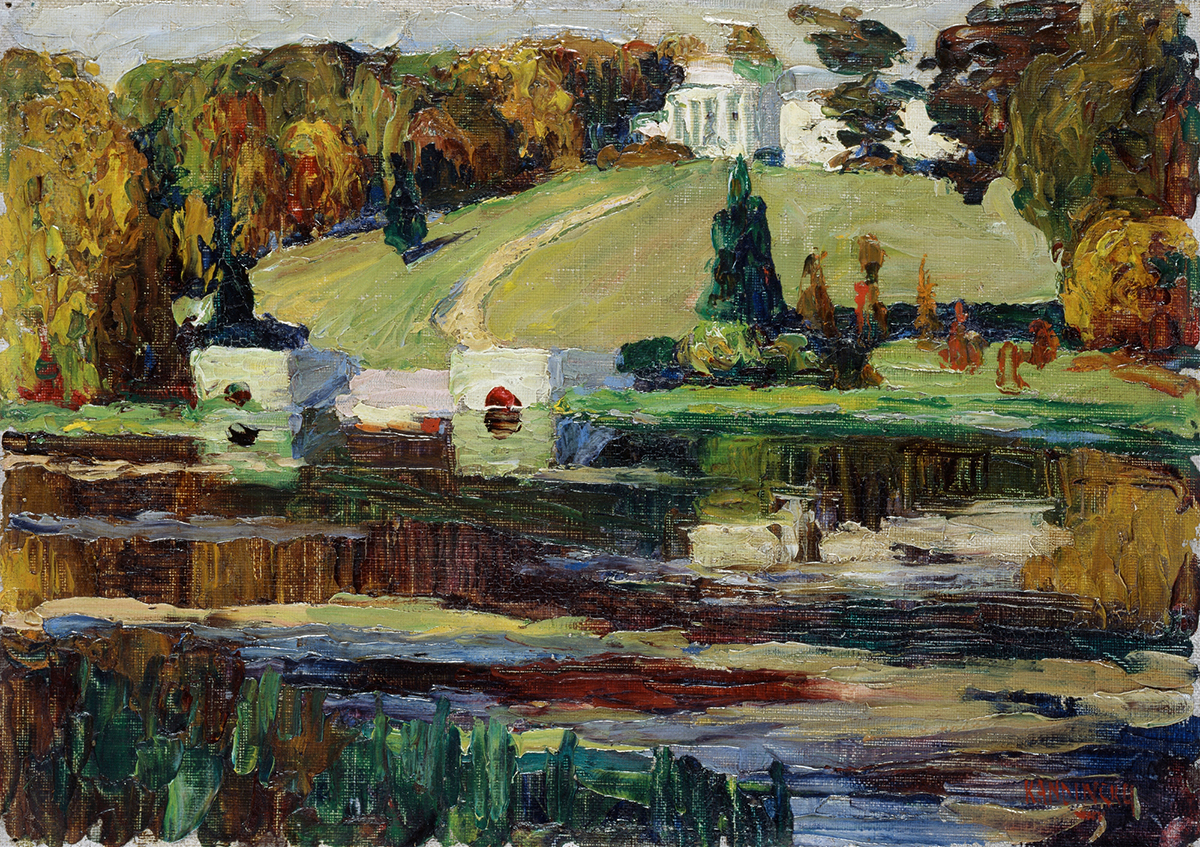
“Every silence here is a confession.” In the chaotic embrace of color and form, one can feel the echoes of unspoken truths vying for expression. Each stroke pulses with an intensity that invites contemplation of the disarray around us—an invitation to explore the beauty within the tempest. Focus on the vibrant spectrum of hues that dance across the canvas, a tumult of reds, blues, and yellows that seem to collide and merge. The swirling shapes, bold and angular, draw our gaze into a whirlwind of movement, while softer curves suggest a hidden harmony within the chaos.
The juxtaposition of sharp lines against softer forms creates an intriguing tension, guiding the eye through the tumultuous landscape Kandinsky has constructed. As you delve deeper, notice the contrasts woven into the fabric of the composition. The chaotic bursts of color signify emotional upheaval, yet they are countered by a sense of rhythm that hints at an underlying order. Observe how the darker elements anchor the more vibrant areas, revealing a struggle between despair and hope.
Each layer seems to confess its own story of turmoil and revelation, urging the viewer to confront their own inner chaos. In 1901, Kandinsky was immersed in the rich artistic milieu of Munich, where he was exploring the relationships between color and emotion. During this period, he was influenced by the burgeoning Expressionist movement, which sought to convey emotional experiences rather than mere appearances. This painting emerged at a time of personal introspection and transformation for the artist, who was beginning to realize the power of abstraction in articulating the tumult of human experience.