Skiffs — History & Analysis
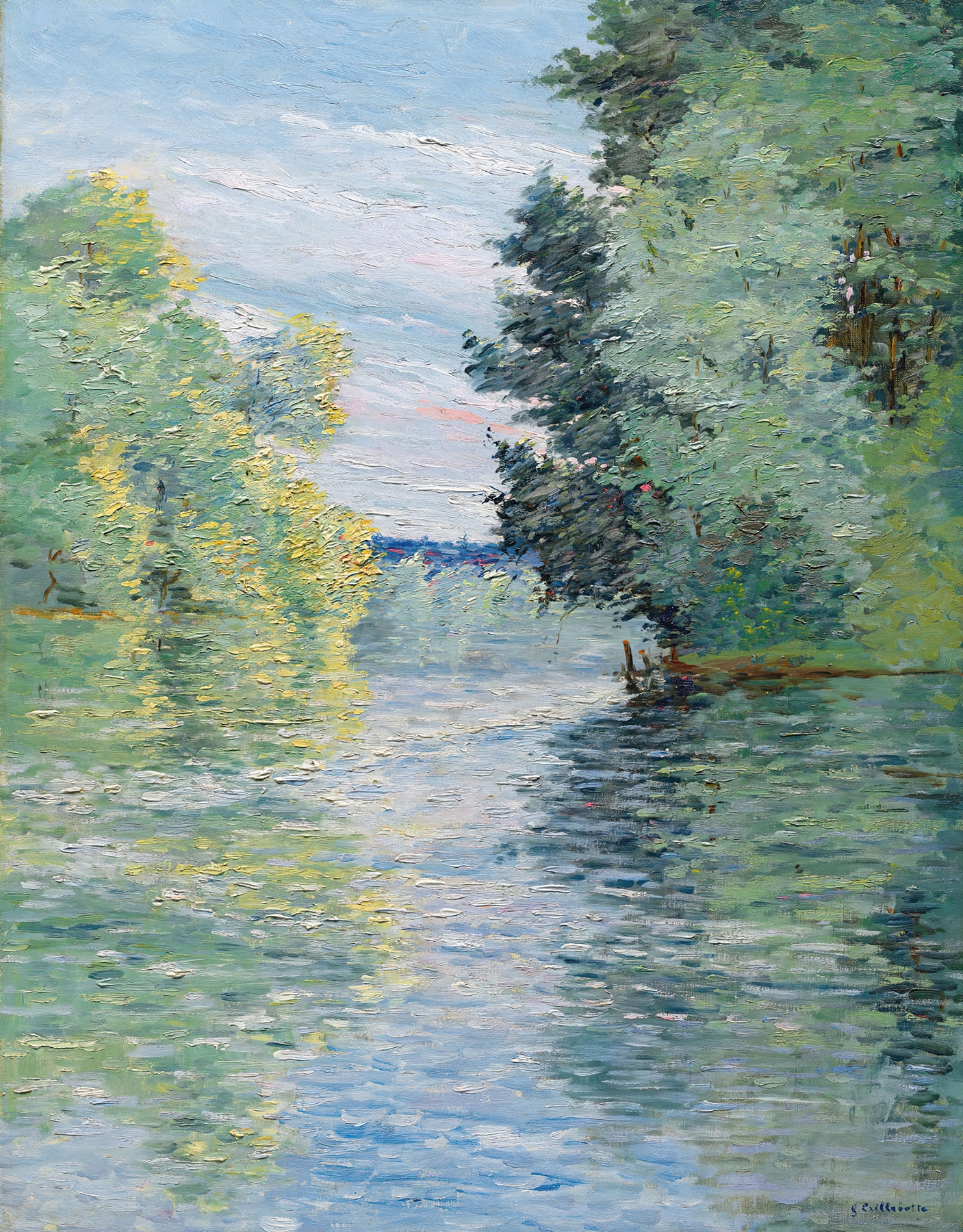
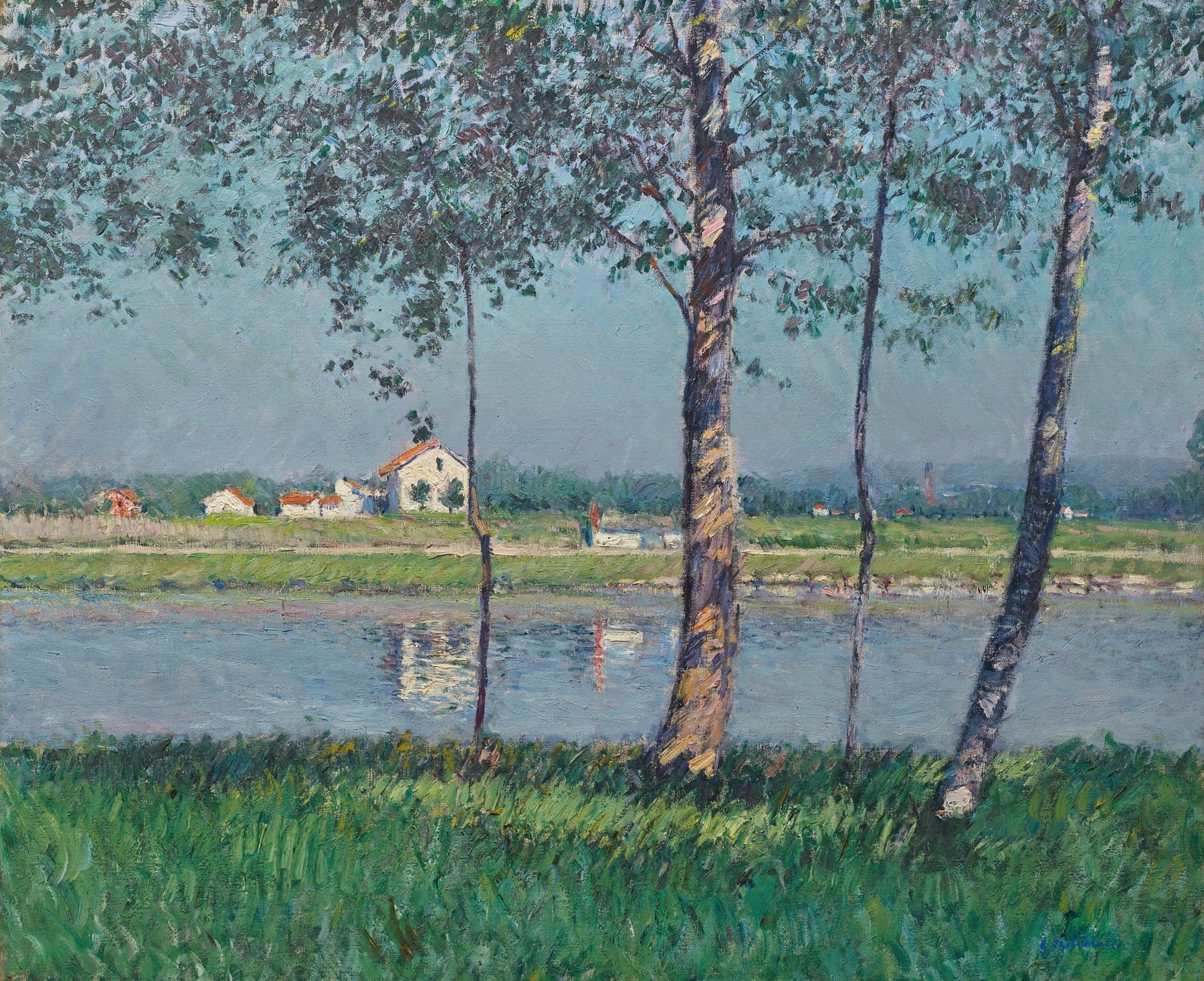
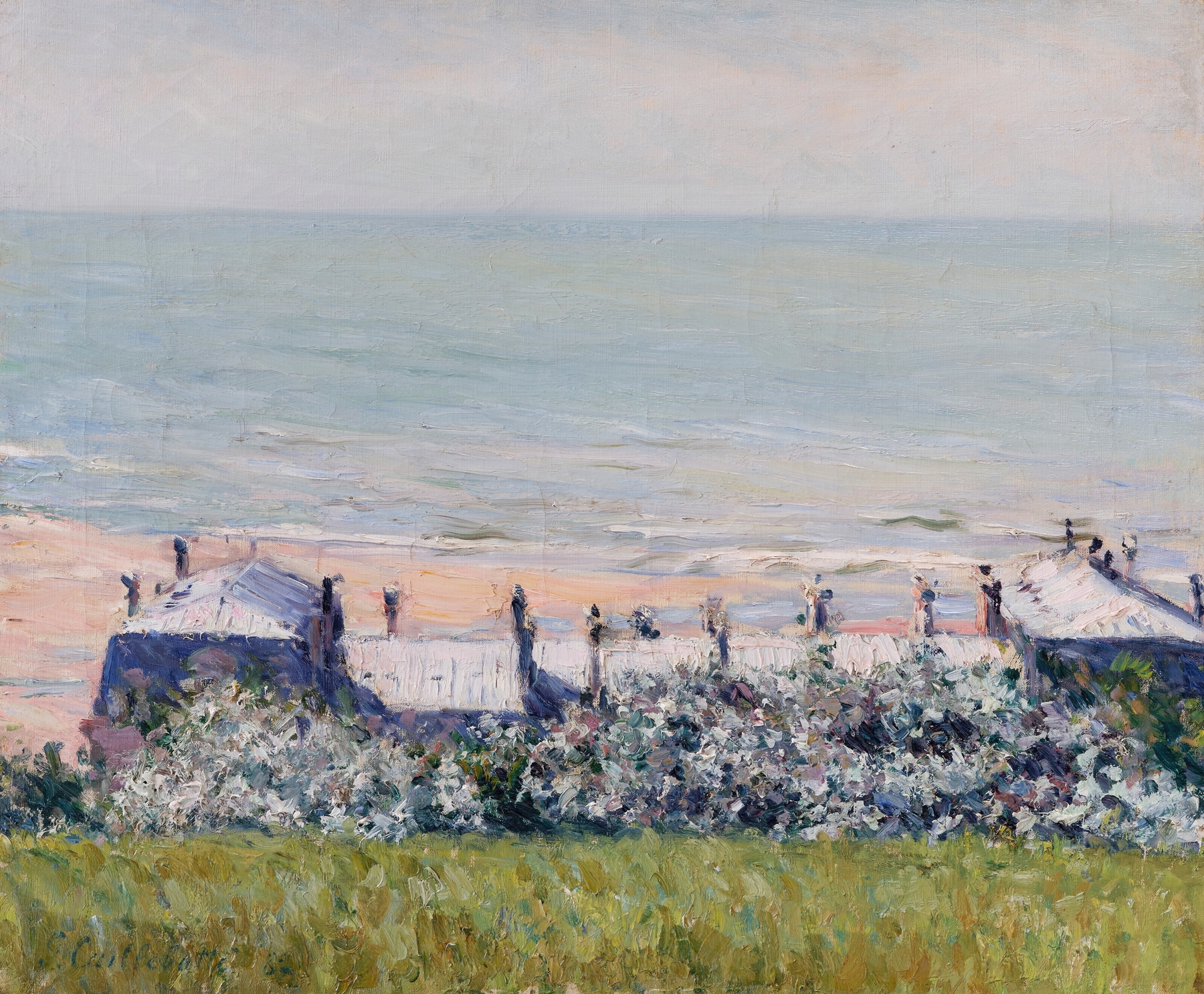
What if beauty was never meant to be finished? In Skiffs, a fleeting moment captures the interplay between nature and man, evoking a dialogue of revolution in art and perception. Look to the center, where the gentle silhouettes of skiffs float lazily on a shimmering river. The delicate brushstrokes of greens and blues blend seamlessly, evoking the fluidity of water, while the stark white boats contrast sharply against the tranquil backdrop. Notice how the light dances upon the surface, each ripple reflecting not only the sun's brilliance but also hinting at the spontaneity of life itself.
Caillebotte’s technique—a meticulous attentiveness to the effects of light and color—invites the viewer to linger, to absorb the scene’s serenity. Beneath this calm exterior lies a complexity of contrasts, from the stillness of the boats to the lively ripples they create. The composition suggests a momentary pause in a world ever in motion, a tension between serenity and the inevitable change around it. This interplay might reflect the societal shifts of the time, with burgeoning industrialization juxtaposed against the timelessness of nature.
The vulnerability of the human experience is echoed in the boats, seemingly unmoored yet beautifully afloat in a world of flux. Painted in 1877, Caillebotte worked in Paris during a time of great artistic revolution—impressionism was gaining prominence, and this canvas embodies that spirit. The artist, influenced by his contemporaries, sought to capture not just landscapes but the very essence of life as it unfolded. In this period, he was honing his distinctive style, which focused on ordinary scenes infused with extraordinary perception.