Skizze zur Grunewaldrennbahn — History & Analysis
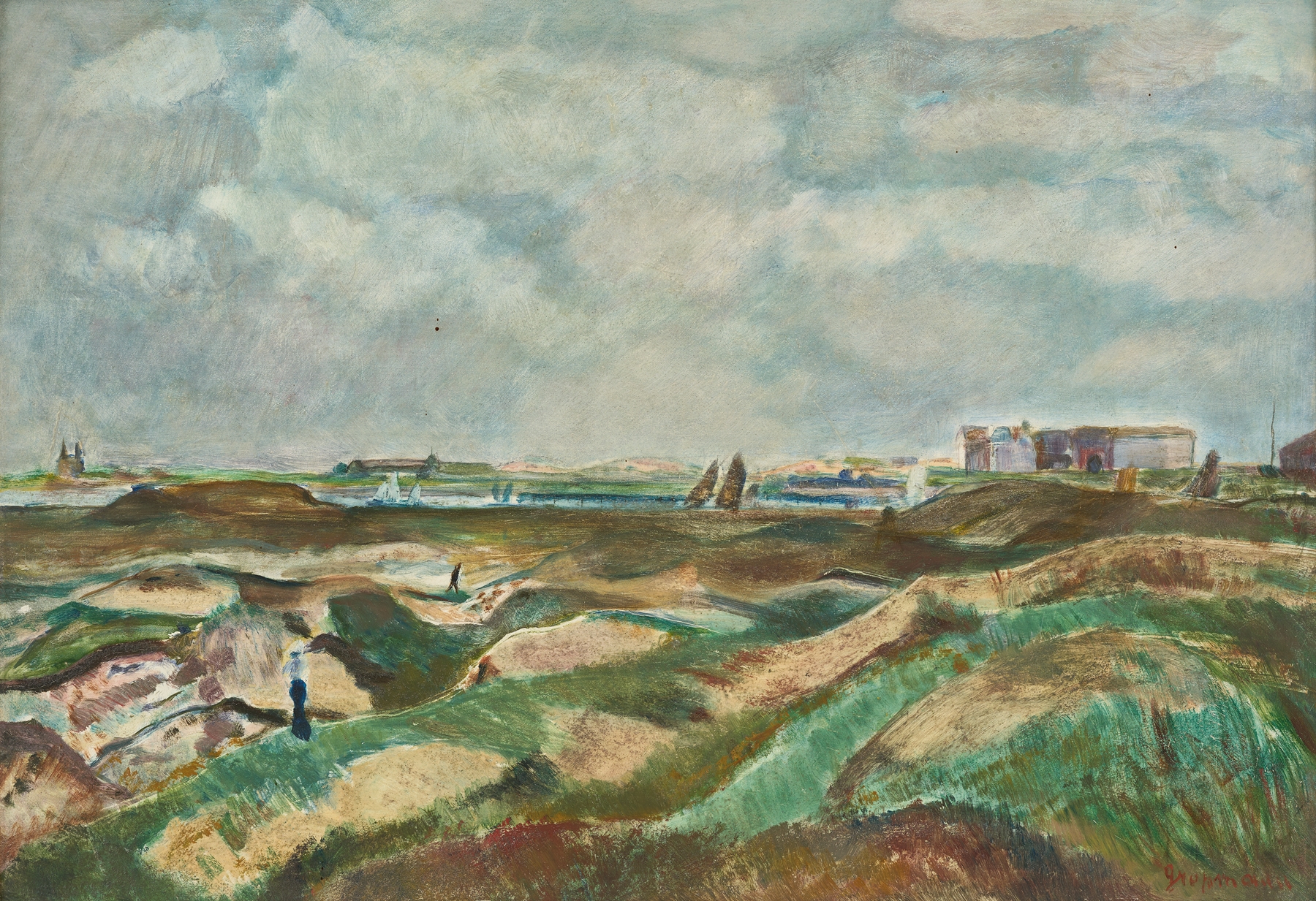
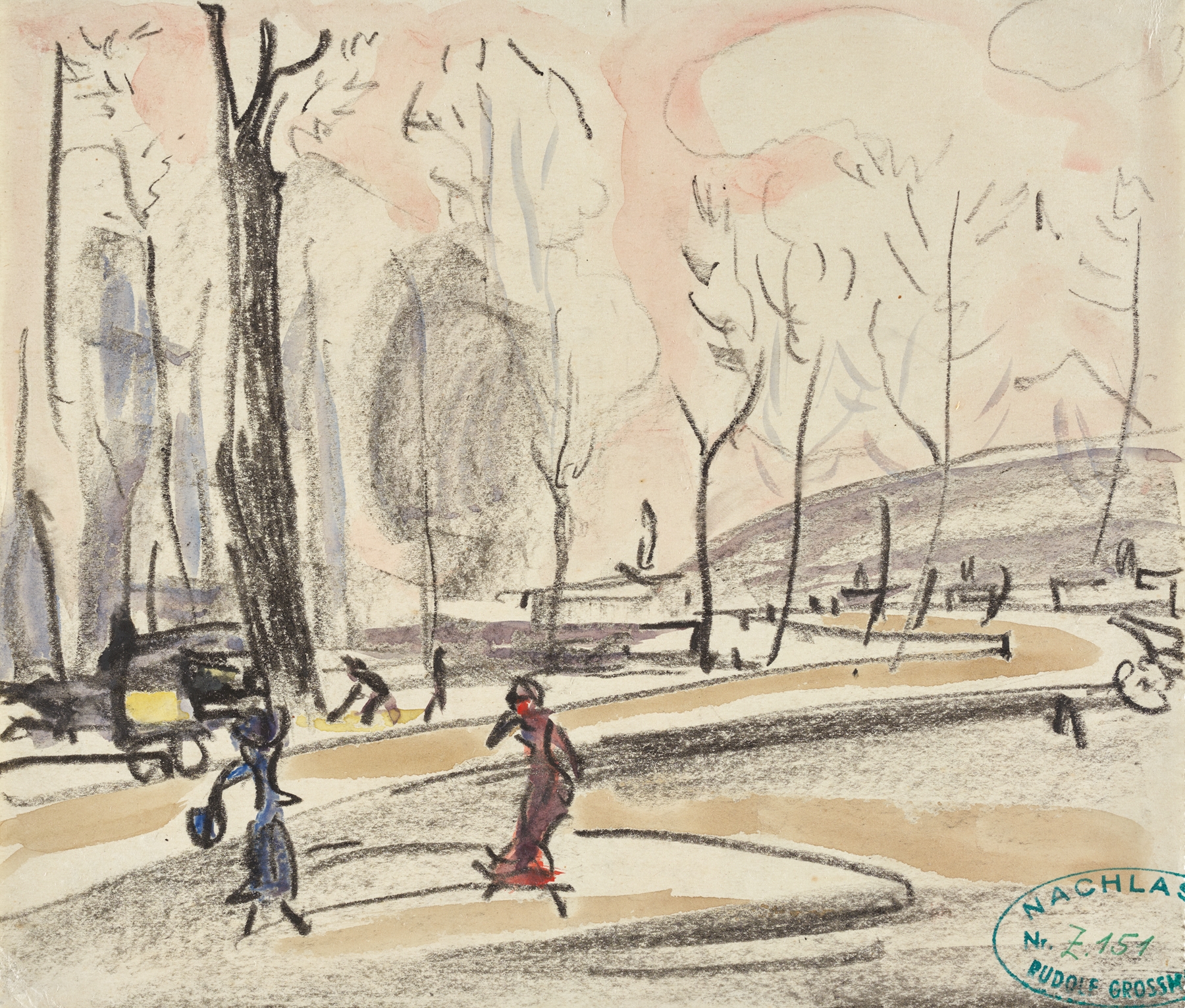
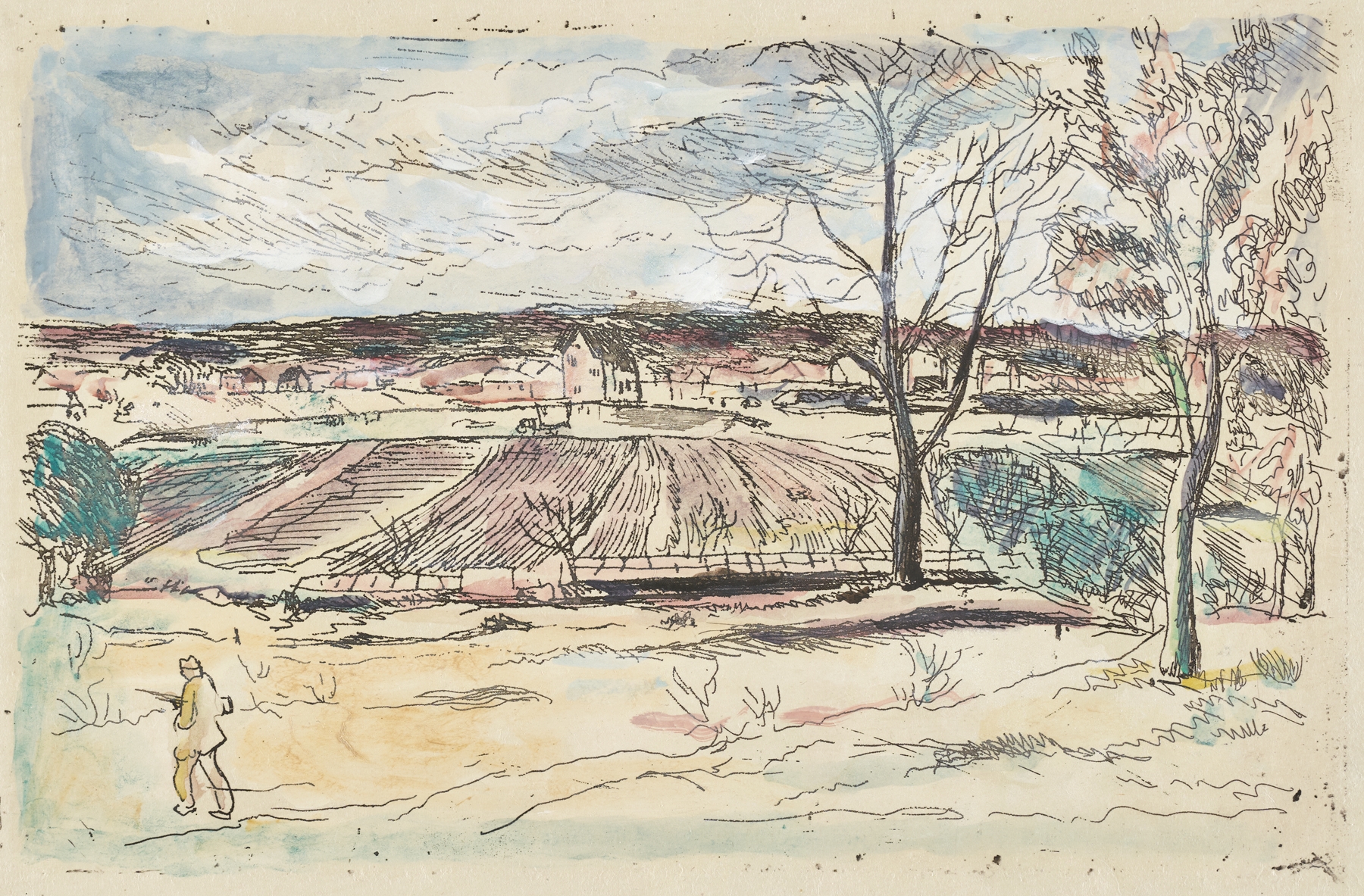
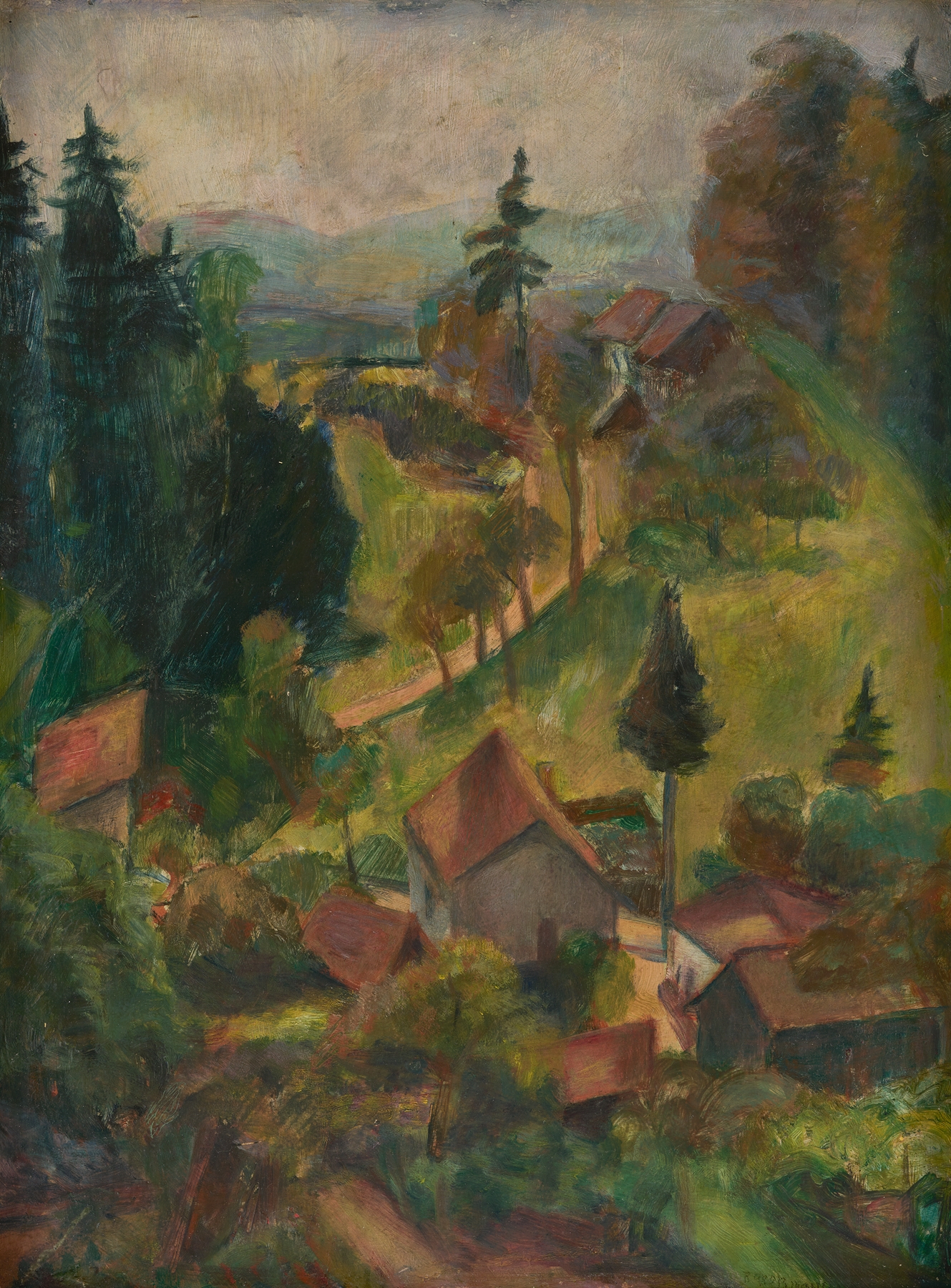
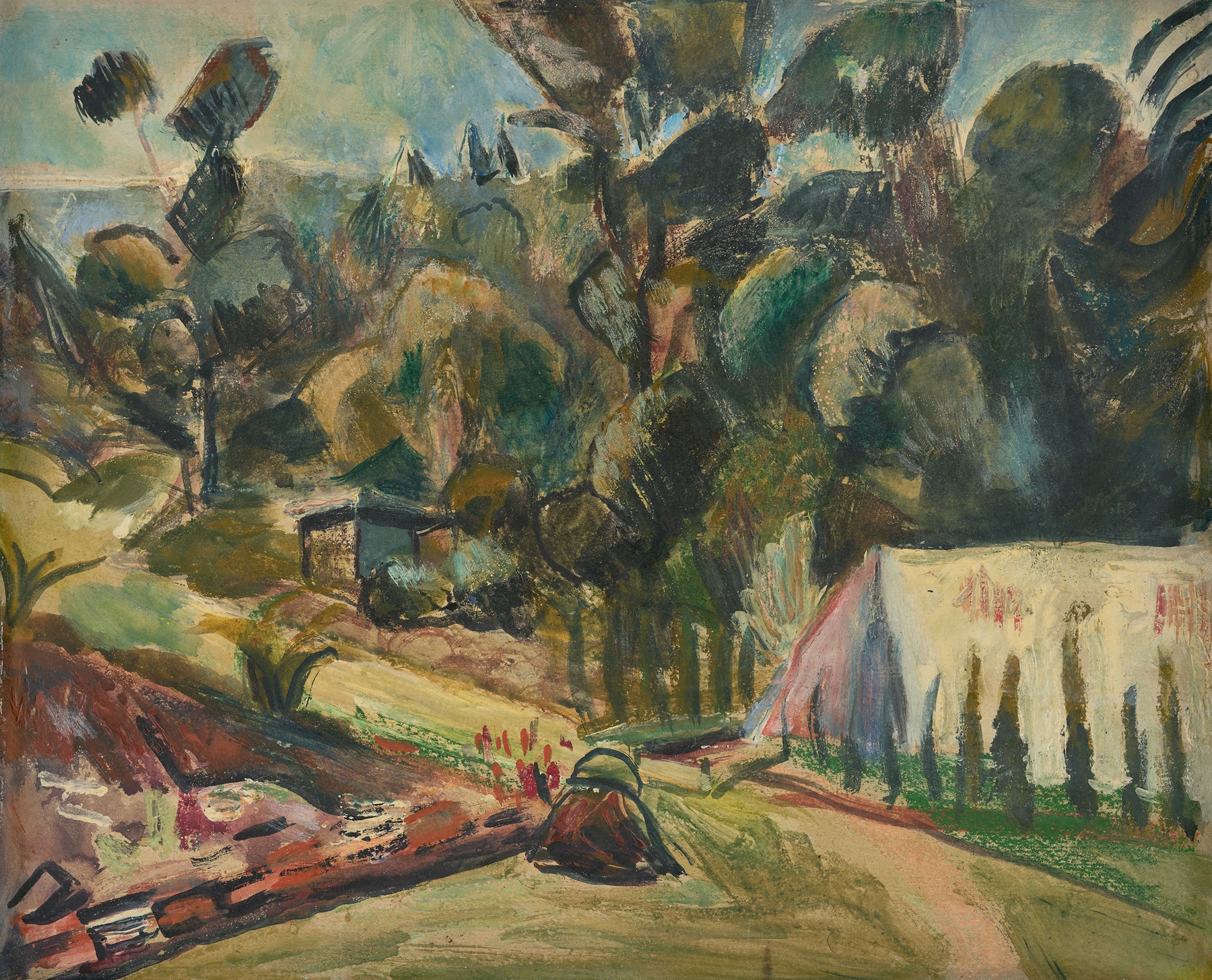
“To paint is to remember what time wants us to forget.” In Skizze zur Grunewaldrennbahn, serenity lingers like a whisper, capturing a fleeting moment that transcends the chaos of the outside world. Look to the center where soft hues of green intertwine with gentle blues, creating a tranquil landscape that invites the viewer's eye to wander. Notice how the delicate brushstrokes evoke a sense of movement, as if the grass is caressed by a gentle breeze.
The composition is anchored by a distant horizon, suggesting depth and the promise of the unknown, while a subtle interplay of light and shadow enhances the calm atmosphere enveloping the scene. Diving deeper, the juxtaposition between the verdant foreground and the tranquil sky hints at a deeper emotional narrative. Here, nature’s serenity contrasts with the impending changes of the early 20th century, reflecting a momentary escape from the turmoil of urbanization and industrialization.
The soft lines and muted colors serve as a reminder of the peace that can be found within ourselves, even as the world spins into uncertainty. Rudolf Grossmann painted this sketch between 1910 and 1914, during a time of significant transformation in both his life and the broader art landscape. As modernism began to take hold, he balanced traditional representational techniques with the emerging avant-garde movements, capturing the essence of a changing society while grounding it in the timeless beauty of nature.