Small Point Field — History & Analysis
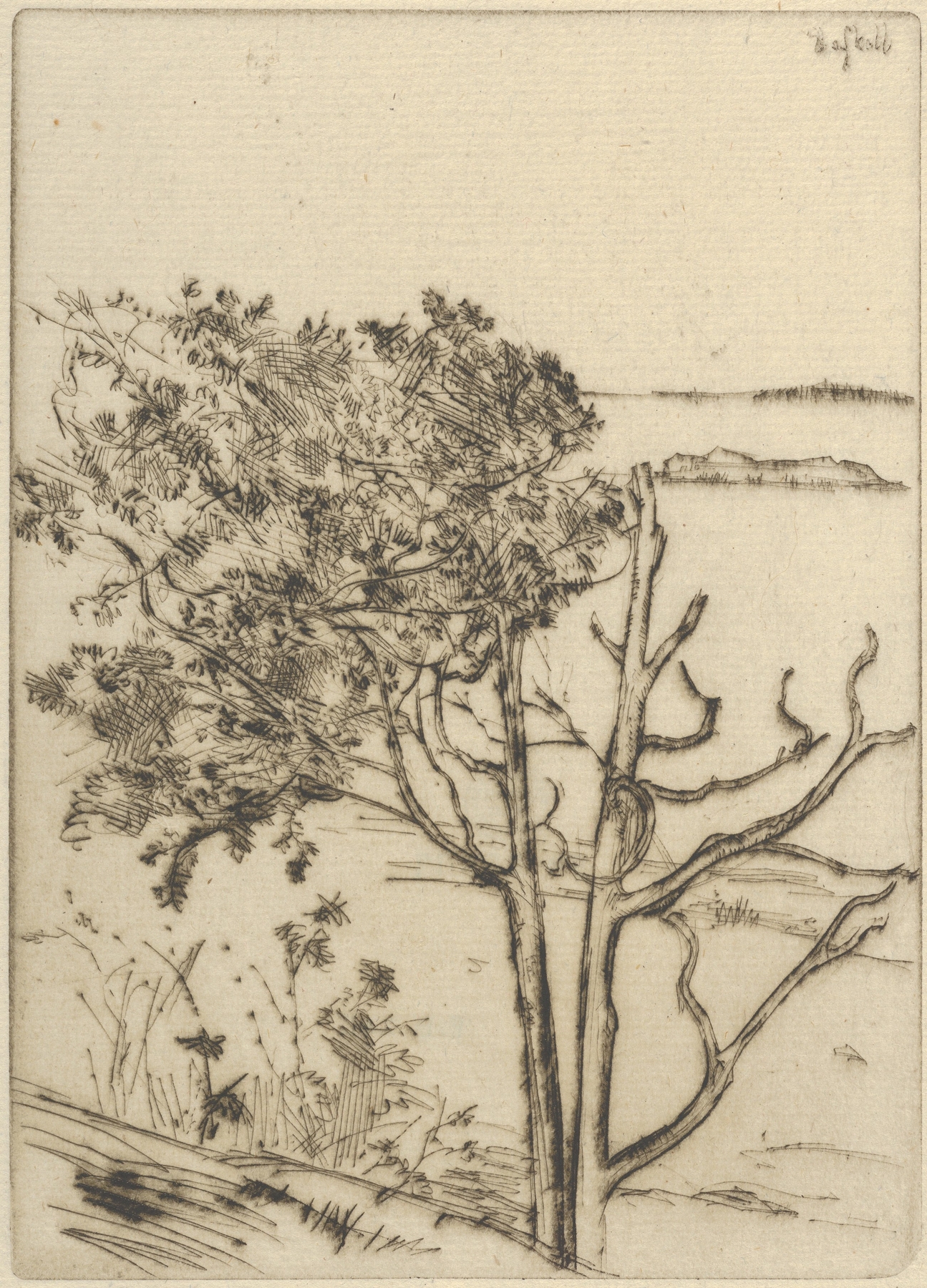
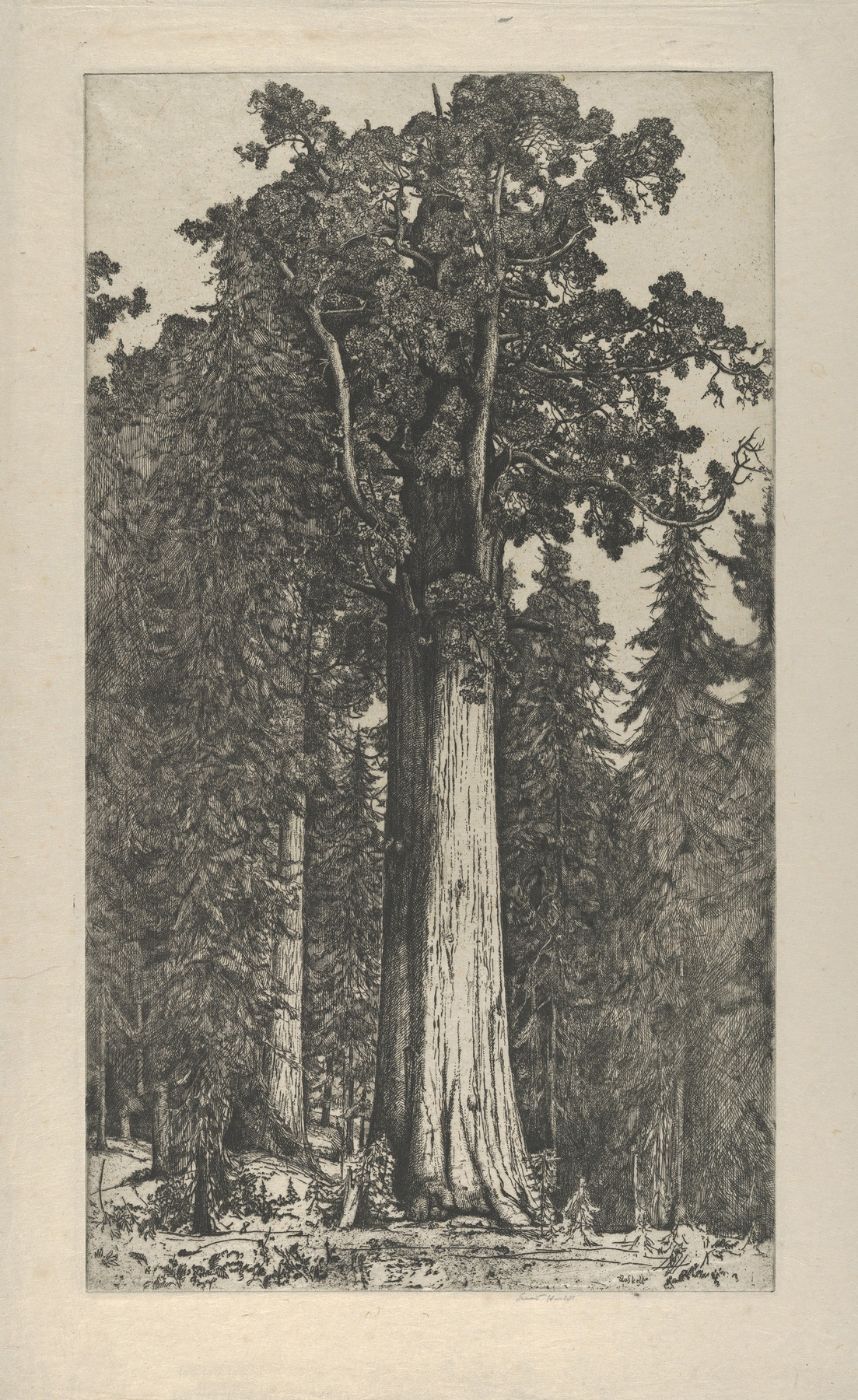
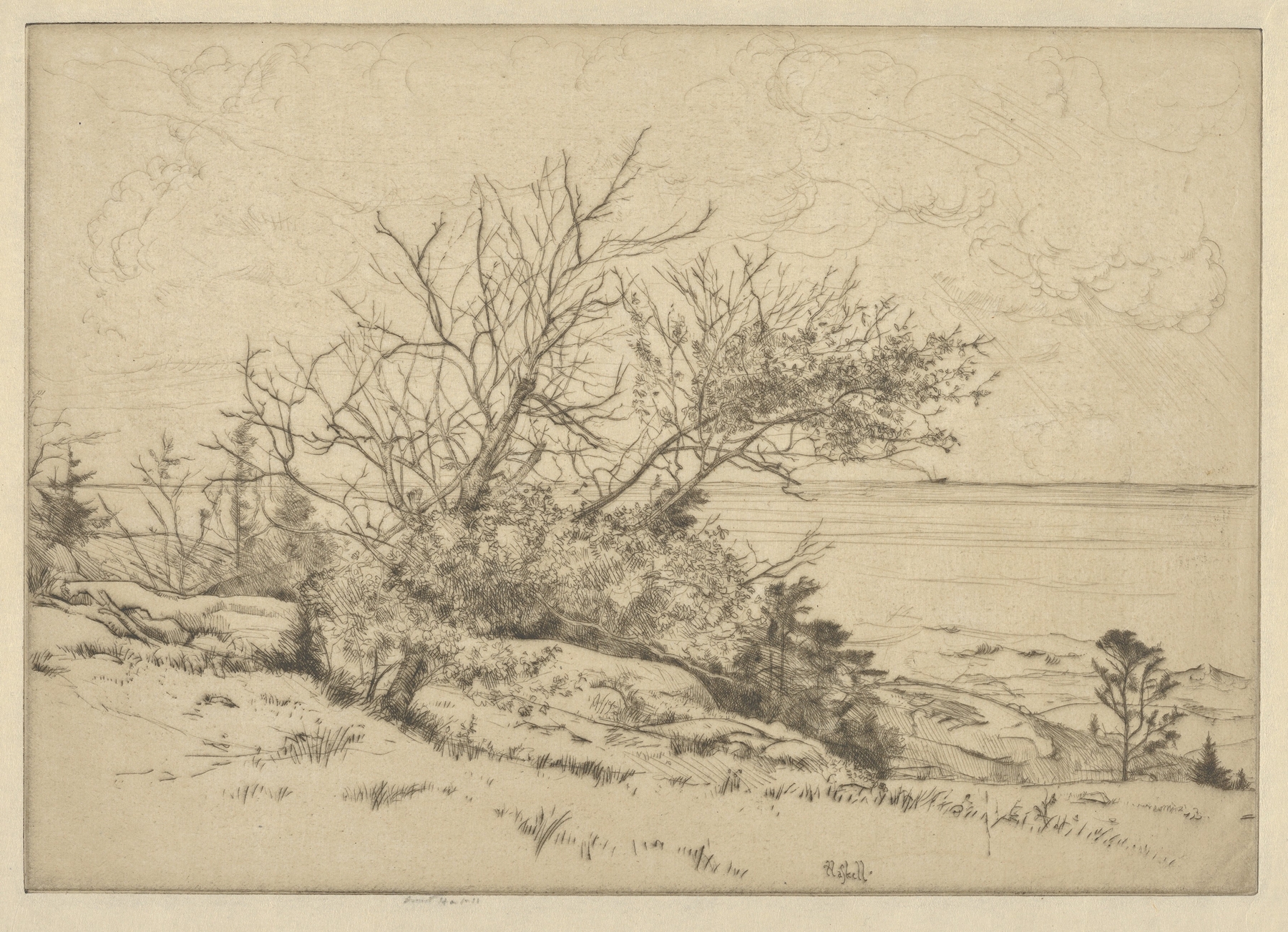
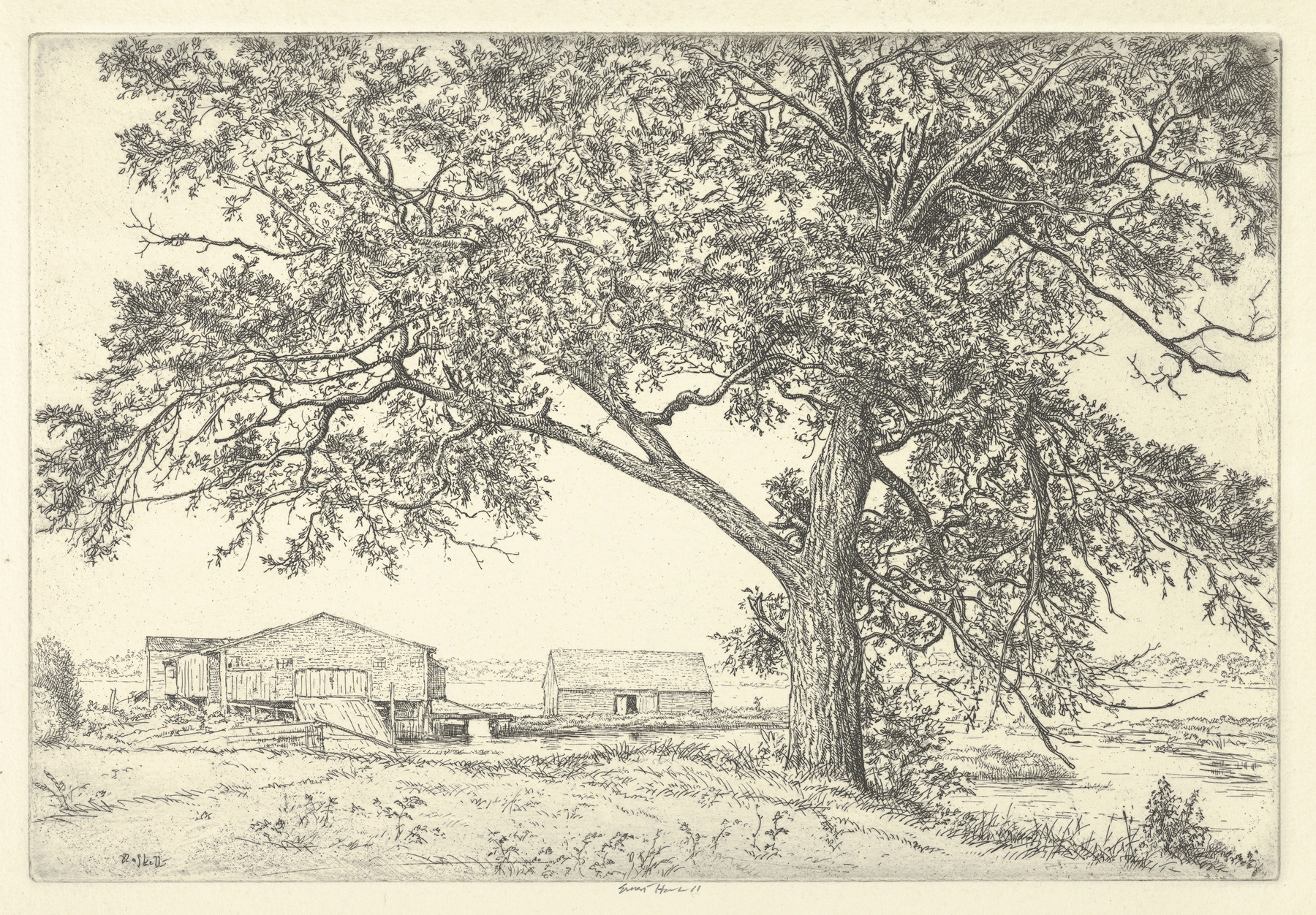
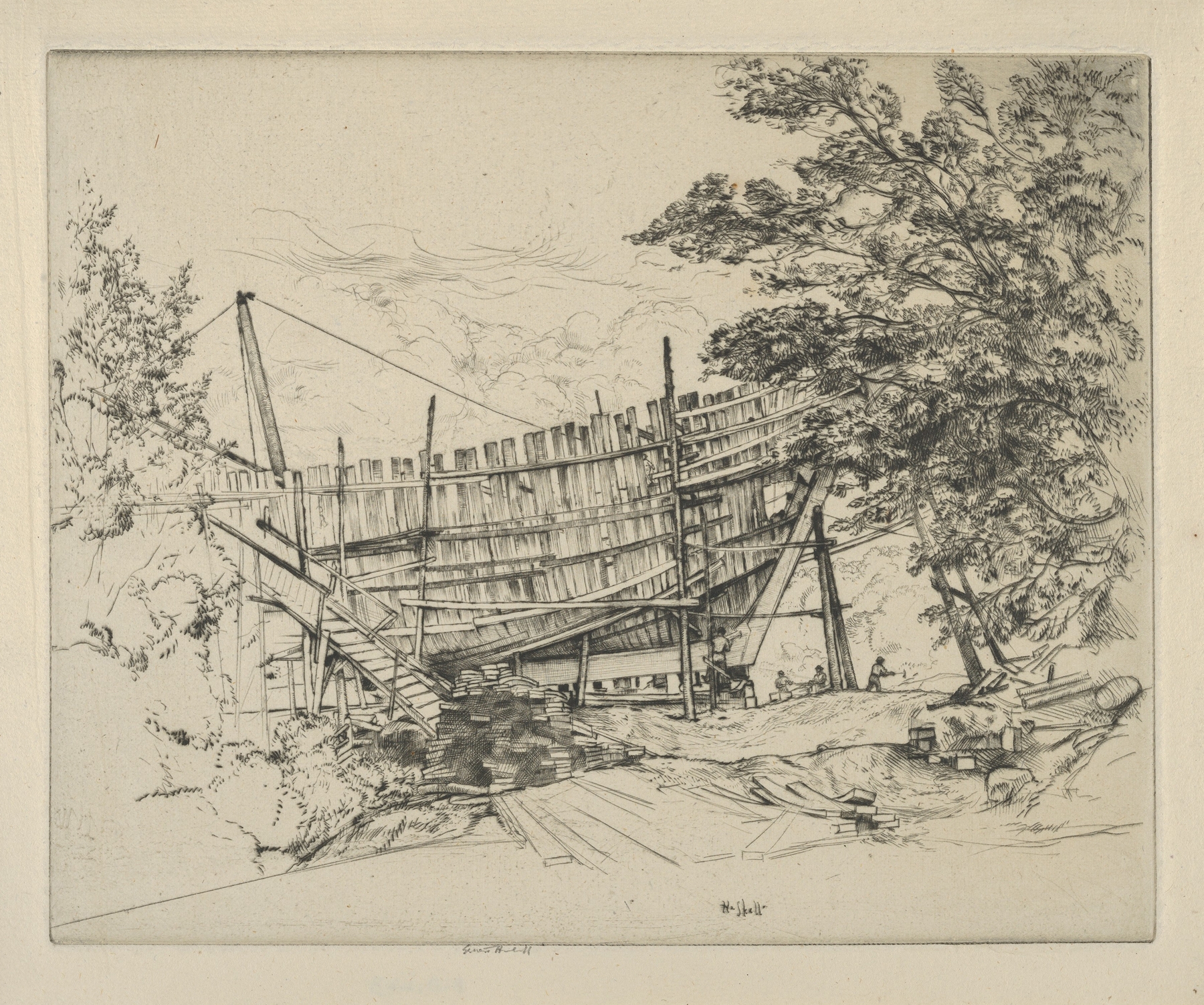
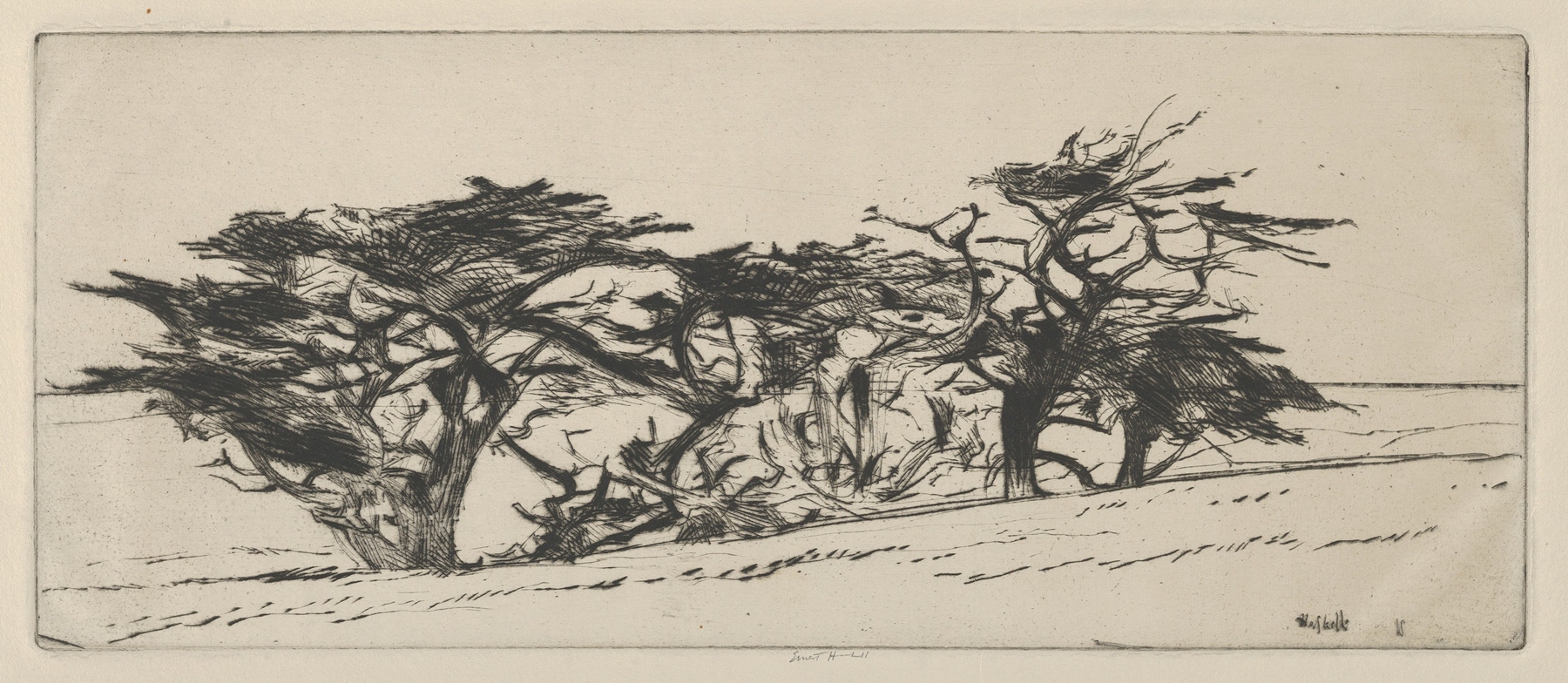
When did color learn to lie? In a world where hues can deceive, the boundaries between reality and art become tantalizingly blurred, inviting both wonder and trepidation. Look to the left at the vivid greens, a lush expanse that draws you in with an almost magnetic allure. The artist’s brushwork dances with texture, creating a tactile landscape that feels alive yet haunted. Notice how the colors shift subtly, from vibrant emeralds to shadowy olives, suggesting an undercurrent of unease lurking beneath the surface.
The composition is structured yet organic, guiding your gaze through a maze of color that feels both inviting and claustrophobic. The tension in this piece emerges from its juxtaposition of light and dark, innocence and fear. The bright splashes of color seem to whisper promises of beauty, yet they are accompanied by shadows that loom ominously. Small details, such as the fleeting brush strokes that hint at something more sinister, create a sense of foreboding.
The interplay of warmth and chill evokes a feeling of vulnerability, as if the viewer stands at the precipice of a serene yet perilous world. During the years 1900 to 1925, Haskell was immersed in the transformative movements of American art. Living in an era marked by the transition from realism to abstraction, he explored new techniques and perspectives. This period saw artists challenging the conventions of visual representation, and Haskell was no exception, capturing the complexities of emotion through his color choices and composition.