Soldaat zittend op een boomstronk — History & Analysis
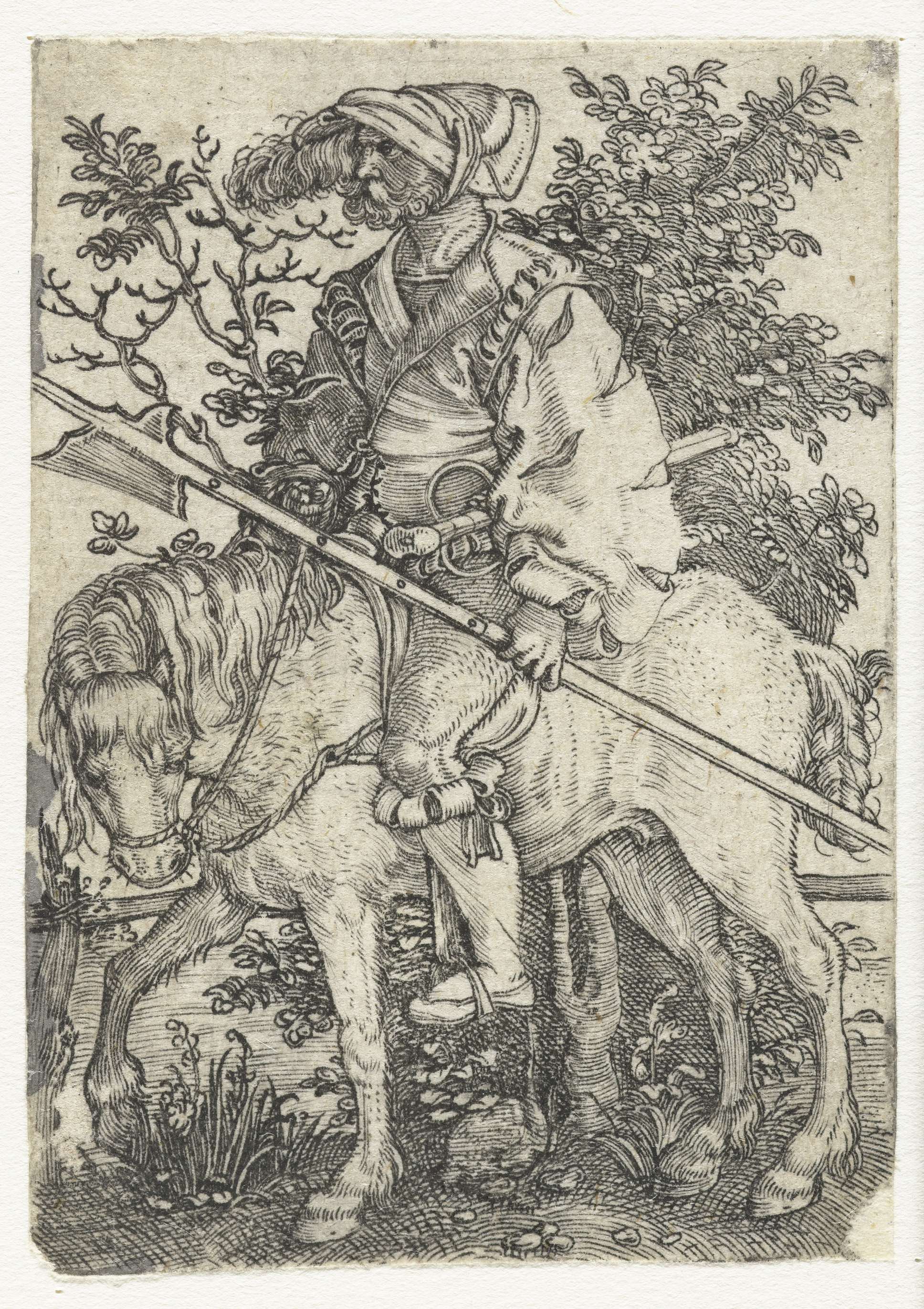
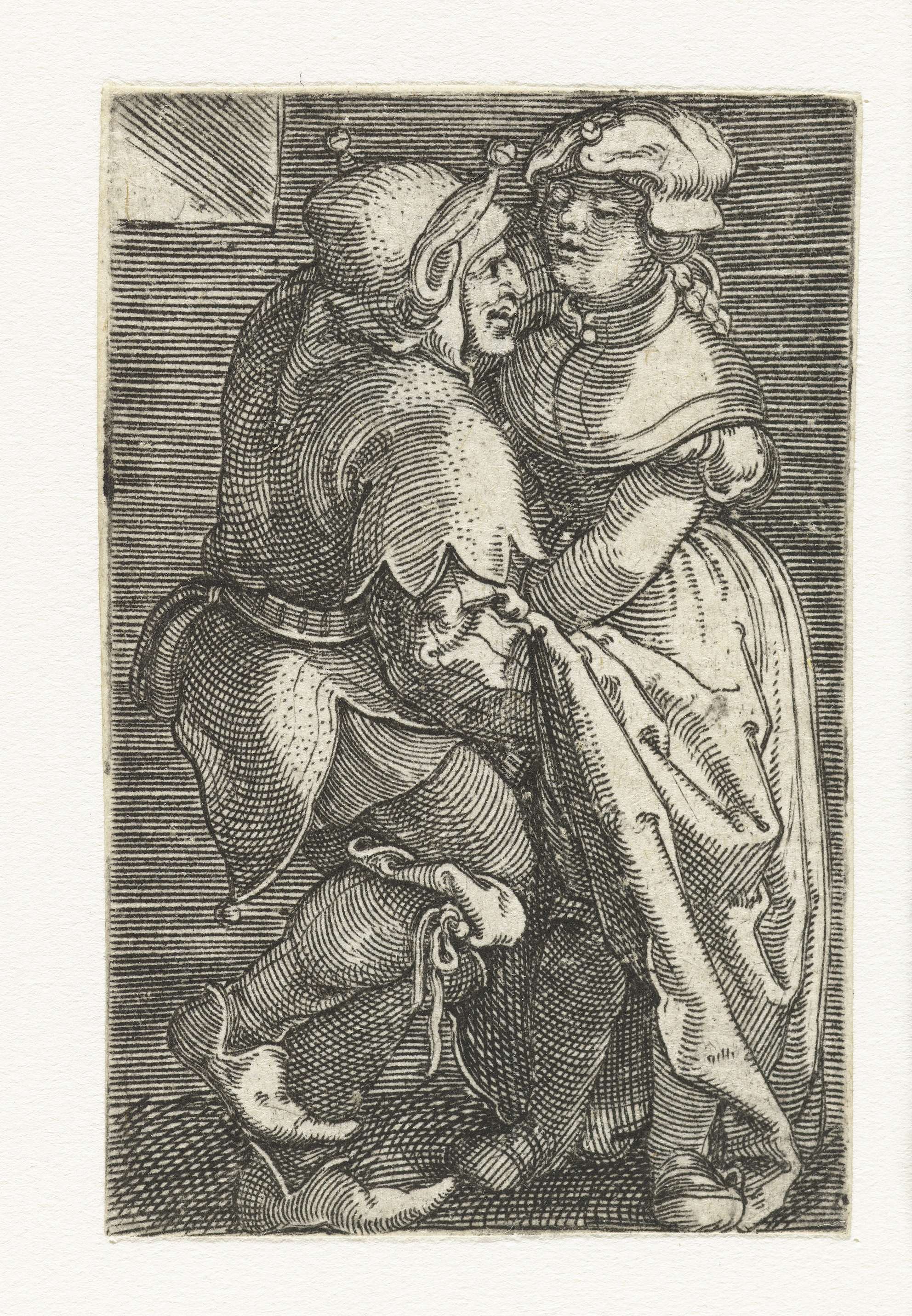
“The canvas doesn’t lie — it simply waits.” In Soldaat zittend op een boomstronk, a solitary soldier embodies the complexity of human existence, caught between valor and vulnerability. The painting invites us to confront the awe-inspiring portrayal of the human spirit, urging us to delve deeper into its silent narrative. Focus first on the soldier’s contemplative expression, an arresting blend of resolve and weariness. Look closely at the interplay of light and shadow that defines the contours of his face, revealing the rugged texture of his skin and the thoughtful furrow of his brow. The muted earth tones of his attire contrast sharply with the vibrant greens surrounding him, as the soldier's sturdy figure stands out against the soft, blurred backdrop of nature.
The tree stump beneath him serves not only as a resting place but also as a metaphor for resilience, grounding him in a world that fluctuates with uncertainty. Hidden within the composition is a tension between strength and fragility. The soldier’s posture, relaxed yet alert, hints at a moment of pause in the chaos of war, suggesting that even the bravest must wrestle with their thoughts. The natural elements, rendered with meticulous detail, symbolize the impermanence of life, while the soldier's steadfastness speaks to the enduring nature of the human condition.
Each brushstroke captures a narrative woven with introspection, inviting viewers to reflect on their own battles and moments of stillness. Barthel Beham created this work during the early 16th century, a period of significant change in Europe marked by the Protestant Reformation and the rise of humanism. Working primarily in Nuremberg, Beham was influenced by the dynamics of his time, where the gravitas of individual experience took precedence. This painting reflects his exploration of human emotion, capturing a moment that resonates with the struggles and triumphs of his contemporary world.