South gateway of the Capitol at Washington, D.C. — History & Analysis
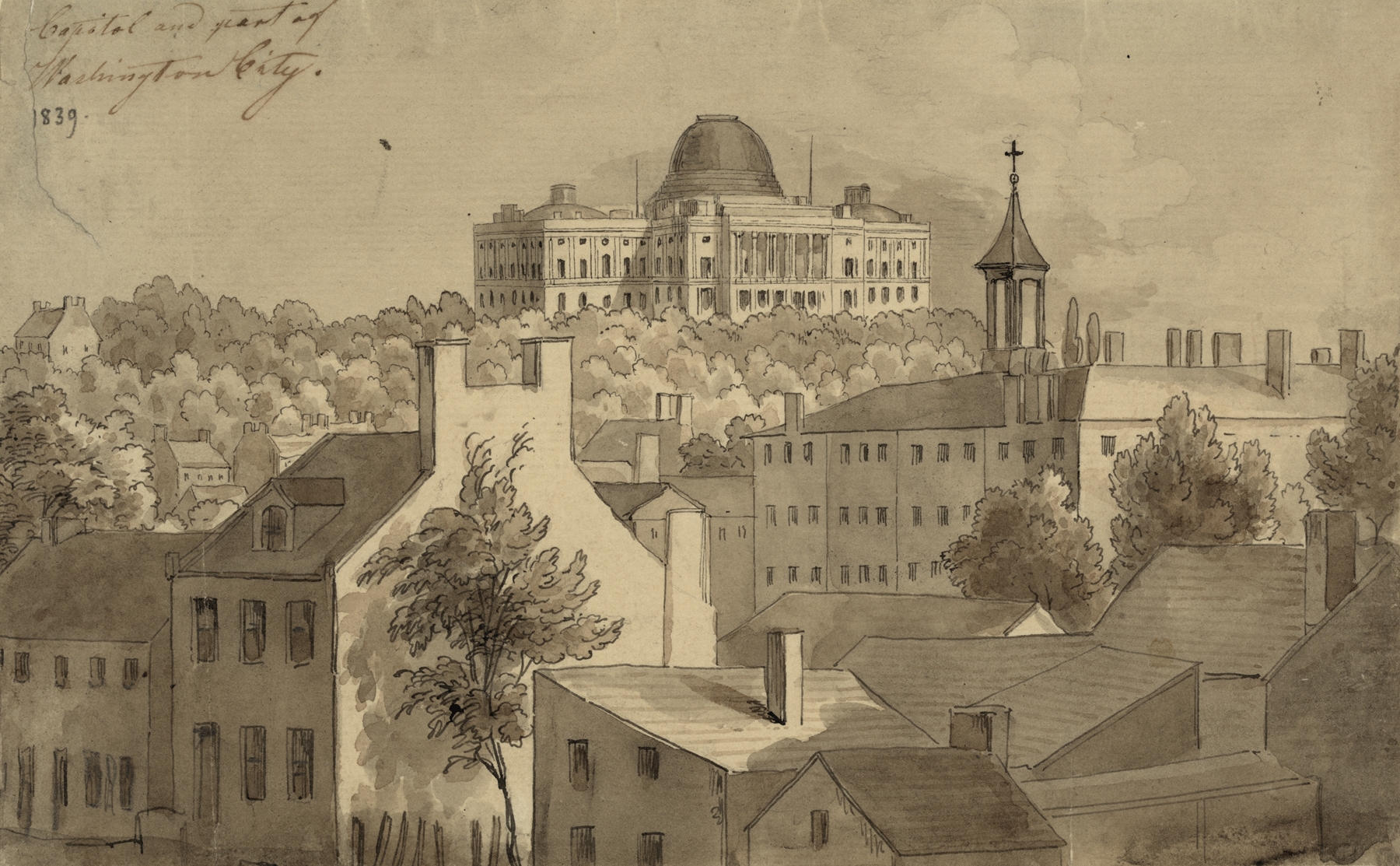
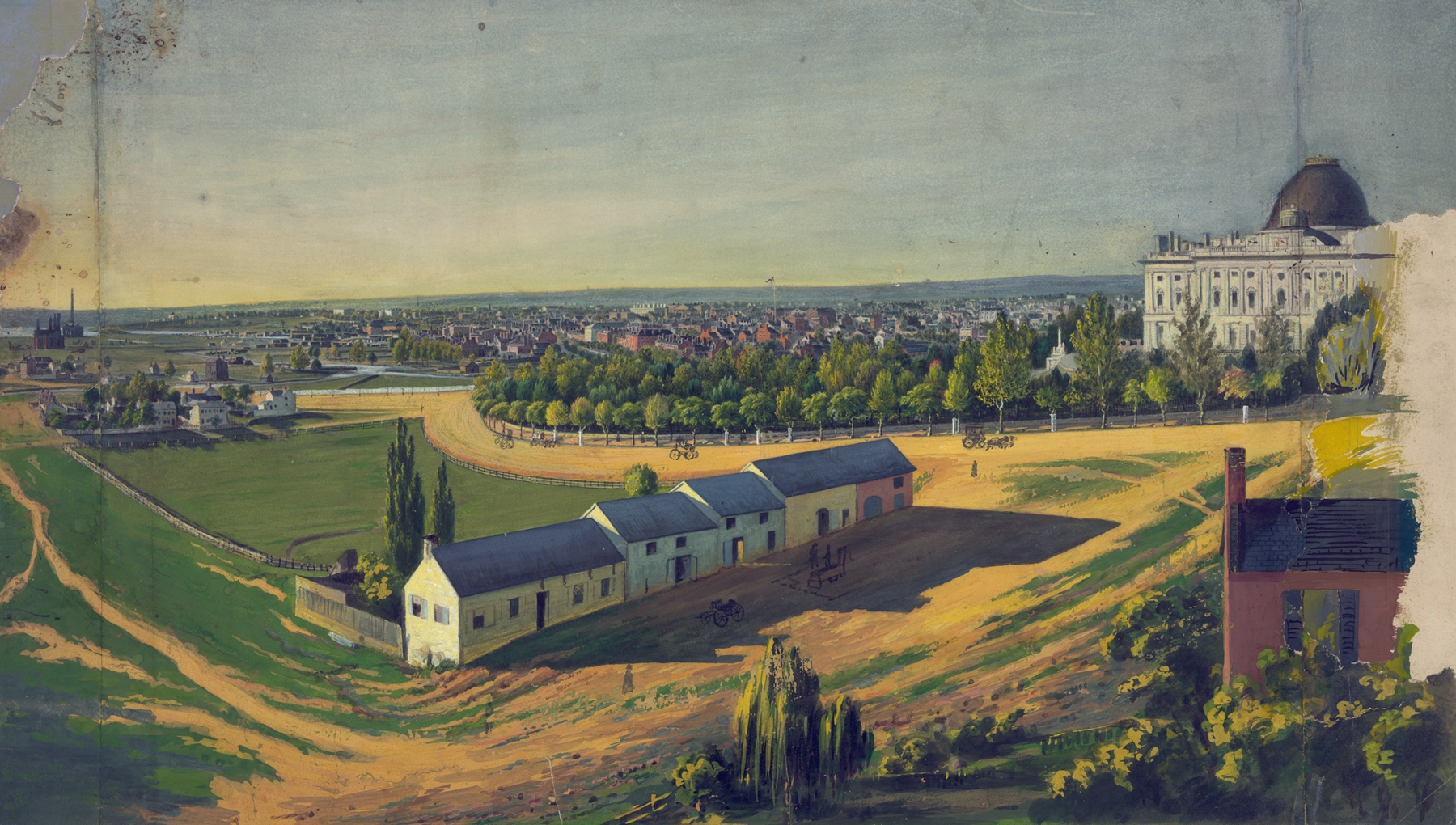
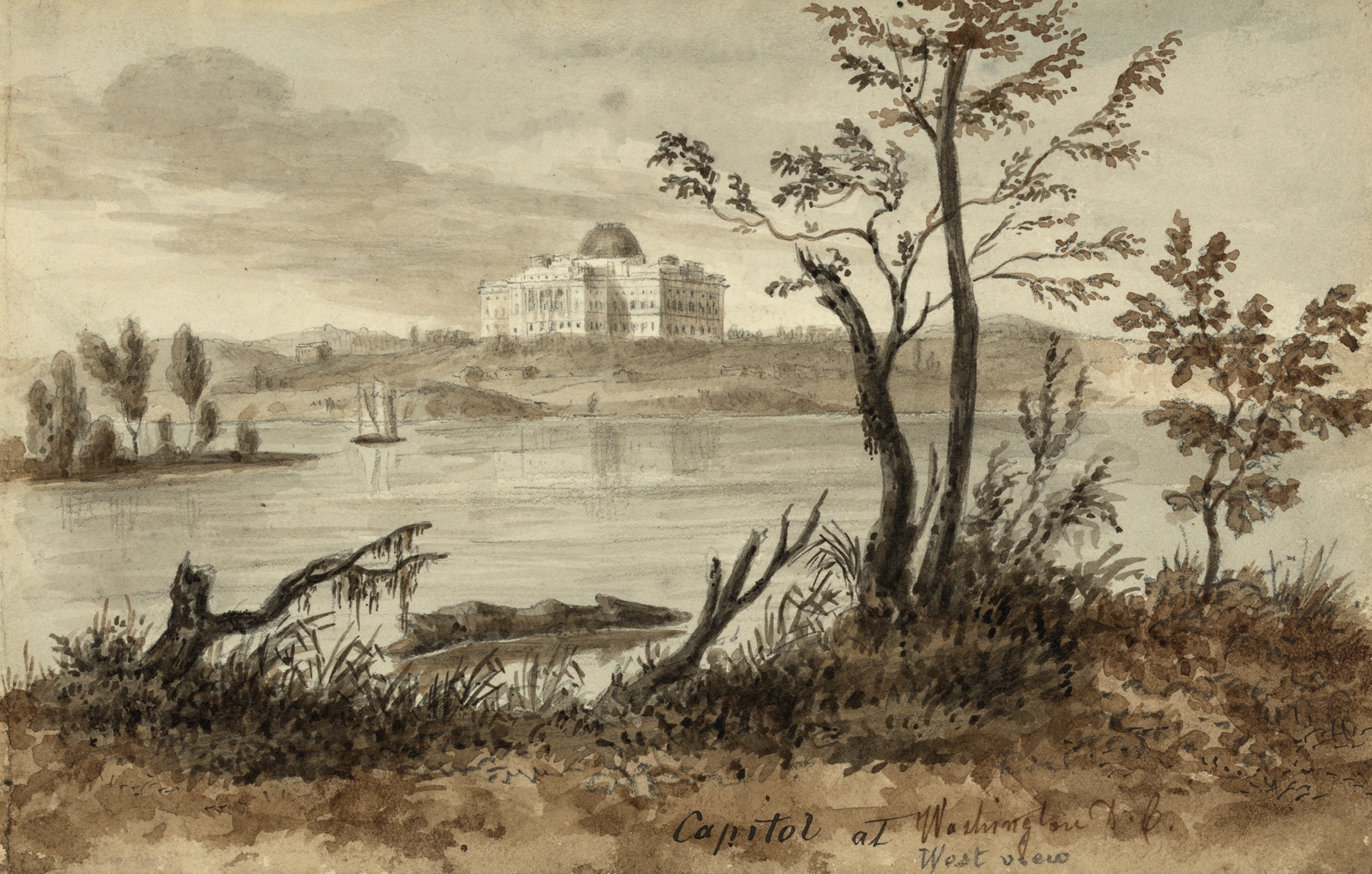
“Art reveals the soul when the world turns away.” In the stillness of the moment, a clash lingers just beneath the surface, echoing the tension of a nation grappling with its identity. Look to the foreground, where the grand facade of the Capitol rises majestic and resolute against the sky. The gentle play of light casts long shadows, emphasizing the intricate details of the architecture. Notice how Köllner’s careful brushwork brings the stone to life, giving texture and depth that invites admiration even amidst underlying strife.
The soft hues of dawn give way to a sense of hope, yet the looming presence of the building suggests a weight of responsibility and the complexities of governance. Delve deeper into the nuances of this artwork. The imposing columns symbolize power, but they also serve as a reminder of the fragility of democracy, particularly as the nation faced internal divisions. The figures moving through the foreground represent the populace, a blend of hope and uncertainty, reflecting the struggle for unity in the face of impending conflict.
Each detail, from the worn cobblestones to the watchful sentinels, encapsulates a moment frozen in time, a snapshot of a society on the brink, where the seeds of violence and change are sown. Augustus Köllner painted this work in 1839, a period marked by escalating tensions around issues like slavery and the impending Civil War. Living in Washington, D.C., he was surrounded by the pulse of political life and social upheaval, capturing in his art both the grandeur of the Capitol and the fractures that threatened its ideals. As he painted, the world of art was also shifting, moving towards the realities of realism, serving as a backdrop to his exploration of national identity.