Bank of Columbia, Georgetown, D.C. — History & Analysis
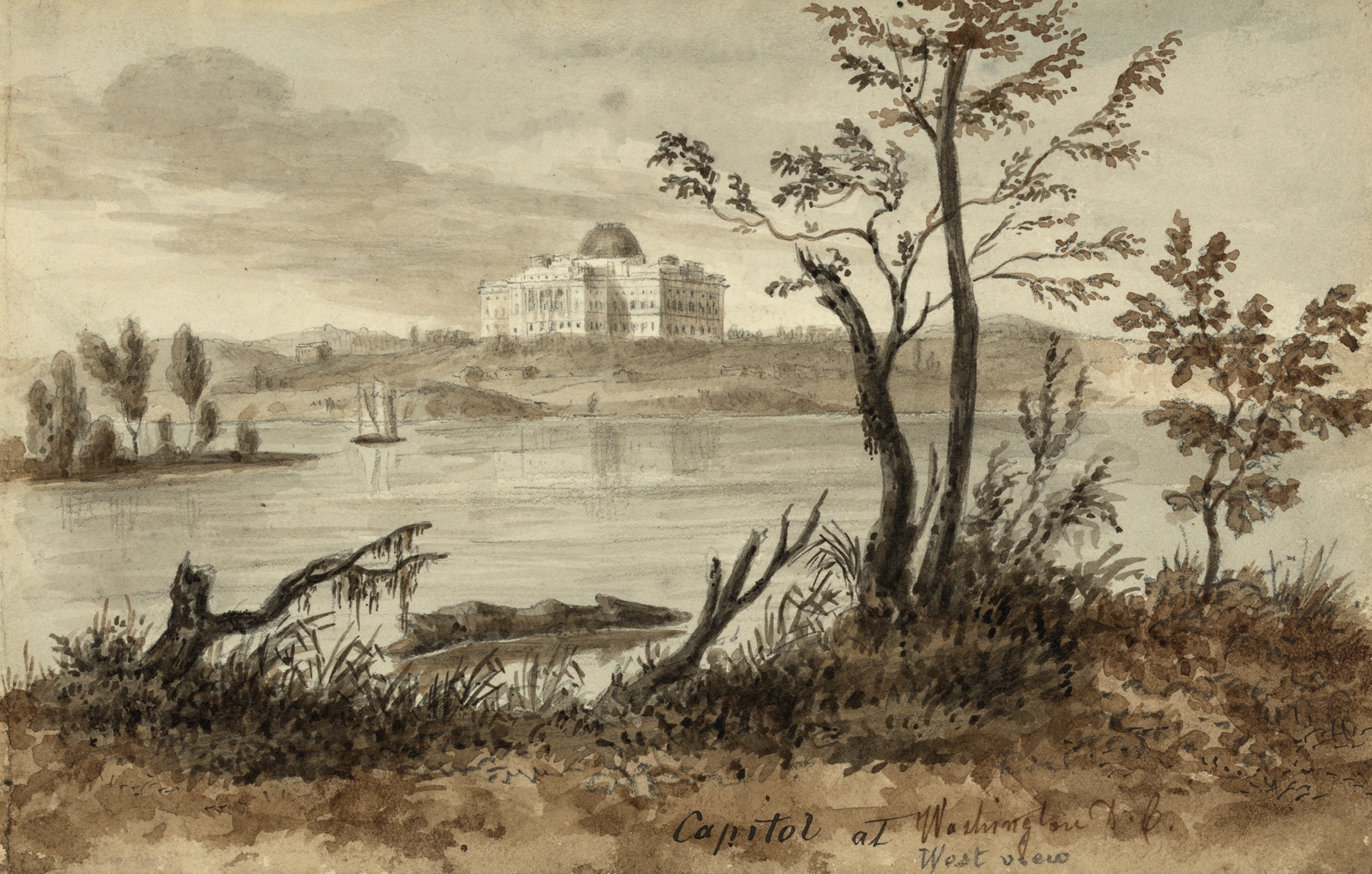
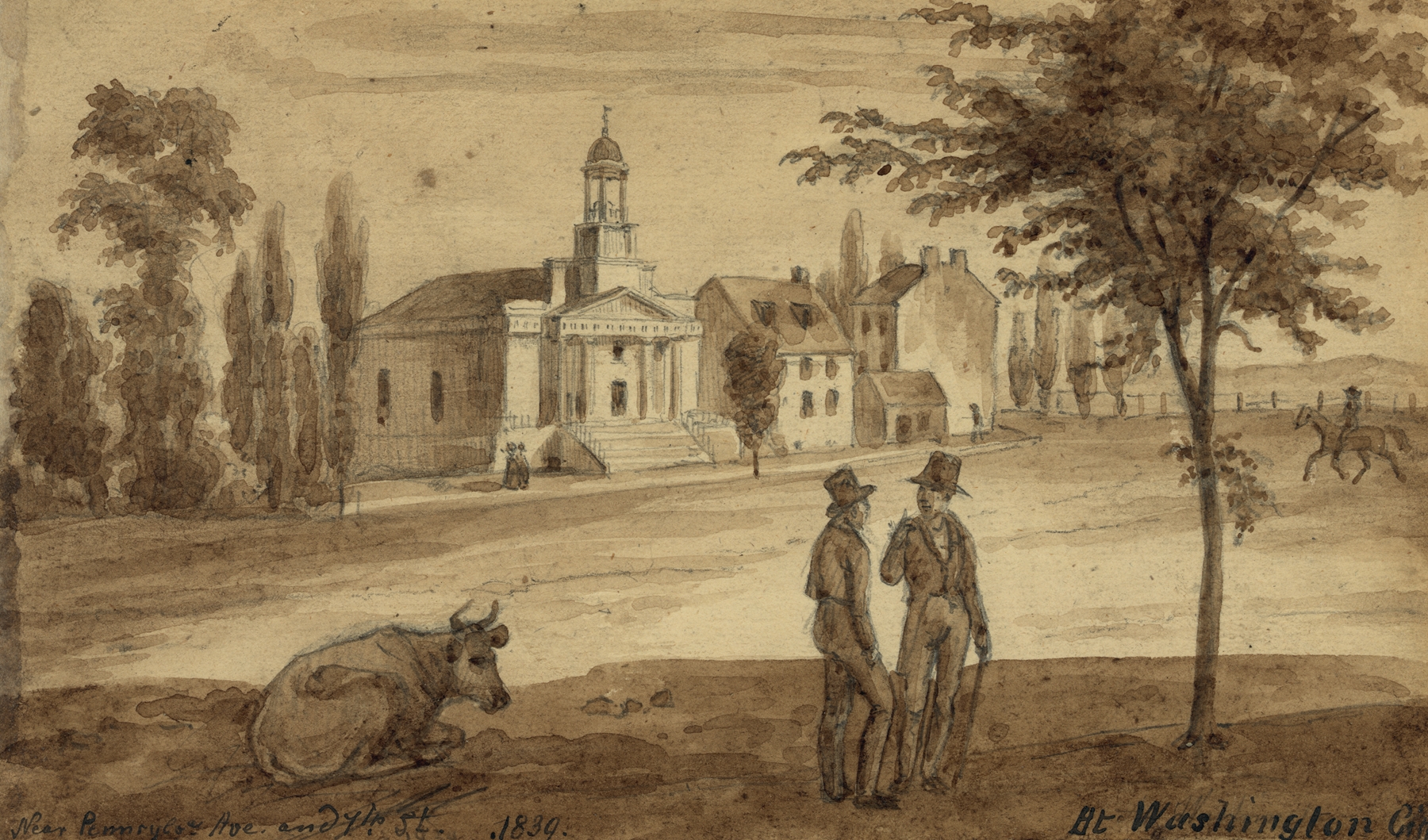
Could a single brushstroke hold eternity? In Bank of Columbia, Georgetown, D.C., the essence of longing is masterfully captured, inviting viewers to reflect on the passage of time and the stories woven into the fabric of a place. Look to the left at the grand façade of the bank, where towering columns rise proudly against an azure sky. The artist employs a warm palette of ochres and soft blues, creating a harmonious balance that envelops the viewer. Notice how the sunlight spills over the building’s stone, casting gentle shadows that lend depth and dimension, while the finely rendered details of the pediment and windows draw the eye in, inviting exploration.
Each stroke reveals a meticulous attention to architectural form, a testament to the artist's reverence for the site. Beneath the surface of this architectural portrayal lies a tension between permanence and impermanence. The imposing structure, though seemingly eternal, is juxtaposed with the fleeting moments of life unfolding around it. The gentle sway of trees in the foreground whispers of change, hinting at the transience of human endeavors.
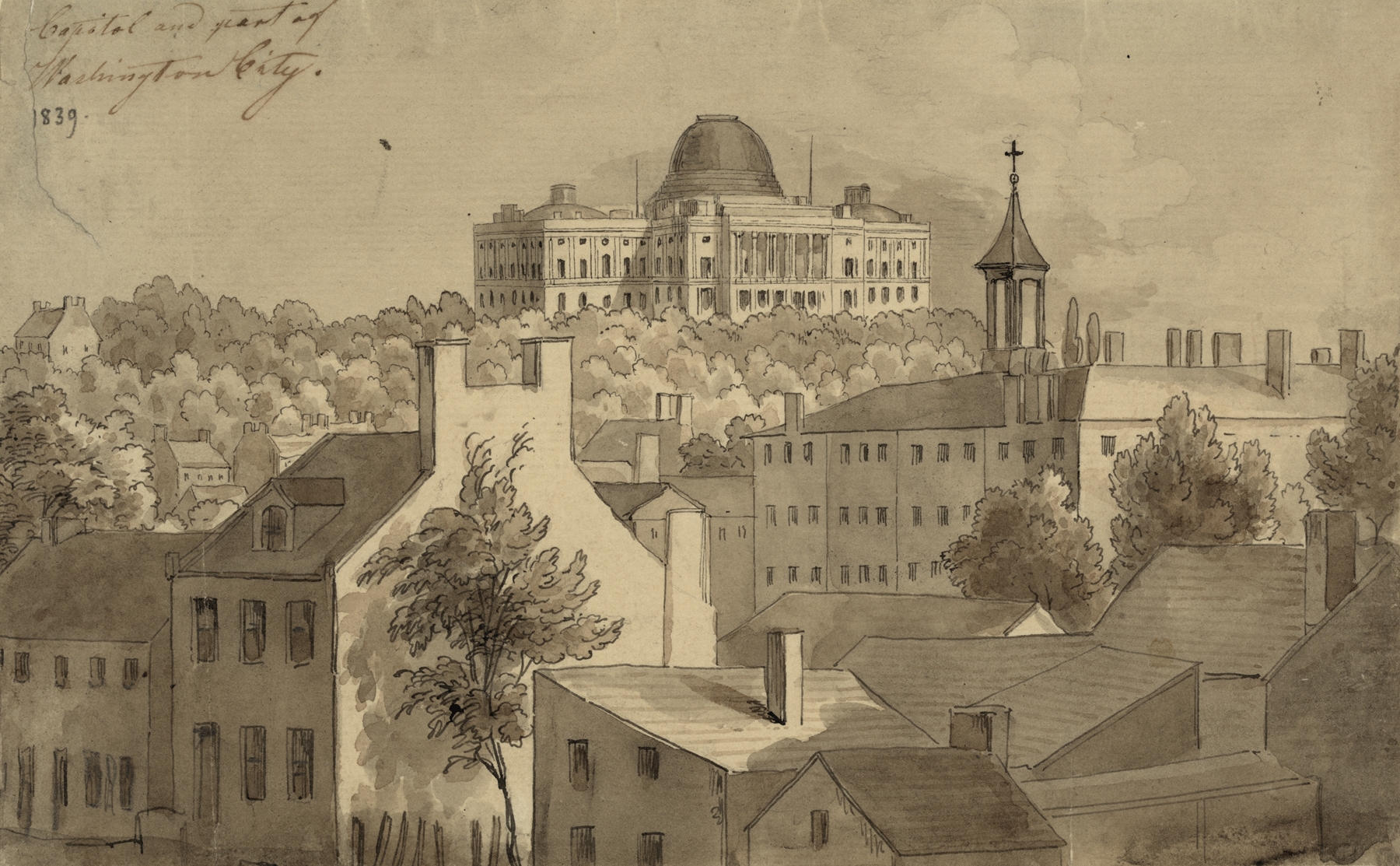
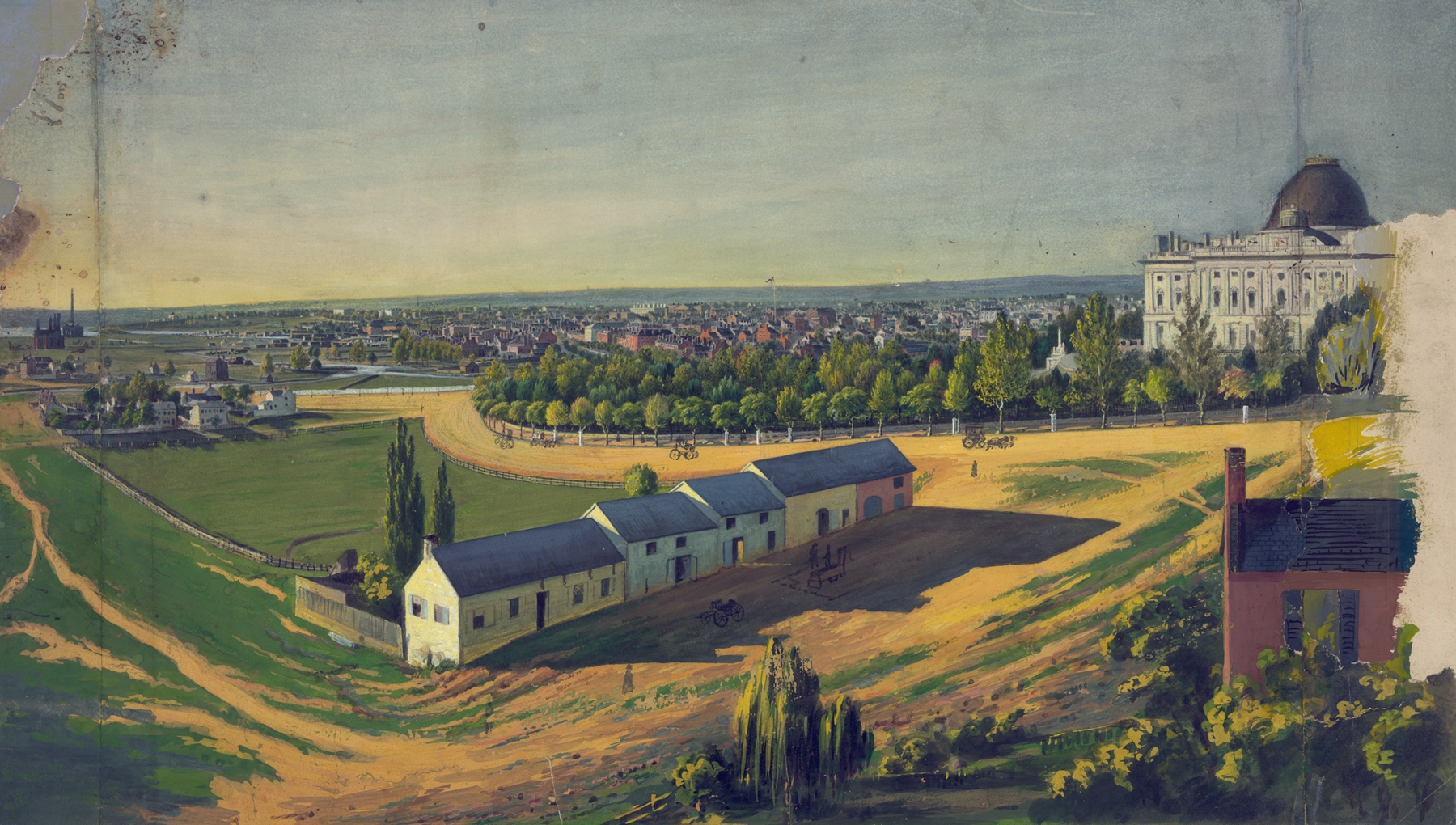
In this interplay, Köllner captures not just a building, but a yearning for stability amid the relentless march of time. In 1839, Köllner painted this scene during a period of significant growth for Washington, D.C., as it transformed into the vibrant capital we know today. The artist, originally from Germany, was establishing himself in the American art scene, exploring the intersection of architecture and landscape. His work coincided with a time of expansion and optimism, reflecting both the burgeoning identity of the city and his own aspirations as an artist.