Steamboat Wharf, Washington, D.C. — History & Analysis
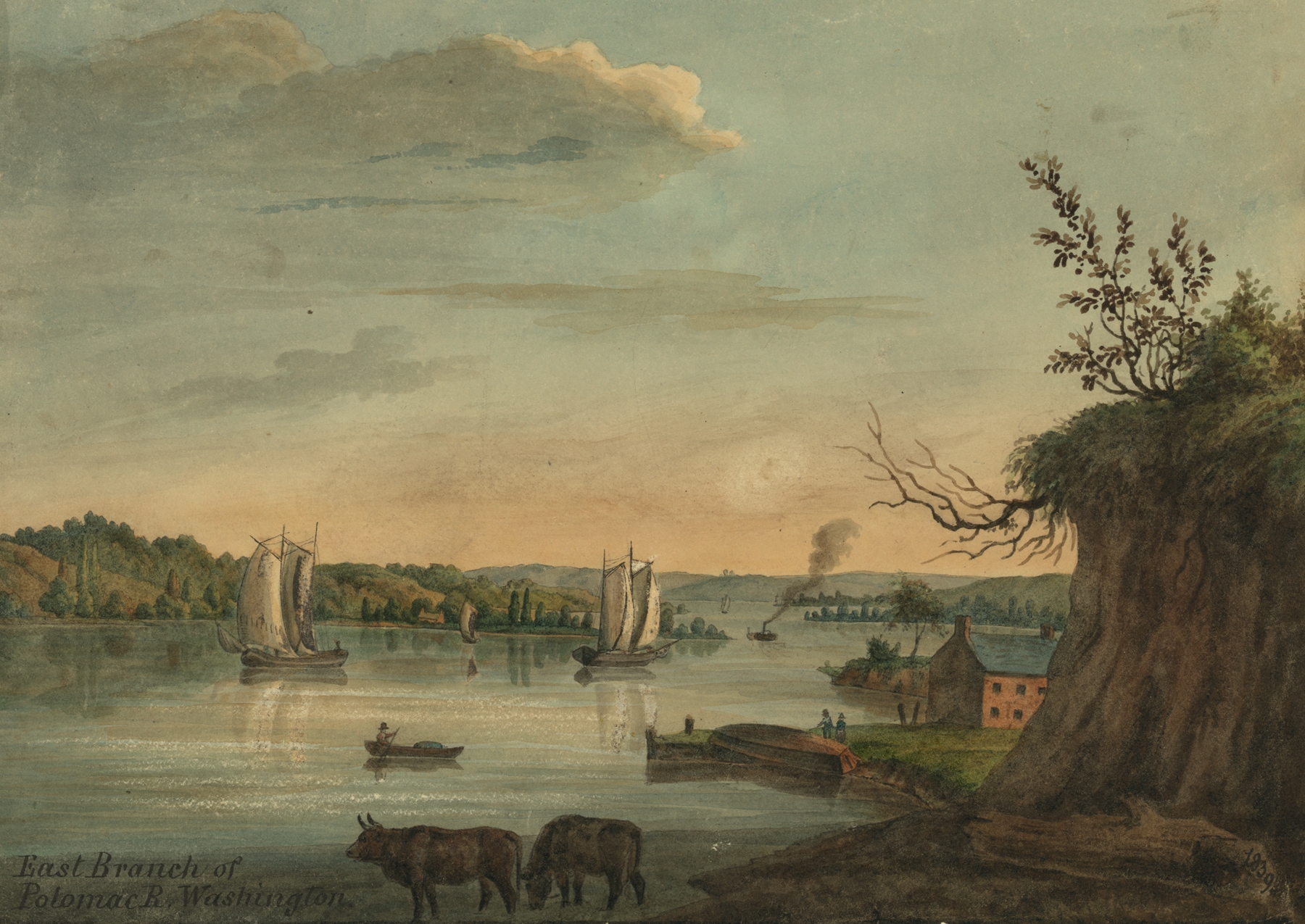
What if silence could speak through light? In the hushed atmosphere of Steamboat Wharf, Washington, D.C., Augustus Köllner captures a poignant moment of reflection, where the weight of absence resonates in the stillness of the scene. The painting invites the viewer to ponder the unspoken stories behind the figures and vessels that remain tethered at the dock. Look to the foreground, where the gentle lapping of the water meets the sturdy planks of the wharf. Notice how the soft, golden light bathes the boats, casting elongated shadows that stretch toward the viewer, creating a sense of depth and intimacy.
The palette, dominated by warm browns and muted blues, evokes a tranquil yet somber mood, suggesting the passage of time and the enduring nature of loss. The careful attention to detail, from the textures of the boats to the intricate reflections on the water, draws the eye into a world both familiar and melancholic. Hidden within this serene image lies a narrative of unspoken grief. The absence of bustling figures at the wharf hints at a once-vibrant community, now shadowed by the memories of departed loved ones. The positioning of the boats, seemingly waiting for passengers who will never return, speaks to the ache of longing and remembrance.
Each brushstroke contributes to a collective emotional weight, inviting contemplation on the themes of love, loss, and the passage of time. In 1839, Köllner painted this work while living in Washington, D.C., a city marked by the throes of change and development. As the nation grappled with its identity, he sought to capture the everyday moments that held emotional significance. This piece reflects not only the artist's keen observation of his surroundings but also the broader currents of American life, where the quiet dignity of labor and love intertwined with the realities of grief.