Capitol and part of Washington City — History & Analysis
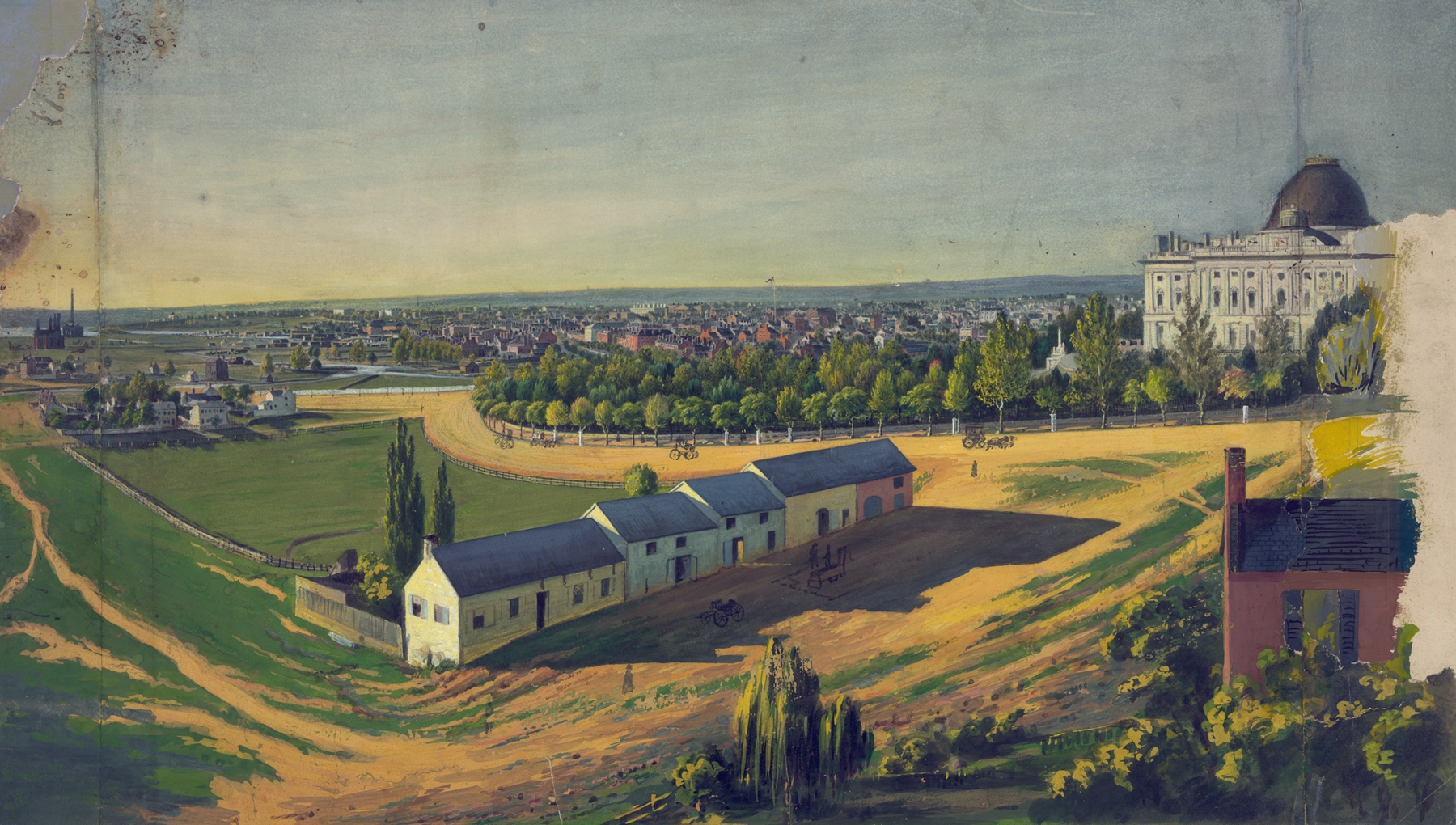
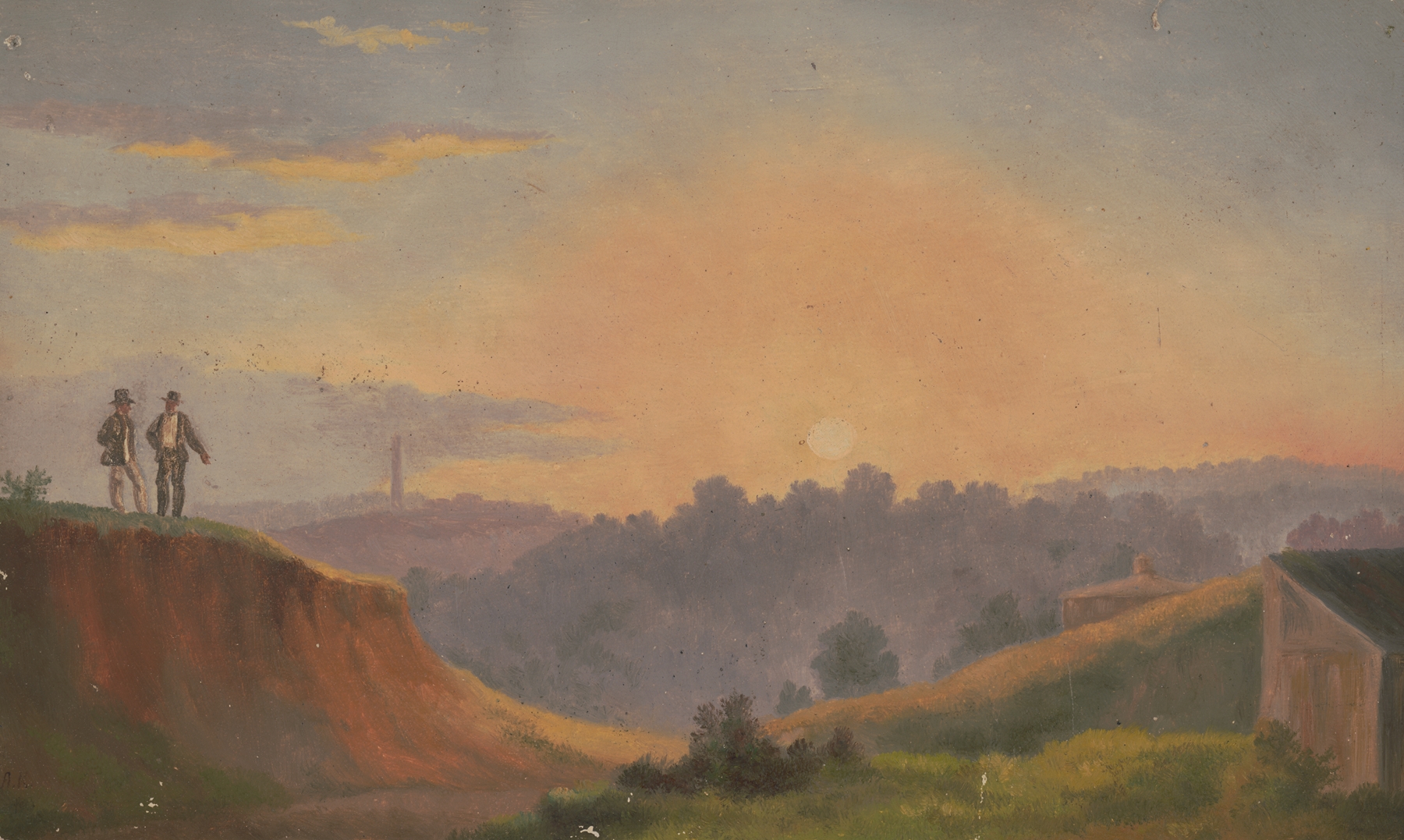
“To paint is to remember what time wants us to forget.” In the stillness of an unyielding moment, the weight of history lingers, capturing both beauty and loss. Look to the center where the grand Capitol stands proud, its dome reaching for the heavens, a beacon of hope amidst shadows. The surrounding buildings, rendered in soft pastels, recede slightly, allowing the viewer’s gaze to linger on the architectural magnificence and the delicate interplay of light and shadow. Notice how the gentle hues of the sky blend seamlessly with the earthly tones below, creating a sense of harmony yet underscoring an unease that whispers of impermanence.
Explore the juxtaposition of shapes and textures; the Capitol’s solid structure contrasts with the fluidity of the clouds, suggesting a tension between human ambition and the unstoppable passage of time. The sparse figures in the foreground, barely discernible, evoke a sense of loneliness, as if they’re mere spectators to a grand narrative unfolding—a narrative tinged with grief for what has been lost and a longing for what may never be. Each brushstroke carries with it an echo of the past, inviting contemplation of the fragility of progress.
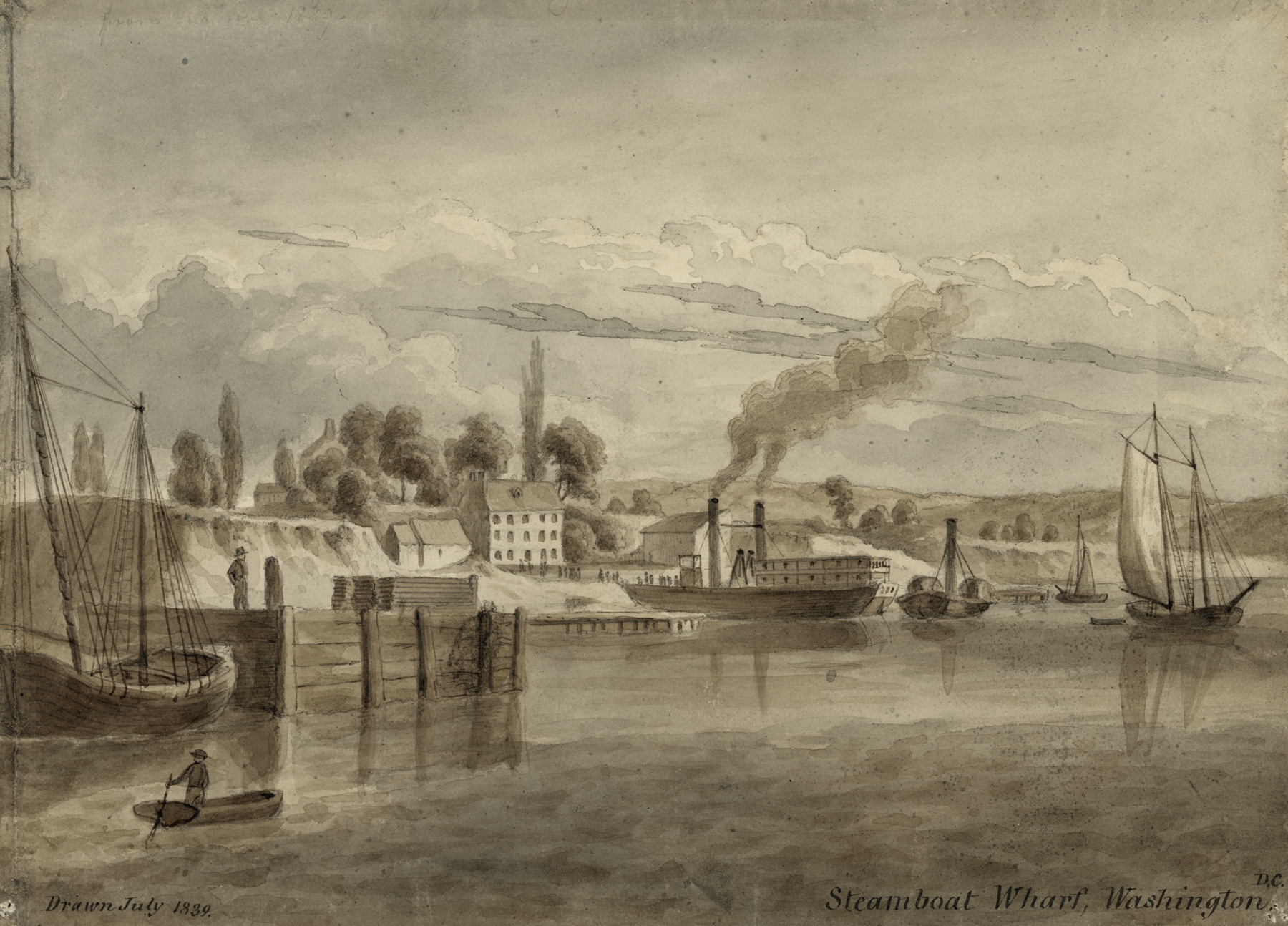
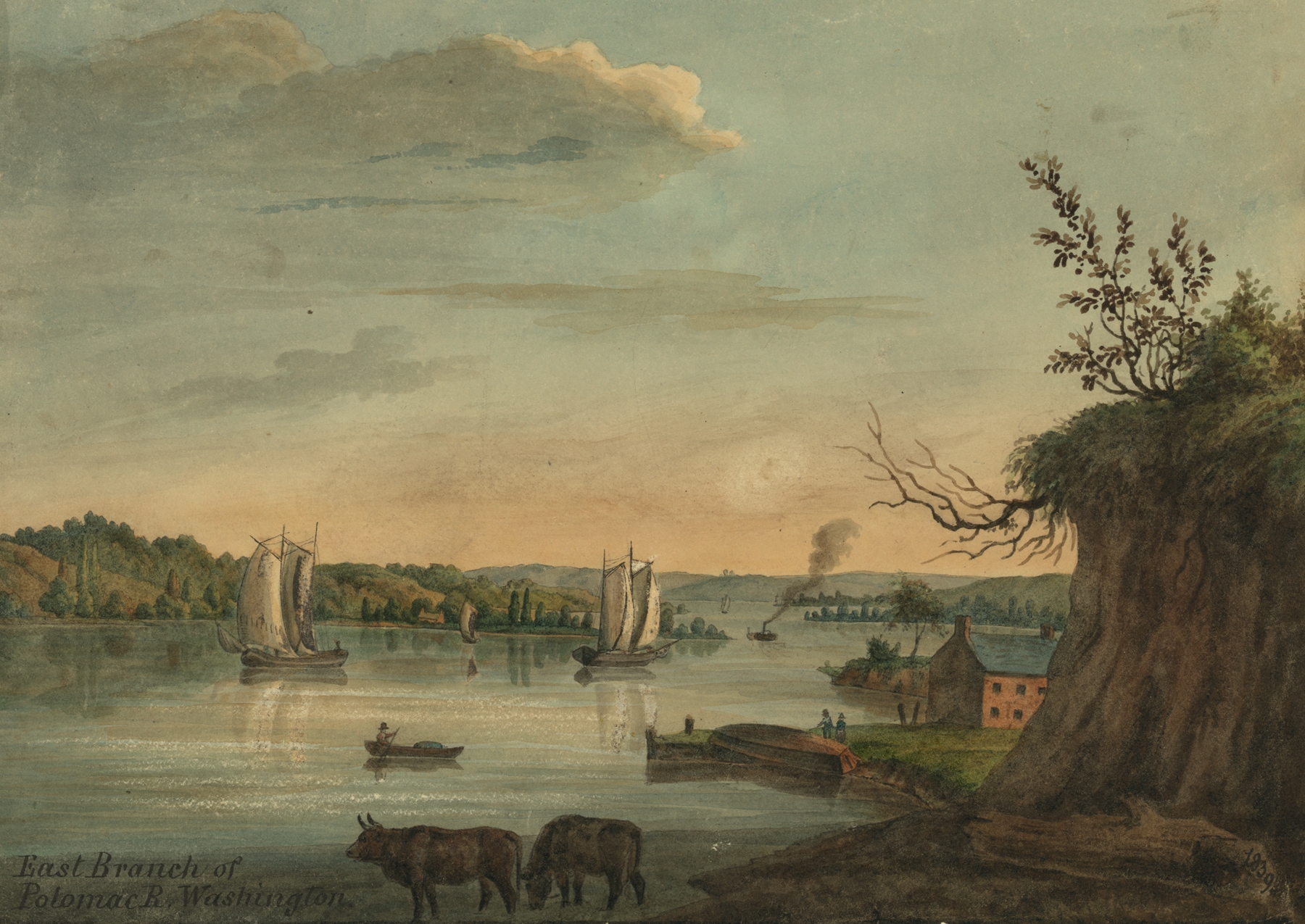
In 1839, as Augustus Köllner painted this view, he was in the midst of a burgeoning American art scene that sought to establish its own identity, separate from European influences. The nation was grappling with rapid change, both politically and socially, and Köllner’s work reflects a moment when the promise of the future was intertwined with a deep reverence for the past. This painting stands as a testament to both the aspirations of a young nation and the inevitable passage of time that shapes its story.