Capitol at Washington D.C.– West view — History & Analysis
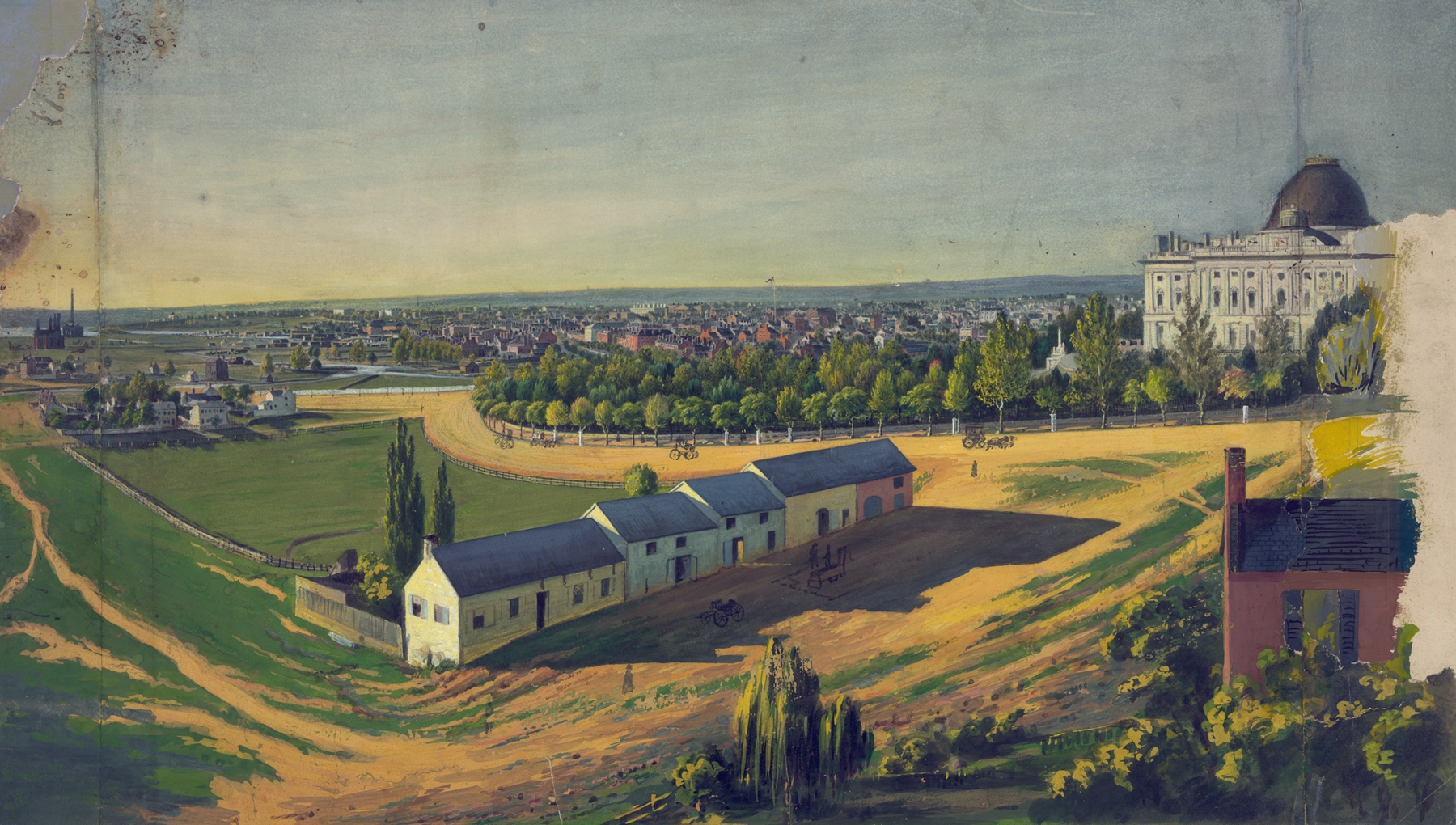
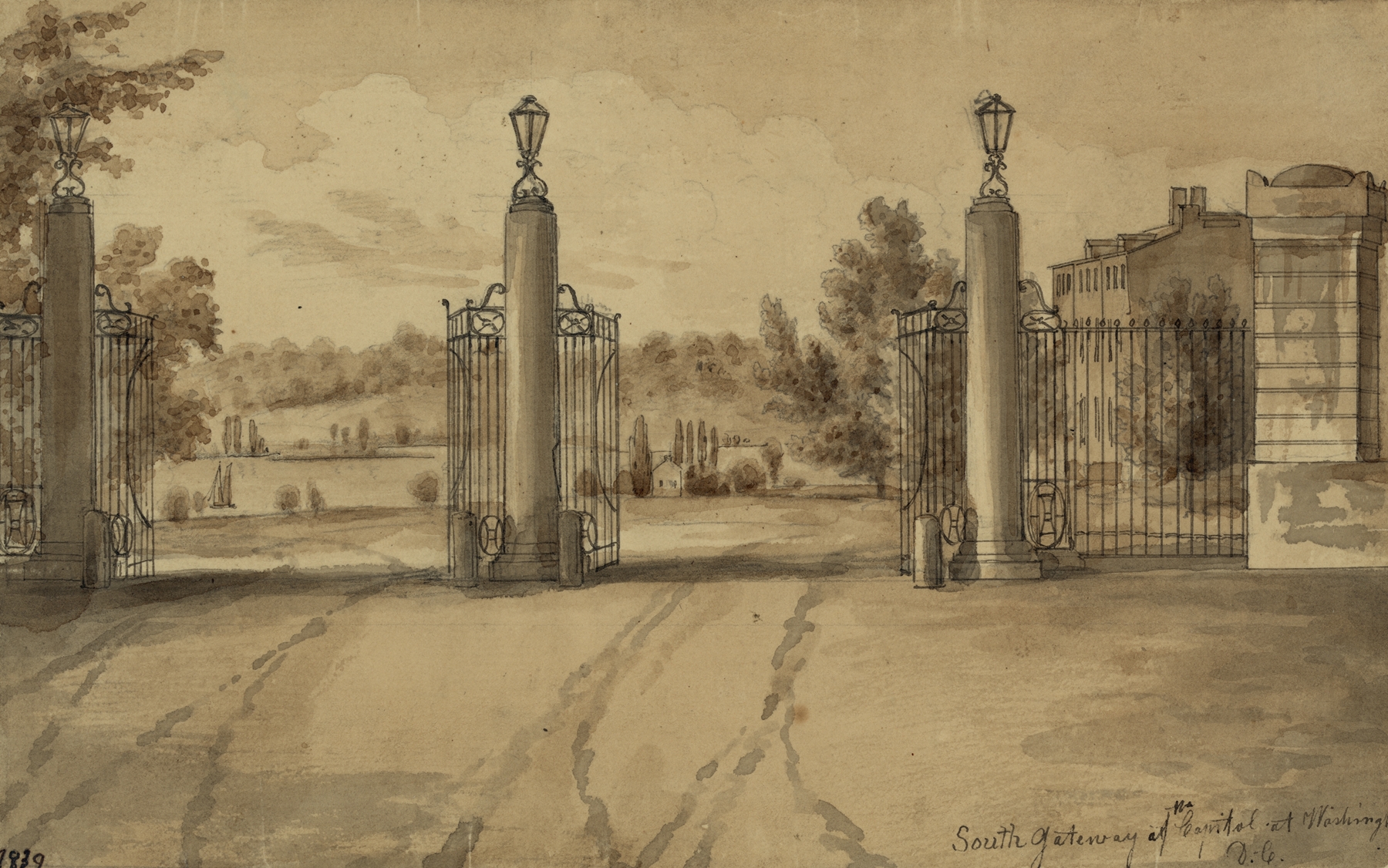
Can paint confess what words never could? In Capitol at Washington D.C. – West view, the vibrant hues and sweeping strokes speak a language all their own, capturing the essence of an era and a nation. Look to the left at the grand silhouette of the Capitol building, its dome rising majestically against a backdrop of cerulean blue. The light dances across the scene, creating soft contrasts and inviting the viewer’s eye to wander along the lush green lawns, dotted with figures that seem to whisper tales of political ambition and hope.
Notice how rich ochres and warm browns of the architectural details bring depth, while cooler tones elevate the sky, evoking a sense of both tranquility and grandeur. Yet beneath this serene exterior lies a tension between nature and human endeavor. The figures, small and almost ephemeral, hint at the fleeting nature of human ideals amidst the enduring permanence of the structure. The vivid colors contrast with the subtle shadows, suggesting an underlying struggle between progress and tradition.
Each stroke reveals a layer of significance, where the Capitol becomes not just a building, but a symbol of aspirations and the collective spirit of a nation. Augustus Köllner painted this work in 1839 while residing in Philadelphia, a time marked by the burgeoning development of American identity and architecture. As the country expanded and thrived, artists sought to depict its evolving landscape, capturing both the optimism and complexity of the era. This piece reflects Köllner's commitment to portraying the true spirit of America during a pivotal moment in its history.