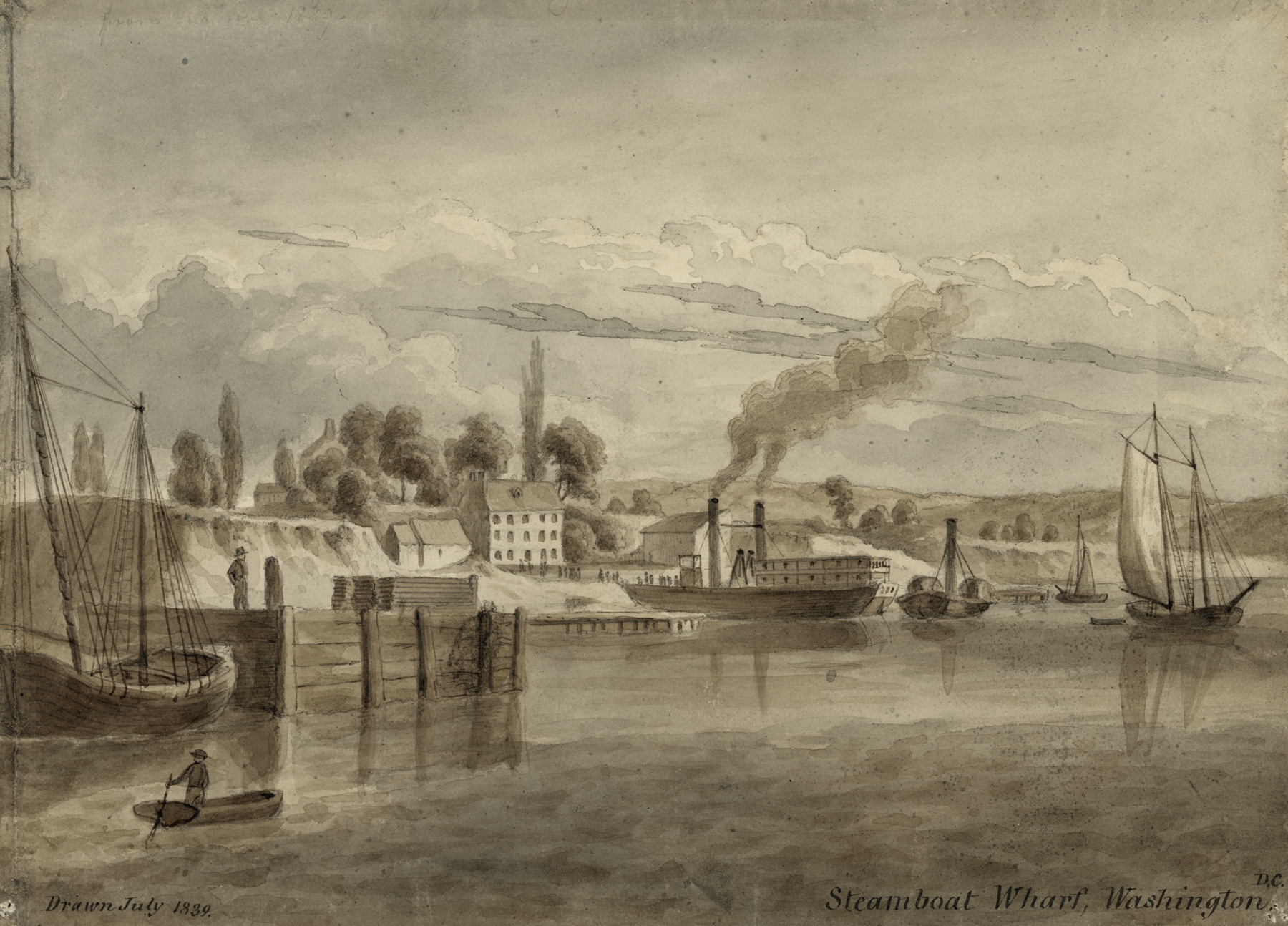
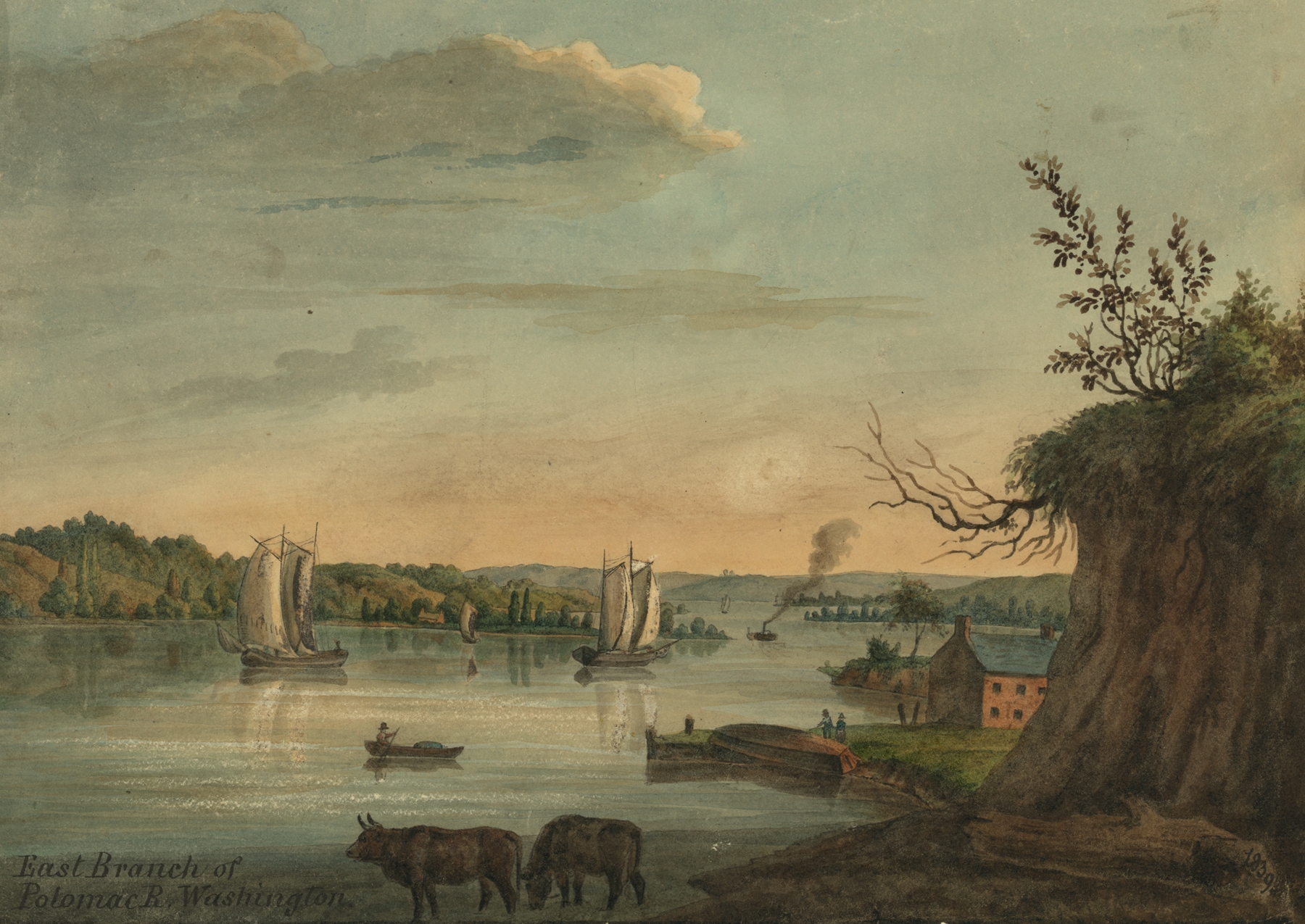
Tiber Creek north-east of the Capitol. Washington, D.C. — History & Analysis
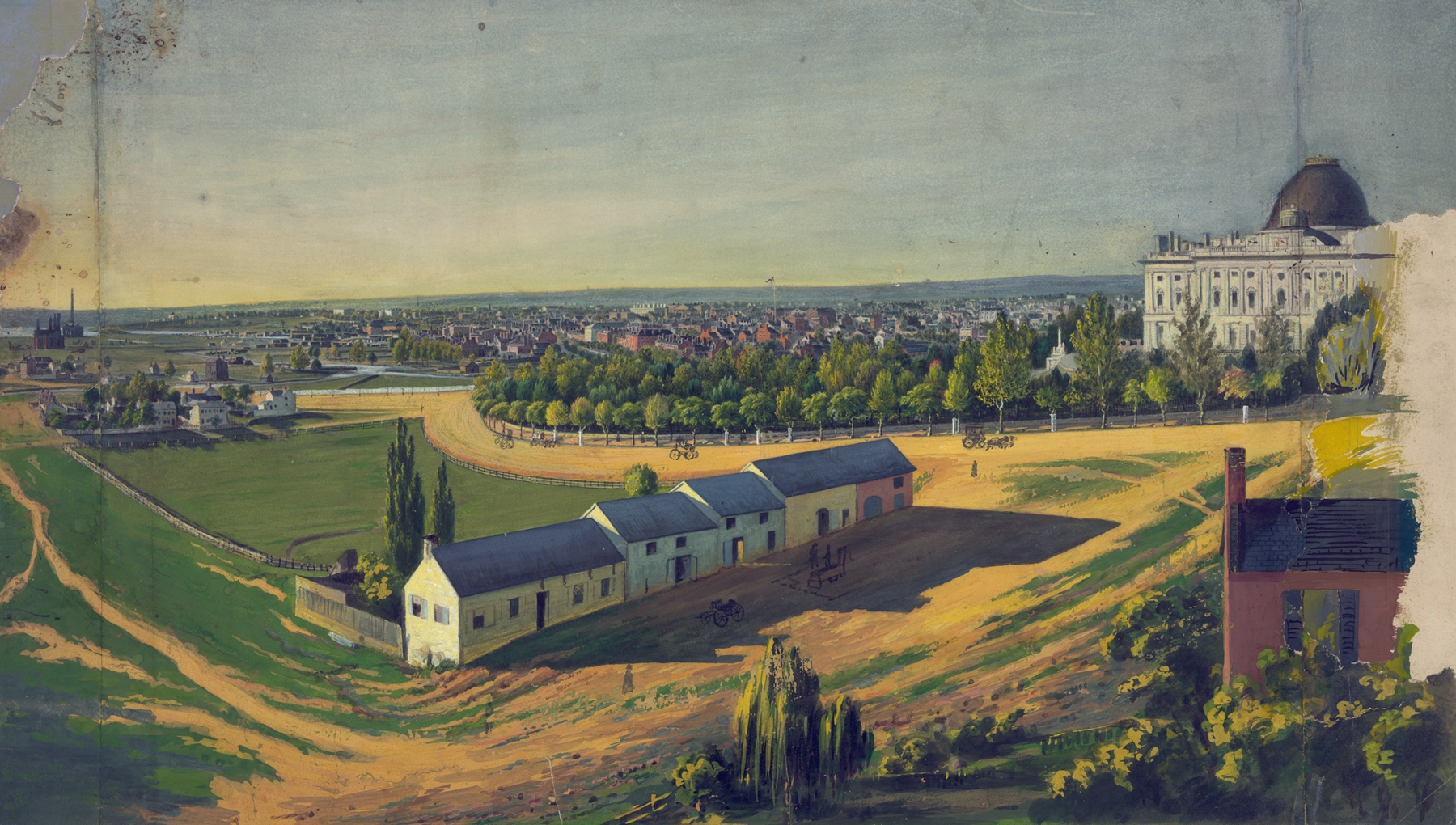
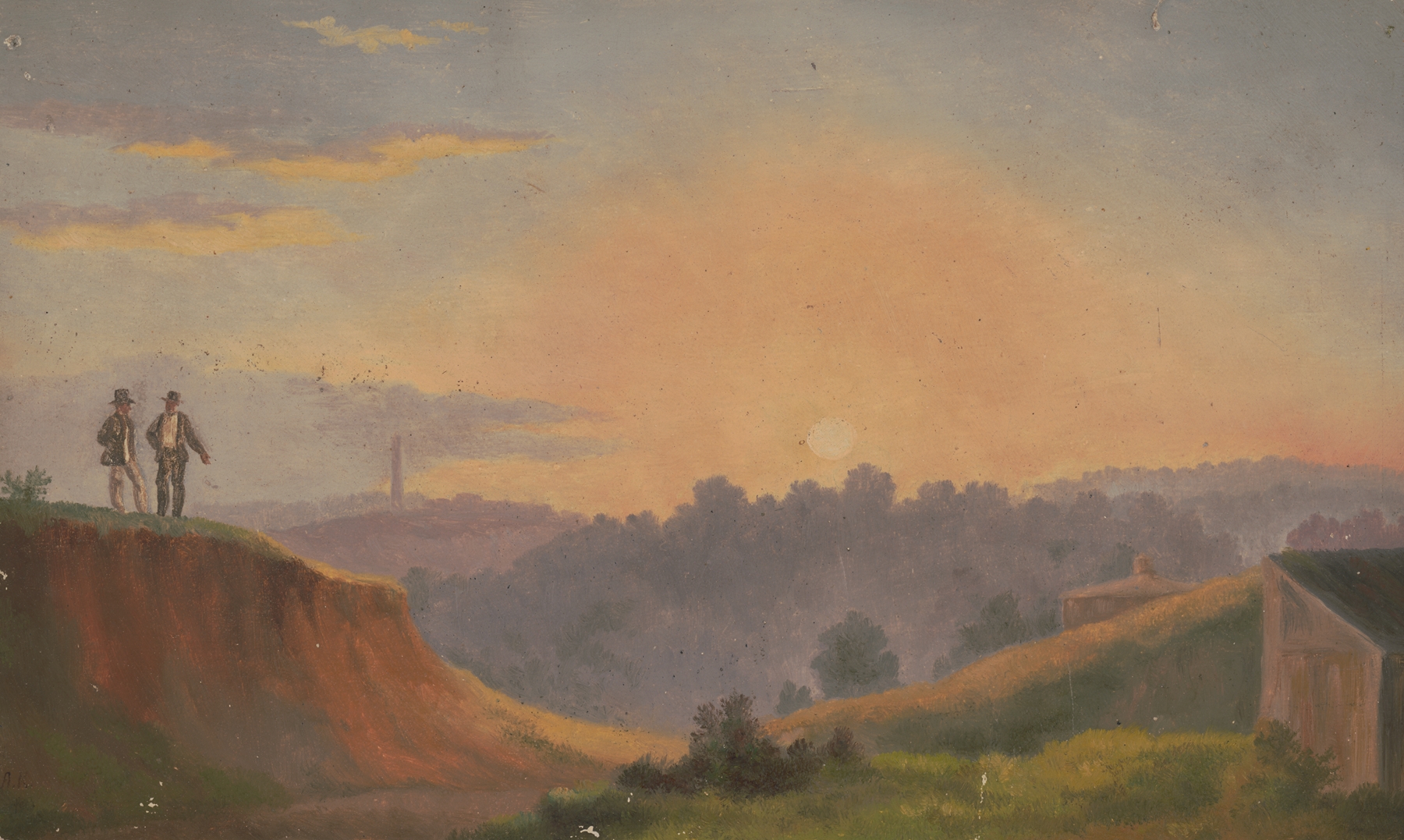
Where does light end, and longing begin? In the delicate embrace of nature and urbanity, echoes of this question linger. The painting invites us to ponder the balance between tranquil beauty and the weight of civilization encroaching upon it. Look to the left at the gentle curve of Tiber Creek, where the water ripples under a soft, inviting light. Notice how Köllner skillfully contrasts the lush greenery with the imposing silhouettes of the Capitol in the background.
The colors are muted yet rich, with earthy browns and vibrant greens harmonizing to create a serene atmosphere, even amidst the urban backdrop. Your gaze is drawn toward the shimmering waters, reflecting a moment of stillness that speaks volumes in an otherwise bustling city. As you explore further, consider the emotional tensions present in the juxtaposition of nature and architecture. The creek flows effortlessly, yet the looming structures symbolize the encroachment of progress and the complexities of modern life.
This balance between the peaceful water and the rigid lines of man-made structures invites reflections on harmony, disruption, and the inevitable change that reshapes our landscapes and emotions. In 1839, Köllner painted this work during a transformative period in American art, as the nation was emerging from its youthful struggles into a more refined aesthetic. Living in Washington, D.C., he was influenced by the burgeoning art scene, focusing on landscapes that captured both the natural world and the essence of American identity. This piece reflects his desire to find equilibrium between the two, marking a significant moment in his artistic journey.