St. Florian’s Gate in Kraków — History & Analysis
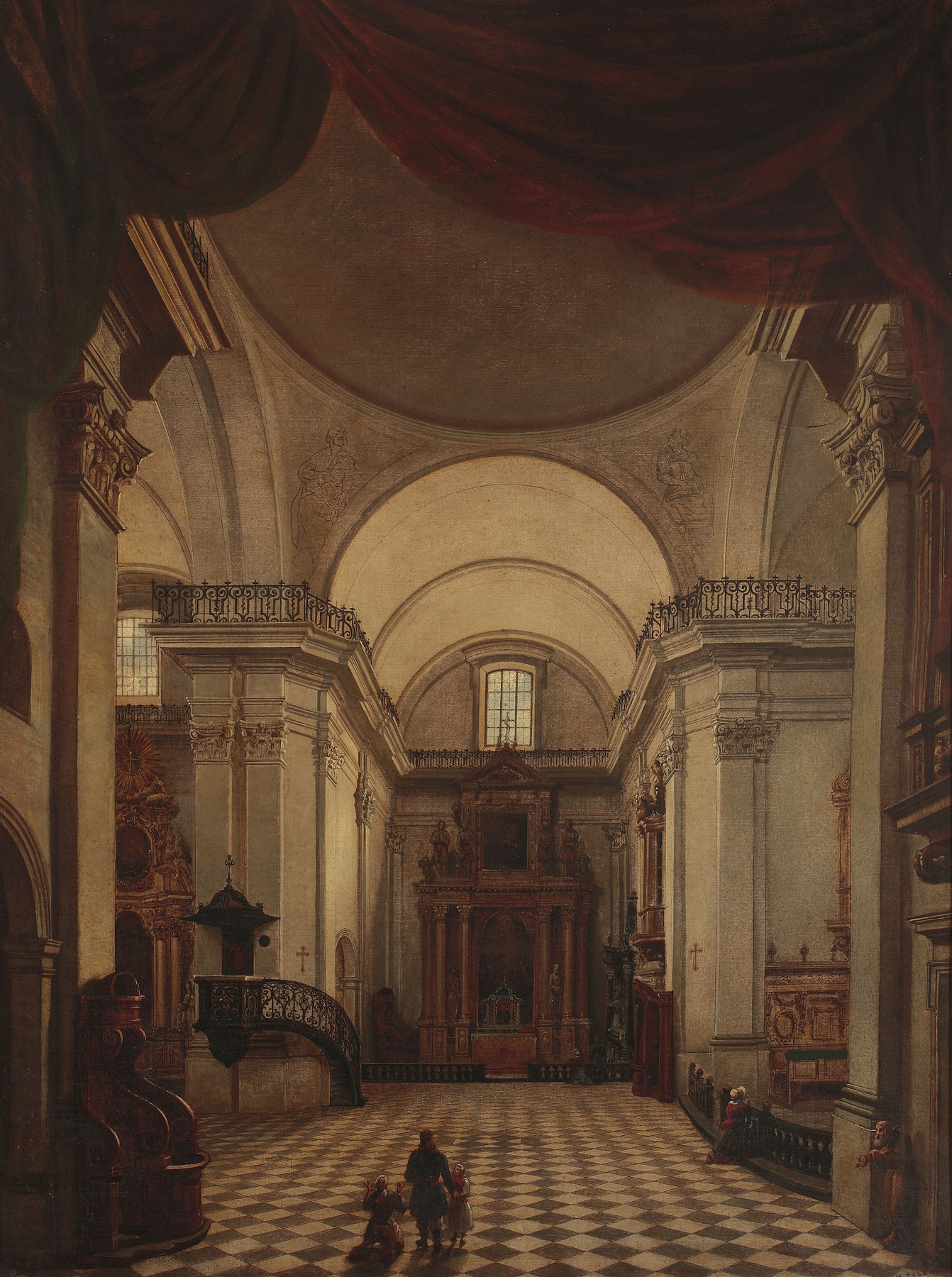
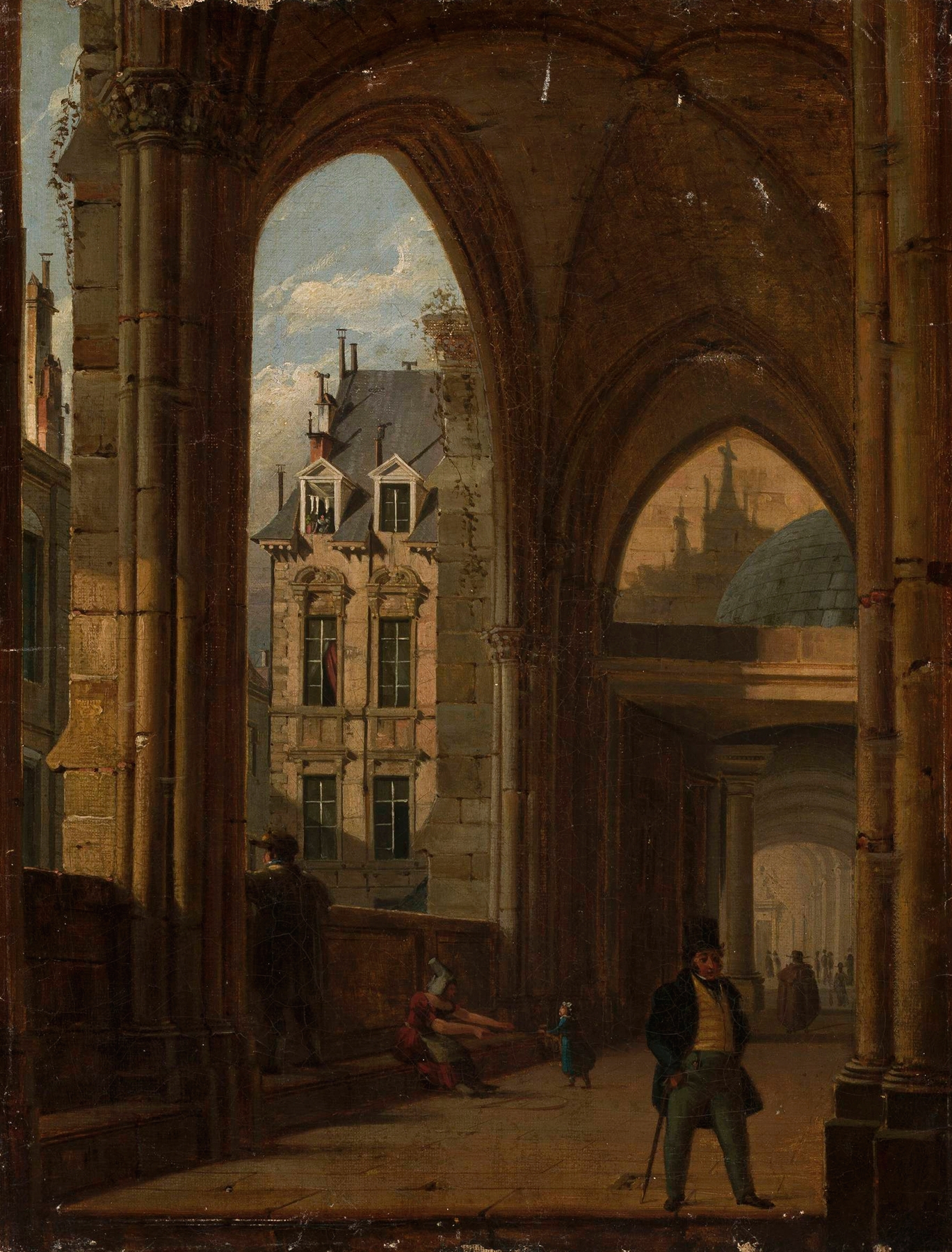
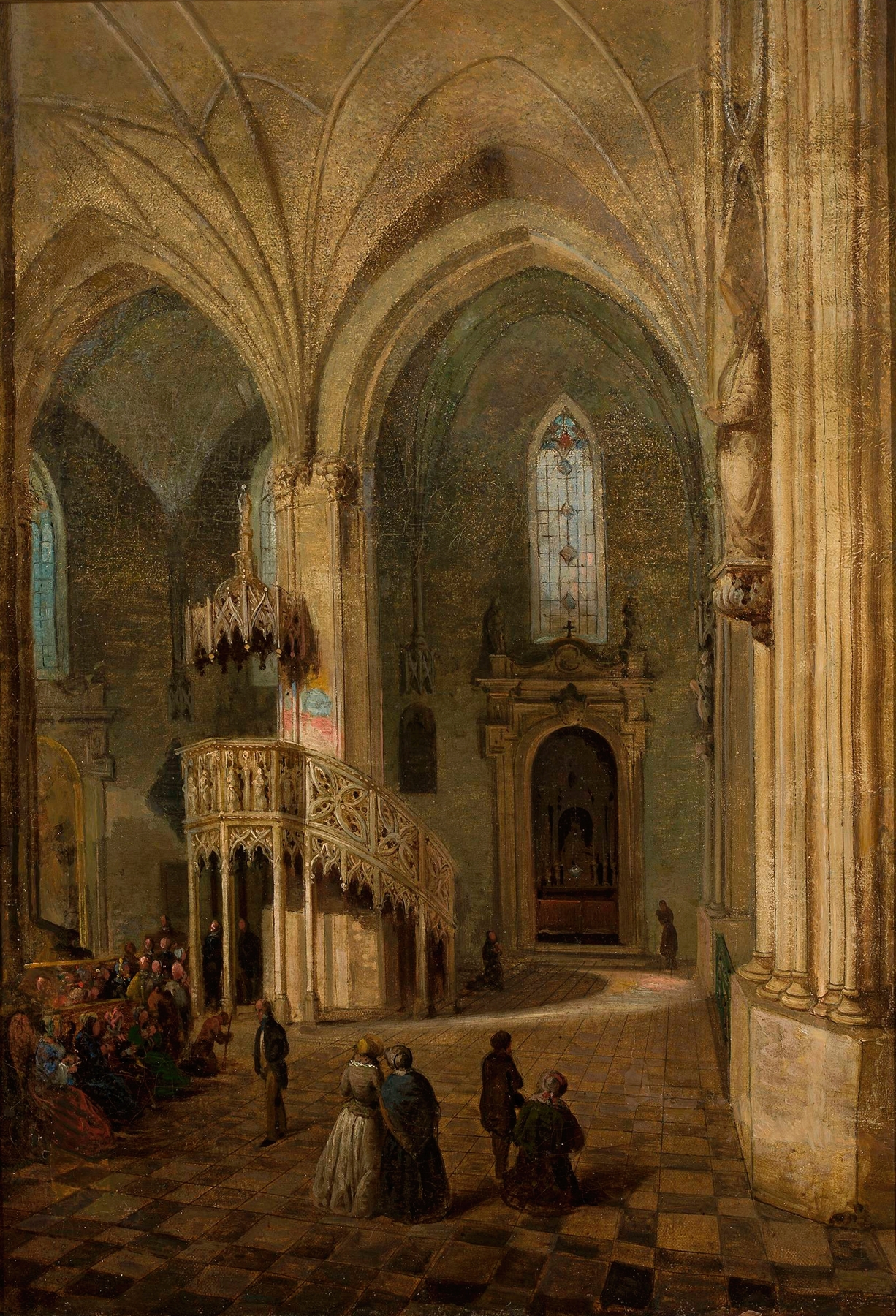
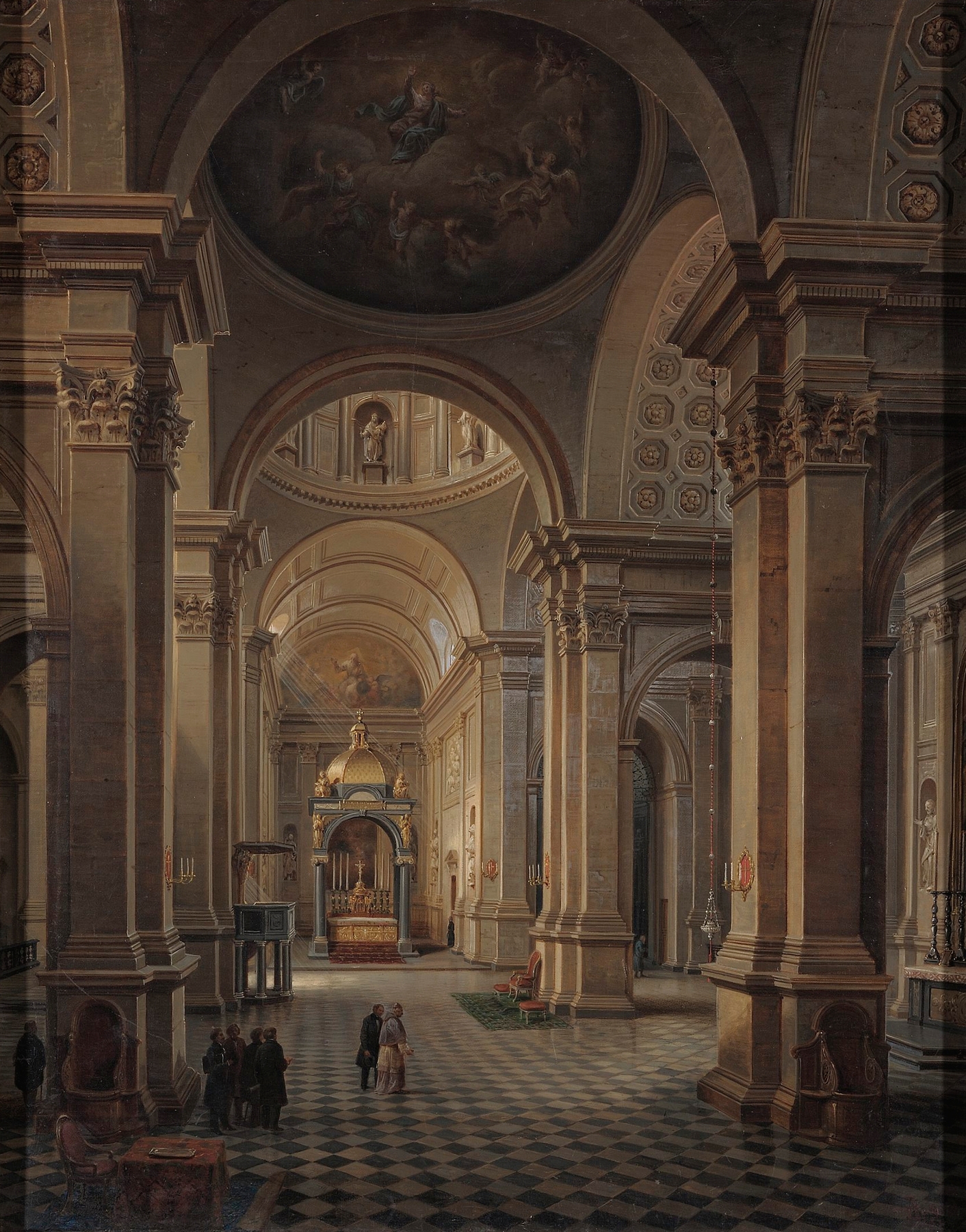
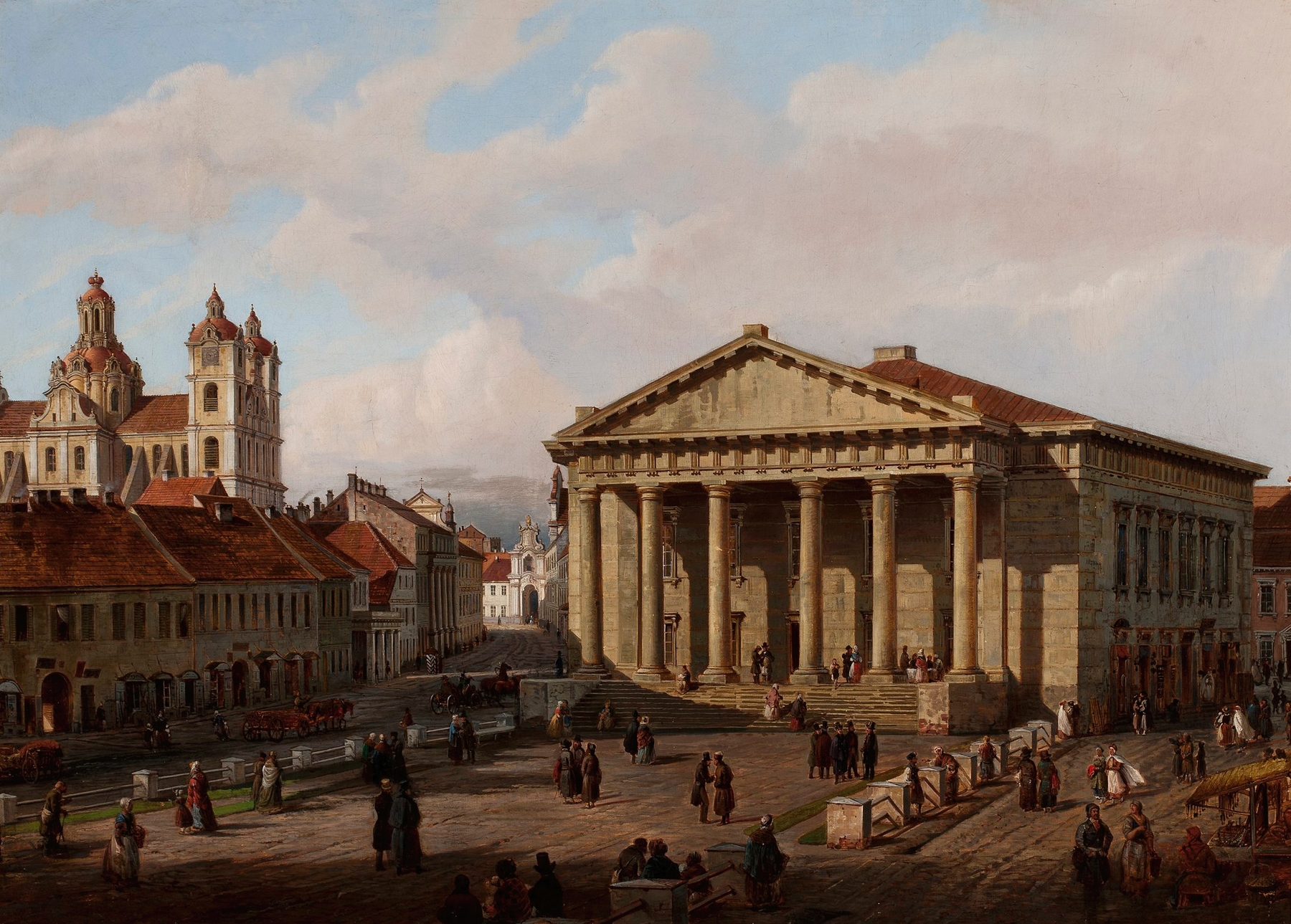
What secret hides in the quiet of the canvas? In the serene twilight of St. Florian’s Gate in Kraków, awe fills the air, inviting viewers to navigate the space between history and imagination. Focus on the impressive archway, where intricate details capture the viewer’s gaze. Notice how the golden hues of the setting sun reflect off the stone façade, casting a gentle glow that illuminates the ornate sculptures above.
The meticulously rendered clouds drift lazily, hinting at the passage of time, while the cobblestone streets beckon with their cool, muted tones. The composition draws your eye upward, from the cobbled ground to the majestic gate, conveying a sense of both grandeur and tranquility. Within this architectural marvel, contrasts abound. The solidity of the gate stands stark against the ethereal quality of the heavens, evoking a tension between the permanence of history and the fleeting nature of life. The harmony of light and shadow plays a crucial role, suggesting stories untold within its walls.
Each element, from the bustling figures in the foreground to the distant rooftops emboldened by the fading sunlight, embodies both a connection to the past and an invitation to ponder the future. Marcin Zaleski painted this piece in 1844, during a period of growing national awareness in Poland amidst the backdrop of partition and upheaval. Living in Warsaw at the time, he was influenced by the Romantic movement, which sought to emphasize the beauty of nature and the sublime aspects of historical architecture. This work stands as a testament to his ability to capture not only the physicality of the gate but also its emotional resonance, reflecting a longing for cultural identity in a changing world.