St. George’s, Bloomsbury — History & Analysis
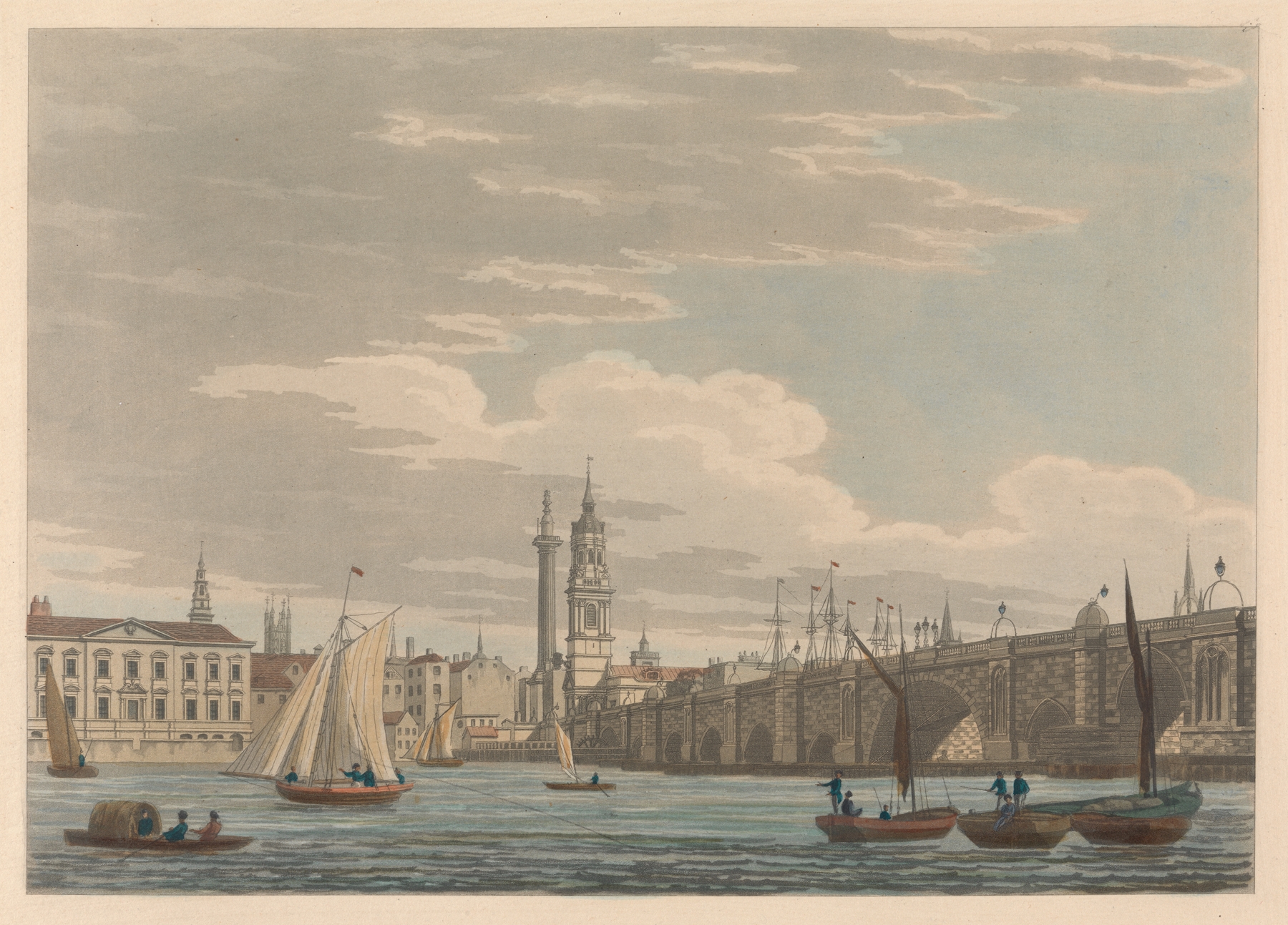
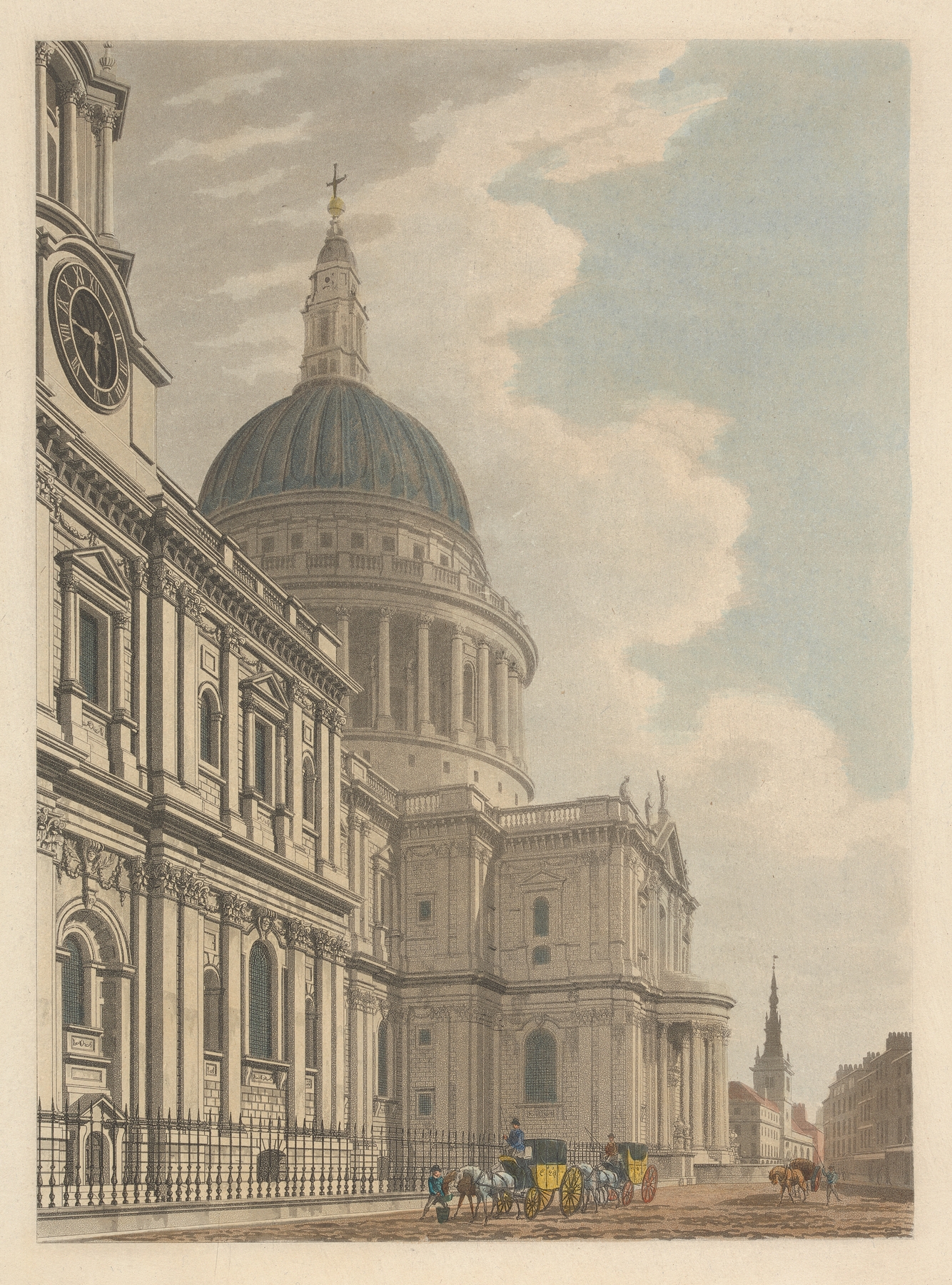
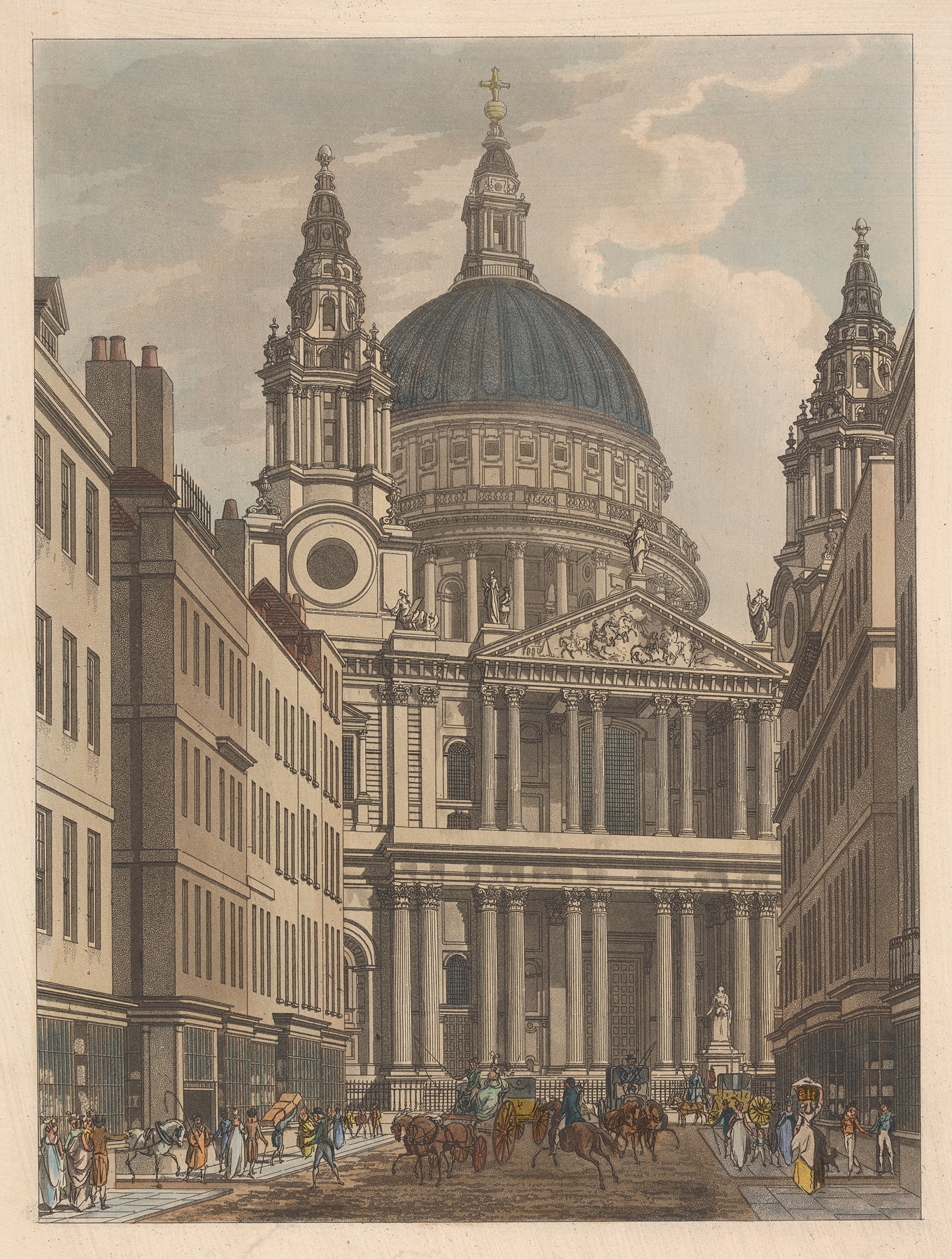
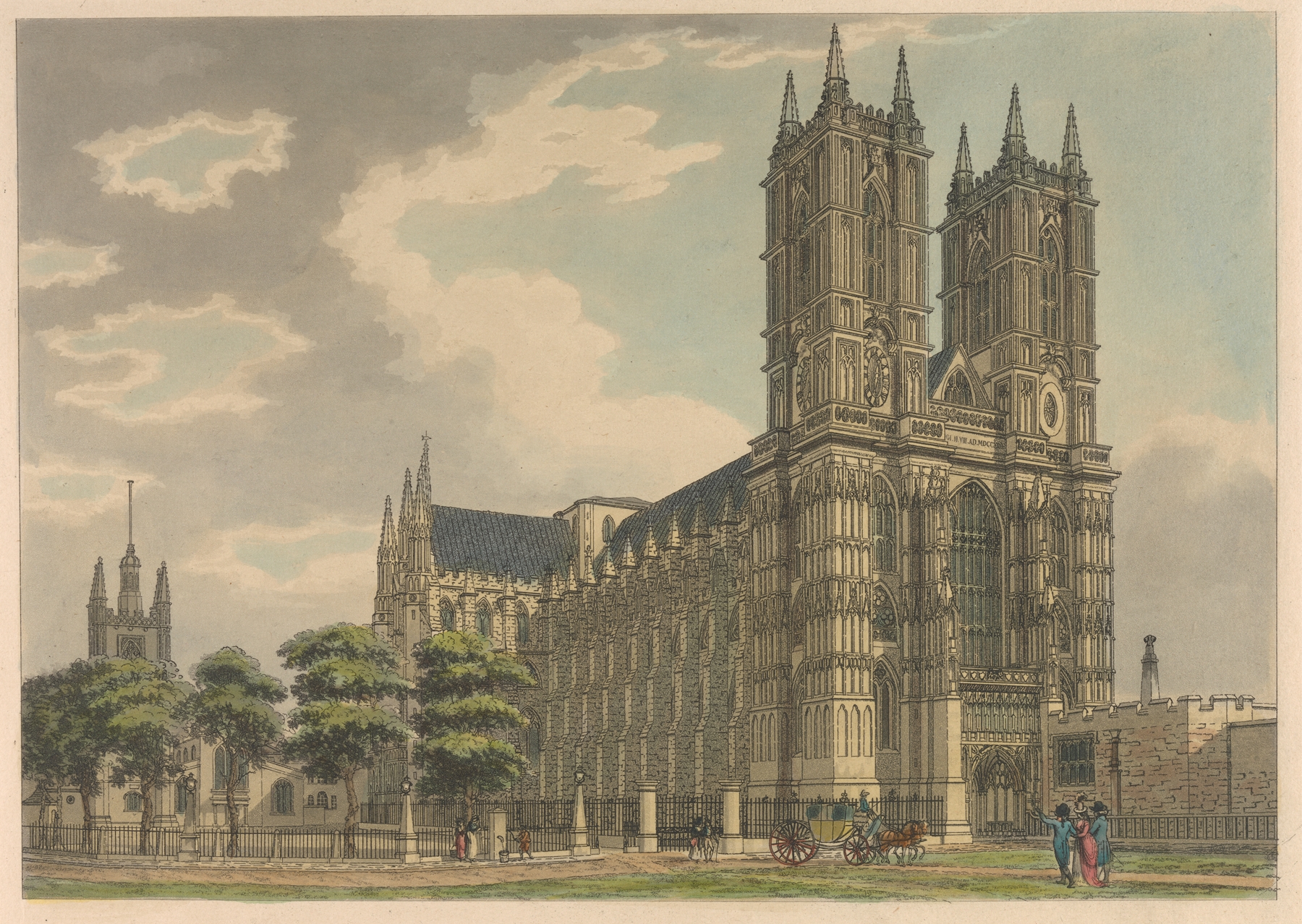
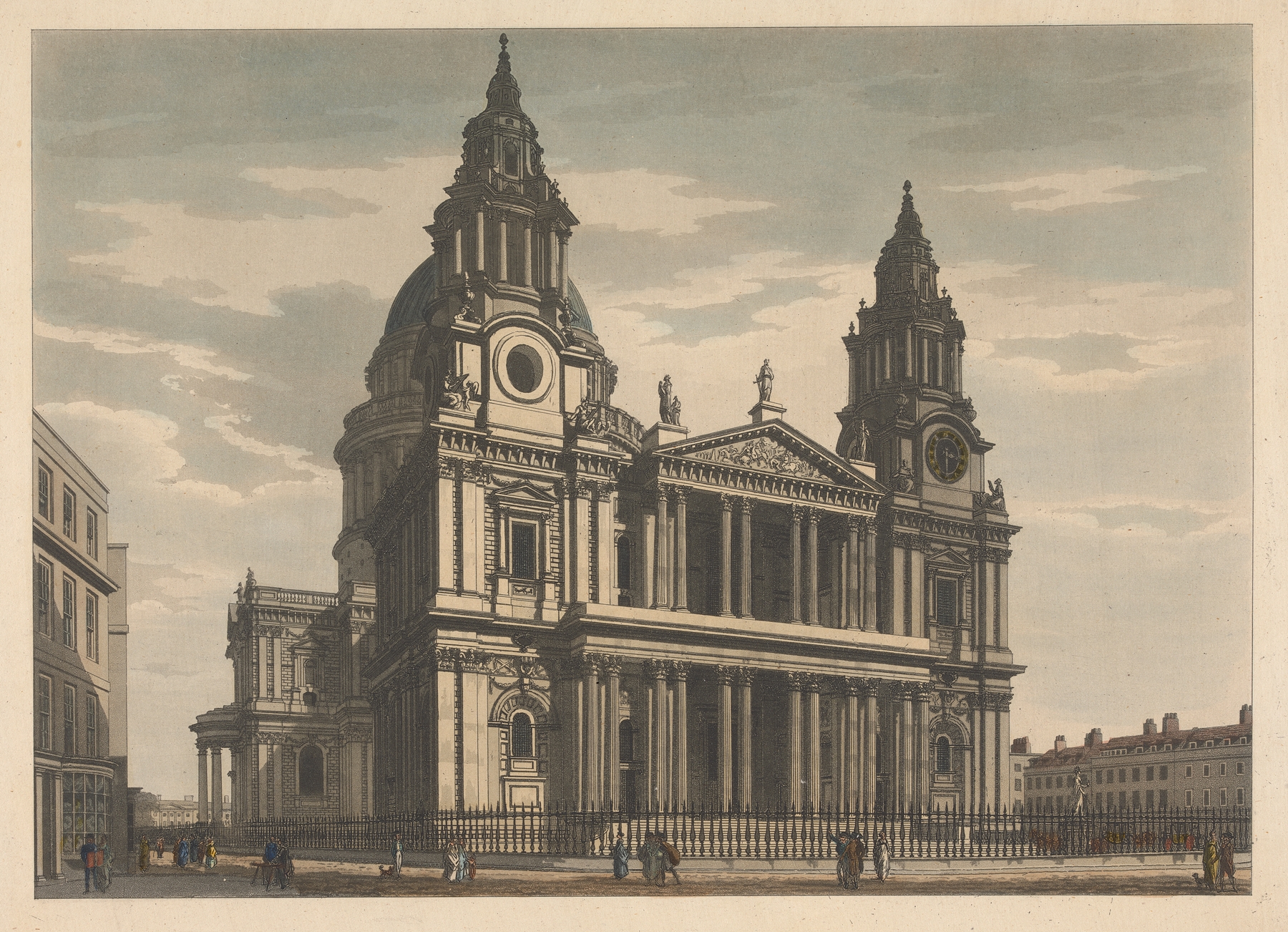
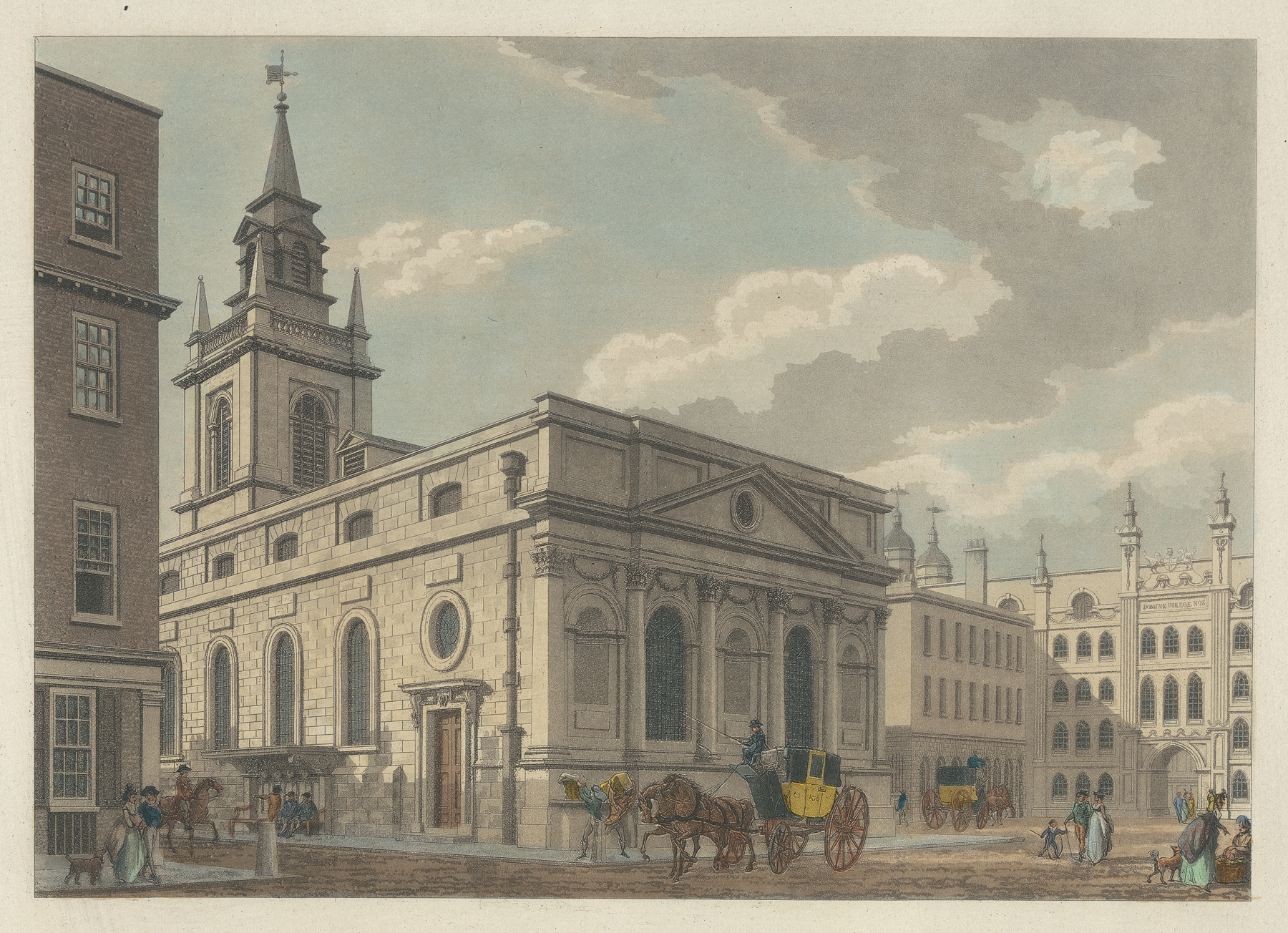
Where does light end, and longing begin? In the soft embrace of twilight, the architecture stands not just as a testament to faith but as a monument to loss. Focus on the luminous façade, where the warm glow of the setting sun bathes St. George’s, Bloomsbury in a golden hue. The delicate play of light accentuates the intricate details of the structure, drawing your eye upward toward the steeple that pierces the sky.
Notice how the shadows cast by the columns create a dialogue between light and dark, evoking a sense of nostalgia that permeates the space. The artist’s meticulous brushwork renders each stone with a reverence that suggests a deep connection to the past. As you explore further, consider the contrast between the solidity of the church and the ethereal quality of the fading daylight. This juxtaposition mirrors the emotional landscape of the time—an era marked by both architectural achievement and a yearning for something lost in the passage of time.
Look for the subtle, almost ghostly figures lingering in the background; they carry with them the weight of history, embodying the collective memory of those who sought solace within these walls. In 1799, Thomas Malton found inspiration in the changing urban environment of London, a city at the crossroads of tradition and modernity. His work emerged during a period of social upheaval and architectural evolution, as the neoclassical style began to blend with emerging romantic sensibilities. This artwork not only reflects his talent as a draughtsman but also serves as a historical snapshot of a city steeped in yearning and transformation.