St. George’s Chapel, Windsor, and the Entrance to the Singing Men’s Cloister — History & Analysis
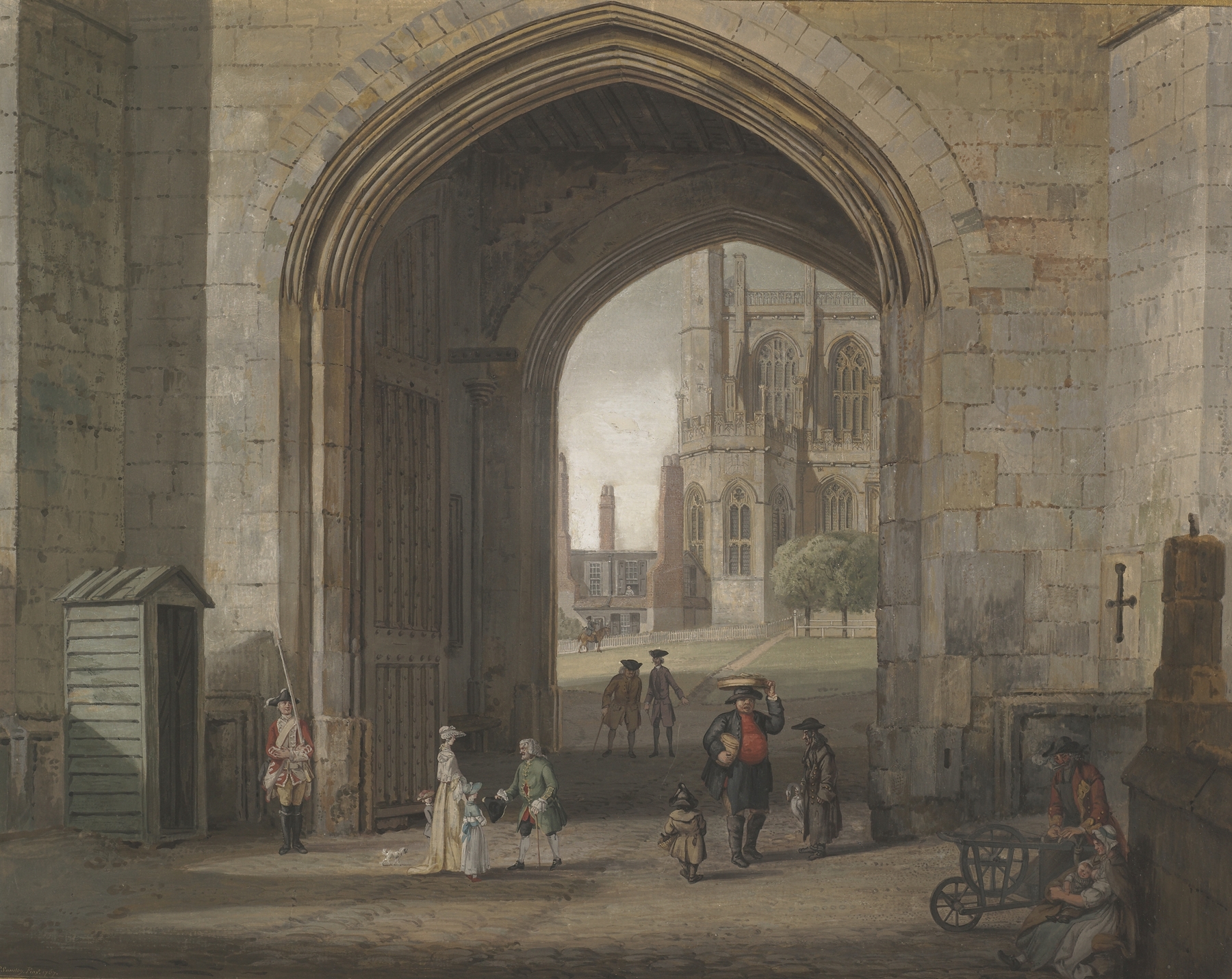
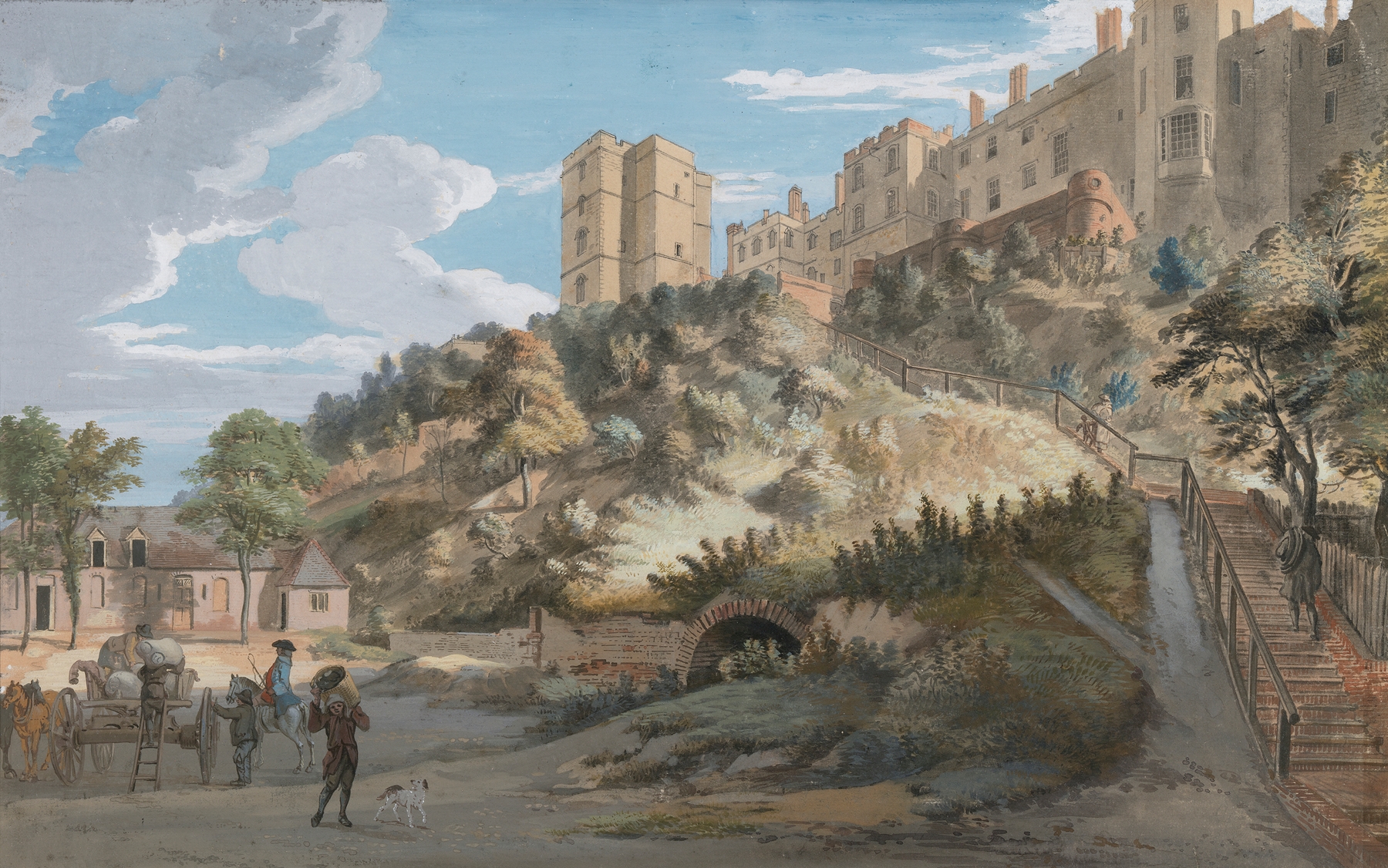
Can beauty exist without sorrow? This question lingers in the air as one gazes upon the delicate lines and soft hues of a cherished memory captured in time. The piece evokes not only a place of worship but also the echoes of lives intertwined with its history. The tranquil atmosphere invites reflection, luring the viewer to ponder what lies beneath its serene surface. Look to the left at the intricate archways of St.
George’s Chapel, where the light gently filters through, illuminating the ornate stonework. The artist’s careful attention to detail draws the eye across the scene, revealing the subtle play of shadows that hint at the passage of time. Notice how Sandby employs a palette of muted pastels, creating an ethereal quality that blurs the boundaries between the present and memory, offering a glimpse into the sacred space as both a physical and emotional sanctuary. As you delve deeper, consider the contrasts present in the artwork—the stability of the stone chapel against the ephemeral nature of the figures cloaked in twilight. The figures, though small, embody a sense of purpose and unity, drawing a connection between the human experience and the divine architecture.
Their presence underscores the idea of communal memory within the chapel's walls, suggesting that each visit weaves new stories into its tapestry, filled with both joy and gentle sorrow. While the precise date of this artwork remains unknown, St. George’s Chapel, Windsor, and the Entrance to the Singing Men’s Cloister was likely created during a period when Sandby was deeply engaged in capturing the beauty of the English landscape and architecture. Working in the late 18th century, he was amidst a flourishing of Romantic sentiment in art, reflecting a growing appreciation for the past and a yearning to memorialize the beauty of historical sites, deeply intertwined with national identity and collective memory.