Stamford Lincolnshire — History & Analysis
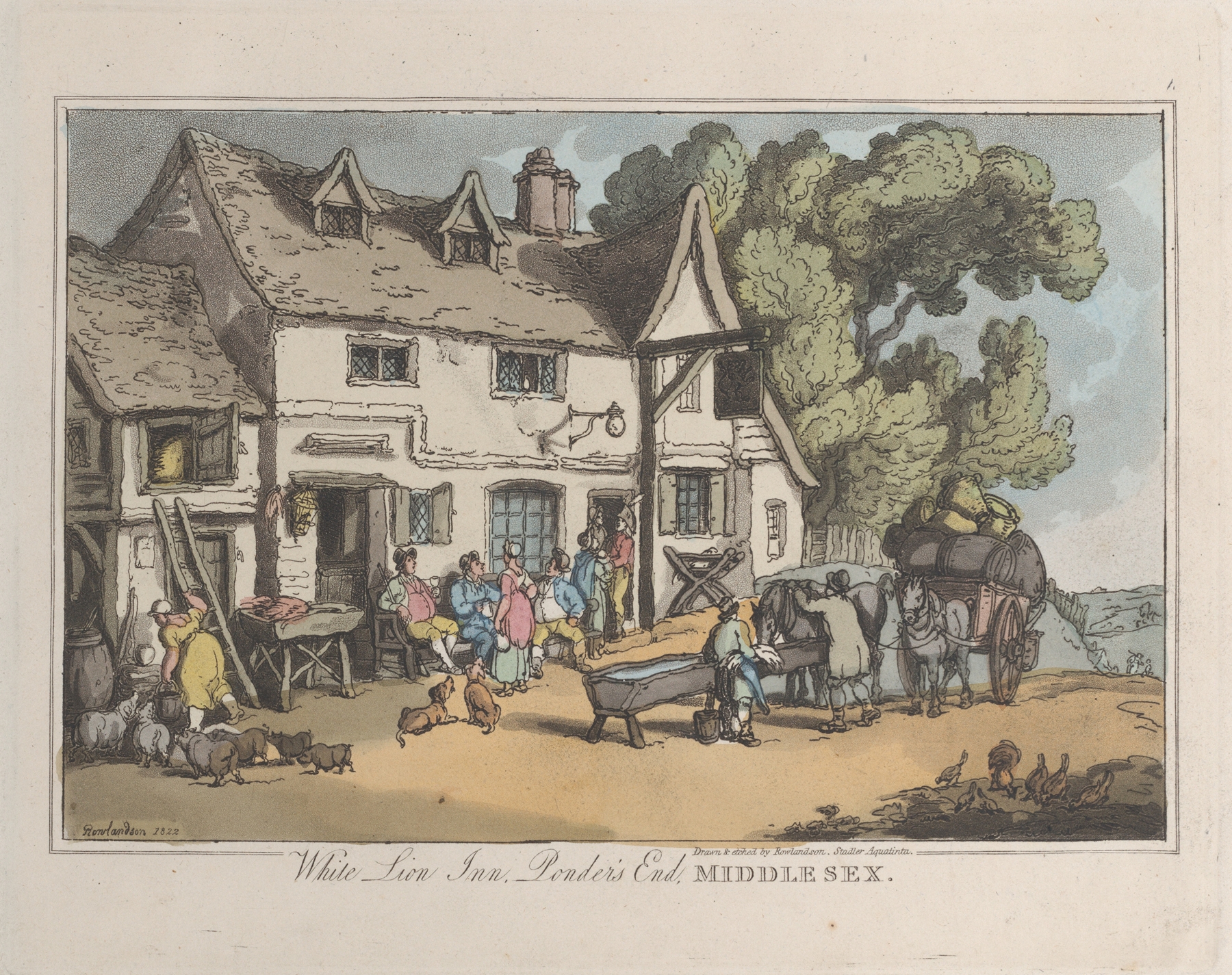
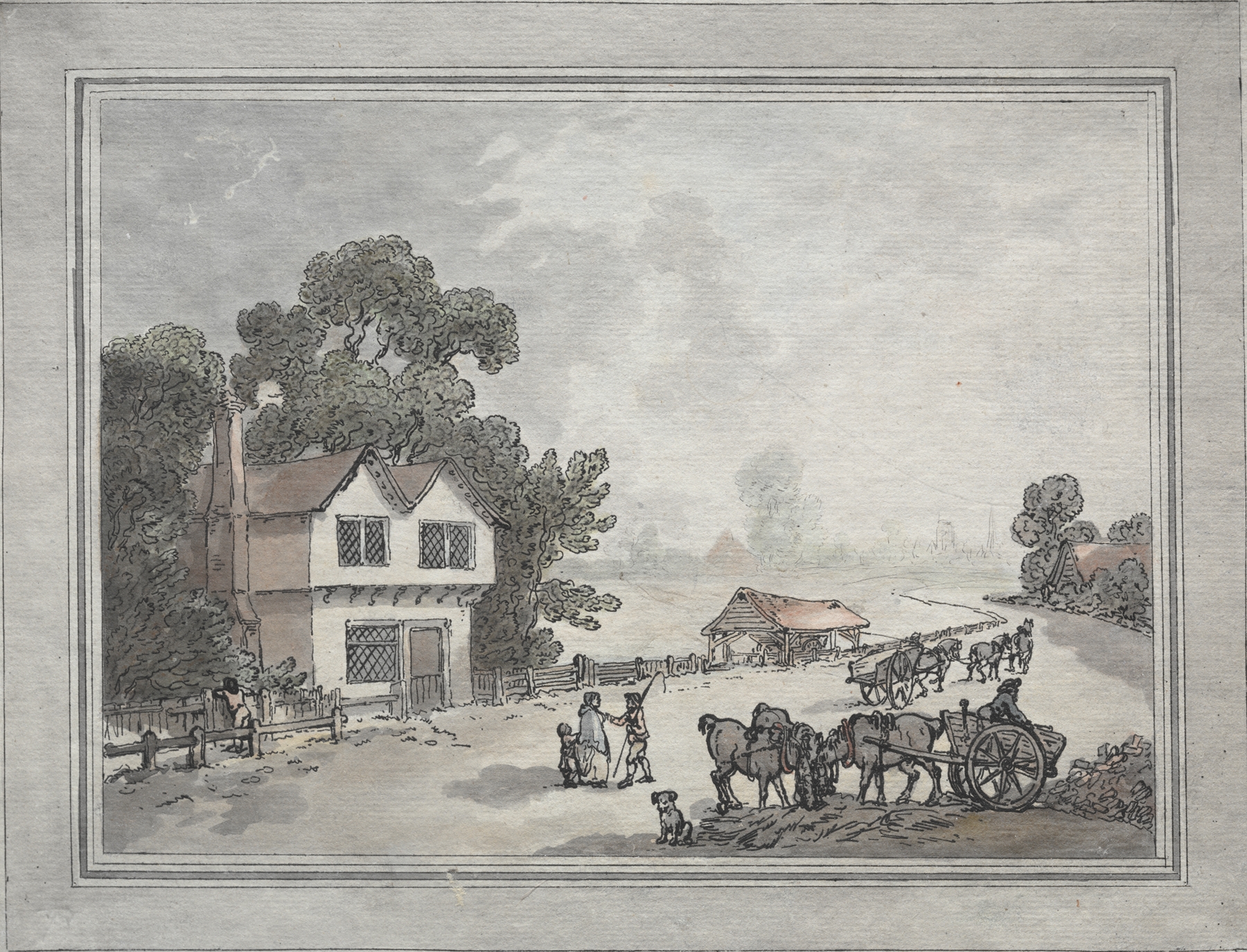
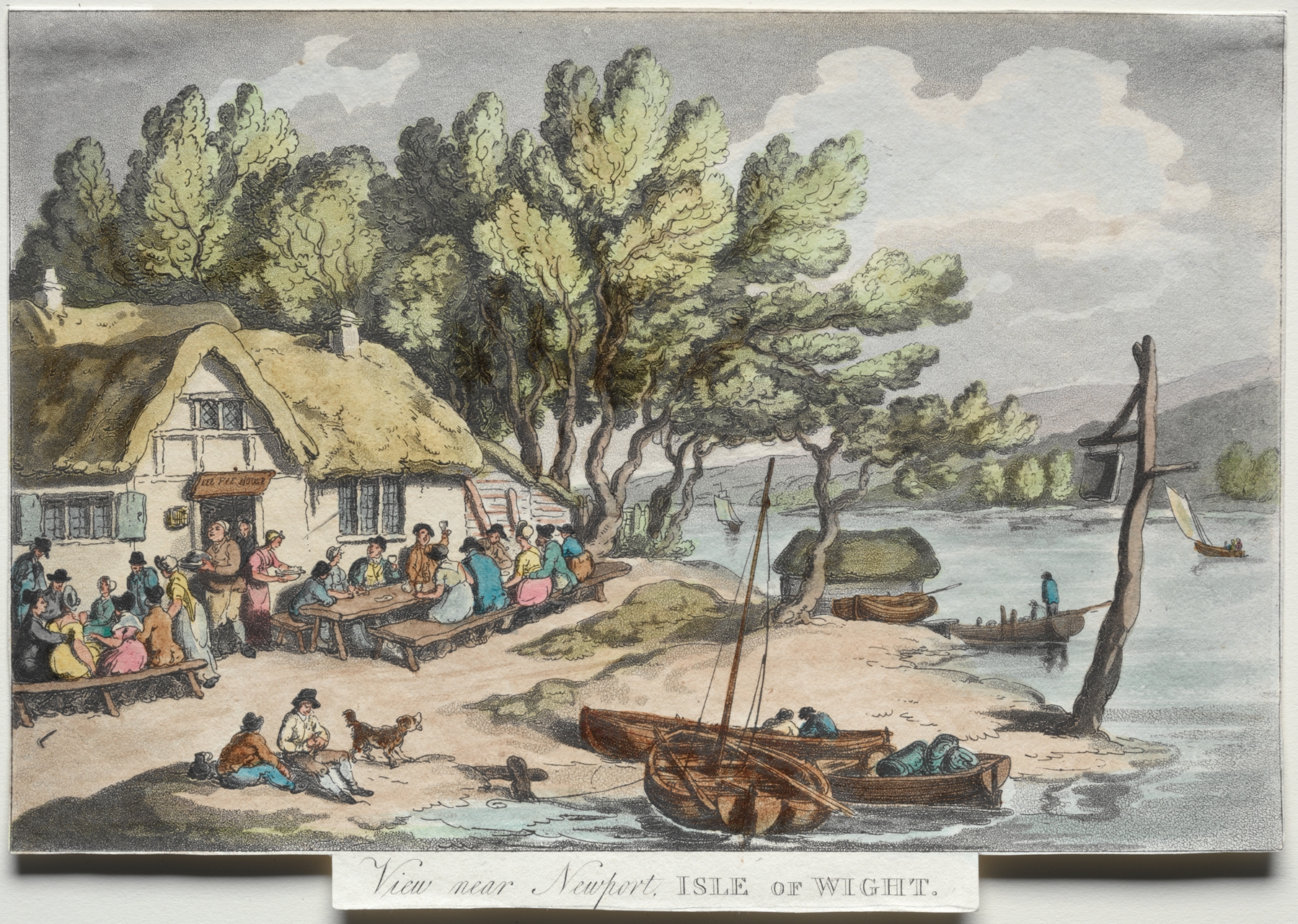
“Every brushstroke is a heartbeat remembered.” In the quiet elegance of Thomas Rowlandson's Stamford Lincolnshire, we encounter a world caught between the serenity of rural life and the stirring whispers of revolution. The scene encapsulates the tension of a changing era, harmonizing tradition with the pulse of modernity. Look to the foreground, where the quaint architecture of Stamford stands proudly, detailed with delicate lines that hint at the craftsmanship of its bygone era. Notice the soft interplay of light on the buildings, illuminating the textured surfaces while casting gentle shadows that evoke a sense of nostalgia. The palette, comprised of warm earth tones and muted greens, encapsulates both tranquility and the subtle anxiety of transformation.
Each element is arranged with precision, guiding the viewer's eye through the scene while inviting reflection on the vibrant life bustling within. Delve deeper into the contrasts present in the composition: the quaintness of daily life juxtaposed with the broader societal shifts looming on the horizon. The deliberate inclusion of distant figures hints at the community's interconnectedness, while their subtle gestures suggest a stirring restlessness beneath the surface. The natural elements, too, seem to echo this sentiment—trees swaying lightly, as if caught in a call for change.
Here, the artist captures not only the physical landscape but also the emotional landscape of a community on the brink of new beginnings. In 1822, Rowlandson painted this work during a time of great upheaval in England, as social and political tensions simmered beneath a facade of calm. Living in a period marked by the aftermath of the Napoleonic Wars and the rise of industrialization, he sought to document both the beauty of the countryside and the undercurrents of change. This artwork serves as both a celebration of place and a poignant reminder of the historical tides shaping human experience.