Sterfbed van Maria — History & Analysis
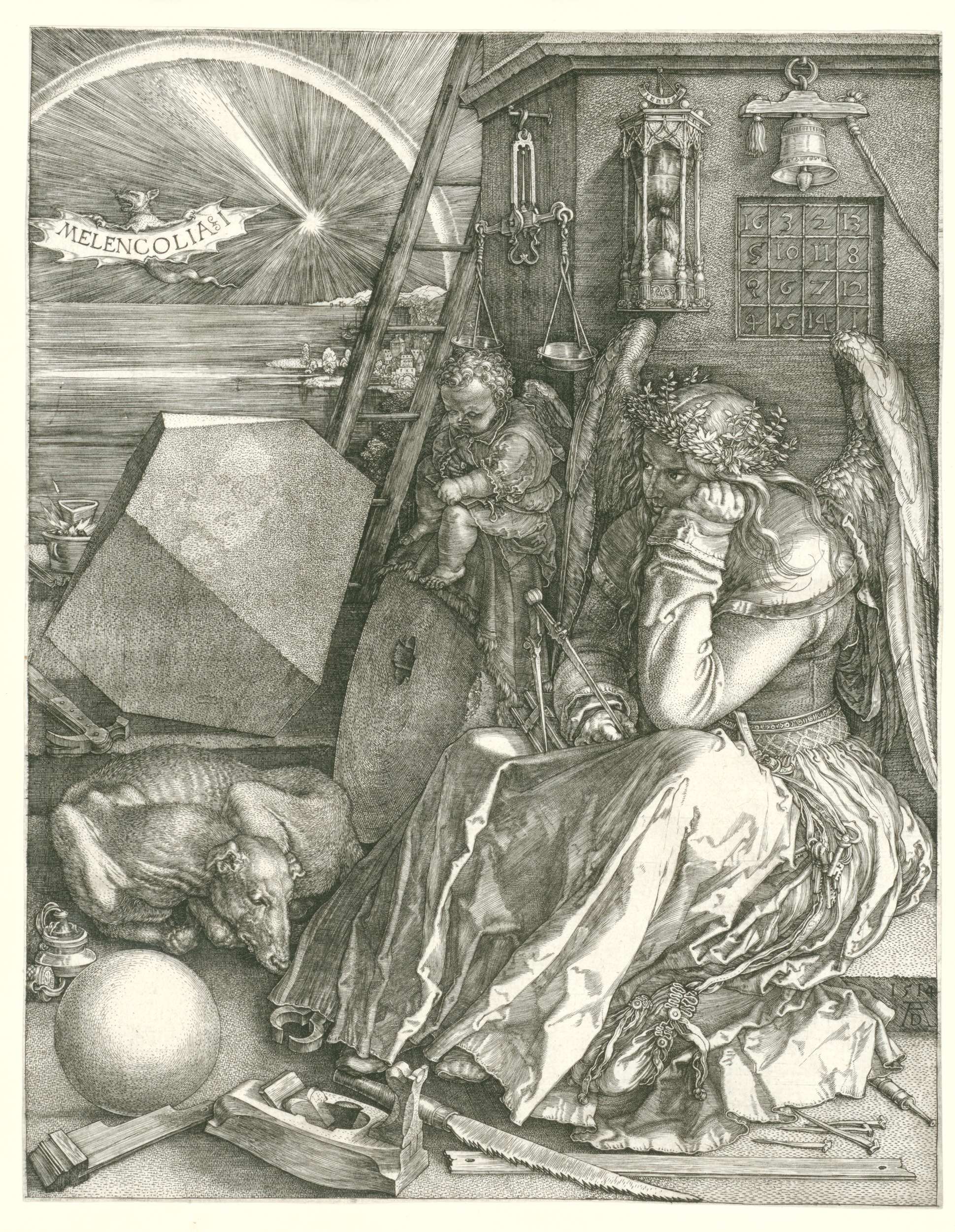
When did color learn to lie? In the delicate interplay of hue and shadow, a haunting obsession unfolds, revealing the complexities of life and death. Focus on the serene figure of Mary, her pallid skin contrasting starkly against the deep, rich reds of the drapery surrounding her. Notice how her fingers gently clutch a rosary, a symbol of devotion, inviting you to ponder the weight of faith in the face of mortality.
The gentle illumination that cascades over her face seems to whisper of both peace and sorrow, drawing our gaze into her tranquil expression, yet hinting at the turmoil of grief enveloping those around her. The interplay of light and shadow serves as a poignant metaphor for the transient nature of existence. The fallen figures at her feet, representing both sorrow and reverence, create a tension that invites introspection. This scene does not merely capture a moment of death; rather, it encapsulates the obsessive devotion toward spirituality and the human condition.
Each detail, from the intricate textures of the garments to the subtle expressions of the mourning figures, reverberates with the emotional weight of loss and the unrelenting grip of faith. Created in 1510 during a time of profound transformation in the arts, the piece reflects Albrecht Dürer’s deep engagement with humanism and the spiritual dilemmas of his era. Working in Nuremberg, he was at the forefront of the Northern Renaissance, a period marked by a burgeoning emphasis on individual experience and emotion. This painting serves as a testament to his mastery in merging the sacred with the personal, leaving a lasting impression on the viewer that resonates through the ages.