Stetind in Fog — History & Analysis
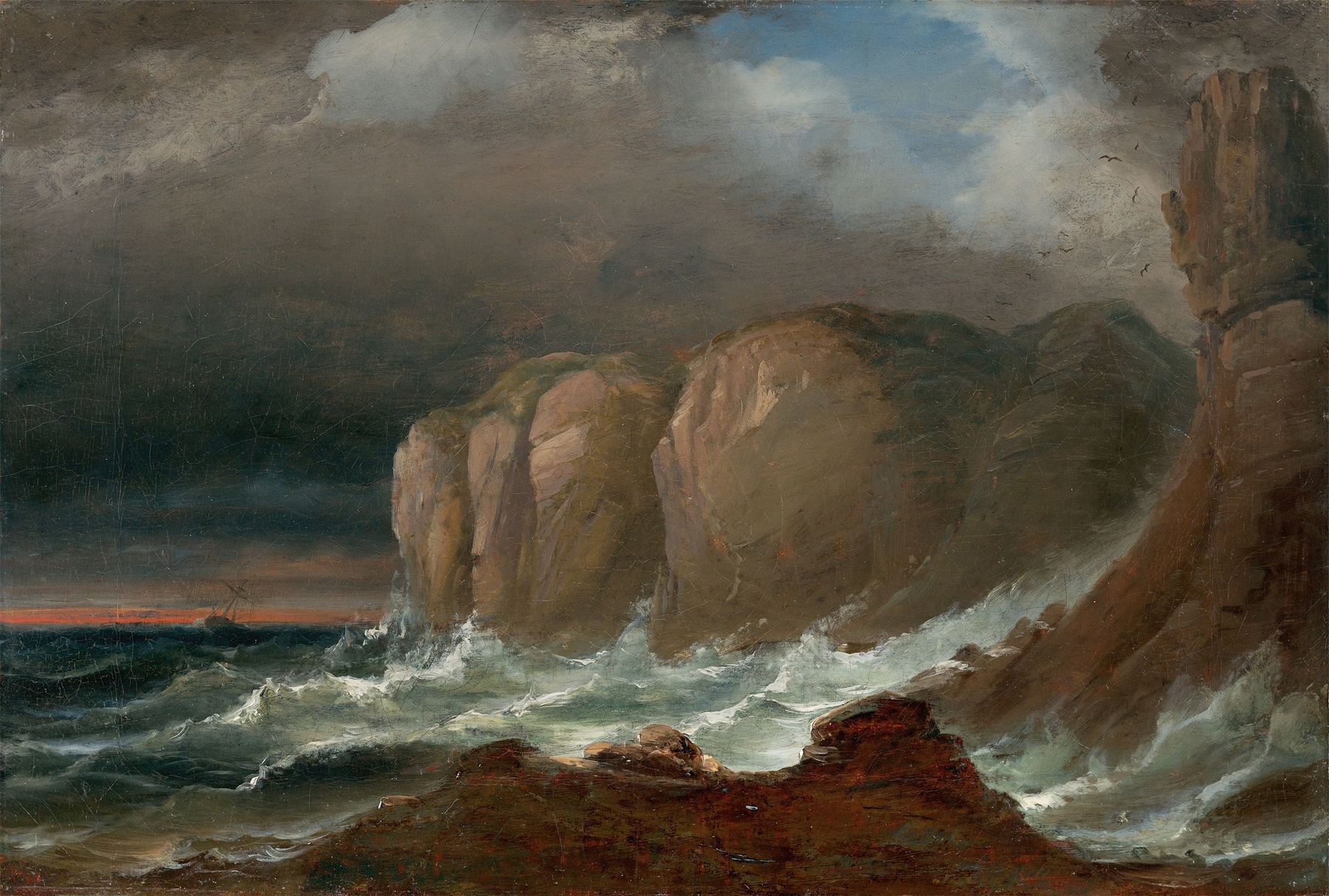
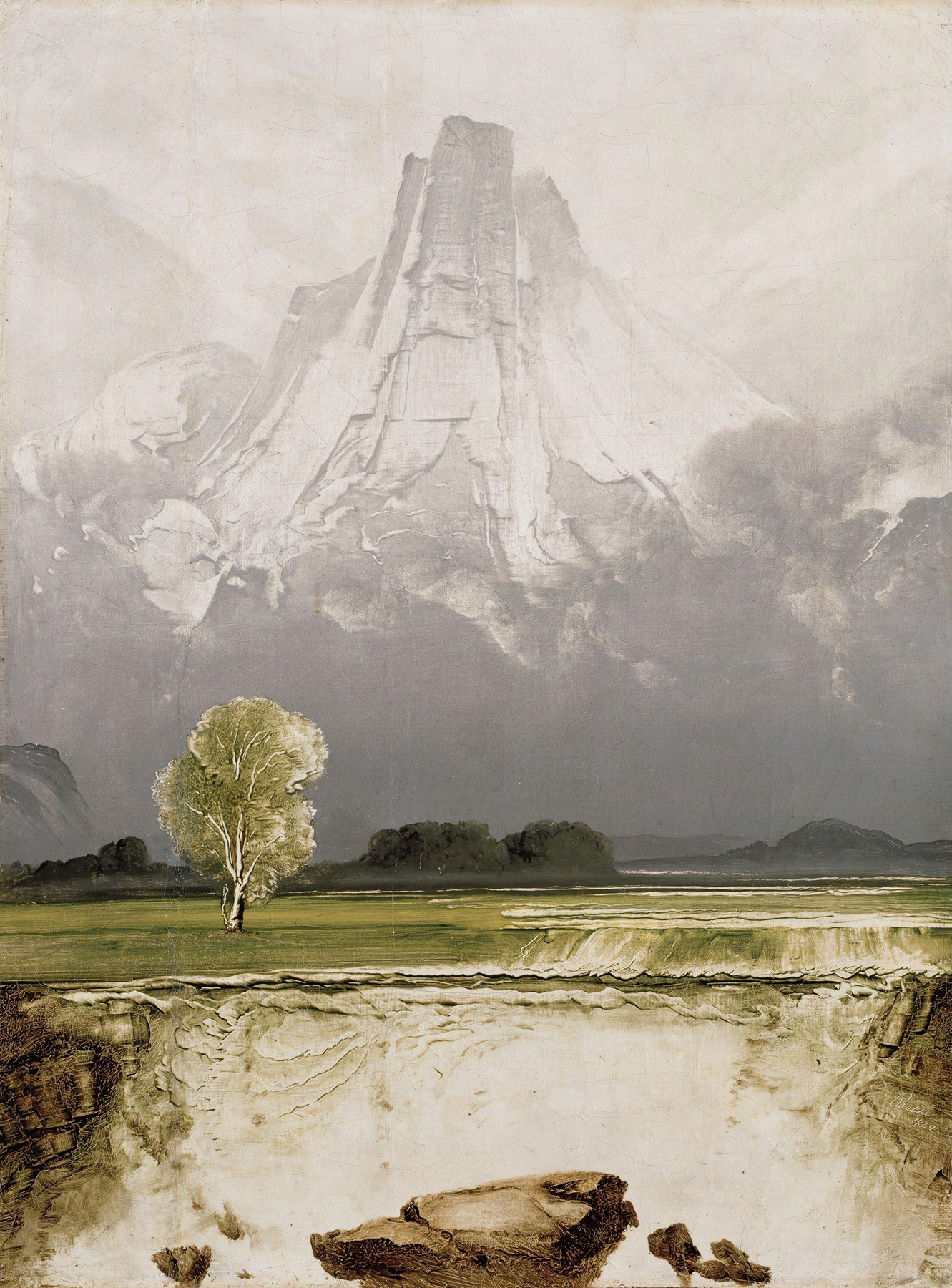
When did color learn to lie? In the swirling mists of Stetind in Fog, we confront the question of reality versus illusion, where destiny cloaked in ambiguity invites the viewer to explore deeper truths. Look to the center of the canvas, where the majestic peak of Stetind looms, barely discernible through the dense fog. The brushwork is both sweeping and delicate, capturing the mountain’s formidable presence while simultaneously allowing it to fade into the ethereal haze. Notice the cool grays and muted blues that envelop the scene, contrasting with the occasional burst of lighter tones, which suggest fleeting glimpses of clarity amid uncertainty.
This balance of light and shadow not only defines the mountain's formidable silhouette but also evokes a haunting sense of solitude. As you delve into the painting, consider the interplay of nature and emotion. The shrouded mountain symbolizes the unknown paths of life, representing aspirations that remain just out of reach. The fog acts as a metaphor for the obscured visions of our futures, a reminder of how fate can mask our true desires.
The starkness of the landscape evokes both awe and a sense of dread, reflecting humanity's eternal struggle against the forces of destiny that shape our journeys. Peder Balke painted Stetind in Fog in 1864 during a period of personal introspection and change. Residing in Norway, he was deeply influenced by Romanticism, which emphasized the sublime beauty and terror of nature. This work reflects not only his artistic evolution but also the broader cultural context of a time when artists were increasingly drawn to the emotional and philosophical implications of landscape painting.