Storm Clouds — History & Analysis
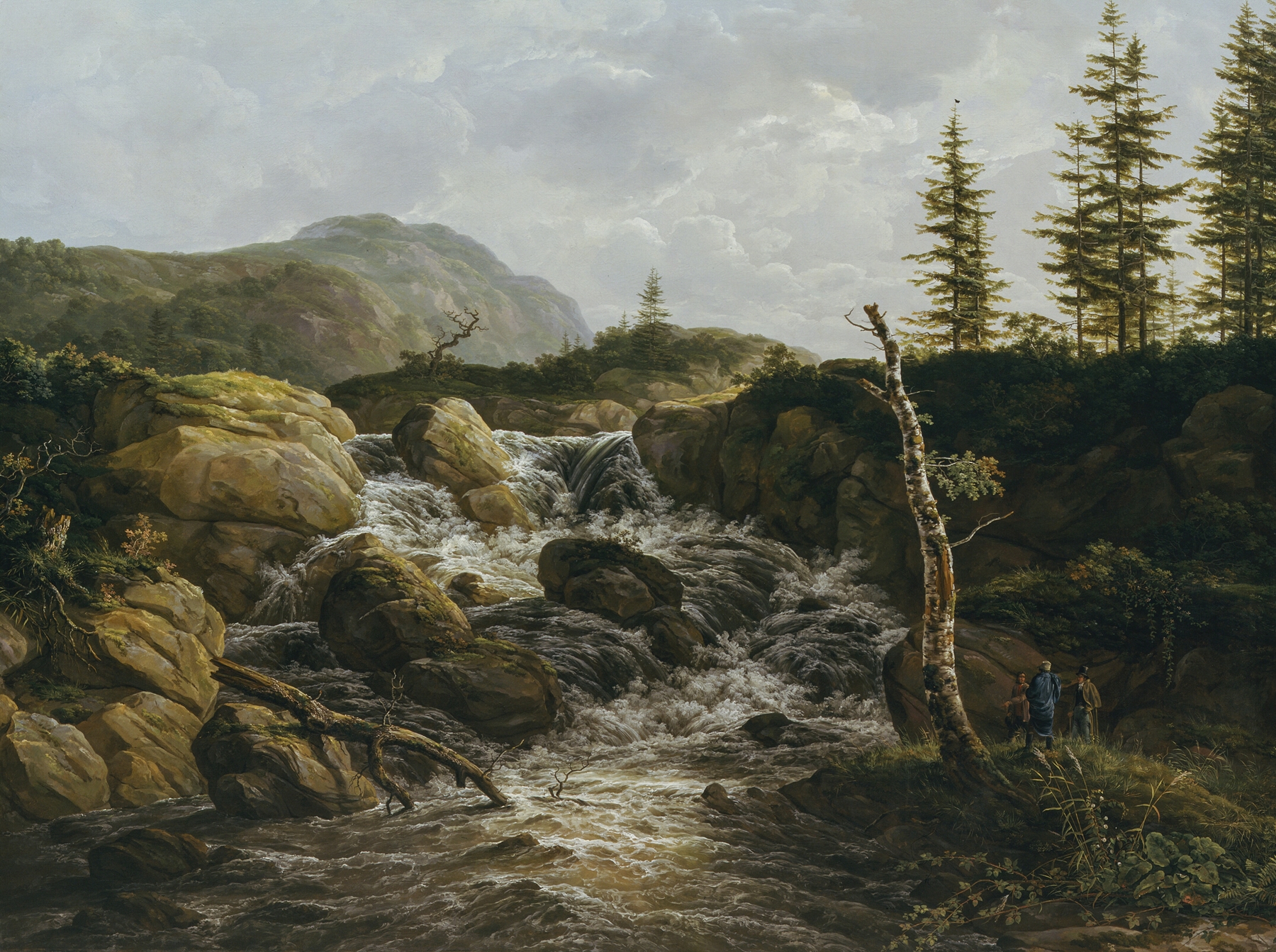
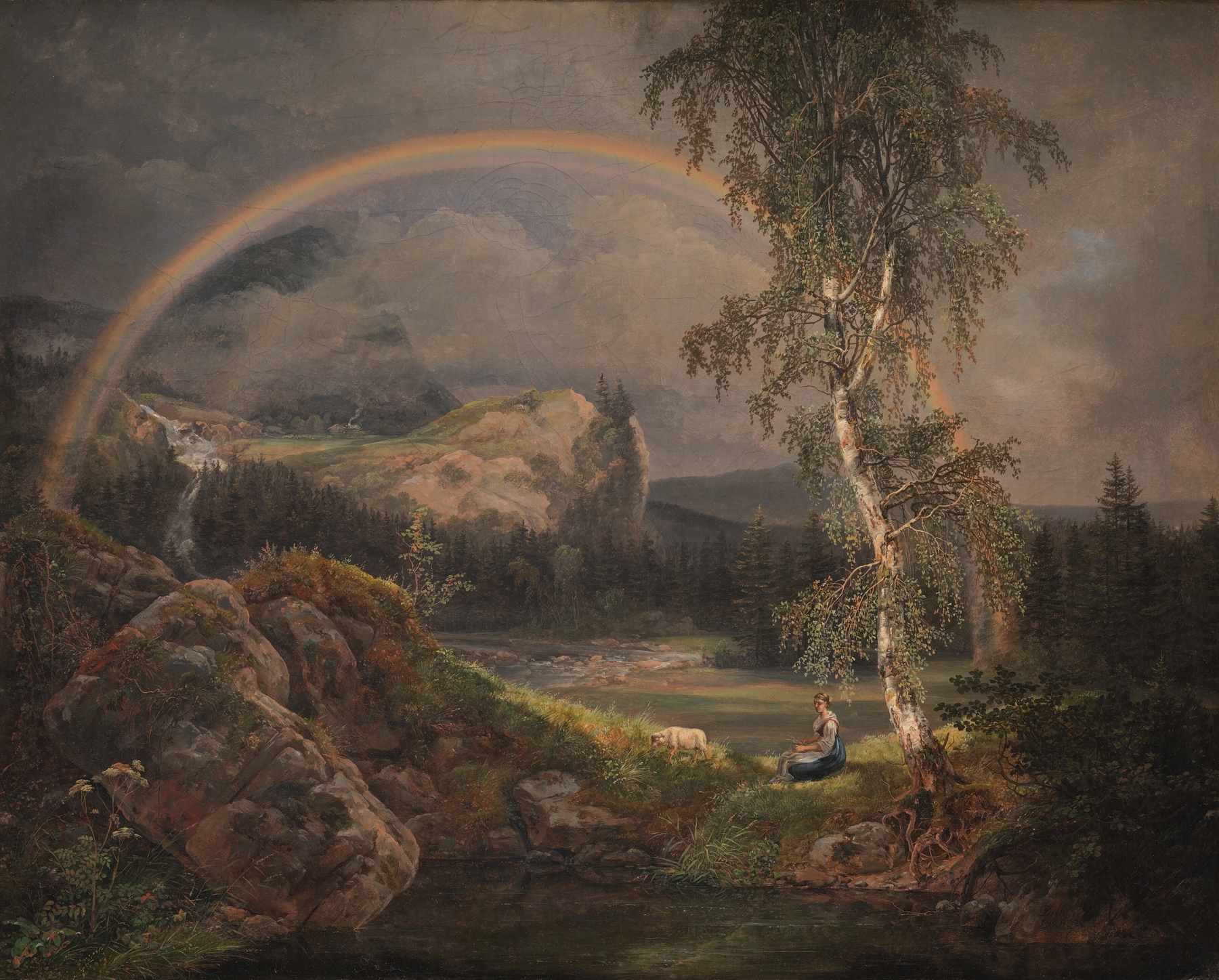
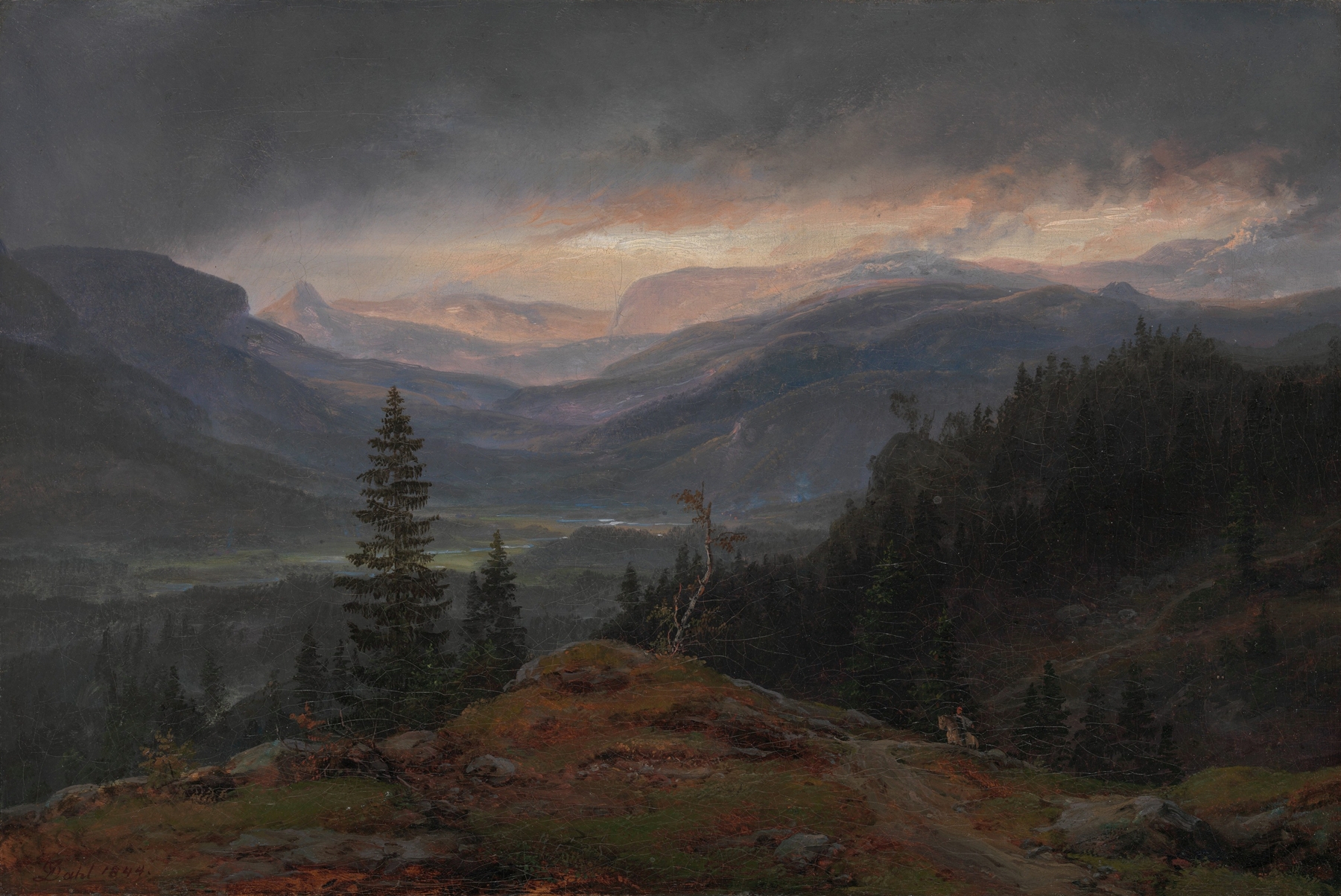
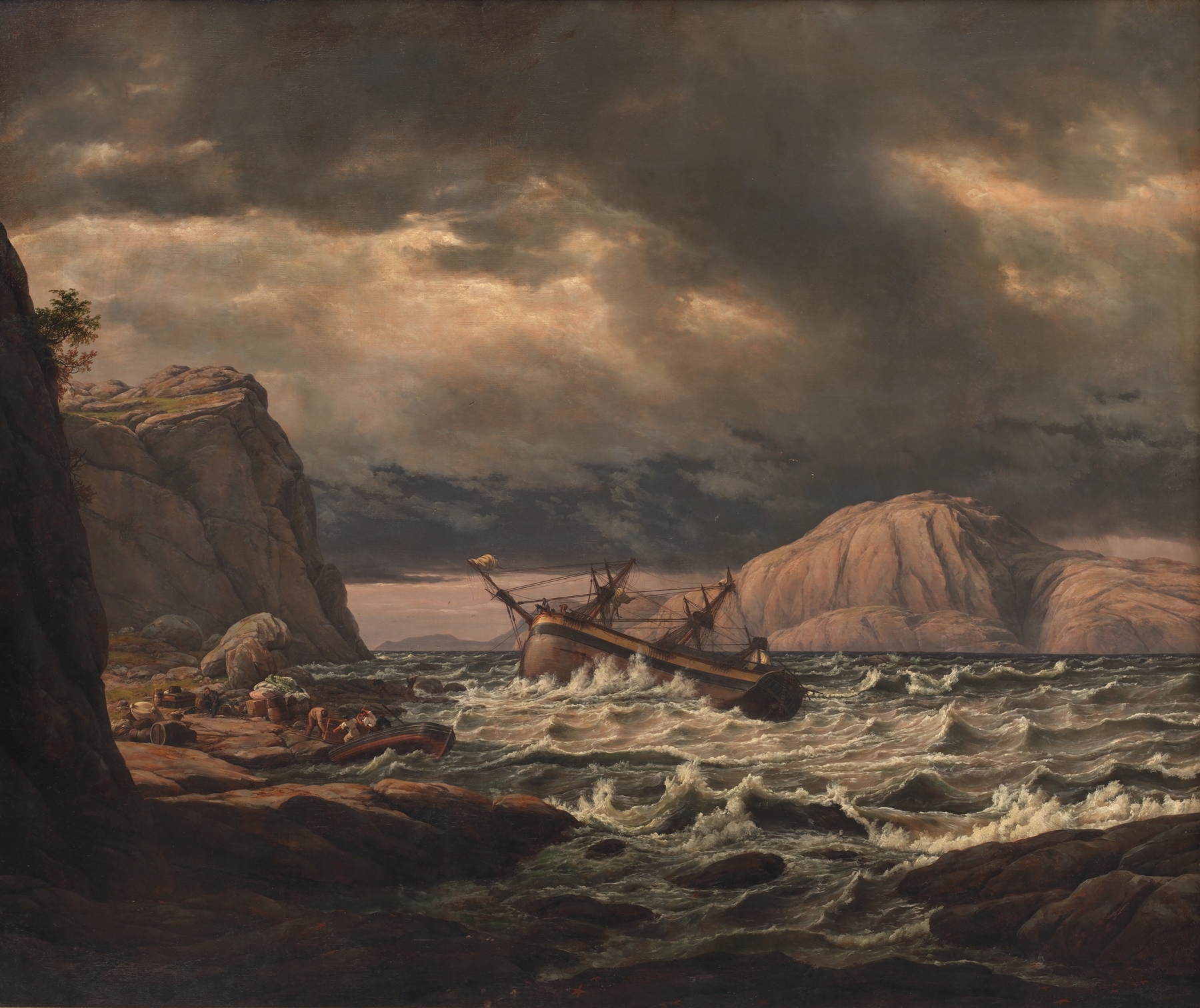
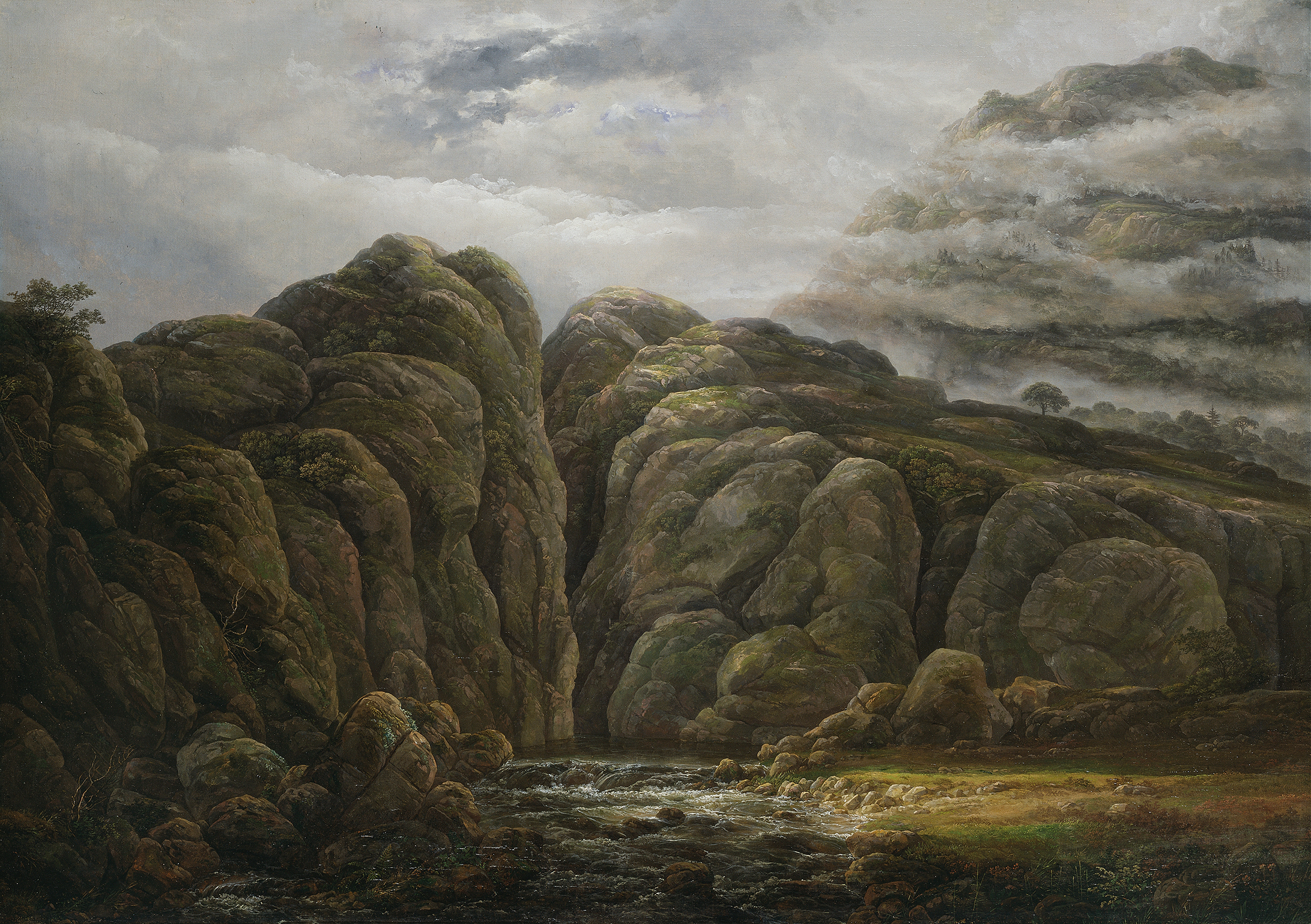
What secret hides in the quiet of the canvas? Beneath the turbulent skies and swirling clouds, an unspoken tension lingers, inviting the viewer to explore the depths of both nature and emotion. Look to the center where dark, brooding storm clouds gather, their heavy forms pulsating with energy. Notice how they contrast with the soft, muted colors of the horizon, a gentle glow that hints at the light struggling to break through. The brushwork is dynamic yet precise; each stroke captures the ferocity of the impending tempest while also paying homage to the tranquil landscape below.
The composition guides your gaze upward, creating a sense of both awe and foreboding. In this dramatic interplay of light and shadow, one can perceive a deeper narrative. The ominous clouds may symbolize impending change or emotional turmoil, while the serene landscape represents stability or the calm before the storm. This juxtaposition speaks to the dual nature of existence—how beauty often coexists with chaos.
Subtle details, such as the fragile trees bending in the wind, evoke a feeling of vulnerability amidst the encroaching storm, heightening the emotional stakes of the scene. In 1835, the artist painted this work while living in Norway, a time when Romanticism was transforming European art. He was in the midst of exploring the sublime power of nature, influenced by both personal experiences and the growing appreciation for landscape painting. As he captured this moment, the world around him was shifting, and he sought to reflect both the external landscape and the internal emotions that arise from it.