Storm Clouds — History & Analysis
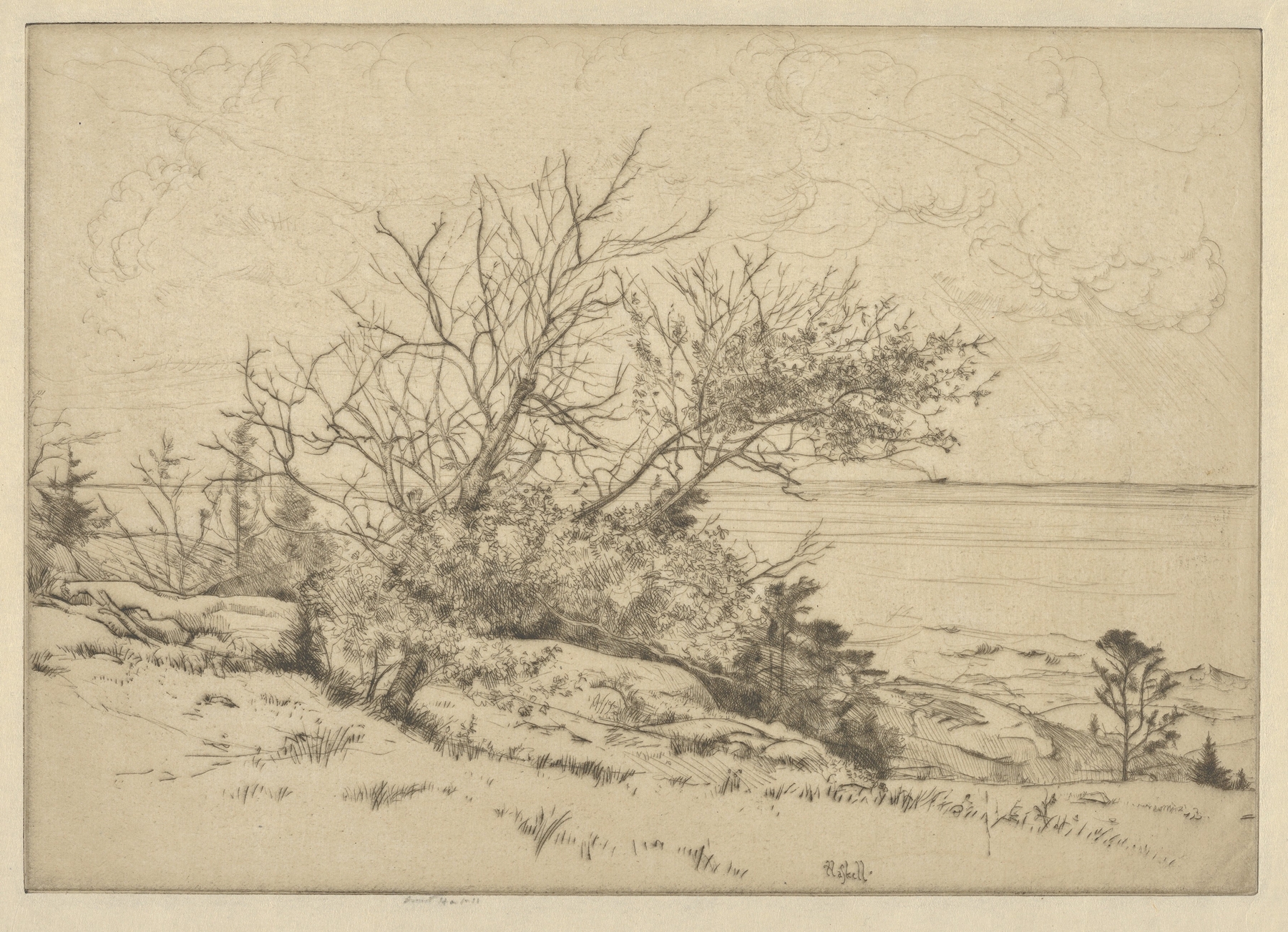
Is this a mirror — or a memory? In Storm Clouds, the echoes of tumultuous skies resonate with an emotional depth that invites contemplation on the nature of change and uncertainty. Look to the center where deep, swirling grays and blues collide, creating a tumultuous horizon. Notice how the artist has masterfully blended brushstrokes to suggest movement, instilling a sense of impending transformation. The muted colors evoke a somber mood, while lighter streaks of white hint at a fleeting clarity amidst the chaos.
The composition draws the viewer’s gaze upward, as if urging us to anticipate the storm that brews both in the sky and within ourselves. Beneath the surface, this piece reflects the tension between dread and acceptance. The storm clouds hold a duality; they symbolize both destruction and renewal, a reminder that from chaos often springs new beginnings. The interplay of shadow and light not only captures the physical drama of an approaching tempest but also mirrors the emotional turmoil faced in times of uncertainty.
It’s a visual representation of life’s unpredictable nature, urging us to embrace the movement inherent in our own experiences. Ernest Haskell created Storm Clouds in 1919, a time marked by the aftermath of World War I and the shifting dynamics of modernity in art. Living in the United States during a period of social change and artistic exploration, Haskell was influenced by both the Impressionist movement and the emerging styles of American Regionalism. This work reflects his desire to evoke deeper emotional resonance through the natural world, capturing the zeitgeist of an era grappling with its collective memories.