Study of a Beached Fishing Boat — History & Analysis
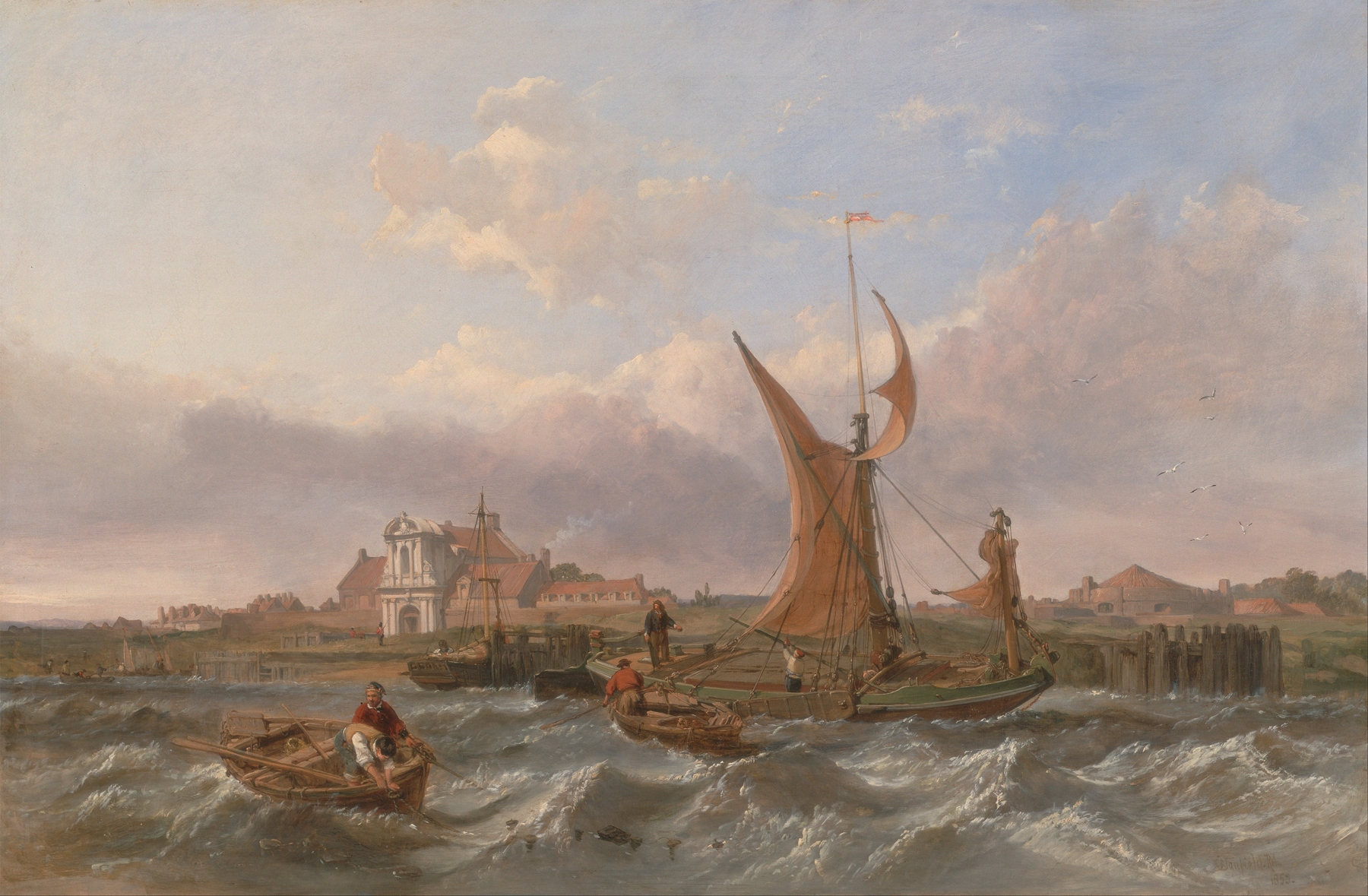
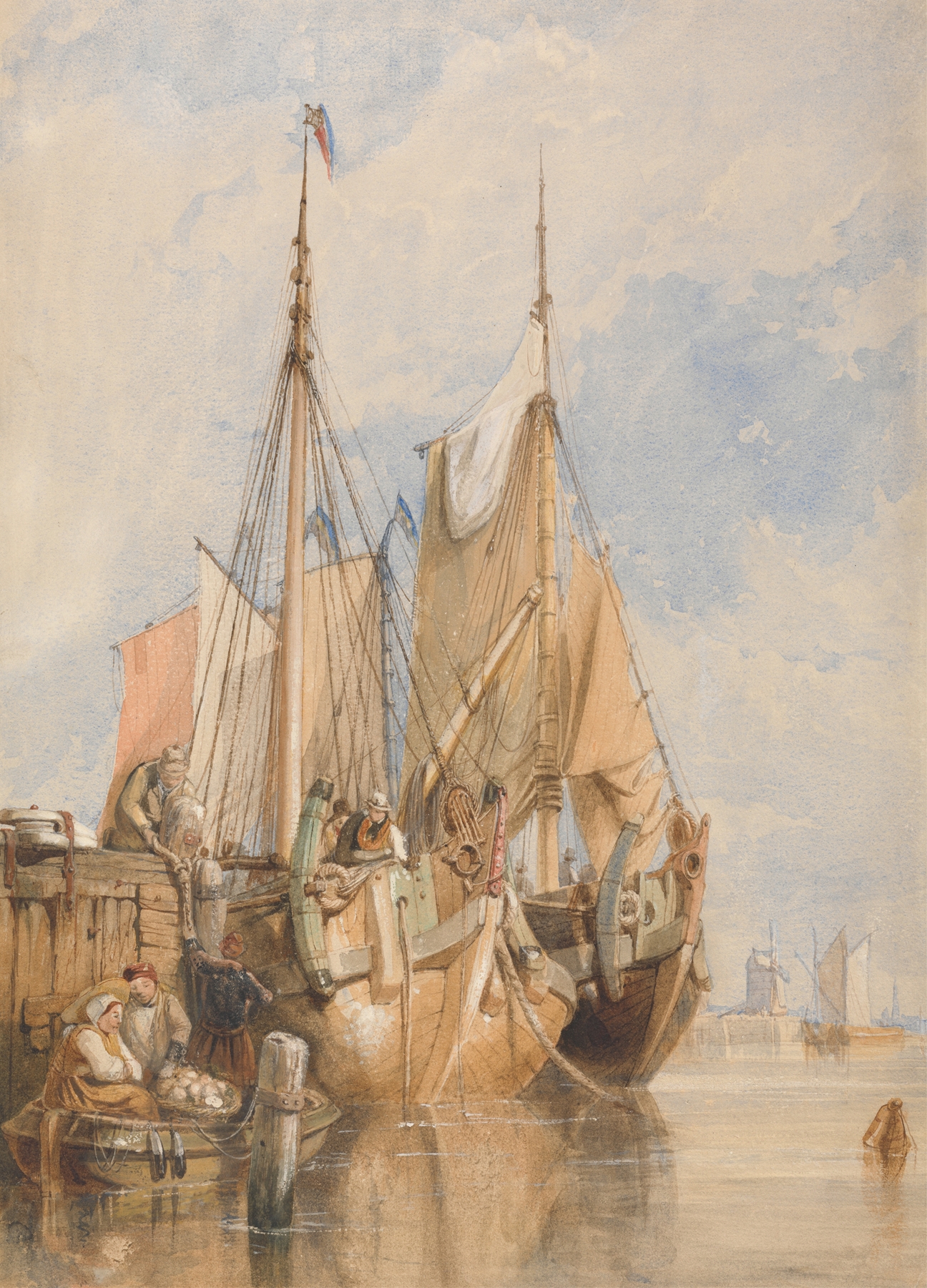
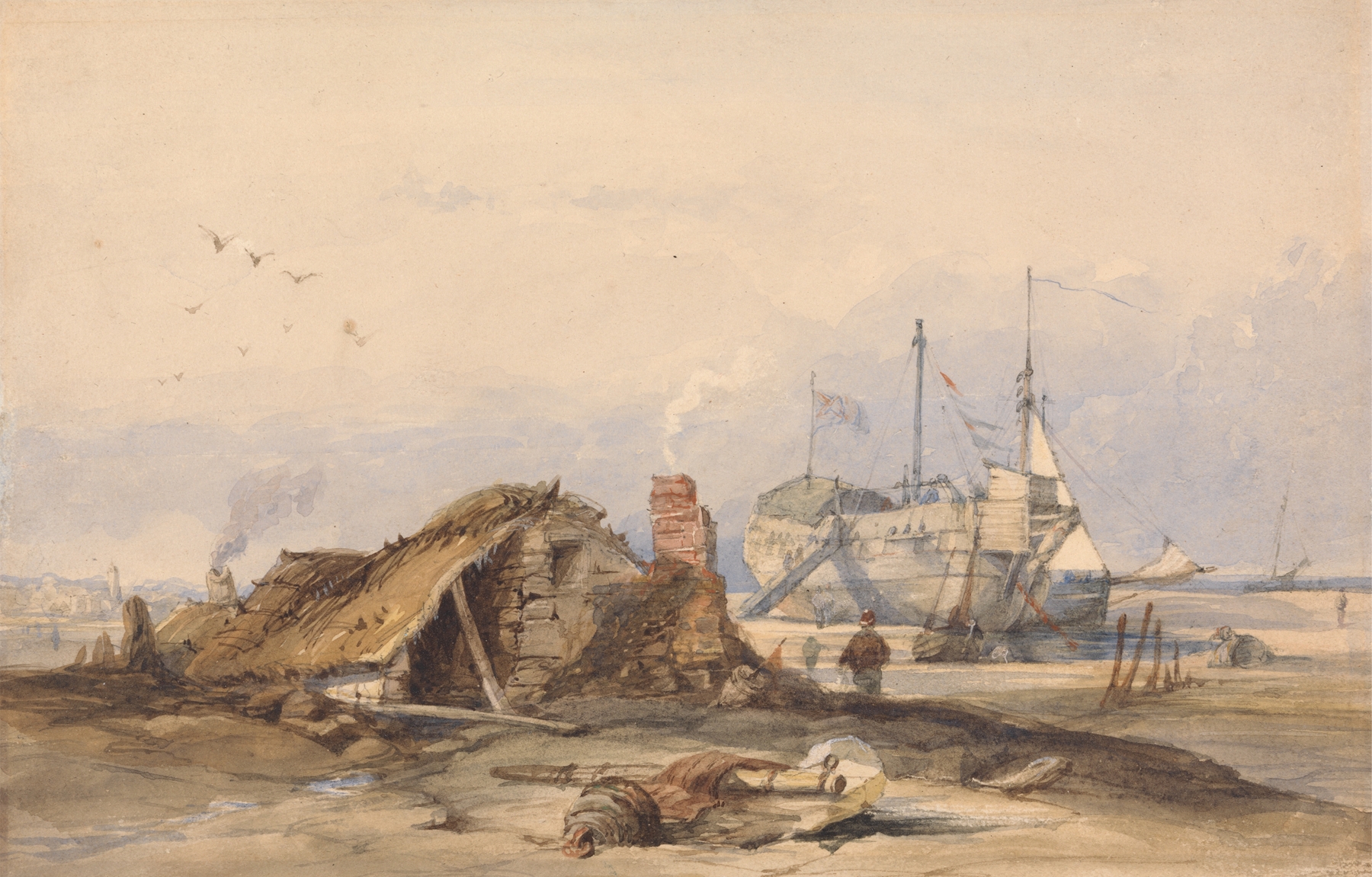
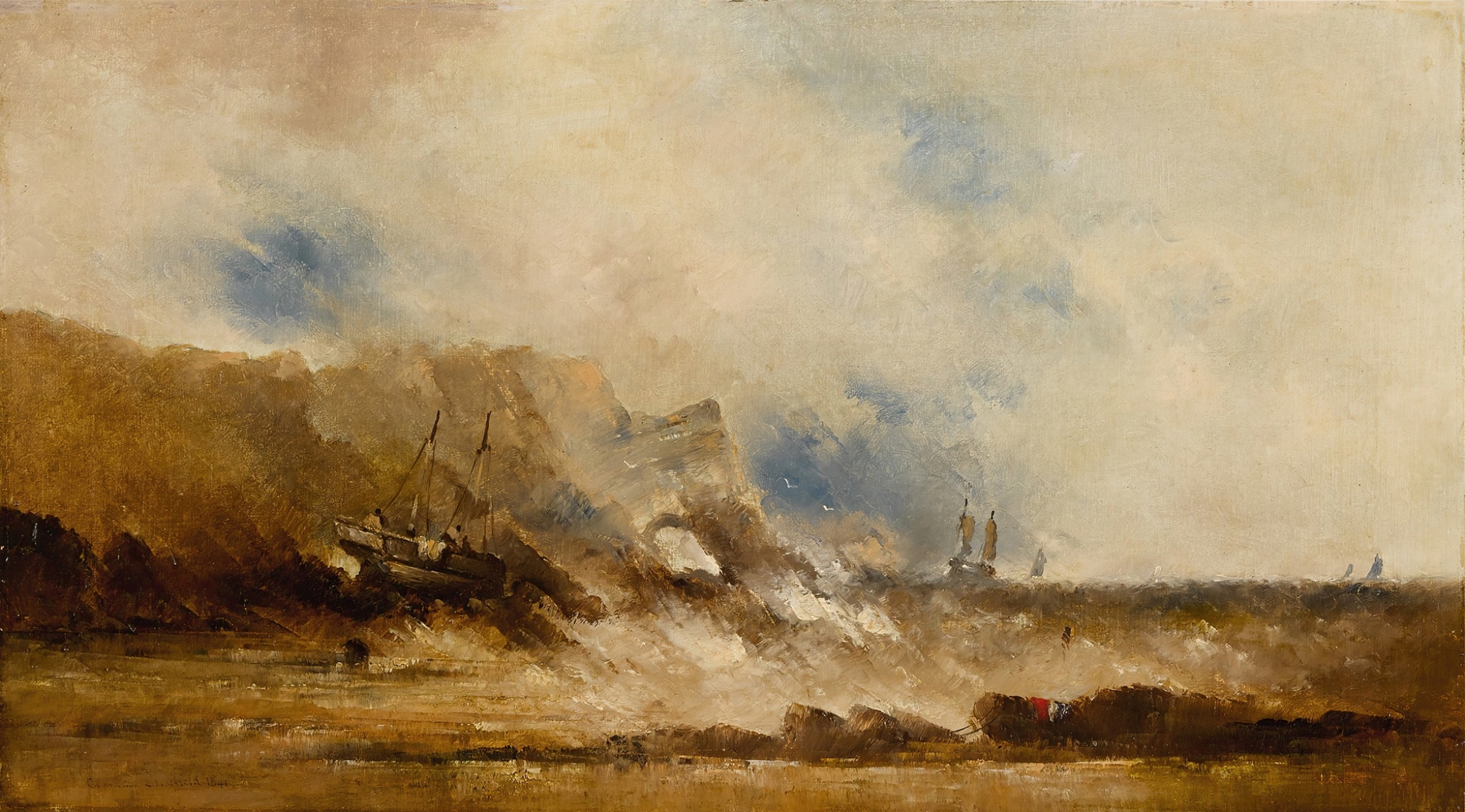
“Sometimes beauty is just pain, disguised in gold.” This profound reflection challenges us to look deeper, to see how time shapes the remnants of existence into poignant beauty. Focus on the intricate details of the beached boat, a weathered vessel that speaks volumes of a forgotten life at sea. The textured wood, bleached by sun and salt, draws the eye immediately; notice how the light dances upon its surface, illuminating the scars of its long journey. Surrounding it, the muted colors of the sandy beach blend harmoniously with the deep blues of the ocean in the background, creating a sense of nostalgia and loss.
Within this study lies a poignant contrast: the hardy resilience of the boat against the backdrop of a tranquil sea. The boat, once a powerful symbol of adventure and livelihood, now rests helplessly, evoking the passage of time and the weight of memories. The gentle curves of the hull juxtapose the harshness of its abandonment, highlighting the emotional tension between decay and beauty, between the life it once held and the stillness that envelops it now.
In 1863, Clarkson Stanfield painted this work during a period marked by a transition in the art world, shifting from romanticism to a more realist approach. Working from his studio in London, Stanfield explored maritime subjects, reflecting a profound connection to the sea and the lives intertwined with it. This study captures not only an image but an era steeped in the stories of seafarers, a testament to the passage of time that transforms all things.