Sunset — History & Analysis
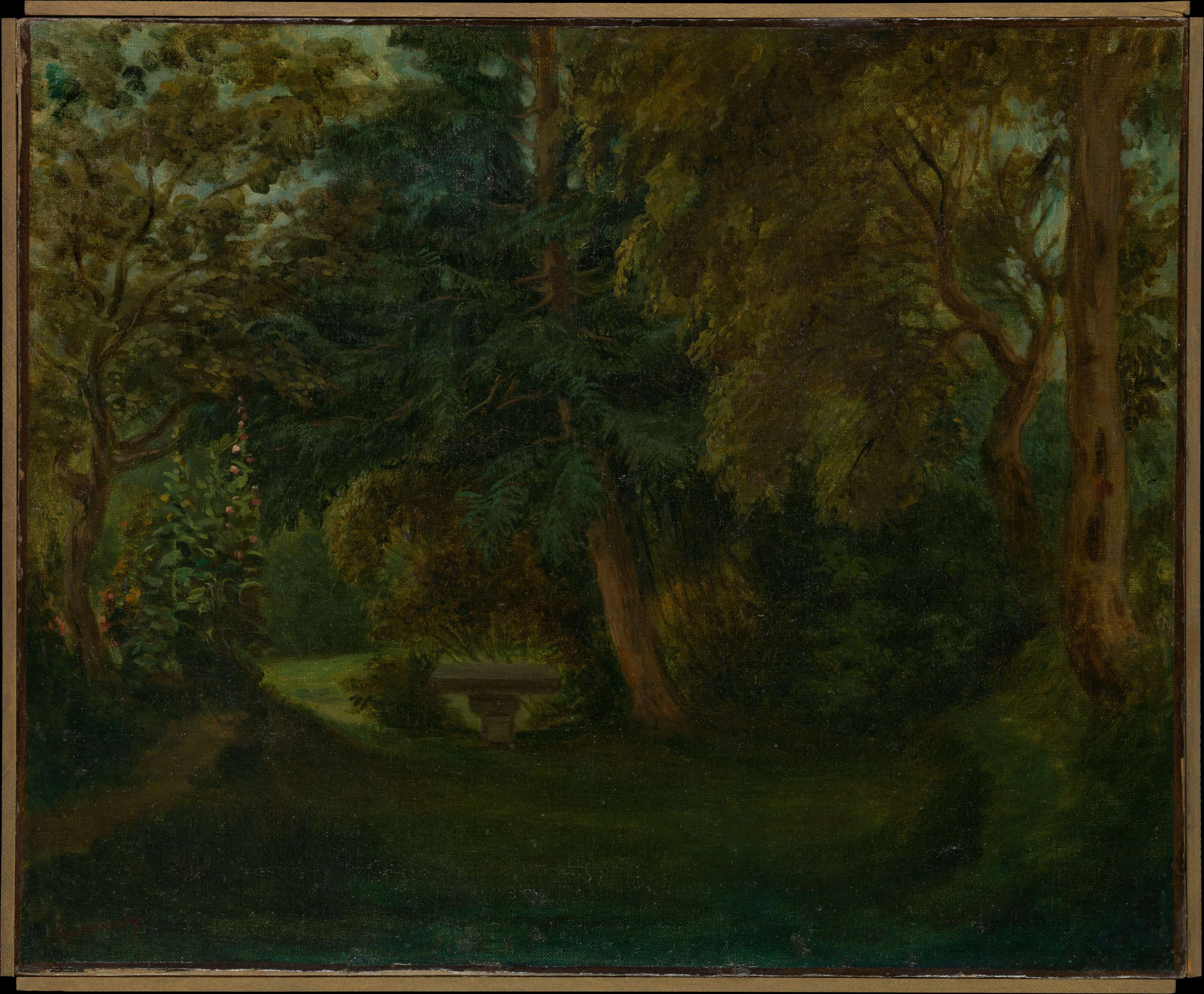
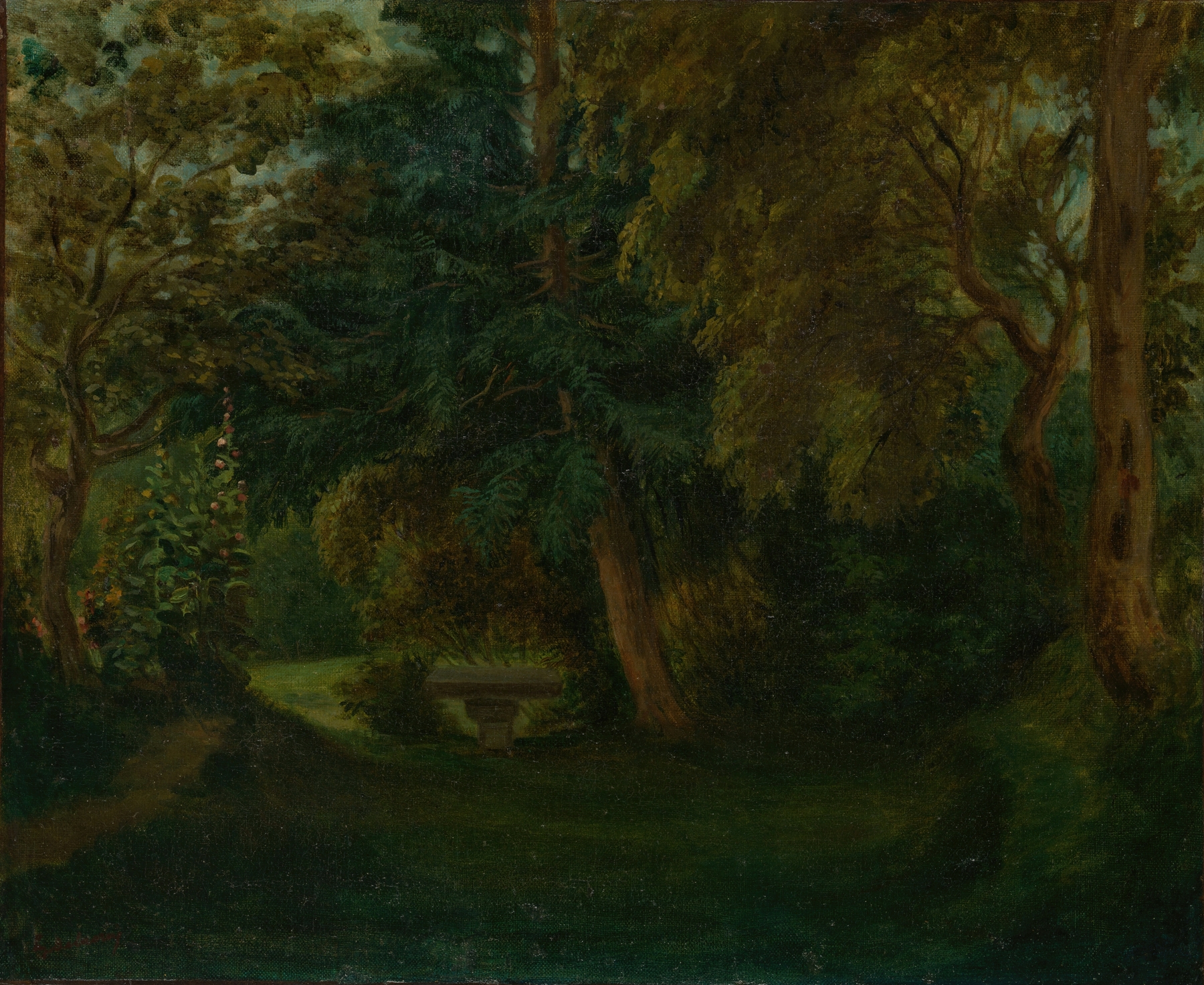
Did the painter know this moment would outlive them? The profound solitude captured in this artwork speaks volumes about the human experience, echoing the delicate dance between beauty and the melancholy of existence. Focus on the gradient of colors that flows across the canvas, as if the sky itself bleeds into twilight. Notice how the warm oranges and deep purples intertwine, creating a luminescent horizon that draws the eye upward.
The deft brushwork leads your gaze along the tranquil waves, evoking a sense of calm that contrasts with the deeper undertones of isolation hinted at in the muted foreground. Delve into the symbolism of this sunset — not merely a transition from day to night, but an allegory for endings and the quiet loneliness that often accompanies them. The gentle ripples of the water reflect the fading light, suggesting a moment of introspection, while the dark contours of the land loom solemnly, imparting a sense of emptiness. Here, the artist encapsulates the complexity of emotions, blending beauty with an innate sense of yearning.
Eugène Delacroix painted Sunset between 1849 and 1850 during a period of personal and artistic reflection. He was navigating the aftermath of the revolutionary fervor that gripped France, while simultaneously seeking to develop his unique style apart from his contemporaries. This exploration of color and light was pivotal in the evolution of Romanticism, marking a significant chapter in his career as he sought to convey the sublime, often through the lens of solitude.