Sunset — History & Analysis
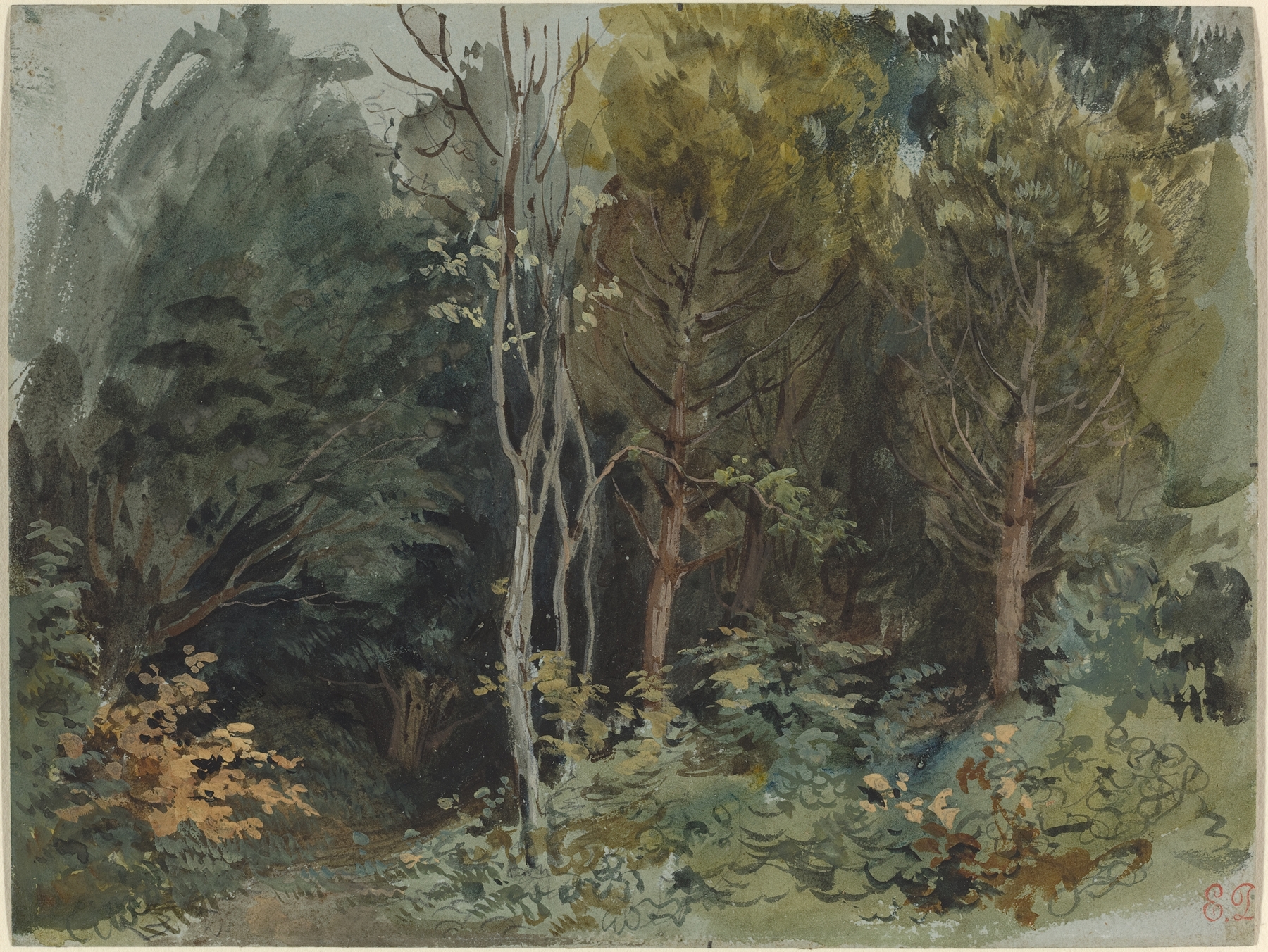
“To paint is to remember what time wants us to forget.” The fleeting beauty of a sunset encapsulates the fragility of existence, a delicate reminder that all moments are ephemeral. In the hues of orange and purple, we find a whisper of nostalgia, urging us to pause and reflect. Look to the center of the canvas, where a fiery orb sinks beneath the horizon, casting its warm glow across the water. The strokes are bold yet fluid, embodying the chaos of nature while simultaneously allowing for harmonious coexistence.
Notice how the sky transitions from a deep indigo at the edges to a vibrant tangerine, an interplay of colors that suggests both the end and the promise of a new day. The restless waves beneath mirror the tumultuous sky, their movements captured in elegant lines that evoke both energy and calm. The contrasts within the painting are profound: light versus dark, day versus night, tranquility versus turmoil. Delacroix’s use of color reflects not just the physical warmth of sunset but also the emotional warmth of memory, an invitation to consider what is lost as day yields to night.
The shimmering surface of the water creates a sense of depth, suggesting that beneath its mirror-like exterior lies an unexplored world of feelings and thoughts, rich with meaning and resonance. Crafted in 1850, this work emerged during a time when Delacroix was deeply engaged with Romantic ideals, seeking to capture both the beauty and the tumult of life. The artist's own struggles with identity and expression were echoed in the world of art, which was transitioning from the strictures of Neoclassicism to a more emotive and personal realm. In this moment, Sunset stands as a testament to the artist's exploration of fleeting beauty — a visual journal marking the delicate balance between light and shadow.