Sunset at sea — History & Analysis
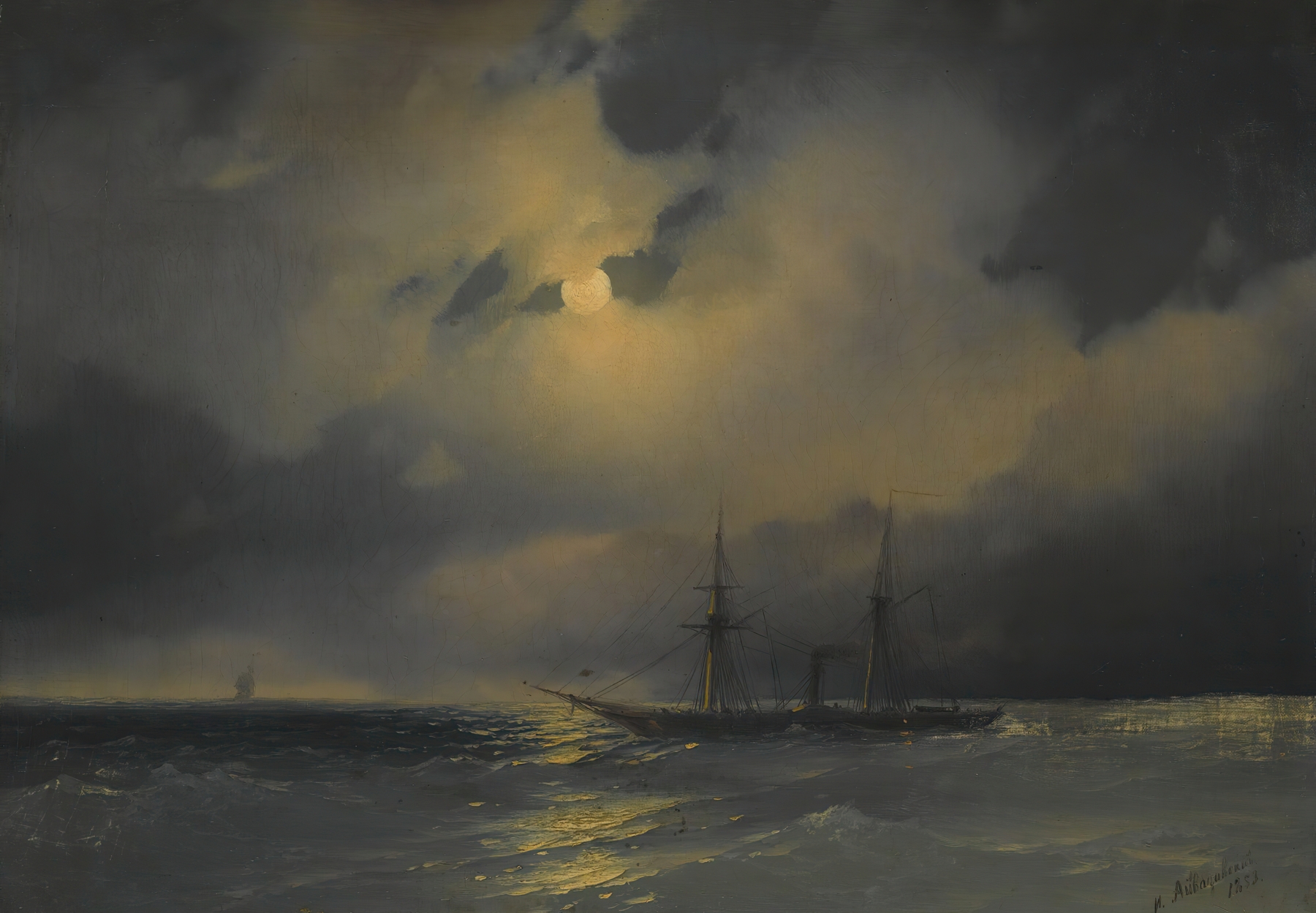
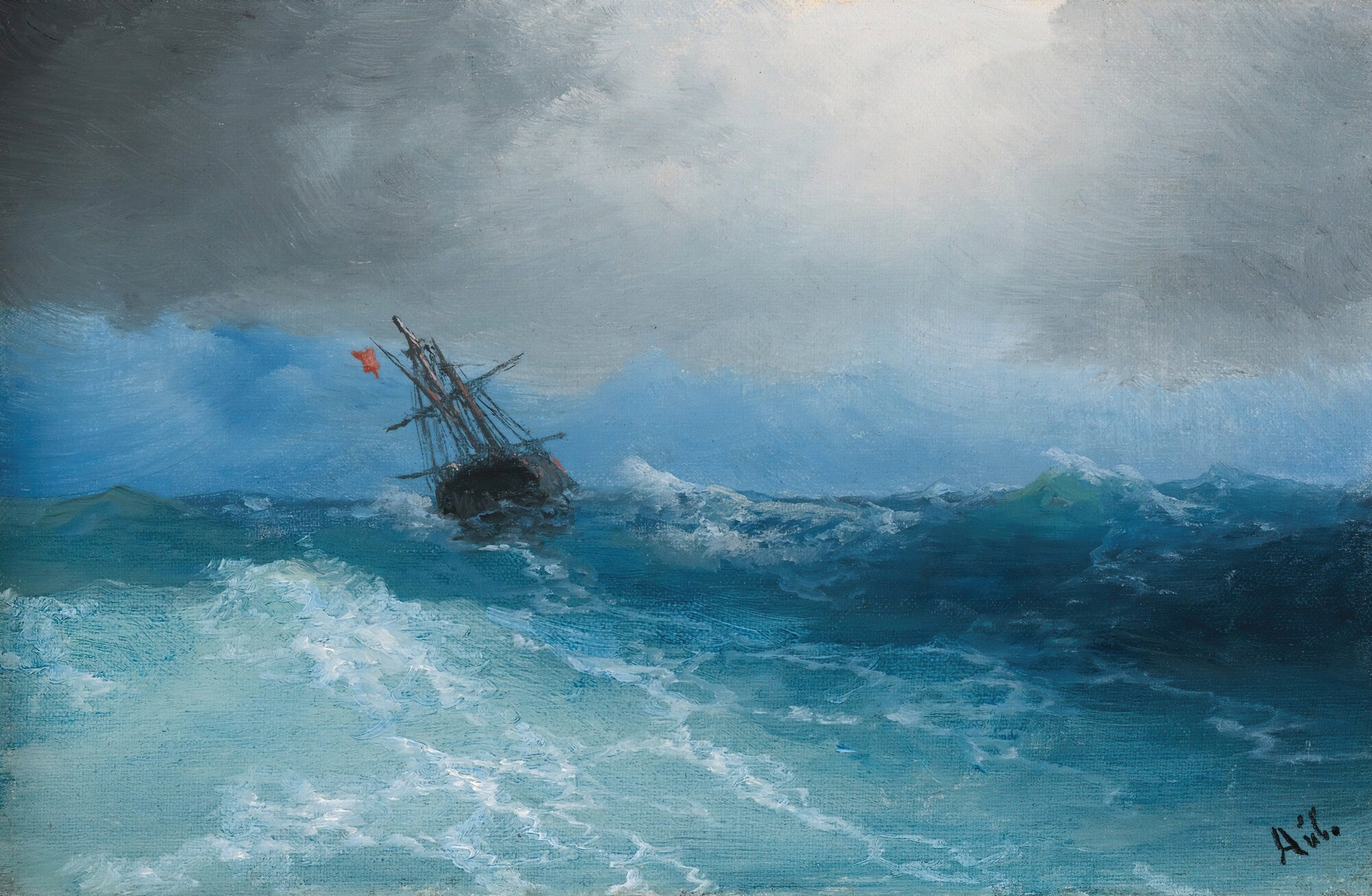
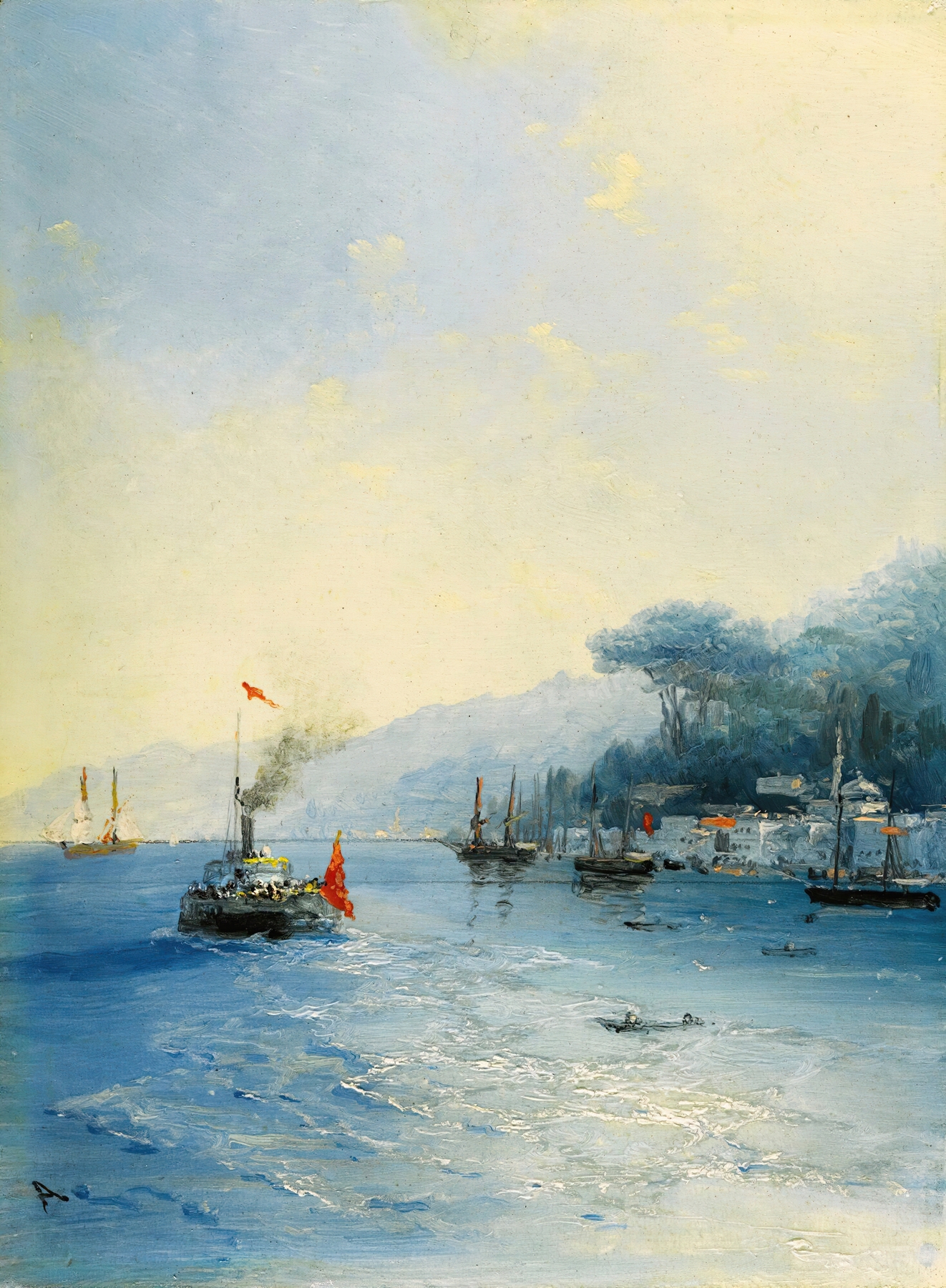
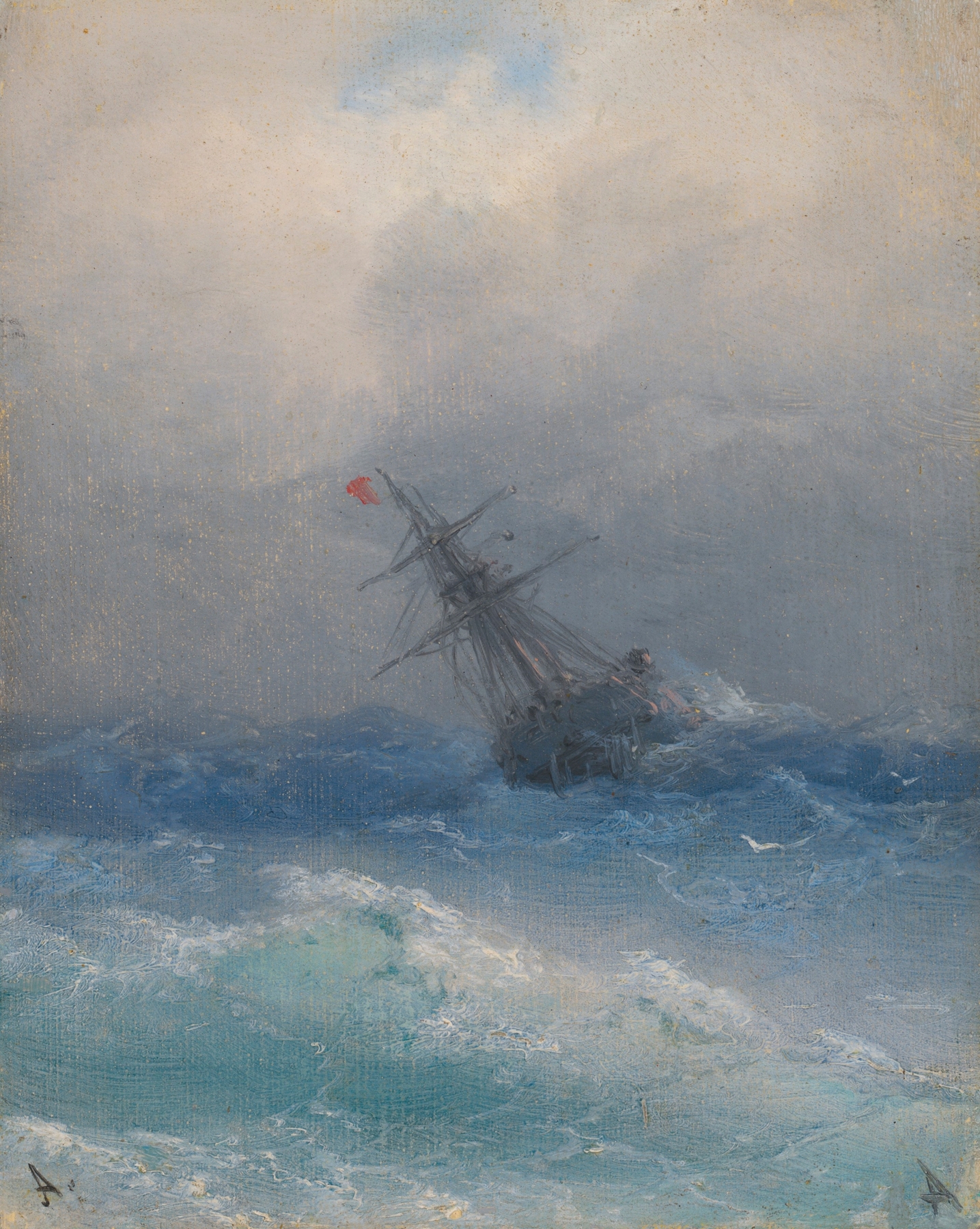
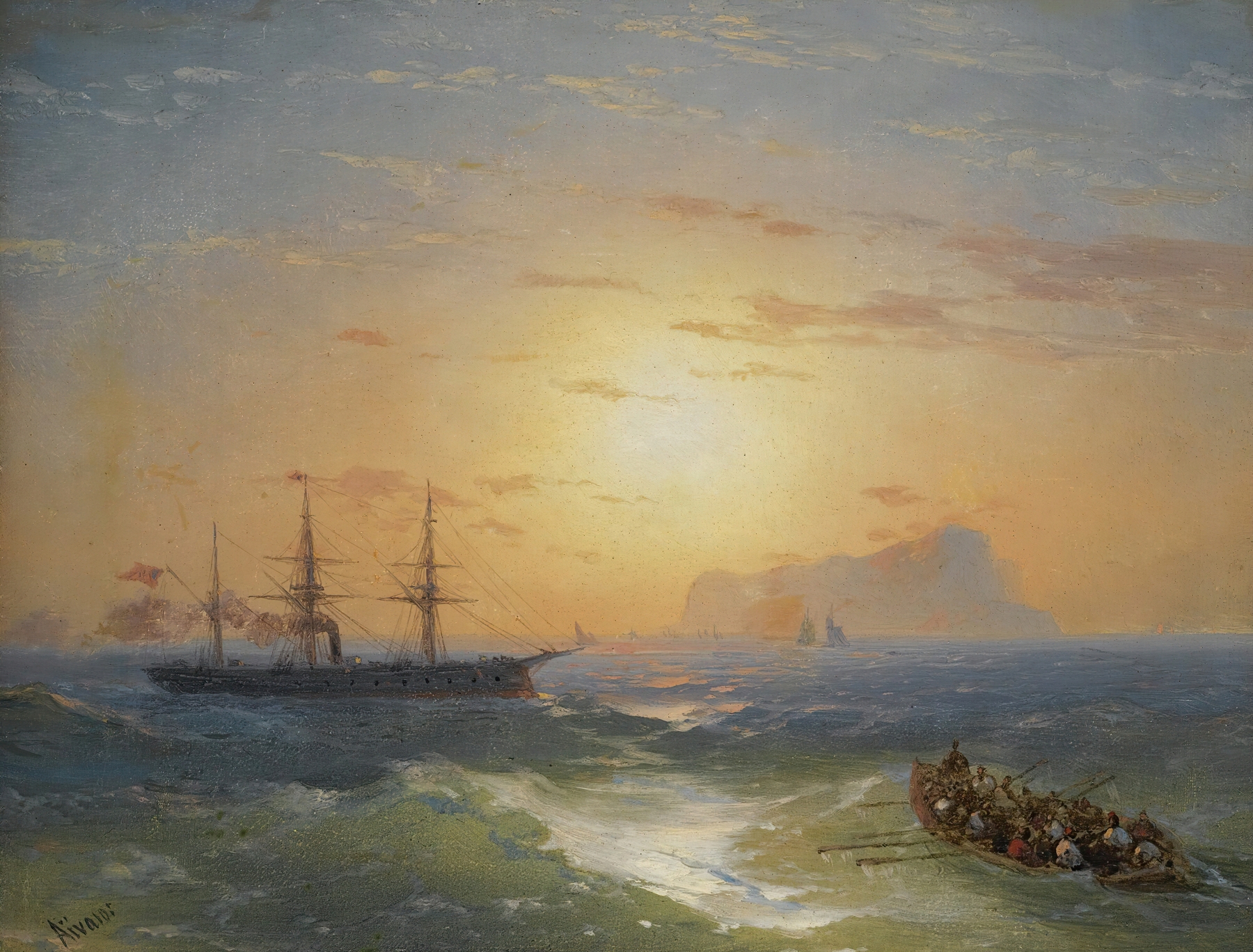
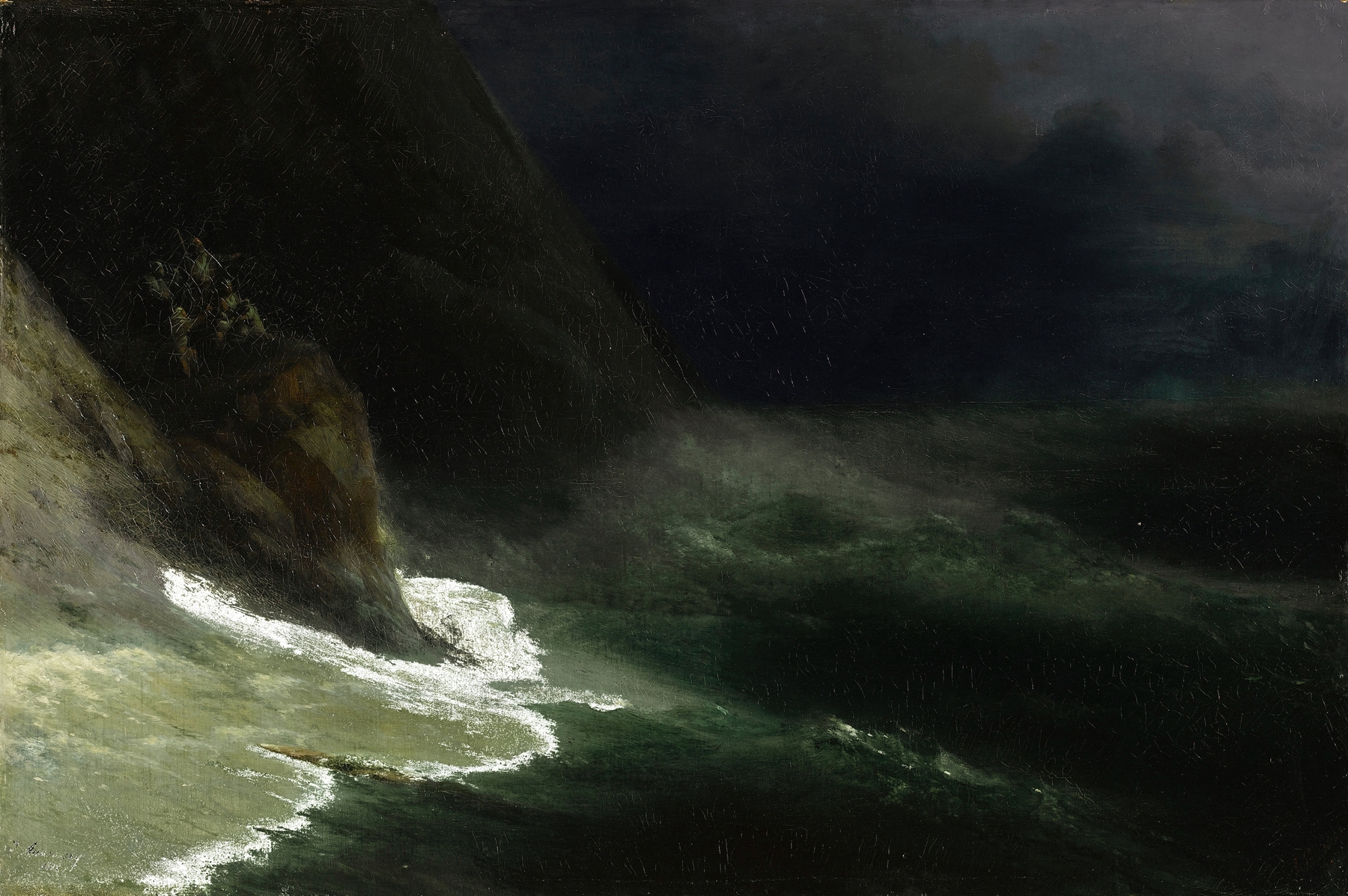
“Sometimes beauty is just pain, disguised in gold.” The essence of truth flickers in the shimmering waves, where the horizon meets an ethereal light that both captivates and haunts. Focus on the center of the canvas, where the sun dips low, its molten hues bleeding into the ocean like a wound slowly healing. Notice how Aivazovsky uses vibrant oranges and deep purples to create an intensity that pulls your gaze toward the tranquil chaos of the sea. The waves, rendered with swift, sure strokes, appear alive, their frothy crests catching the dying light, while the distant ship silhouettes offer a poignant contrast against the vibrancy, hinting at both adventure and solitude.
The interplay of light and dark in this composition reveals a deeper narrative about the duality of existence. The serene beauty of the sunset is juxtaposed with the turbulent waters, evoking a sense of longing and melancholy. Each brushstroke seems to whisper secrets of the ocean's depths, while the fading light serves as a reminder of time's relentless passage. This push and pull between calmness and turmoil encapsulates the human experience — how beauty often masks profound emotional truths.
In 1877, during a period of significant artistic evolution, the artist immersed himself in the themes of nature and the sublime in his coastal studio in Feodosia, Crimea. This era was marked by a growing interest in realism and romanticism, and Aivazovsky's work exemplified the marriage of these movements. With his mastery of light and water, he captured the essence of both the beauty and danger inherent in nature, resonating with audiences familiar with the complexities of life.