Sunset, Haywagon in the Distance — History & Analysis
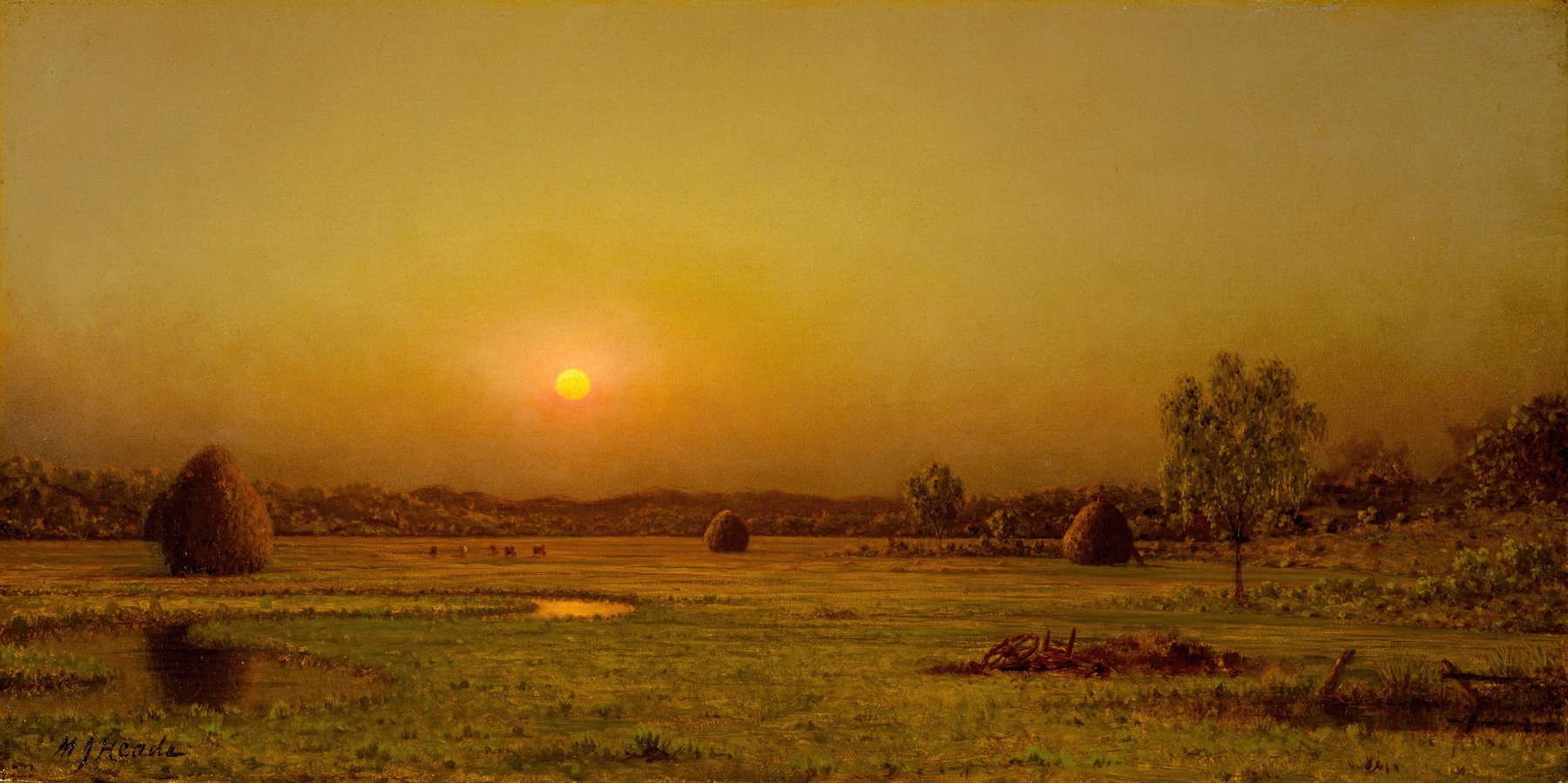
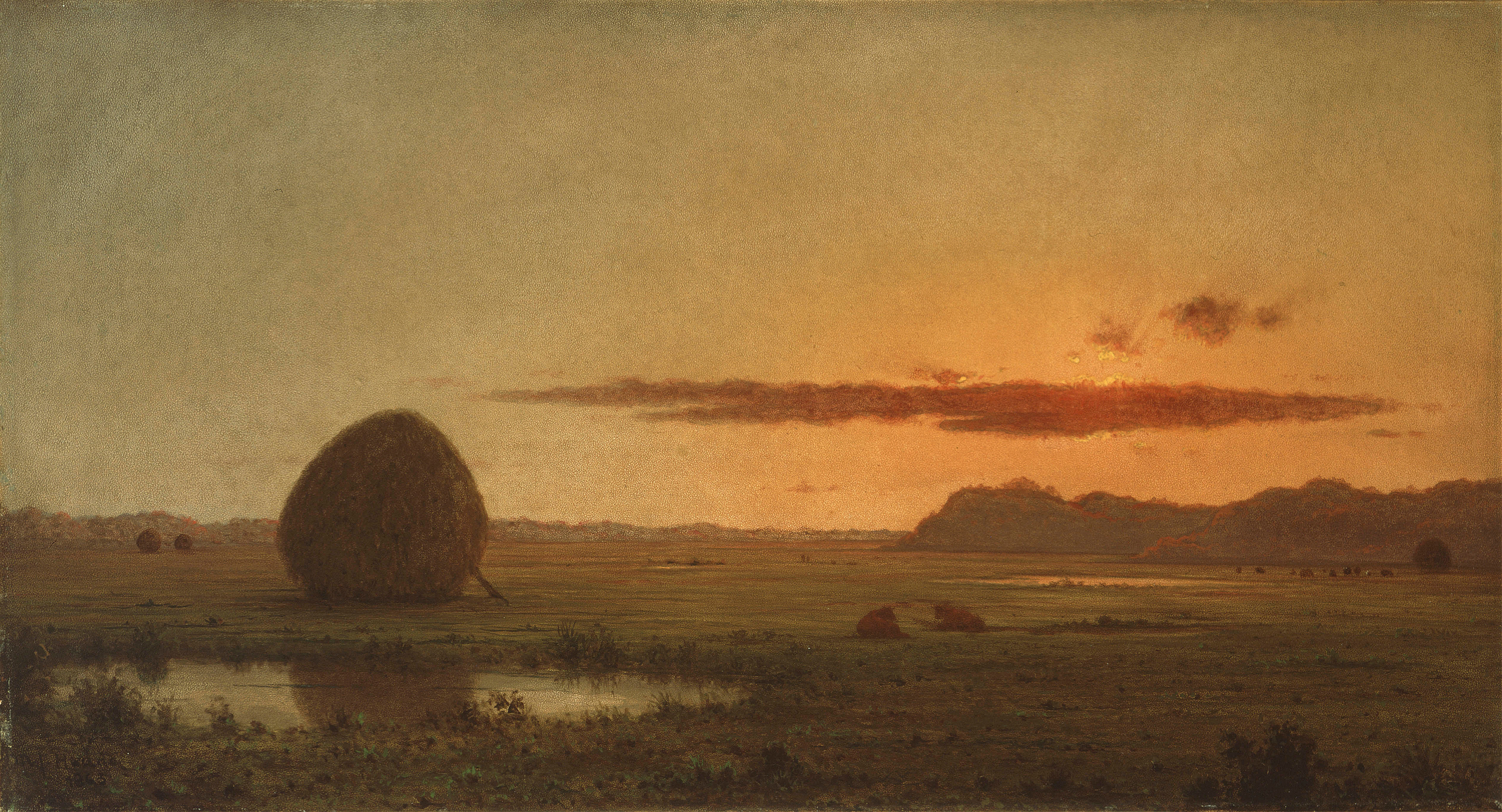
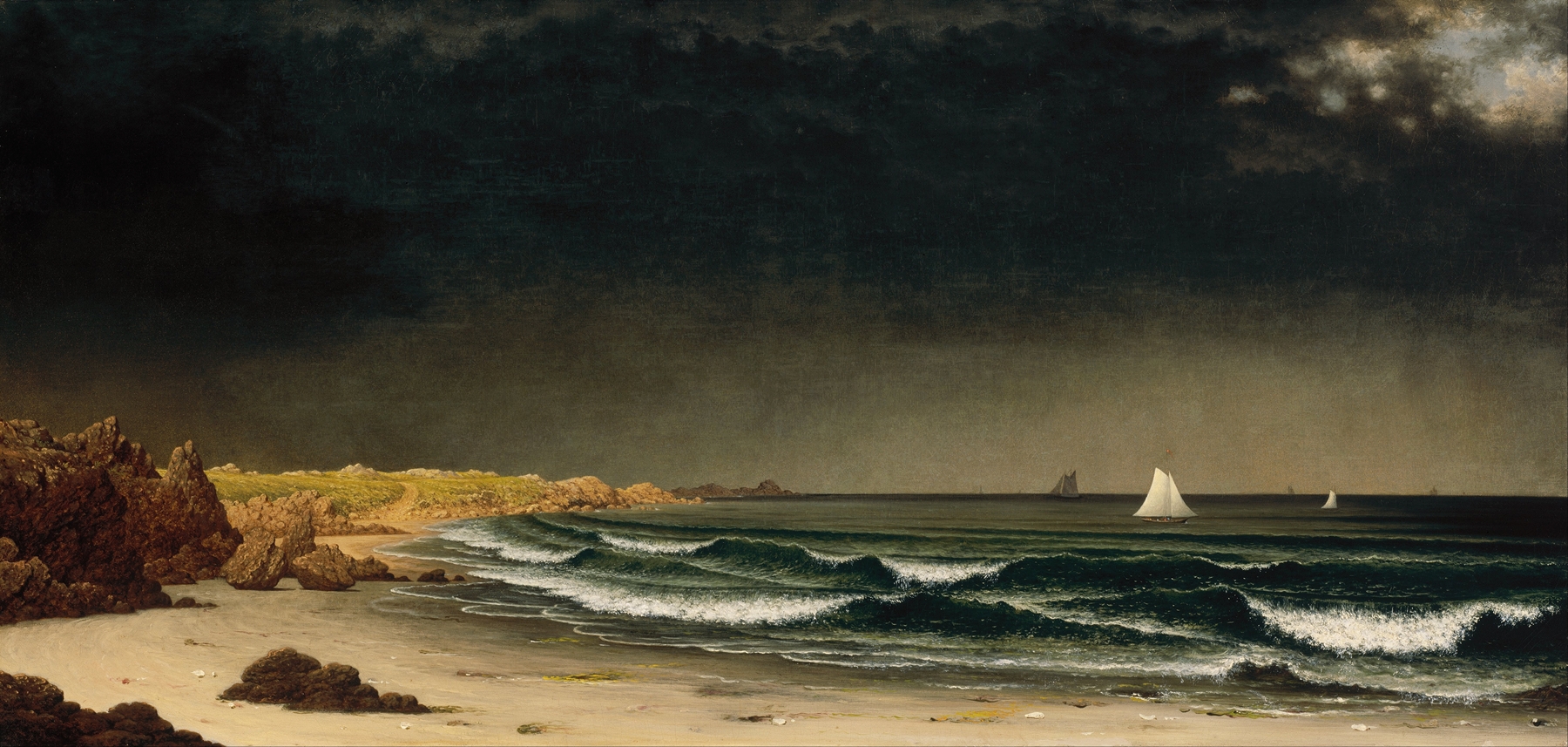
“Under the brush, chaos becomes grace.” This sentiment encapsulates the profound interplay of grief and beauty in life's fleeting moments, masterfully portrayed through art. Look to the horizon where the sun sinks, casting a warm, golden glow that envelops the landscape in a soft embrace. The haywagon, a humble silhouette, stands still against the backdrop of wispy, violet clouds that cradle the sky. Notice how the subtle blend of oranges and deep blues draws your gaze upward, evoking a sense of transition, as if the very air is thick with unsaid emotions.
The gentle strokes of the artist breathe life into the scene, creating a serene yet poignant tableau that invites contemplation. As you immerse yourself in the painting, consider the emotional tension woven into the colors and forms. The sun’s descent symbolizes both the end of day and the inevitable passage of time, while the solitary wagon suggests a journey steeped in solitude and introspection. There’s a rawness to the landscape, a reminder that amidst the beauty, life carries the weight of loss and longing, urging viewers to confront their own feelings of grief and acceptance as they witness day’s end.
In the years between 1876 and 1882, the artist found himself deeply influenced by the shifting tides of American art and society. Living in Massachusetts at the time, he was exploring his unique vision of nature and light, while grappling with personal experiences that would ultimately shape his artistic voice. This period marked a transition in Heade's career, as he sought to capture not just the physical landscape, but the emotional landscapes of the human experience.