Sunset In The Himalayas — History & Analysis
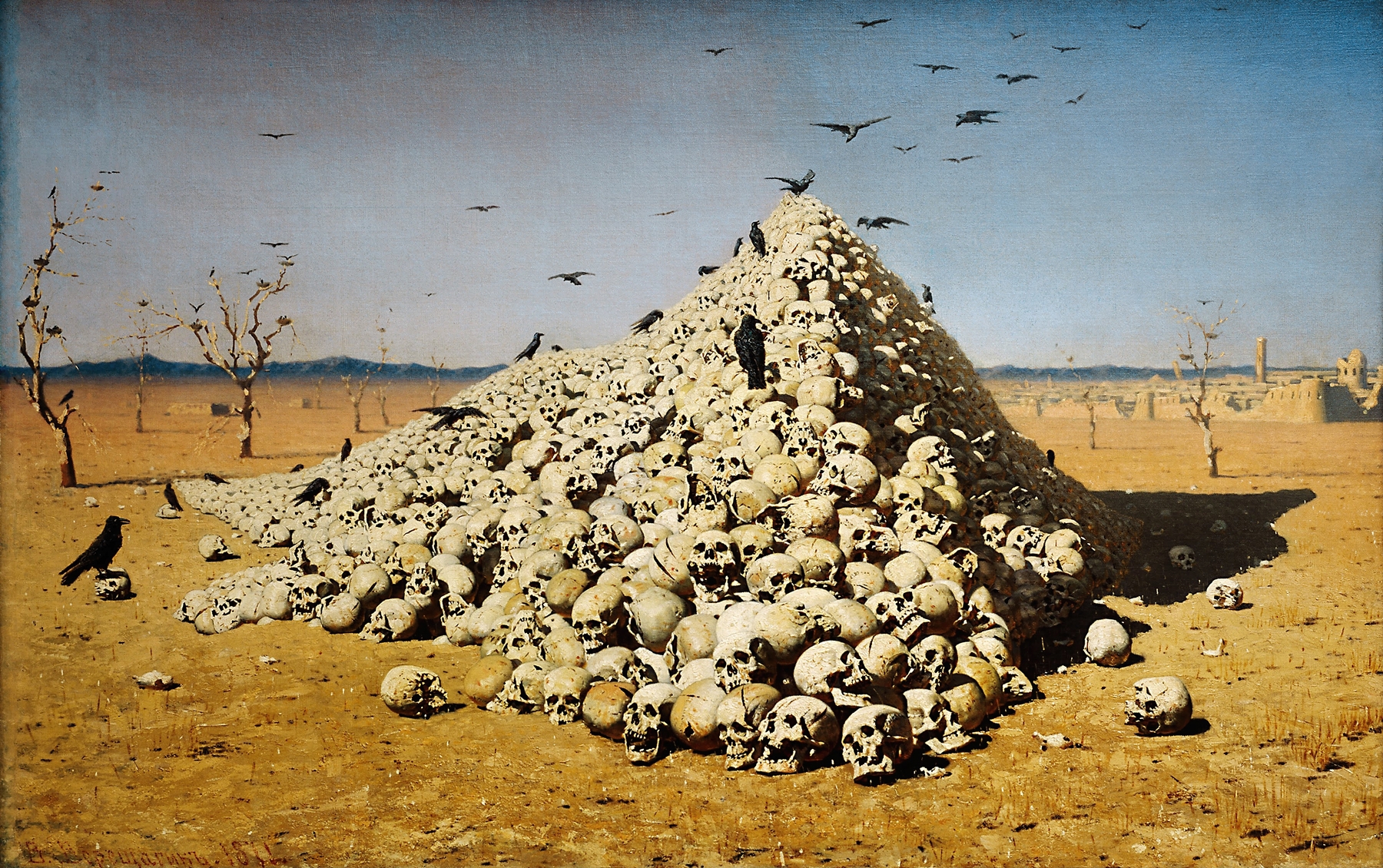
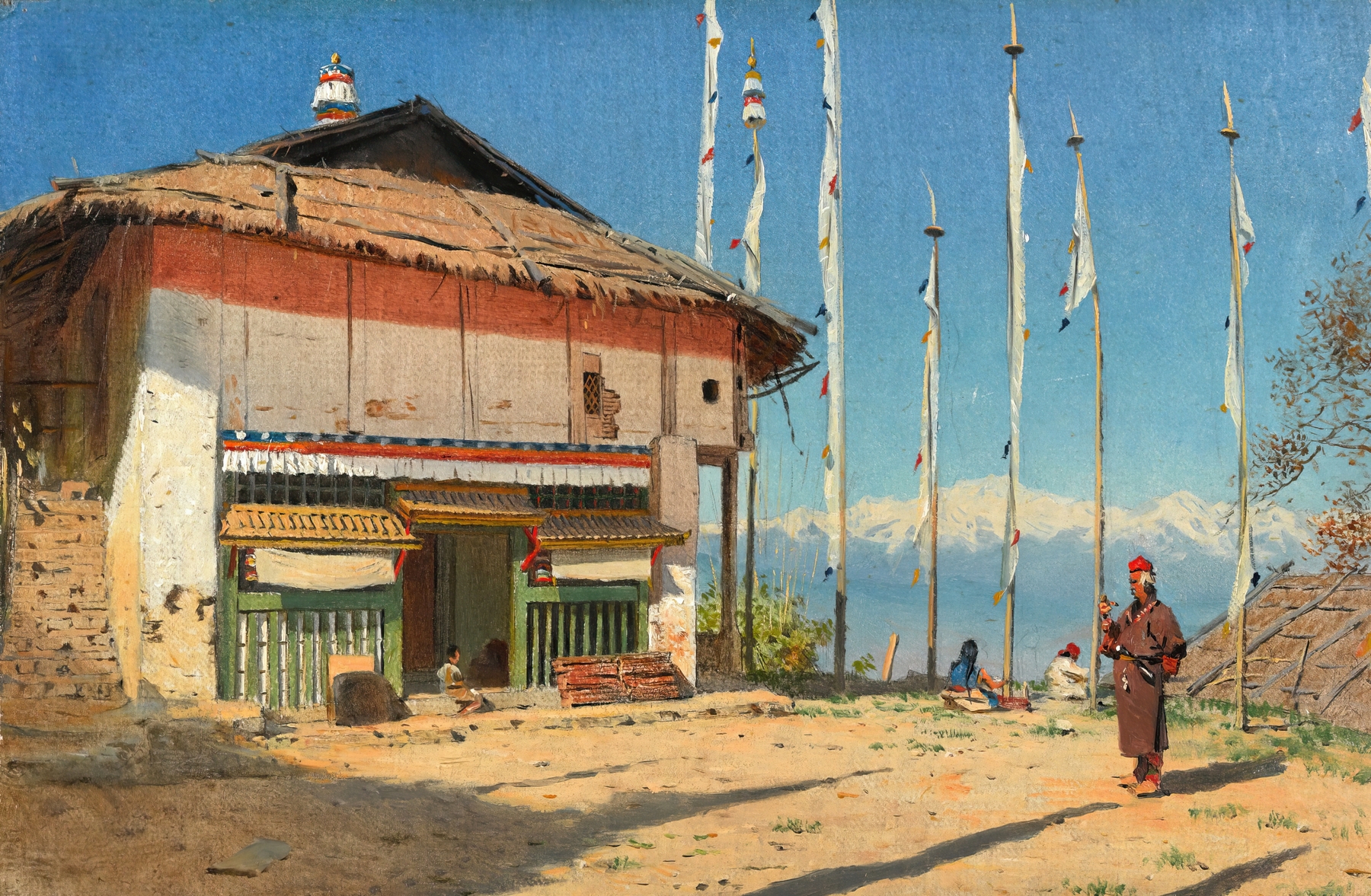
“Art reveals the soul when the world turns away.” In the twilight of existence, moments of beauty are shadowed by the specter of mortality, reminding us of the fleeting nature of life. Focus on the horizon, where a cascade of vibrant oranges and deep purples blend seamlessly into the ethereal sky, marking the end of day. The majestic peaks rise confidently against this backdrop, their rugged silhouettes softened by the warm glow of the setting sun. The intricate brushwork captures the texture of the mountains, inviting viewers to explore the valleys and ridges that echo the passage of time.
Amidst the serene beauty, there lies an undercurrent of introspection. The juxtaposition of the magnificent landscape with the fleeting sunset evokes a sense of impermanence, urging us to contemplate our place in the vastness of nature. The bold colors represent life's vibrancy, while the encroaching darkness hints at the inevitability of mortality, a reminder that every moment is precious and must be cherished.
In 1879, Vasily Vereshchagin created this work during a period of exploration and reflection. Having traveled extensively through the Himalayas, he was deeply influenced by his encounters with the sublime beauty of the mountain range. This painting emerged at a time when the artist sought to convey not just the physical grandeur of nature, but also the emotional depths tied to human existence, marking a significant evolution in his artistic journey.