Sunset in the Shetland Islands, Scotland — History & Analysis
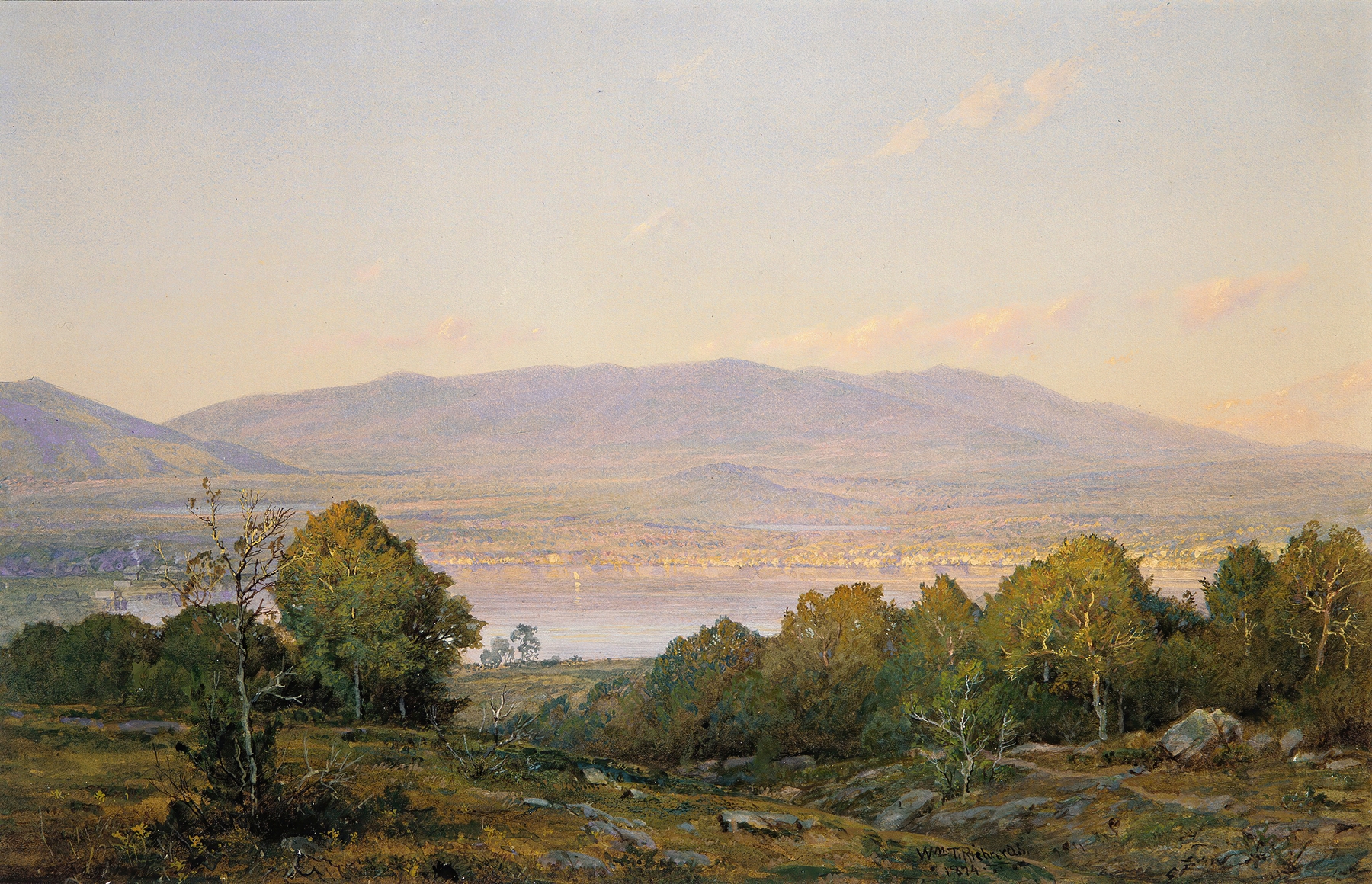
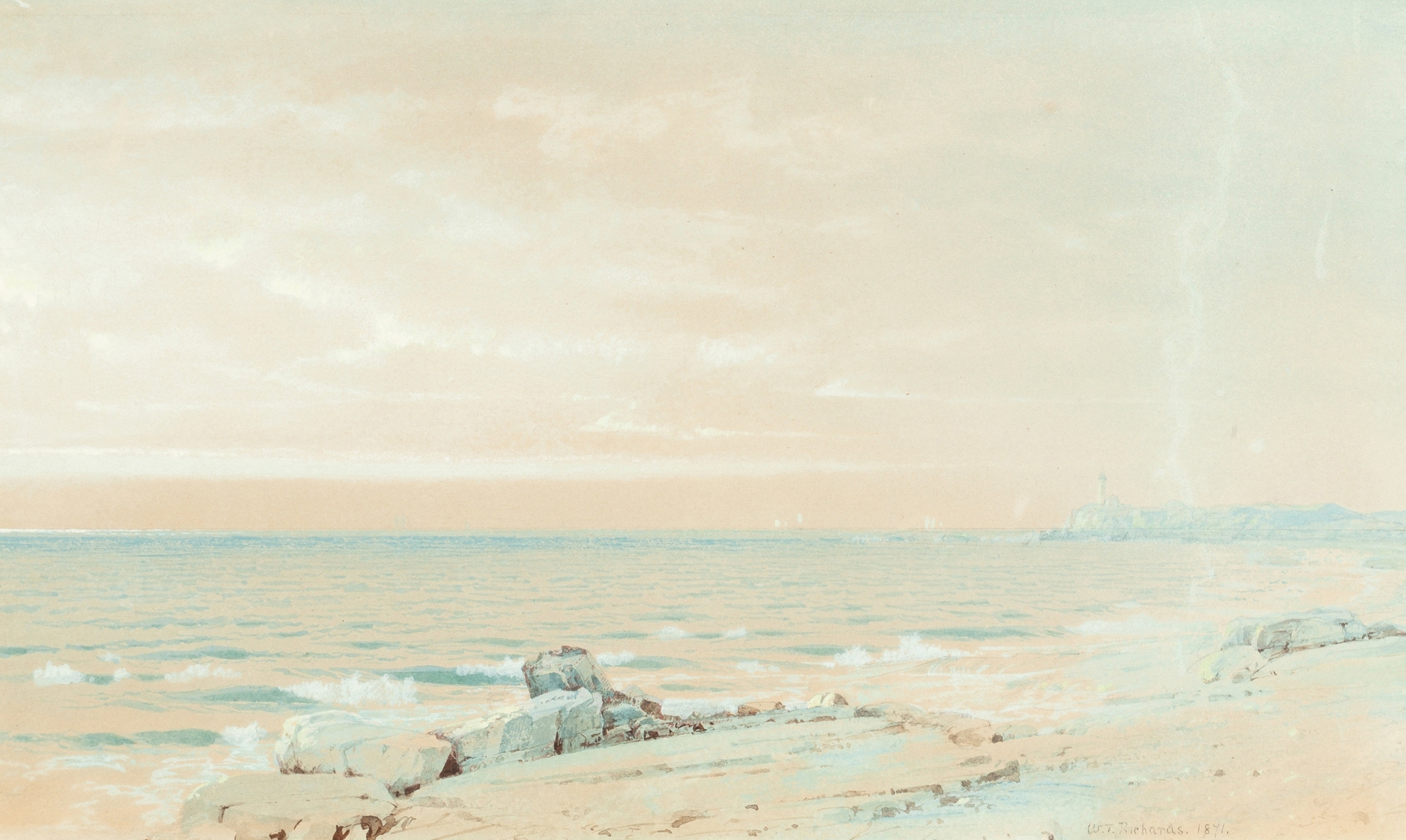
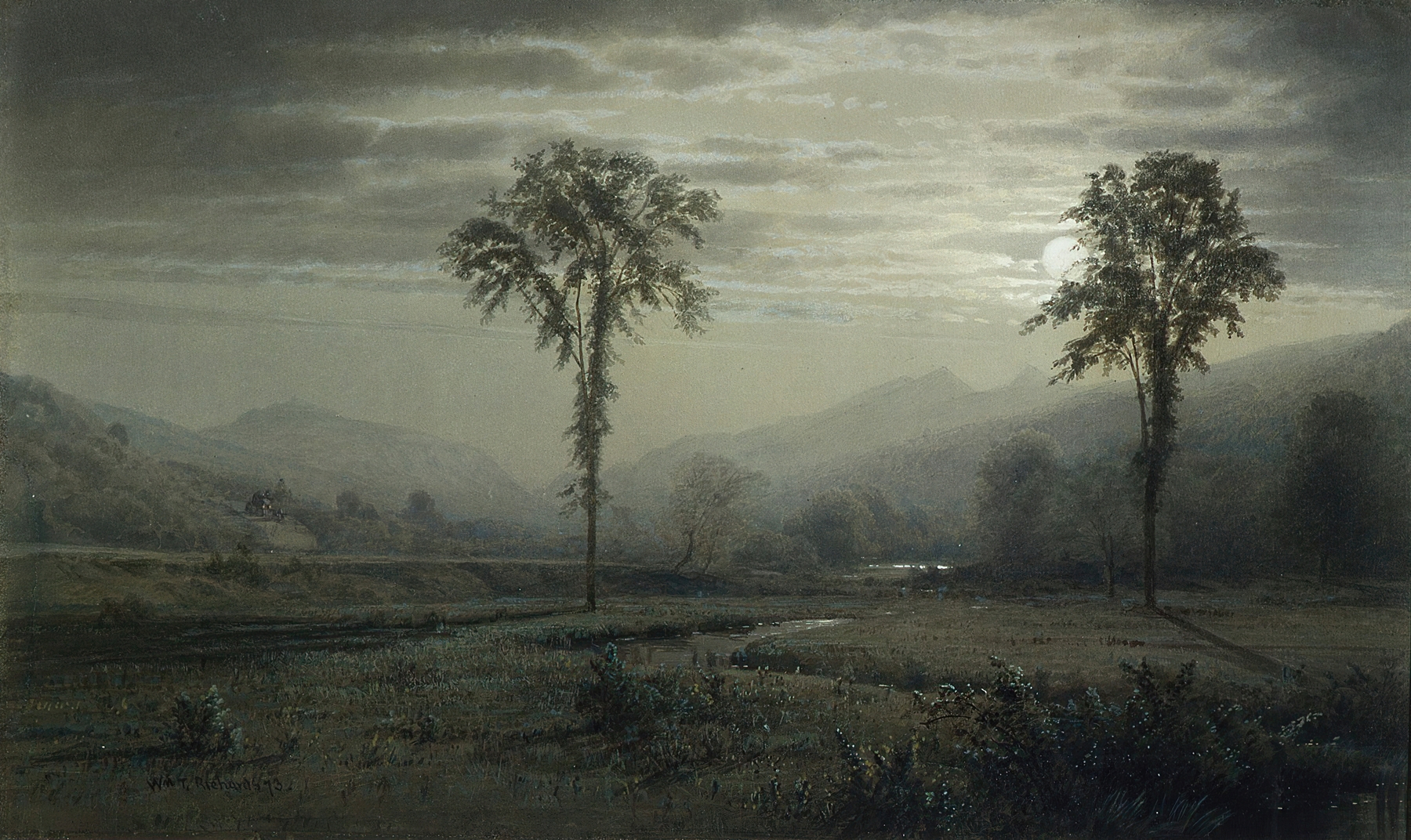
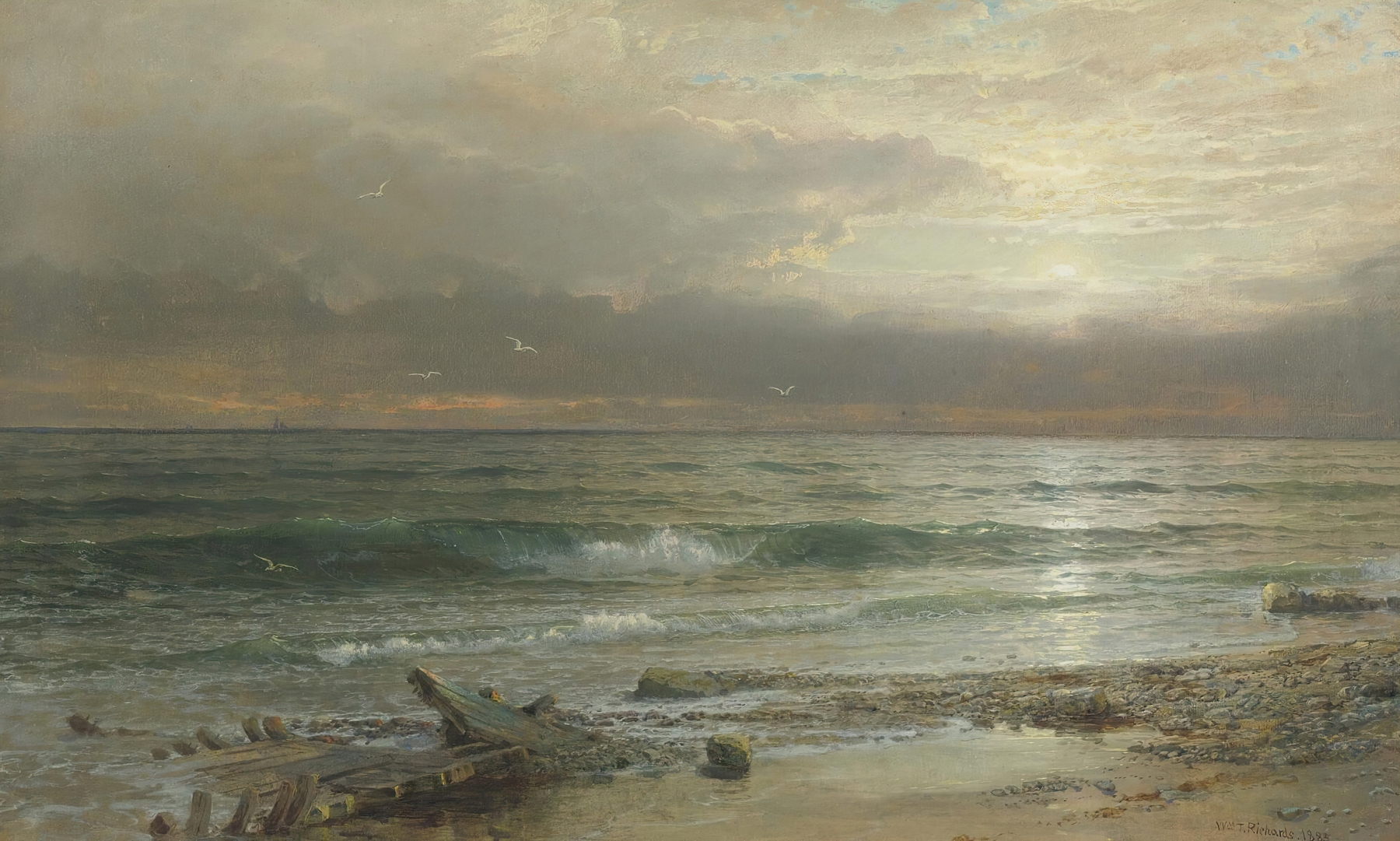
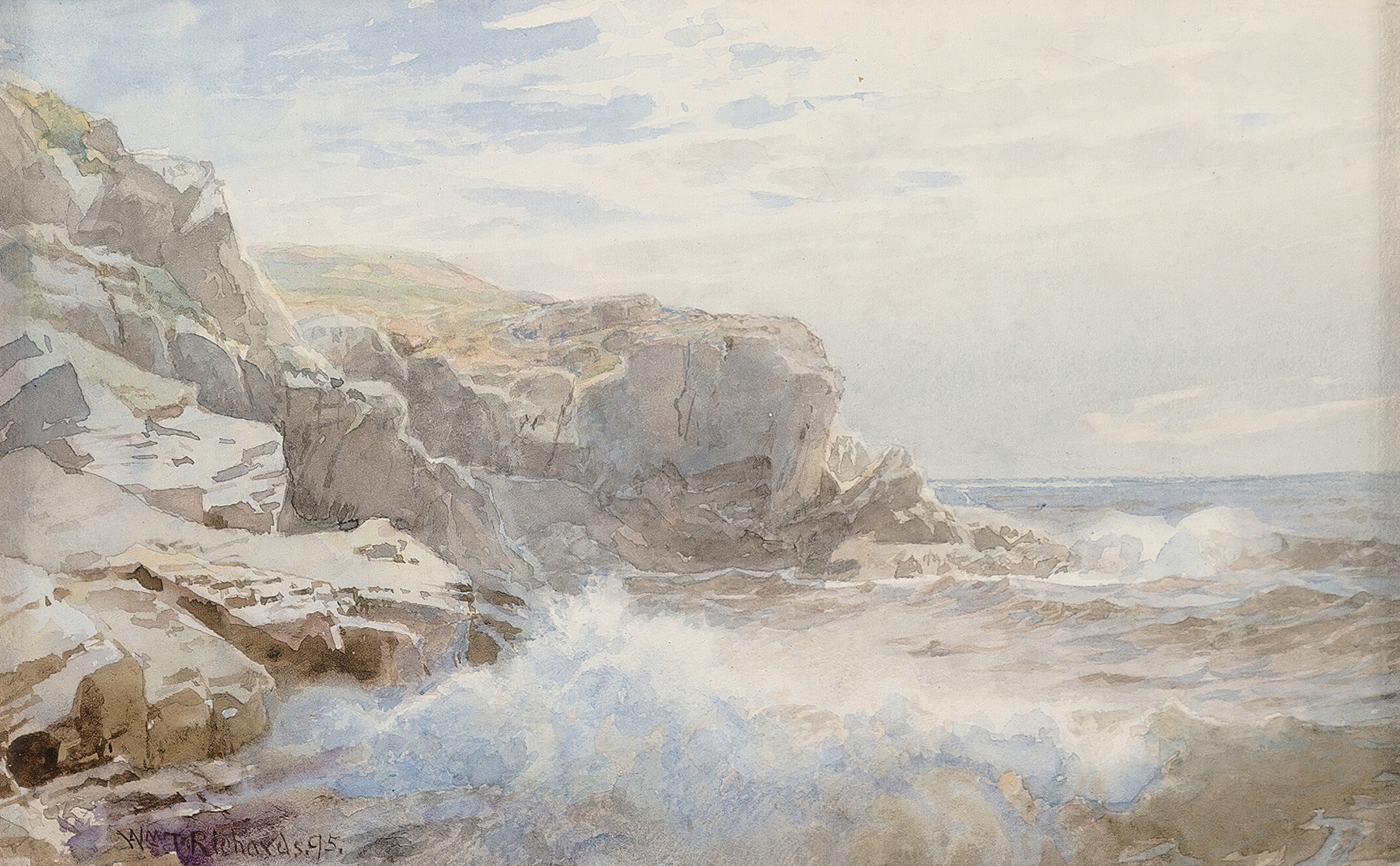
“The canvas doesn’t lie — it simply waits.” In the stillness of twilight, the horizon holds its breath, revealing the deep solitude of the Shetland Islands. A solitary landscape unfolds, one that beckons to the heart yet speaks of isolation. The interplay of light and shadow carries whispers of longing, inviting contemplation on what it means to be alone amid nature’s vastness. Look to the left where the fiery orange and soft pink of the setting sun spills across the sky, casting a warm glow that contrasts sharply with the cool blues and grays of the rocky shore.
Notice how the horizon line is painted with a delicate brush, leading your eye toward the distant cliffs, where waves gently caress the land. Each stroke captures both serenity and turbulence, echoing the emotional landscape of the artist’s vision. As the colors fuse together, there is a tension between the vibrant light above and the dark, craggy shoreline below. This dichotomy speaks to a deeper sense of loneliness, as if the sun is both a source of warmth and an unyielding reminder of separation from the world beyond.
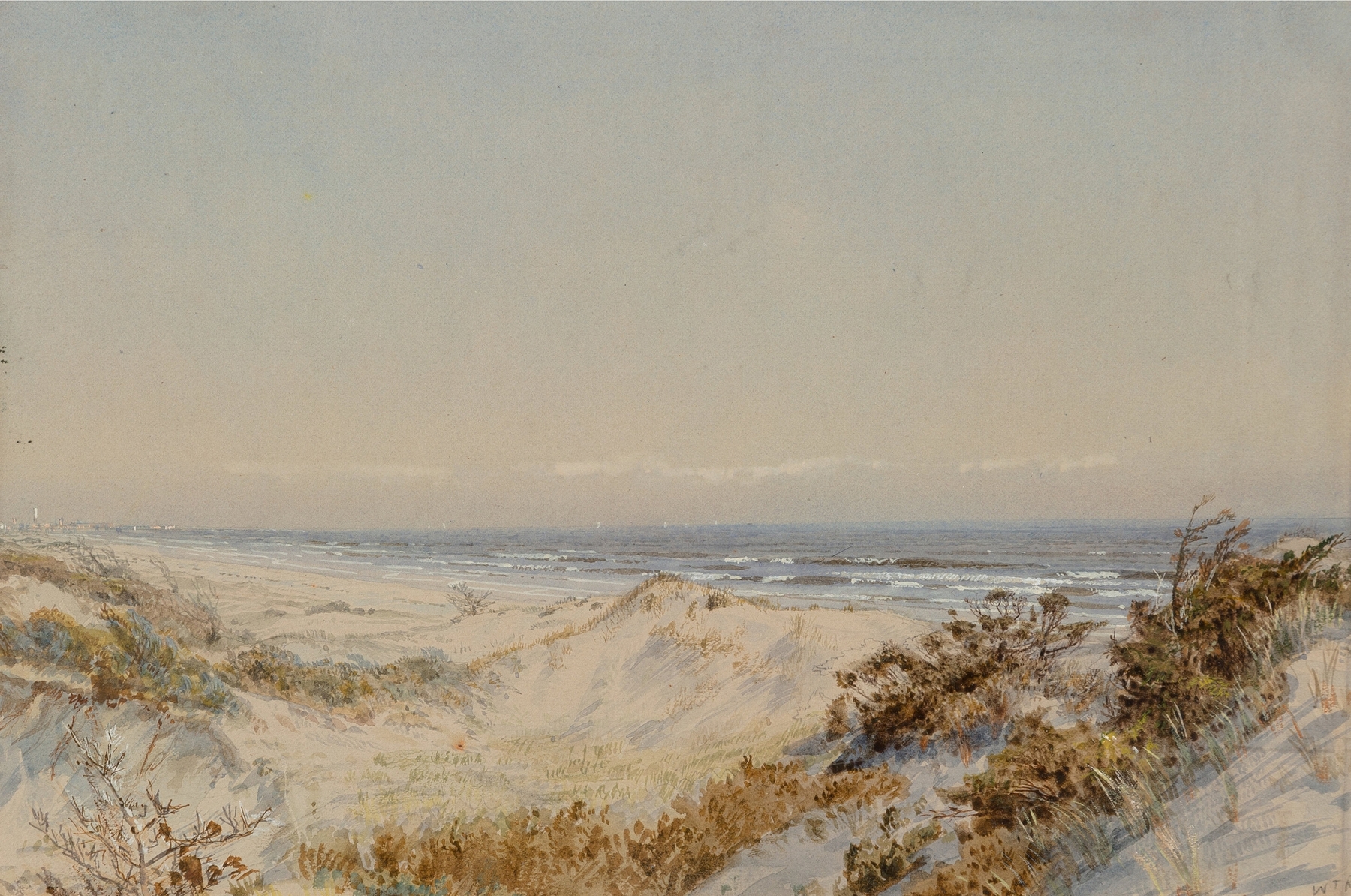
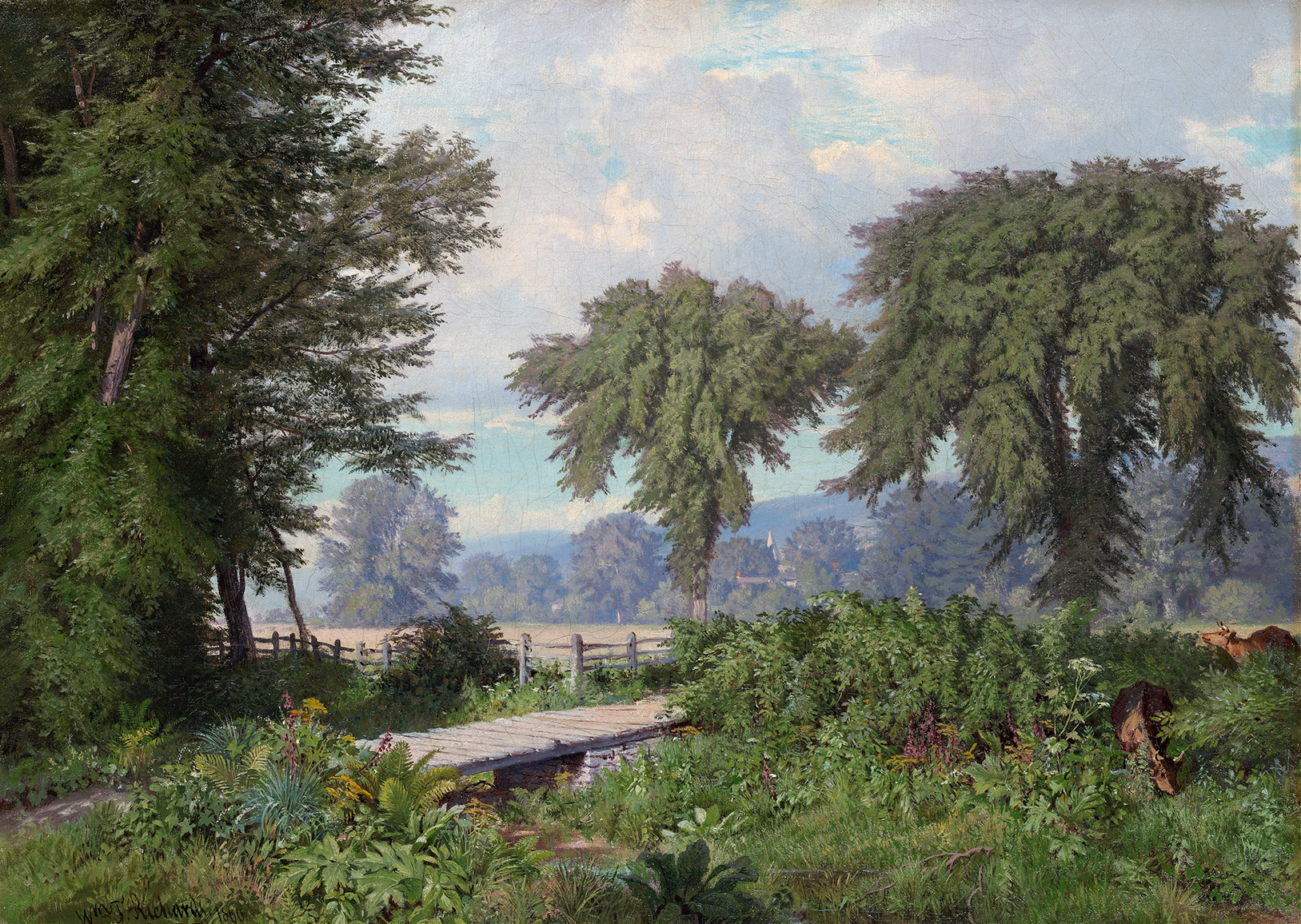
The distant cliffs seem to pull away from the viewer, enhancing the feeling of isolation in a beautiful yet unforgiving landscape. At the close of the 19th century, William Trost Richards painted this scene while establishing his reputation as a landscape artist in America. By 1899, he had returned to the themes of nature that characterized his earlier works, capturing the serene beauty of remote locations like Scotland’s Shetland Islands. The world of art was shifting, influenced by Impressionism, yet he maintained a commitment to realism, emphasizing the emotional resonance of the natural world.