Sunset on the lagoon, Venice — History & Analysis
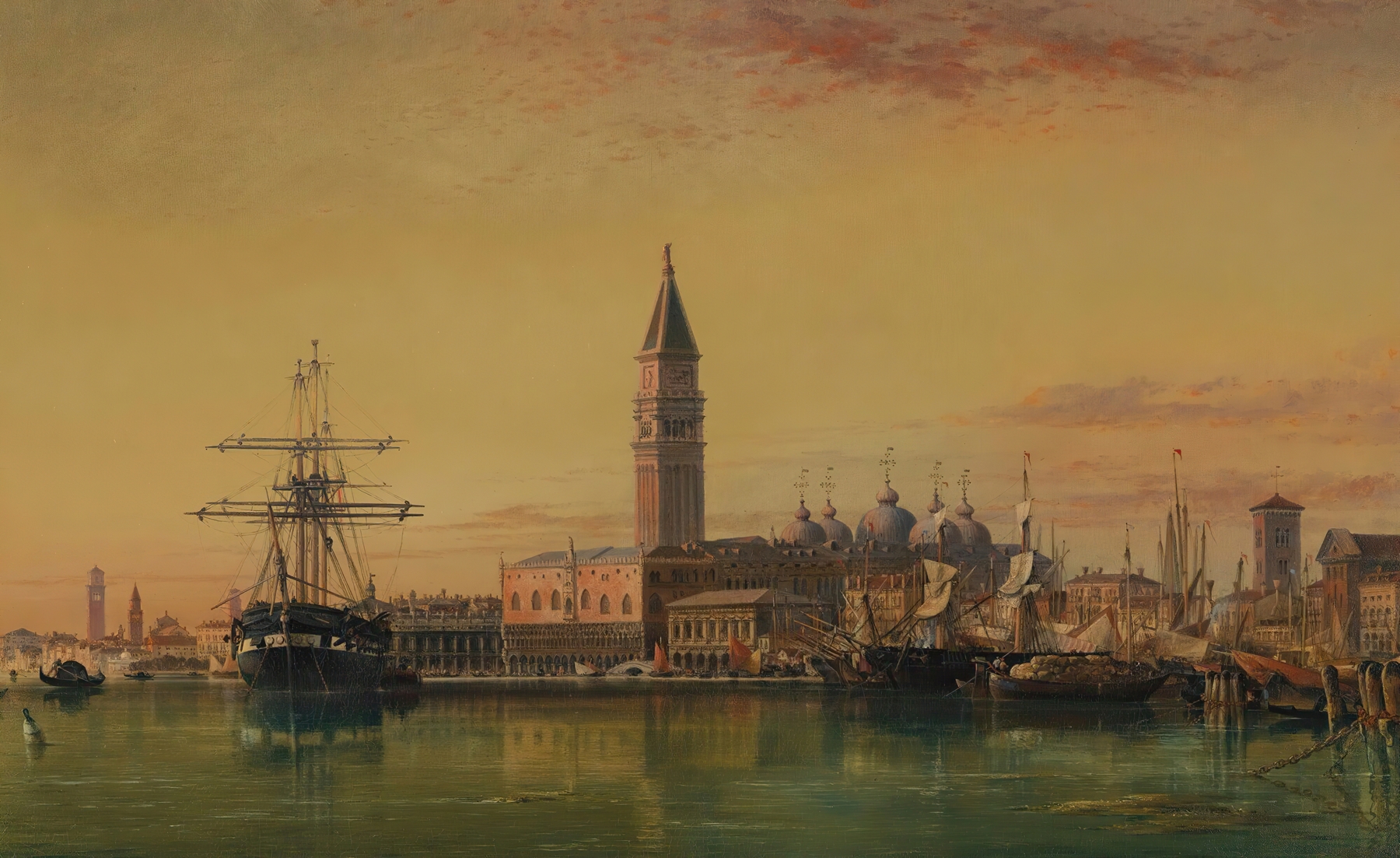
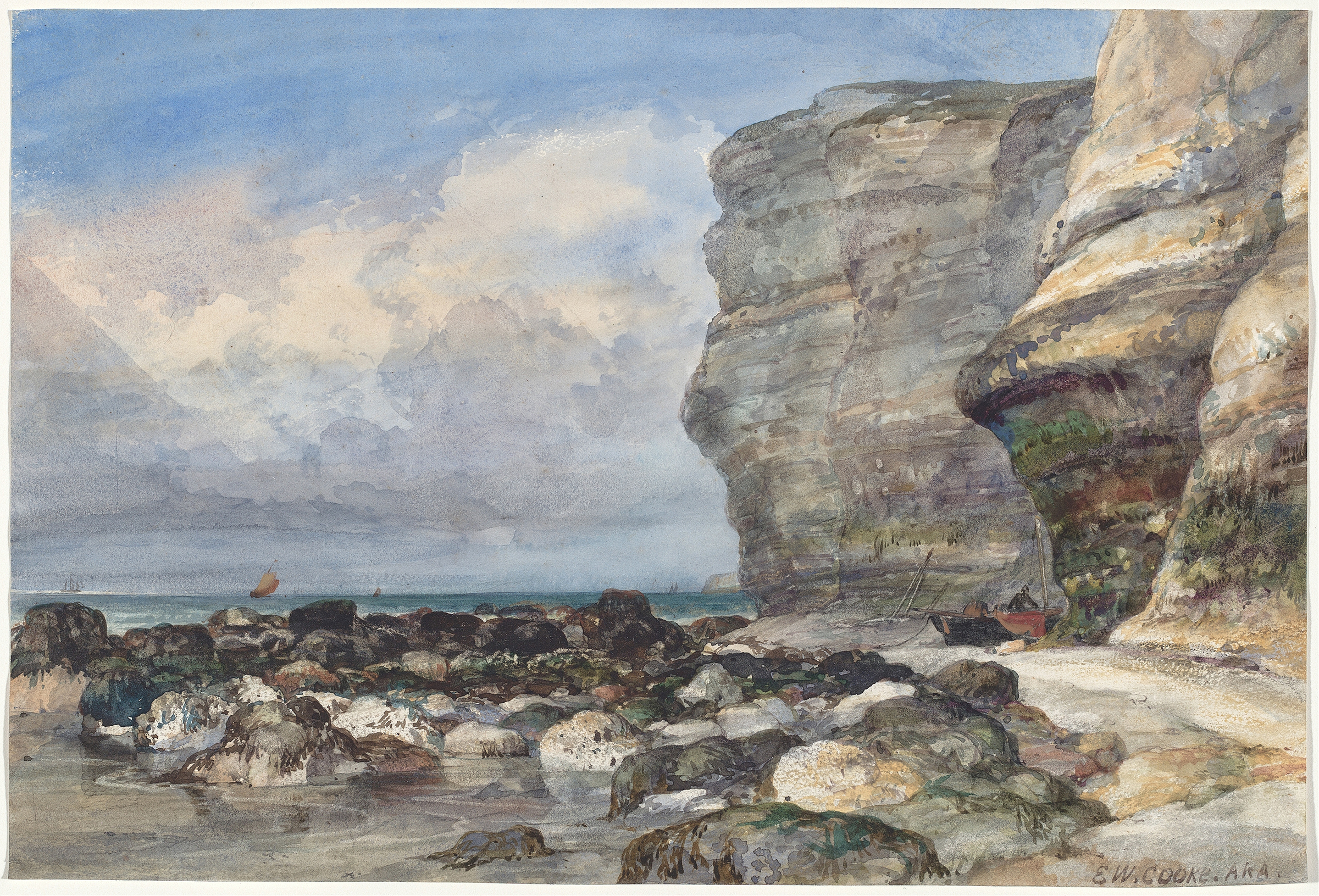
Can beauty exist without sorrow? The shimmering surface of the lagoon reflects a breathtaking sunset, yet it whispers secrets of betrayal hidden beneath its calm facade. Look to the left at the soft blend of oranges and pinks that melt into deep purples, as if the sky were weeping over the waters below. The brushstrokes are delicate yet confident, capturing both the vitality of the moment and the fleeting nature of time. Notice how the silhouetted gondolas gently bob in the foreground, their dark shapes stark against the colorful backdrop, evoking a sense of tranquility that belies the emotional tension within.
This juxtaposition of light and shadow invites the viewer to explore deeper feelings lurking beneath the picturesque surface. In this tranquil scene, there is an unspoken narrative woven through the colors and forms. The vibrant sunset, often symbolizing endings, hints at an unresolved tension—perhaps a love affair or a friendship marked by betrayal. The stillness of the lagoon contrasts starkly with the chaos of human emotions, suggesting that even the most beautiful moments can harbor pain and unresolved conflict.
The painter captures this duality, allowing the viewer to experience the bittersweet nature of beauty, forever tinged with the possibility of loss. In 1868, while working in Venice, the artist found himself enchanted by the city's ethereal charm and the transformative quality of its light. This period marked a significant moment in Cooke's career, as he was exploring the themes of landscape and emotion, drawing upon the depths of his own experiences and surroundings. The world around him was in flux, and his work reflects the Romantic spirit—a yearning for beauty that is both transcendent and deeply human.