Surf, Prout’s Neck — History & Analysis
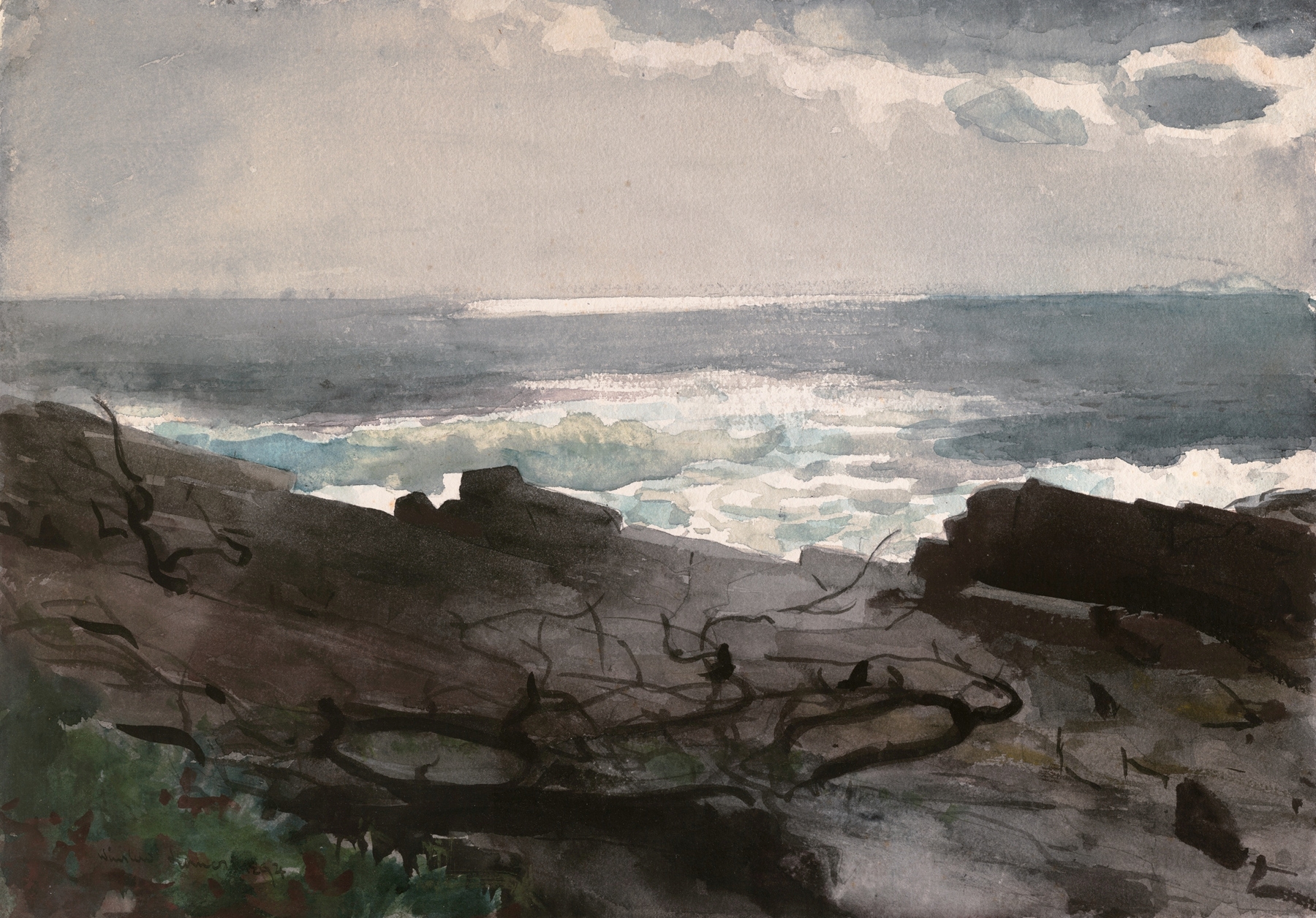
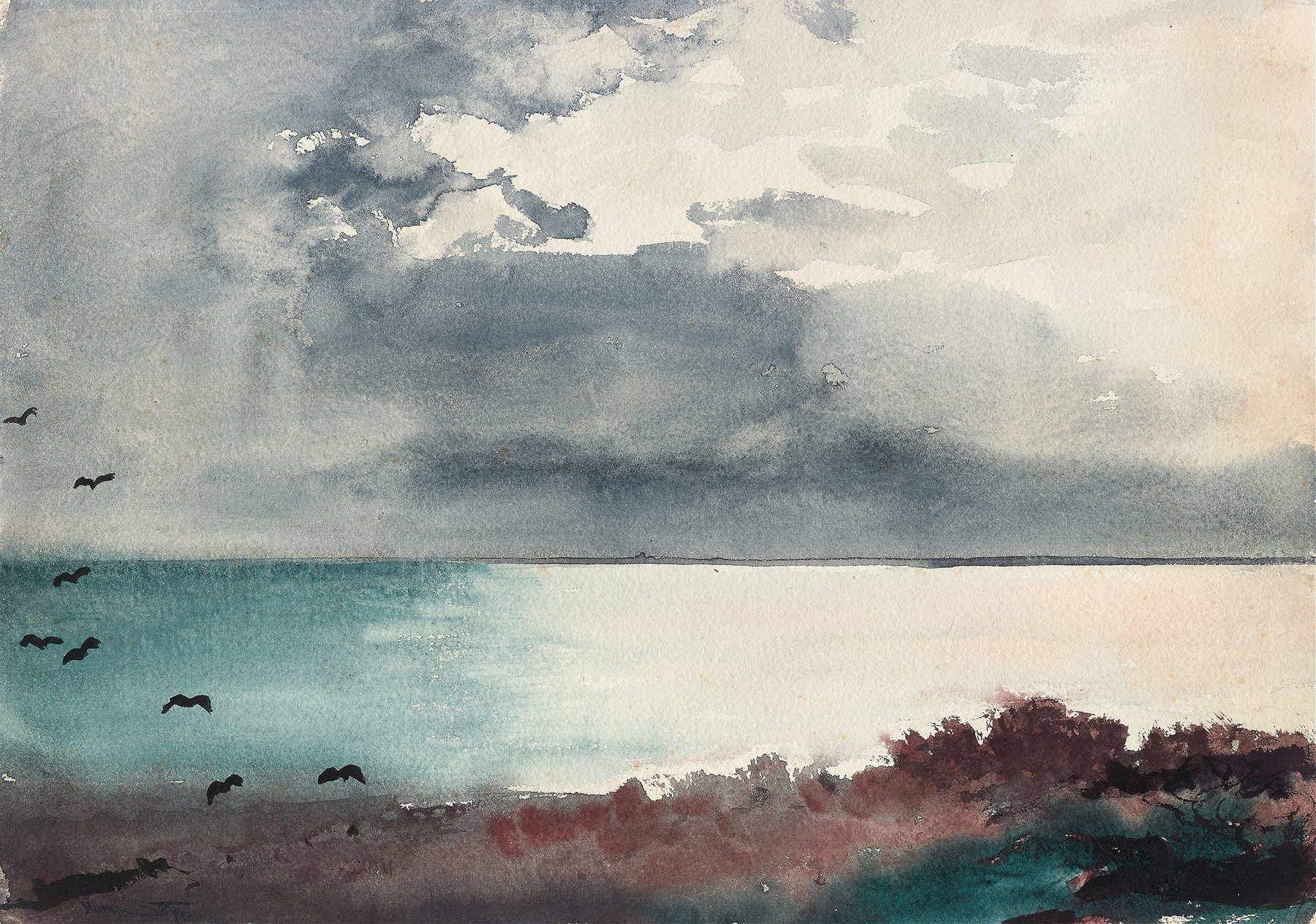
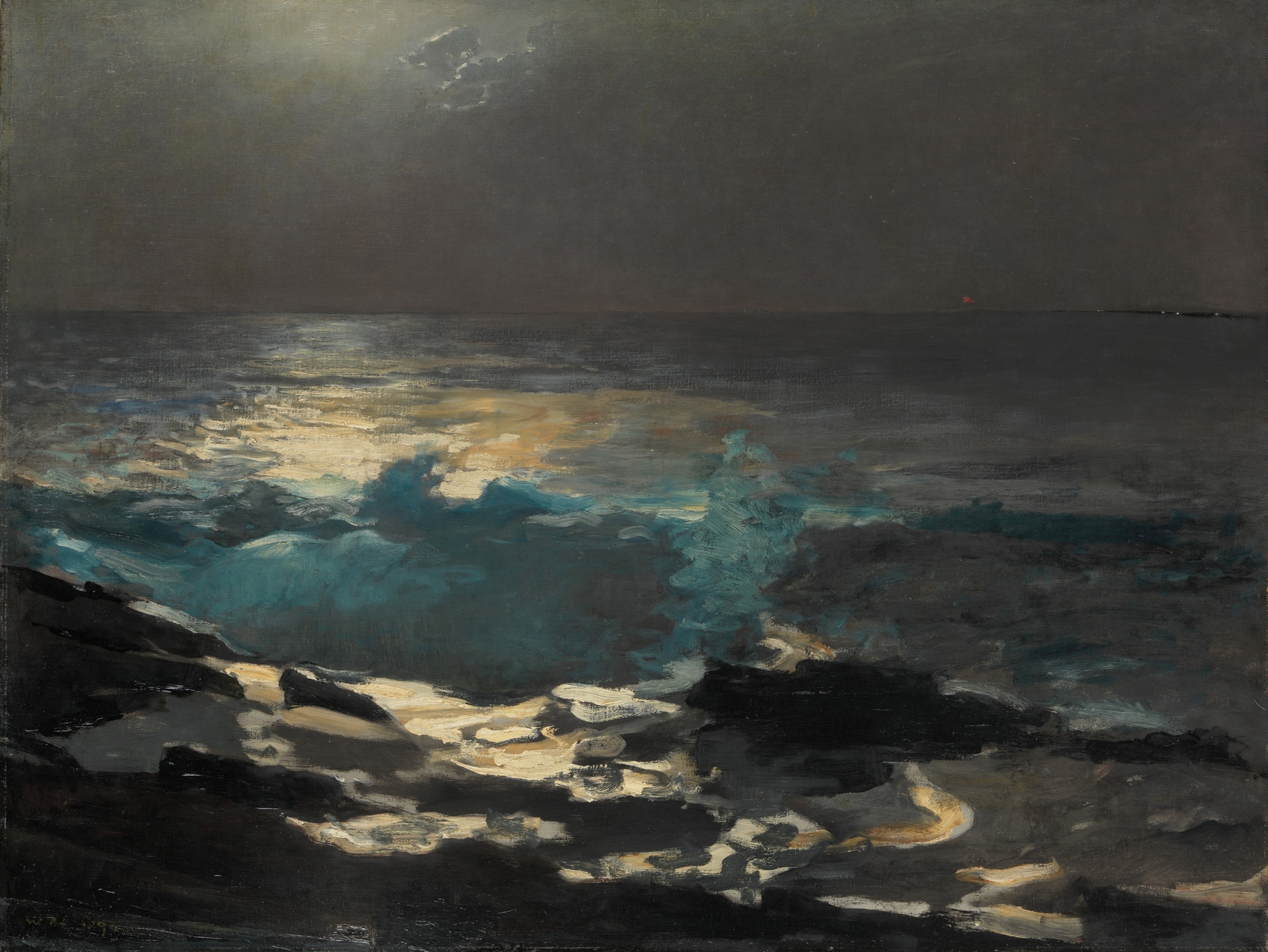
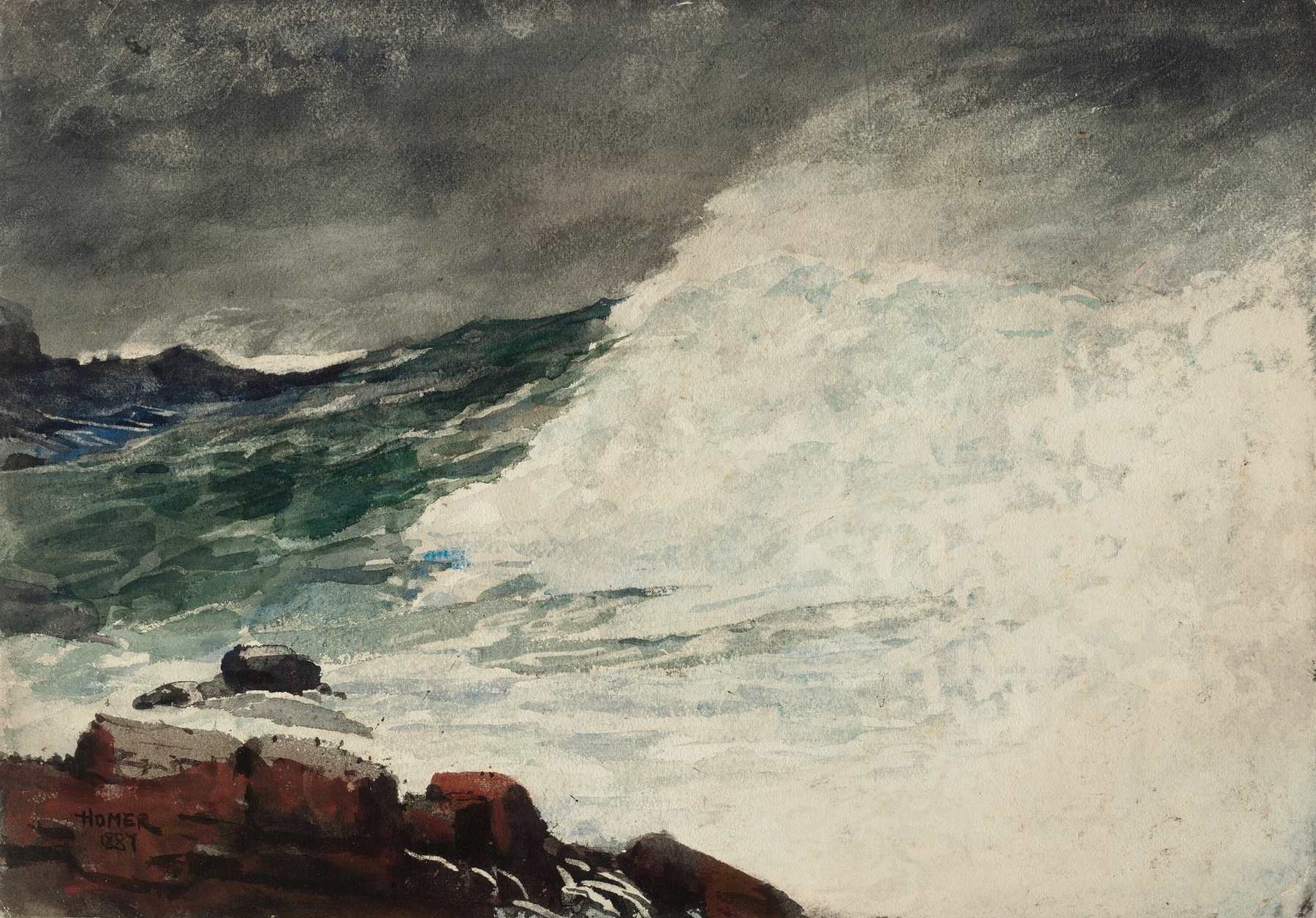
What if beauty was never meant to be finished? In Surf, Prout’s Neck, the turbulent waves crash against the rocky shoreline, a raw celebration of nature's unrefined power and relentless renewal. Look to the left at the churning surf, where frothy white waves leap and dance against the dark, weathered rocks. Notice how the artist employs a palette of deep blues and grays, capturing the fierce spirit of the ocean, while sporadic touches of sunlight break through the clouds, hinting at hope and revival.
The composition draws your eye into the tumultuous waters, creating a dynamic tension between the forces of nature and the calmness that resides in distant horizons. Delve deeper into the layers of contrast in this piece—the struggle between chaos and tranquility, the stormy sea juxtaposed with the serene coastline. The texture of the waves suggests motion and energy, while the unyielding rocks symbolize permanence and resilience. This interplay resonates with the theme of rebirth, as each wave crashes, retreats, and then surges forward, embodying the cyclical nature of life.
In 1883, during a period of introspection and exploration in his career, the artist painted this work from his studio in Prout's Neck, Maine. It was a time when he was moving away from traditional representations, embracing more expressive and experimental approaches to watercolor and oil painting. The world around him was evolving, and so was his perception of nature, pushing the boundaries of contemporary art norms while capturing the unvarnished beauty of the coastal scene.