Sursee — History & Analysis
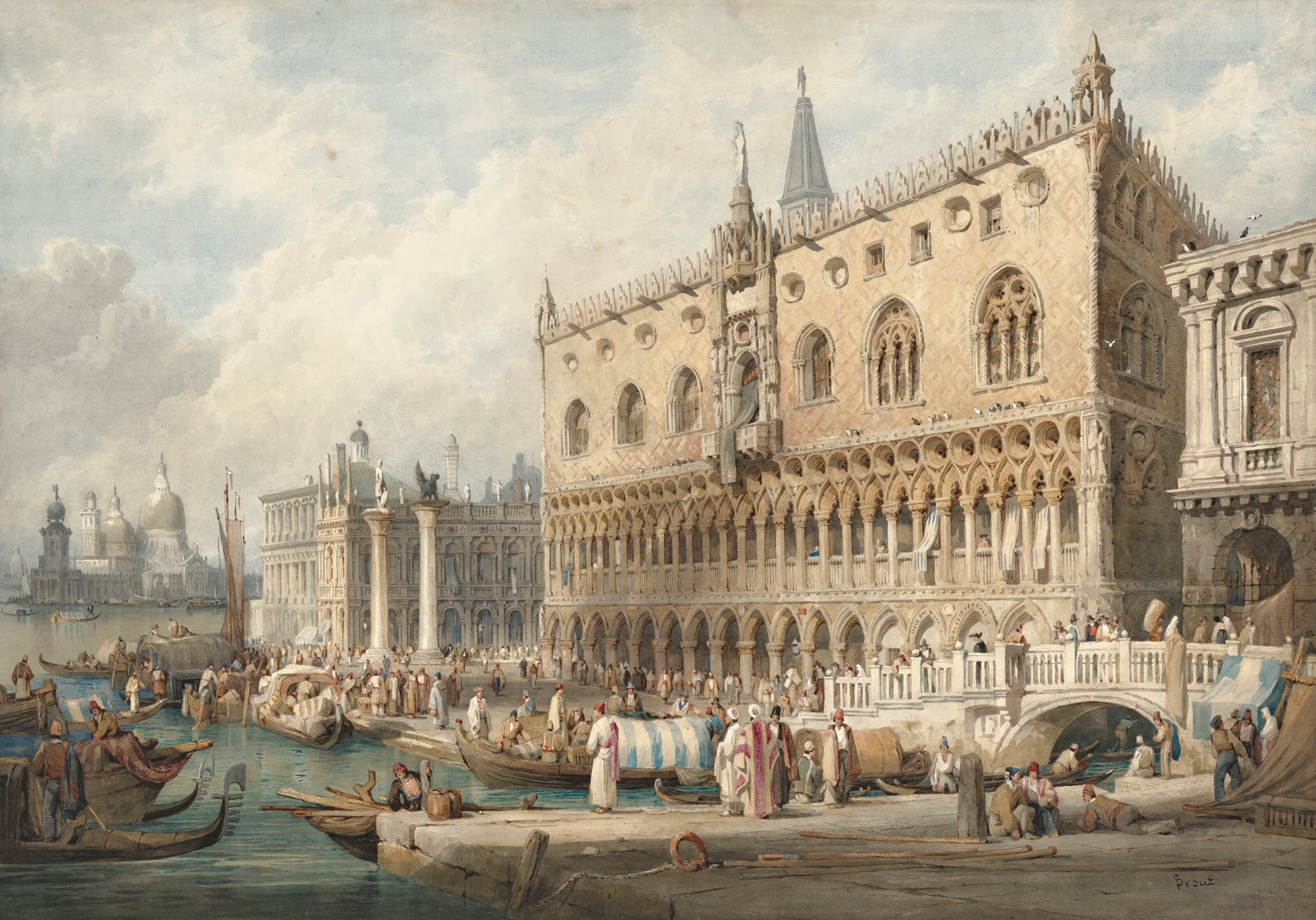
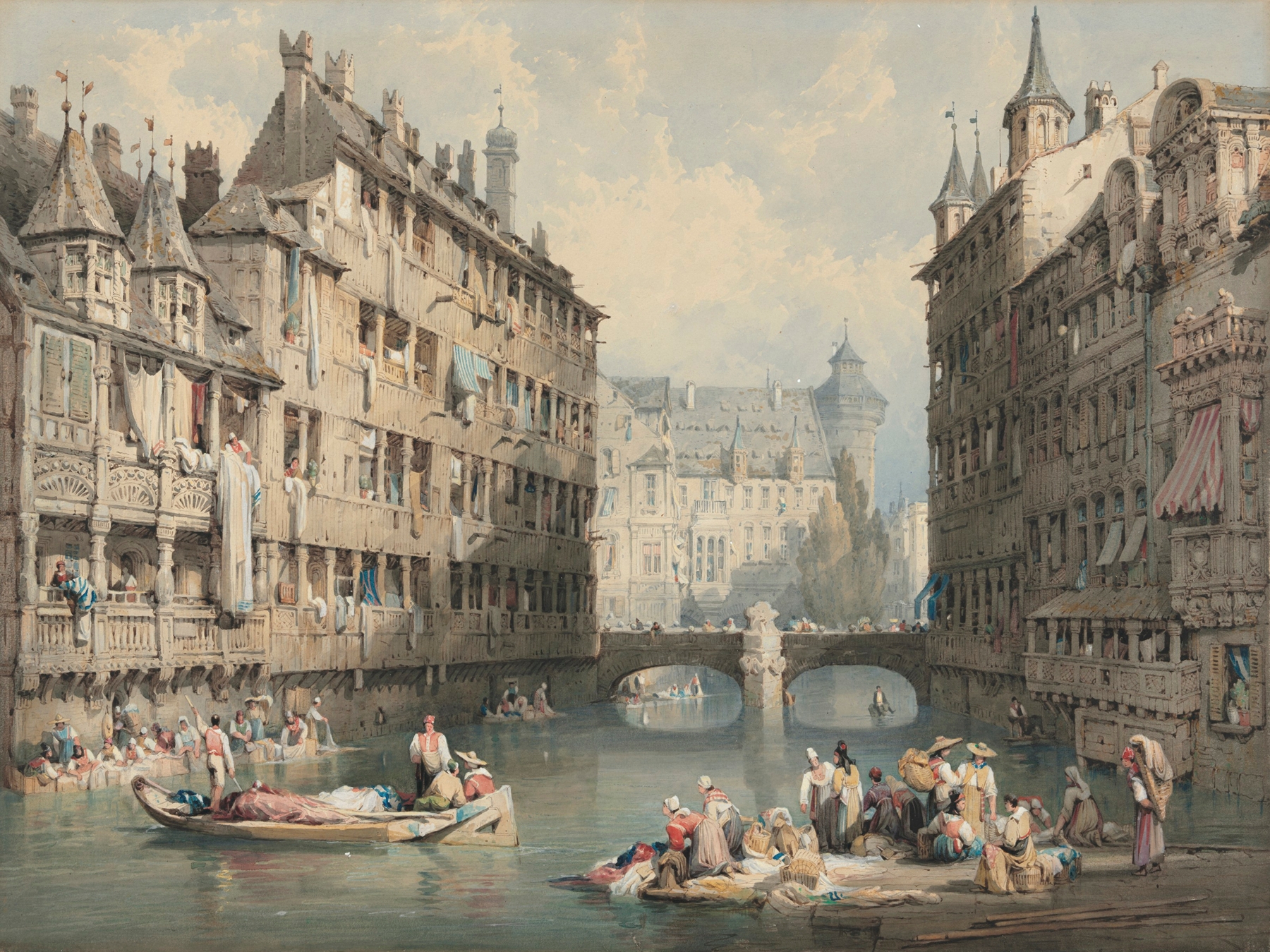
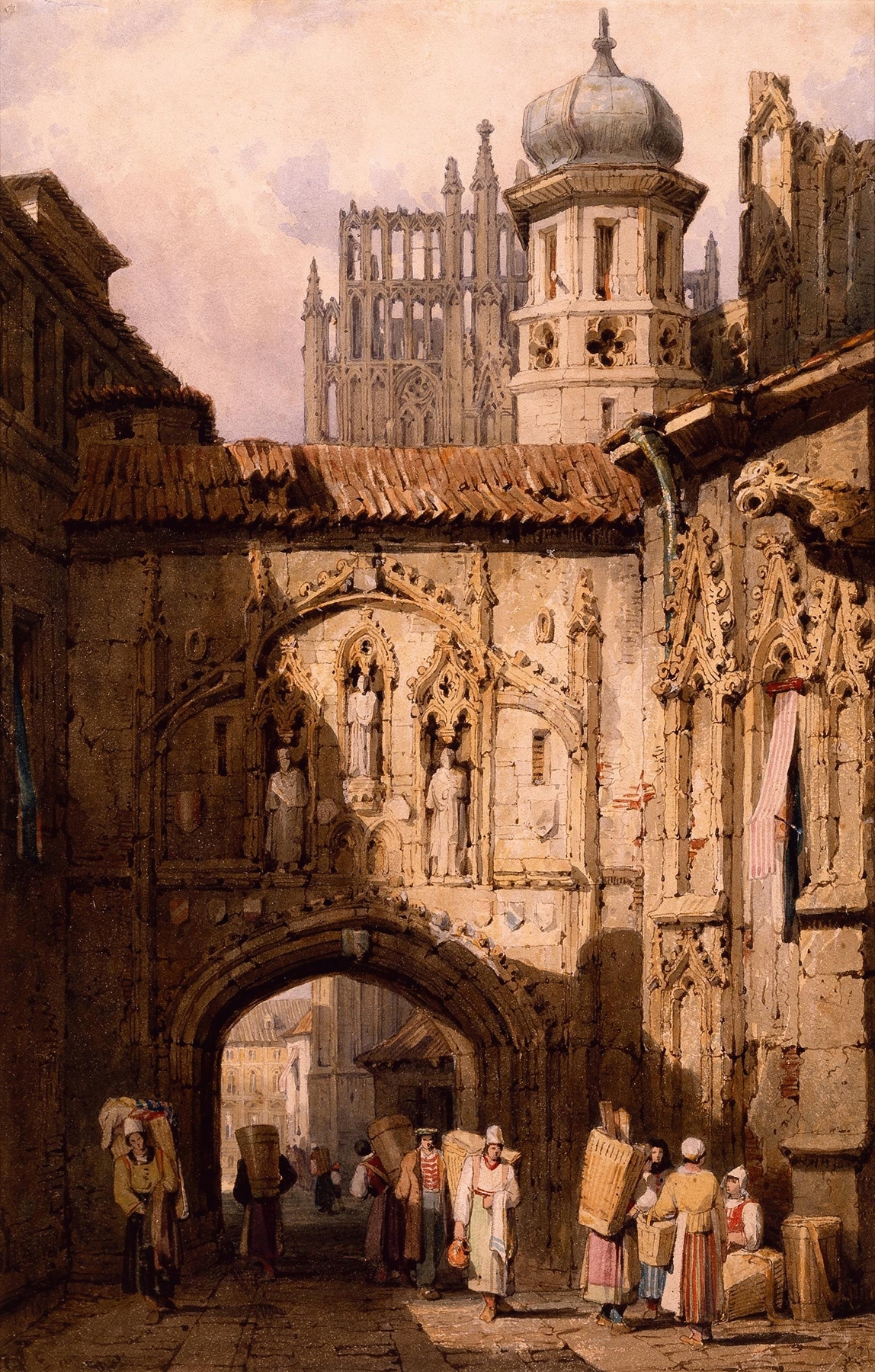
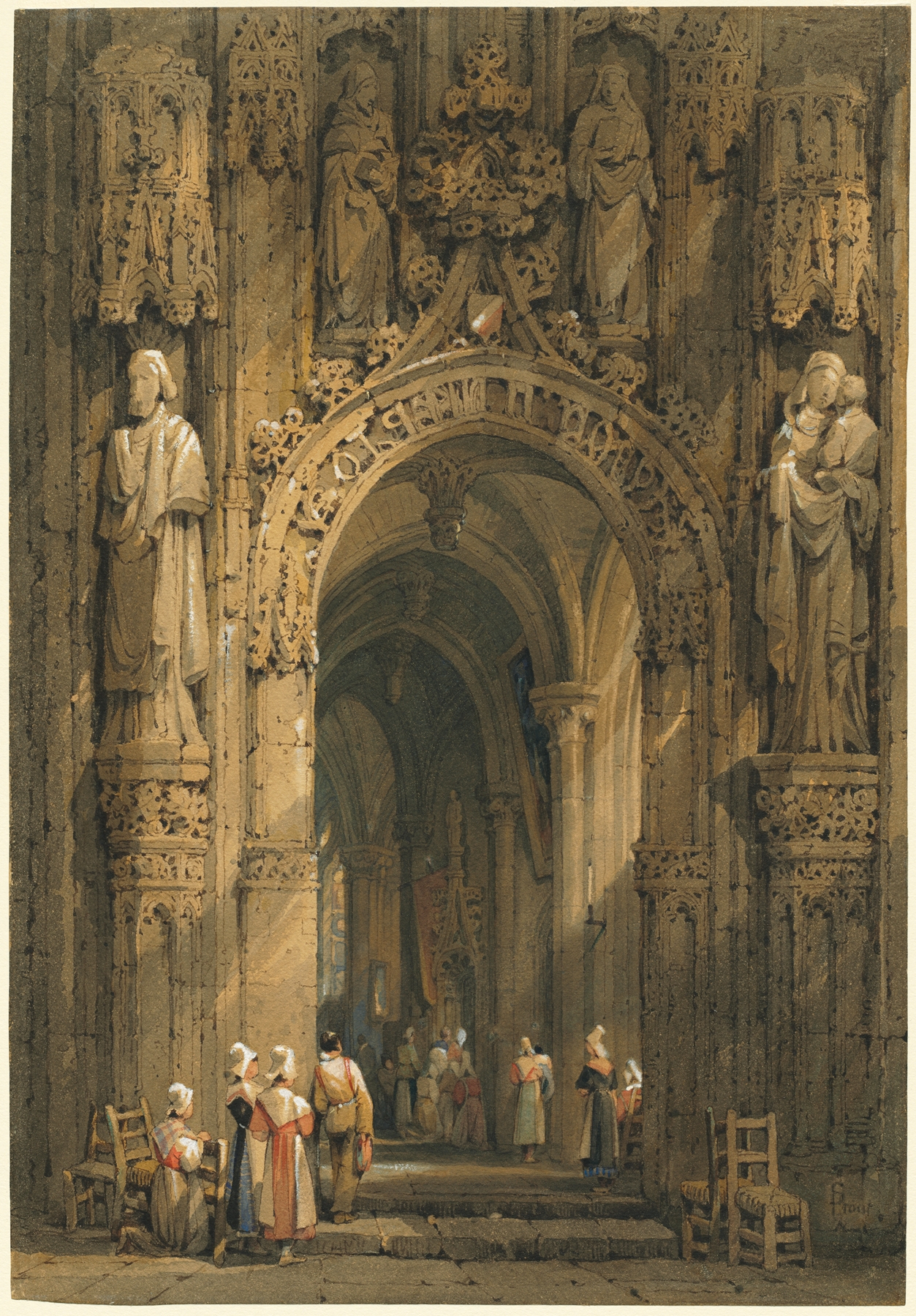
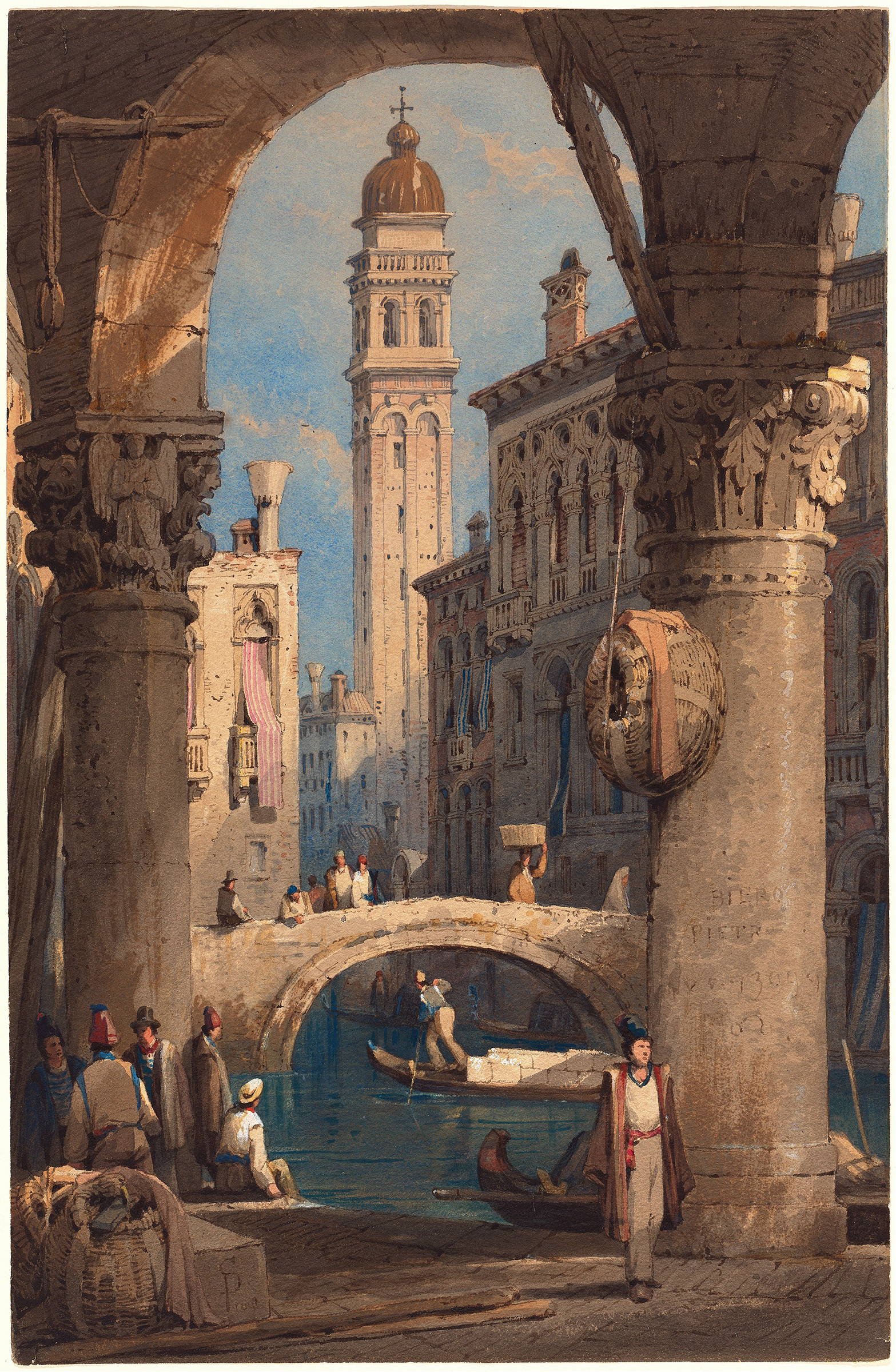
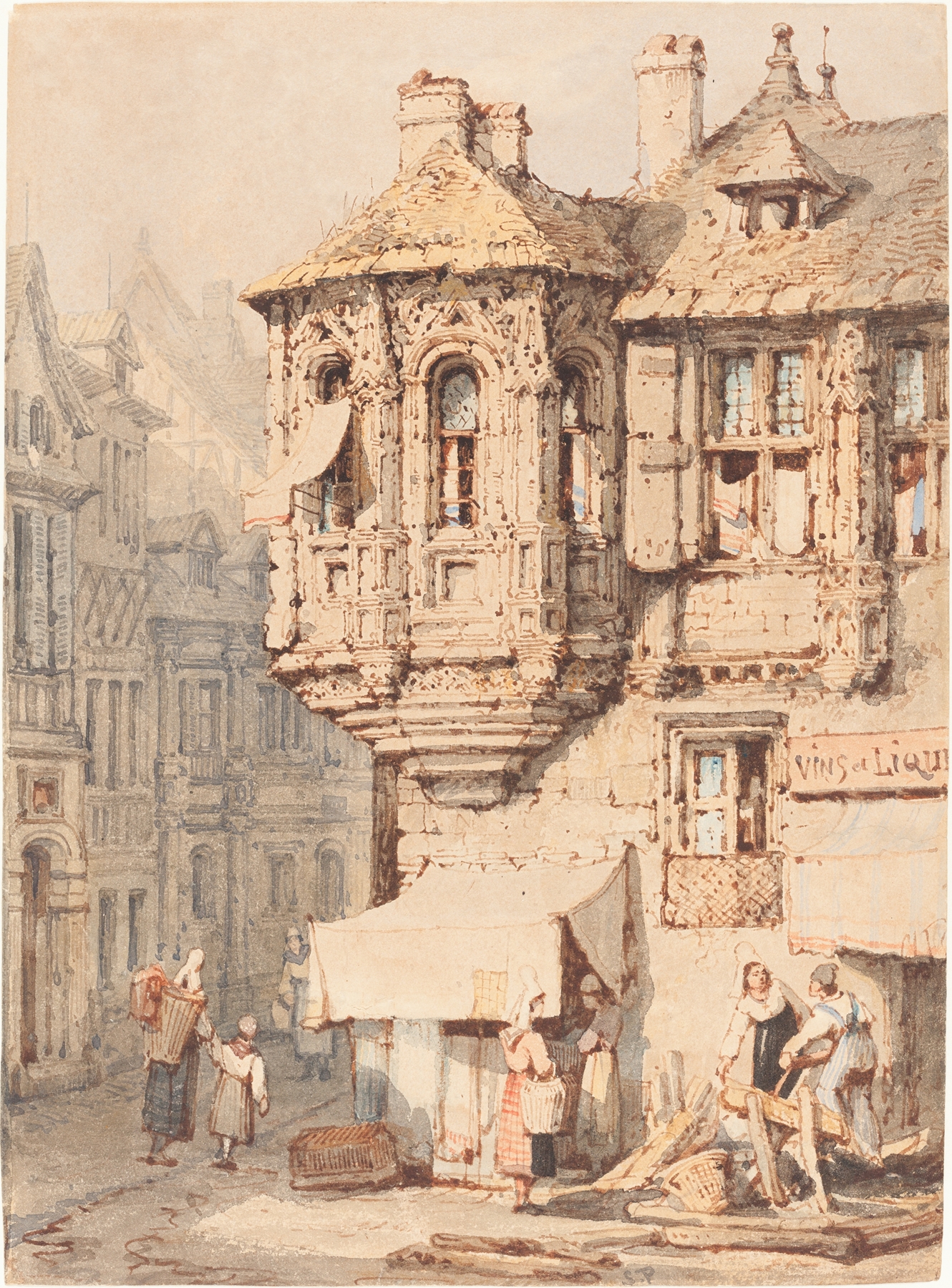
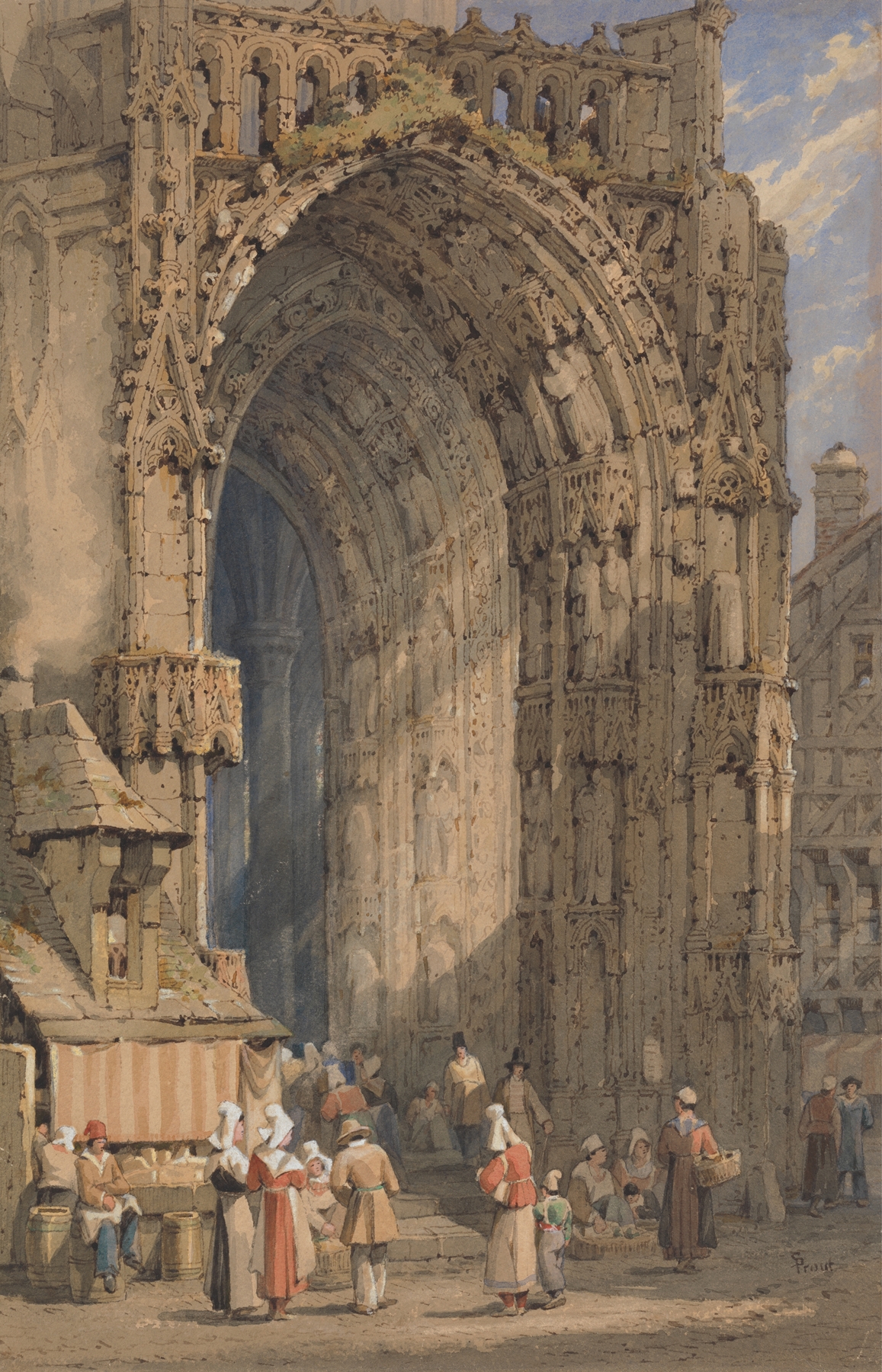
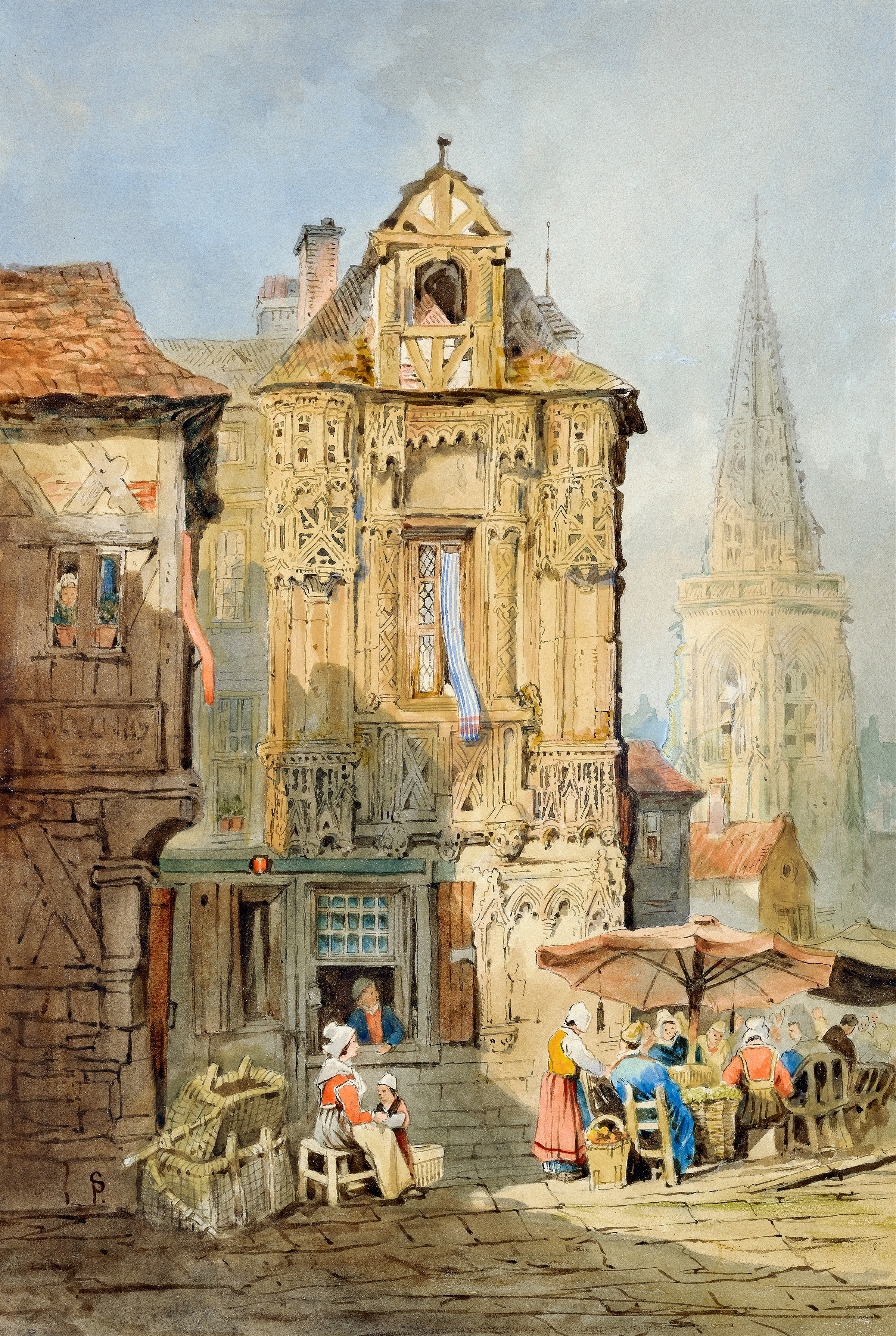
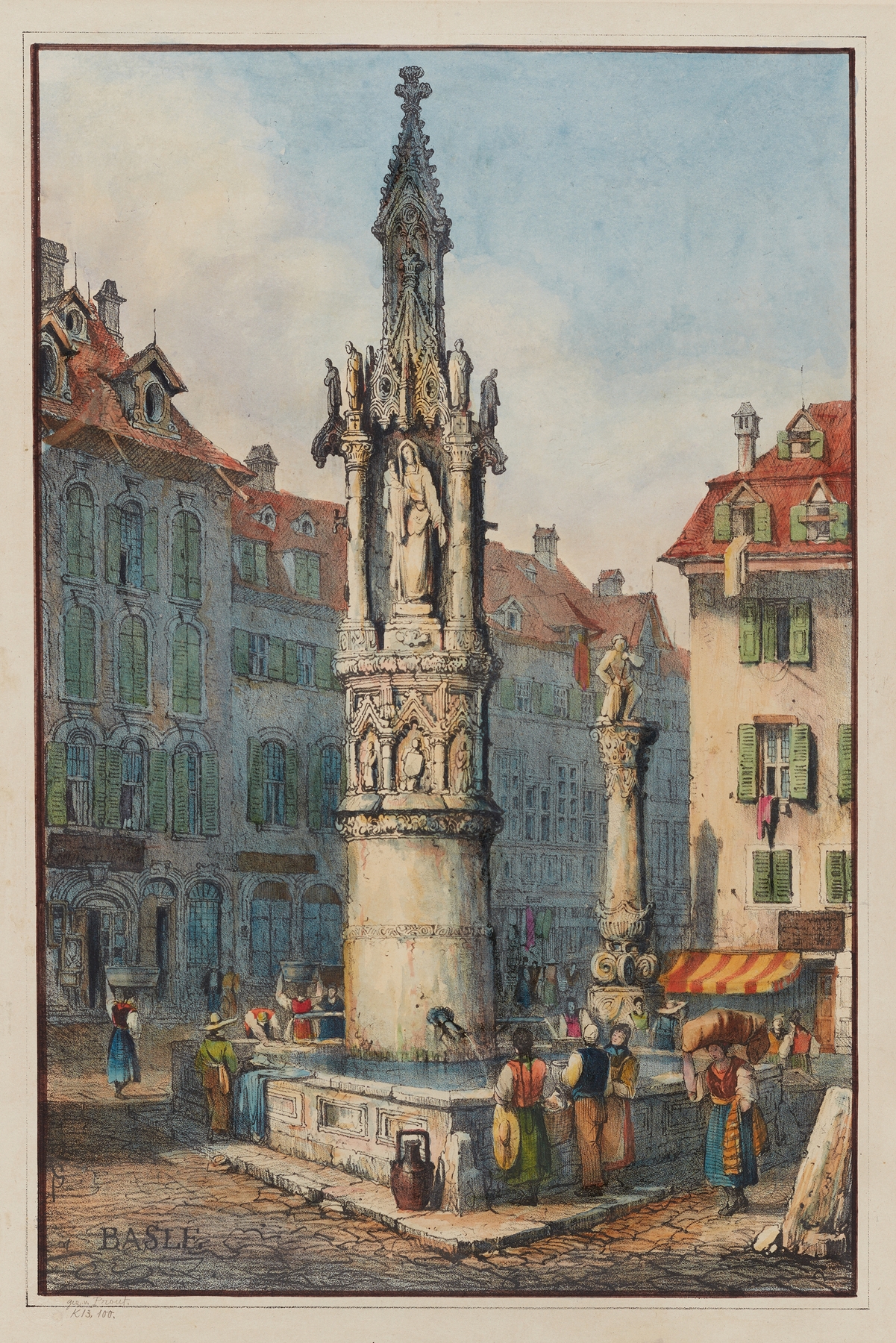
“Art reveals the soul when the world turns away.” In Samuel Prout's oeuvre, destiny dances between the lines of brush and canvas, inviting us to explore paths not taken. Look closely at the composition’s foreground, where a quaint village nestles against the gentle contours of nature. The intricate details of the buildings, with their textured facades, beckon the eye, while subtle hues of green and blue breathe life into the landscape. Notice how the sky, painted in soft pastels, transitions into deeper shades, evoking a sense of time passing, perhaps a moment suspended between dusk and dawn.
Each color choice serves to enhance the tranquility of the scene, drawing us into a world that feels both familiar and dreamlike. Beneath the surface, there is an undercurrent of tension woven into the idyllic setting. The village represents a microcosm of human existence, where the stillness hints at untold stories of lives bound by fate. The towering trees on the periphery stand sentinel, suggesting nature's omnipresence and the inevitability of change.
The juxtaposition of man-made structures against the wild landscape speaks to the fragile balance between civilization and nature, a poignant reminder that destiny is often shaped by external forces beyond our control. Samuel Prout painted this piece during an era when Romanticism permeated the art world, celebrated for its emphasis on emotion and individualism. Working in England, he focused on landscapes that captured the essence of human experience against nature's backdrop. This period marked a shift in artistic expression, as many sought to convey personal narratives through their work, revealing the deeper connections between humanity and the world around them.