Te raau rahi (The Big Tree) — History & Analysis
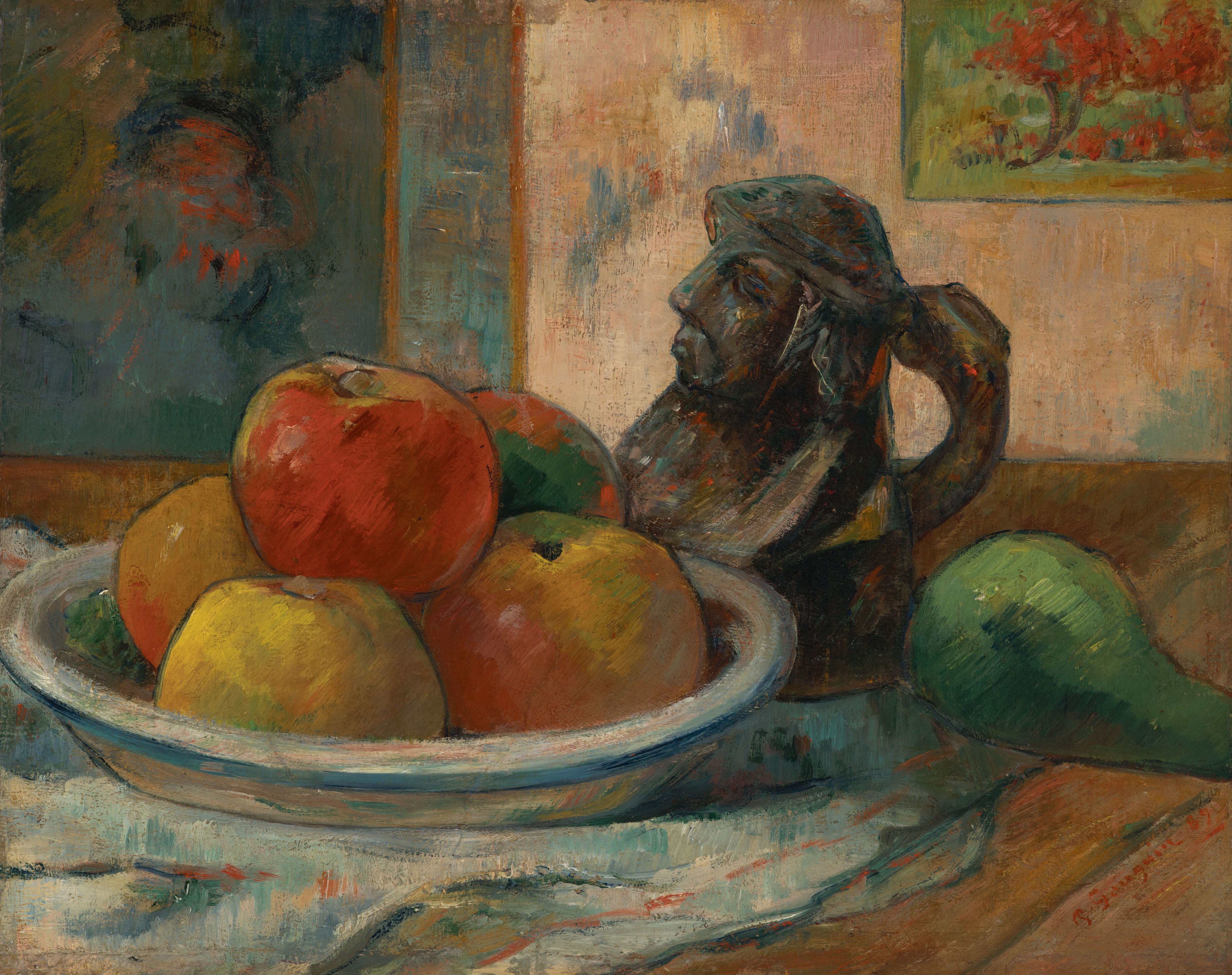
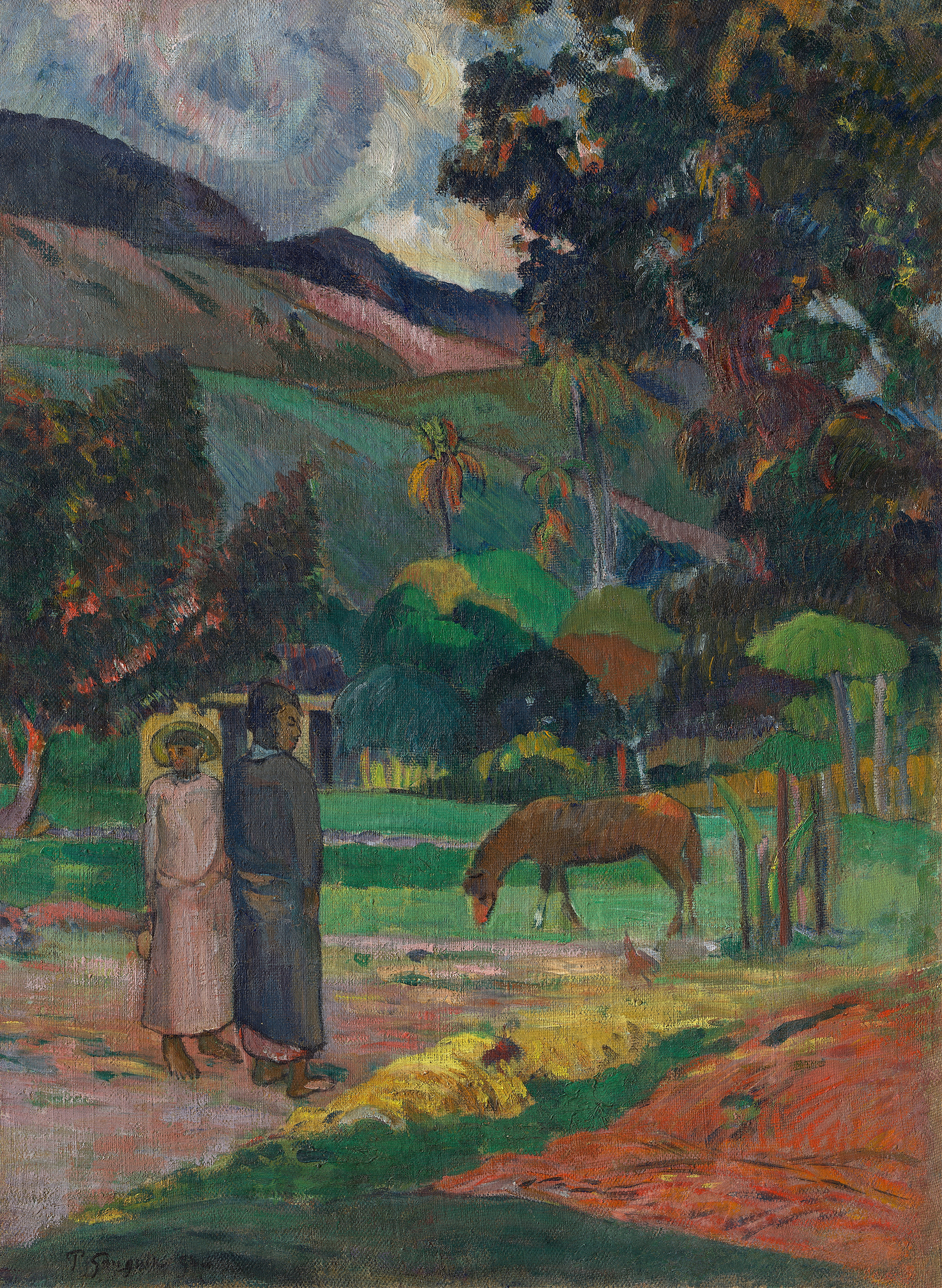
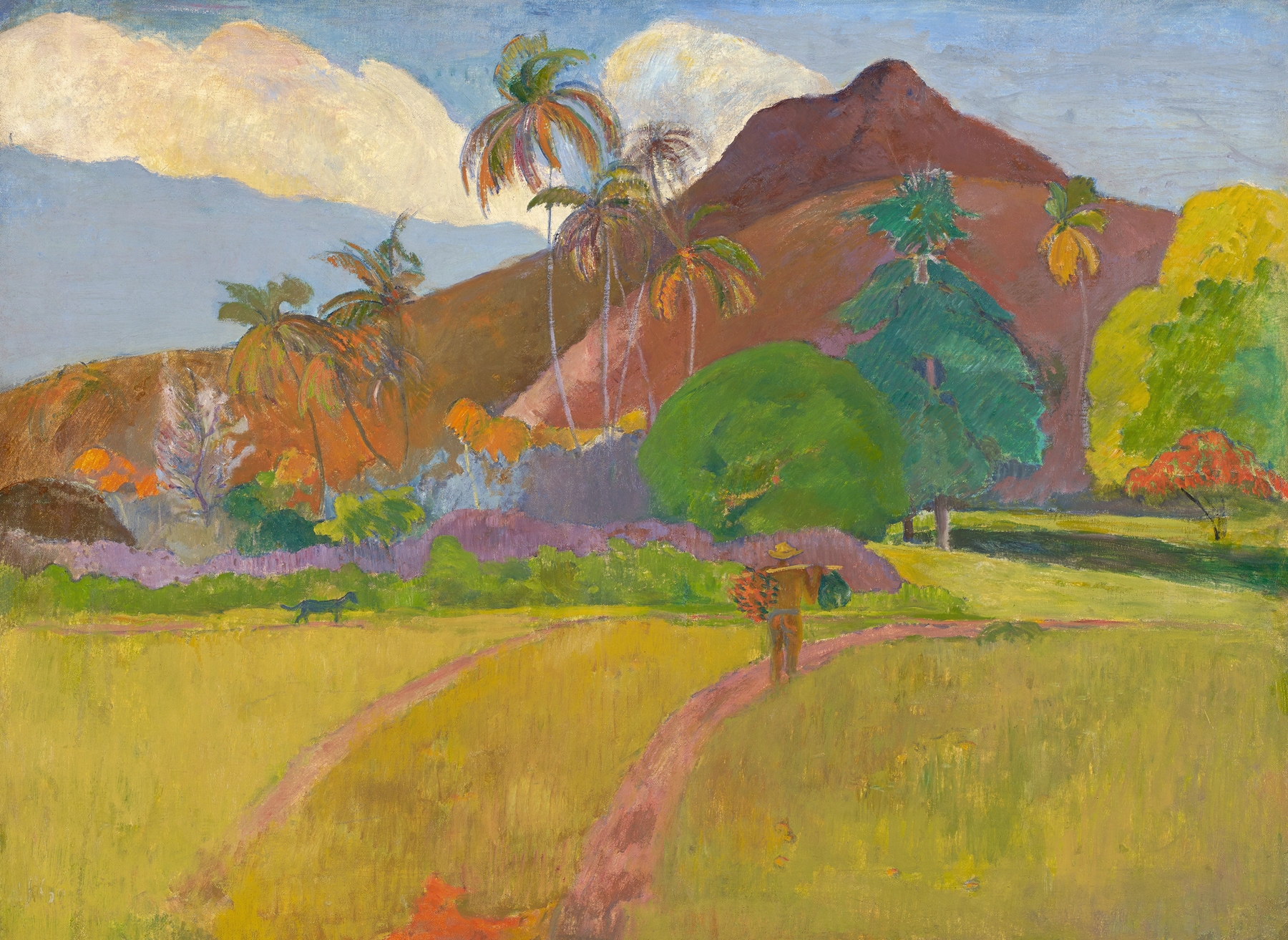
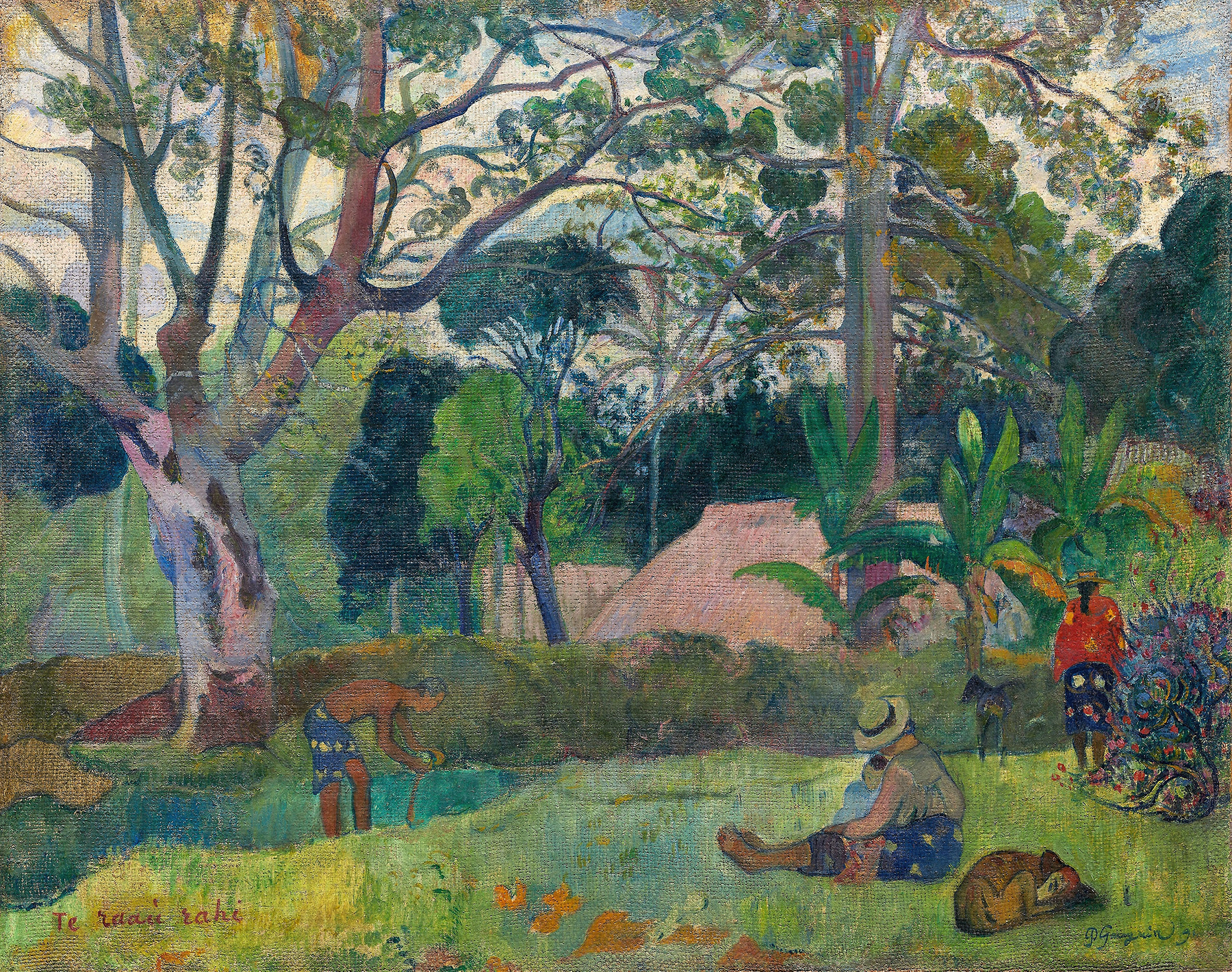
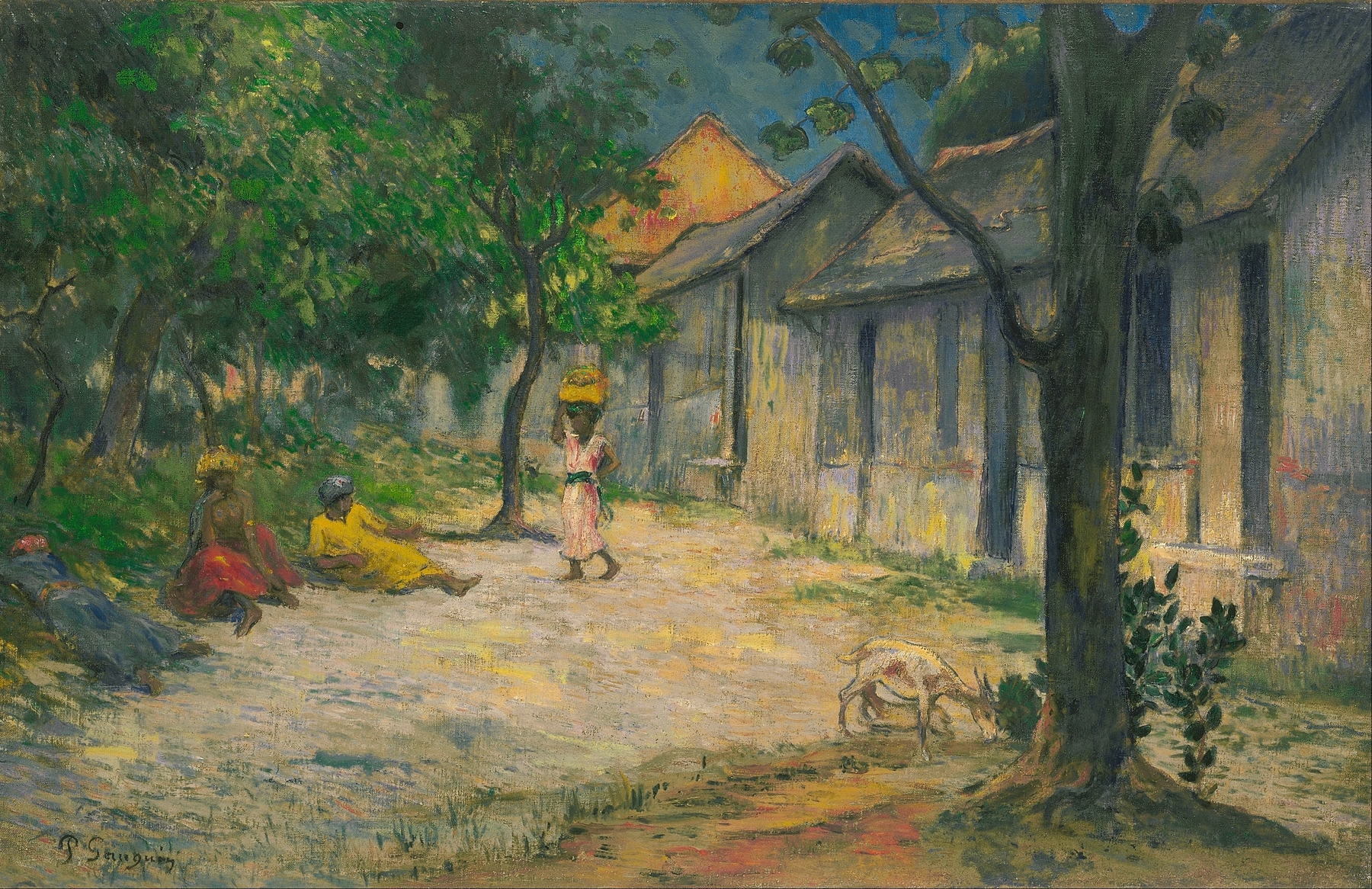
Who listens when art speaks of silence? In Te raau rahi (The Big Tree), the profound hush of the tropical backdrop unfolds like a whispered secret, beckoning the observer into a realm where nature breathes life into stillness. Look to the center, where the majestic tree rises, its gnarled branches stretching outward, echoing the vibrant hues of the surrounding foliage. The interplay of warm yellows and deep greens creates a lush tapestry, inviting your gaze deeper into the canvas.
Notice how the thick, rhythmic brushstrokes enhance the sense of movement, encapsulating the wild spirit of the landscape while the serene cloud-kissed sky offers a tranquil contrast, reinforcing the harmony between vitality and calm. Beneath the surface, this artwork vibrates with contrasts — the sturdy tree symbolizing strength and resilience against the ephemeral nature of life. The deep shadows cast by the tree hint at the hidden stories and emotions intertwined with the land, revealing Gauguin’s quest for meaning in both a physical and spiritual sense. The absence of human figures amplifies the solitude, encouraging an introspection that invites the viewer to reflect on their own journey amid nature’s beauty.
In 1891, Gauguin painted this piece during his time in Tahiti, seeking refuge from the constraints of European society. This period marked a transformative moment in his career as he embraced local culture and pushed boundaries in his art, advocating for a revolution in the portrayal of color and form. His departure from traditional techniques resonated with the rising avant-garde movements, influencing generations to come.