Teich mit Wald und Häusern — History & Analysis
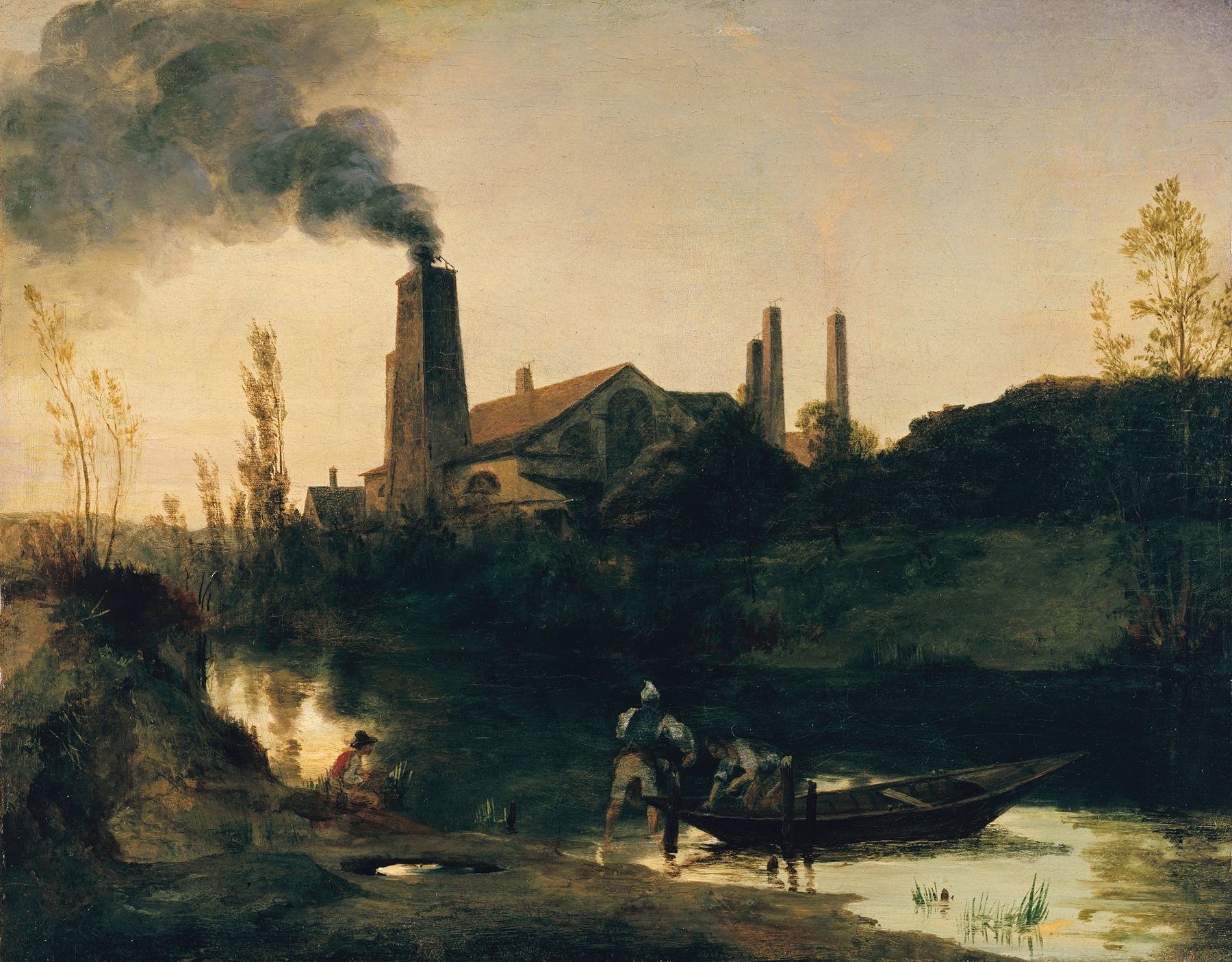
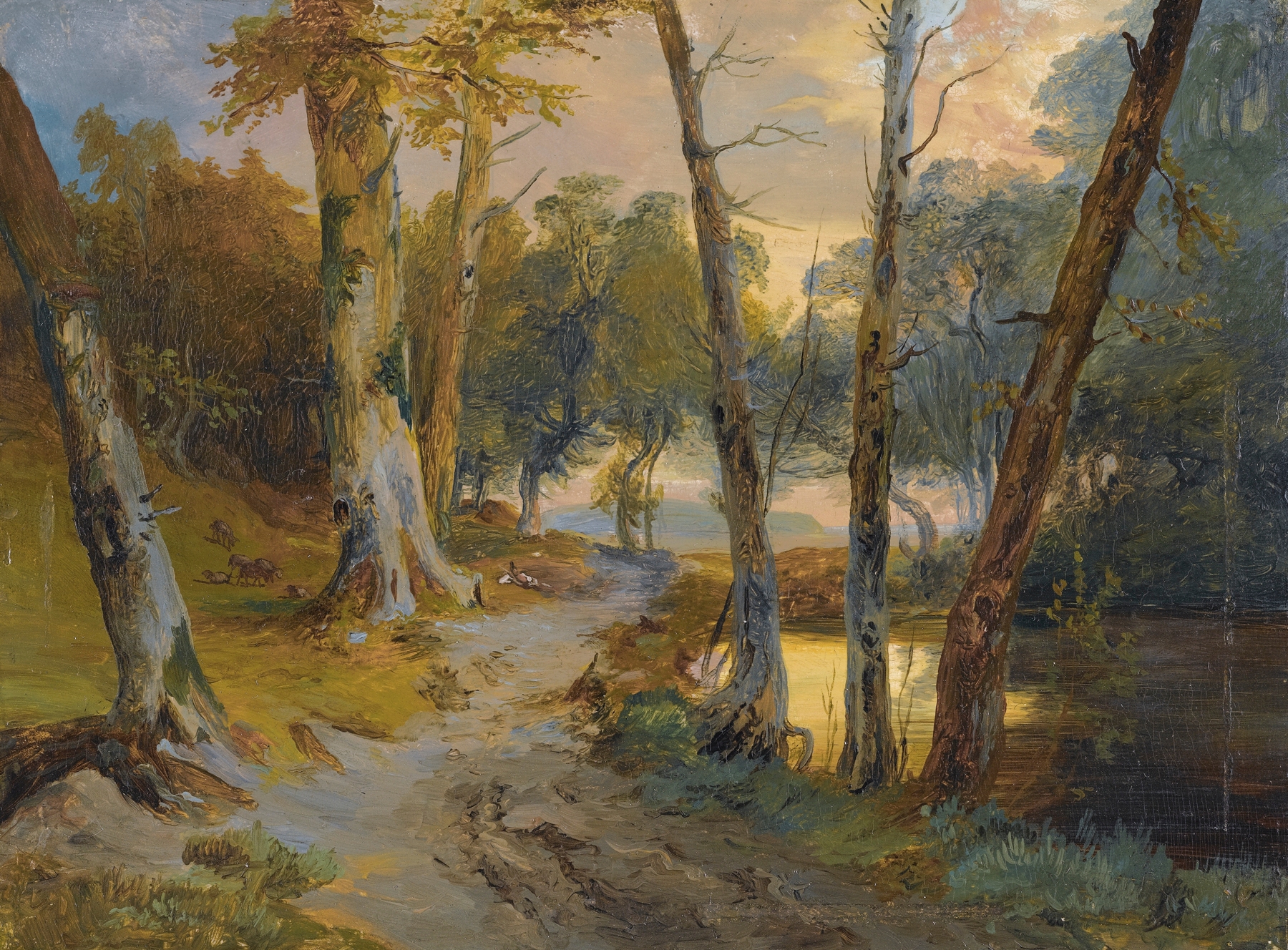
When did color learn to lie? The vibrant palette invites us to question the truths hidden beneath its surface, hinting at legacies left behind by nature and humanity. Look to the left at the serene water, a mirror reflecting both the lush greenery and the quaint houses that inhabit the landscape. The soft interplay of greens and deep blues creates a tranquil yet poignant atmosphere.
Notice how the brushstrokes vary in intensity; the delicate ripples on the water's surface stand in contrast to the firm, solid outlines of the houses, suggesting the tension between permanence and transience. Delve deeper, and you will find the subtle interplay of light and shadow, which evokes a whispered conversation between the serenity of nature and the encroachment of civilization. The houses, though warm and inviting, loom as a reminder of human presence and its impact on the environment. The towering trees, proud and ancient, seem to stand guard, hinting at the timeless struggle between man and nature and the legacies they leave behind.
Carl Blechen painted this work at a time when Romanticism was flourishing, in the mid-19th century, reflecting a shift in artistic focus toward the emotional and the sublime. Working during a period of great change in Germany, he was influenced by the merging of the natural and built environments, grappling with a world transforming under industrialization. This piece embodies that dialogue, capturing the delicate balance between the beauty of nature and the marks humanity leaves upon it.