The Abduction of Europa — History & Analysis
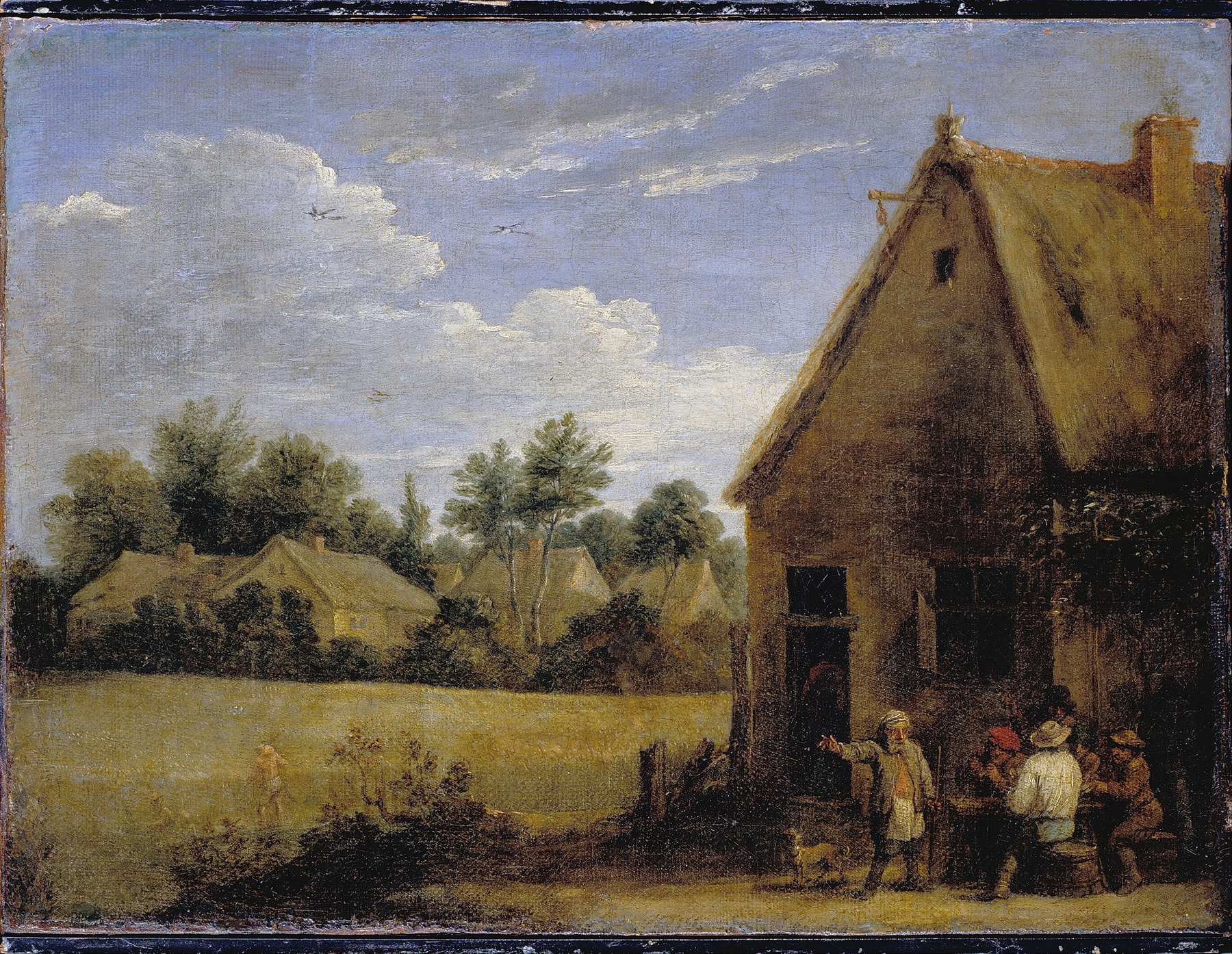
Did the painter know this moment would outlive them? In The Abduction of Europa, a fleeting encounter of myth becomes an eternal tableau, capturing innocence and desire against an ever-looming decay. Look to the center of the canvas, where the gentle curves of Europa's figure draw the eye, her flowing garments nearly blending with the lustrous waves that cradle her form. The rich hues of blue and gold evoke a world that's both enchanting and foreboding, while the radiant light accentuates the stark contrast between the dynamic action and the stillness of the surrounding landscape.
Notice how the artist uses movement—the spirited pose of the bull, the frenzied brushstrokes in the water—as well as the serene expressions of the onlookers to create a palpable tension that feels alive. Hidden beneath the surface are deeper threads of meaning. The juxtaposition of the idyllic pastoral scene against the violent undertones of abduction speaks to the fragility of beauty and the inevitability of loss. The distant figures watching this fateful event reflect humanity's passive role in the face of fate, as they remain unengaged while drama unfolds.
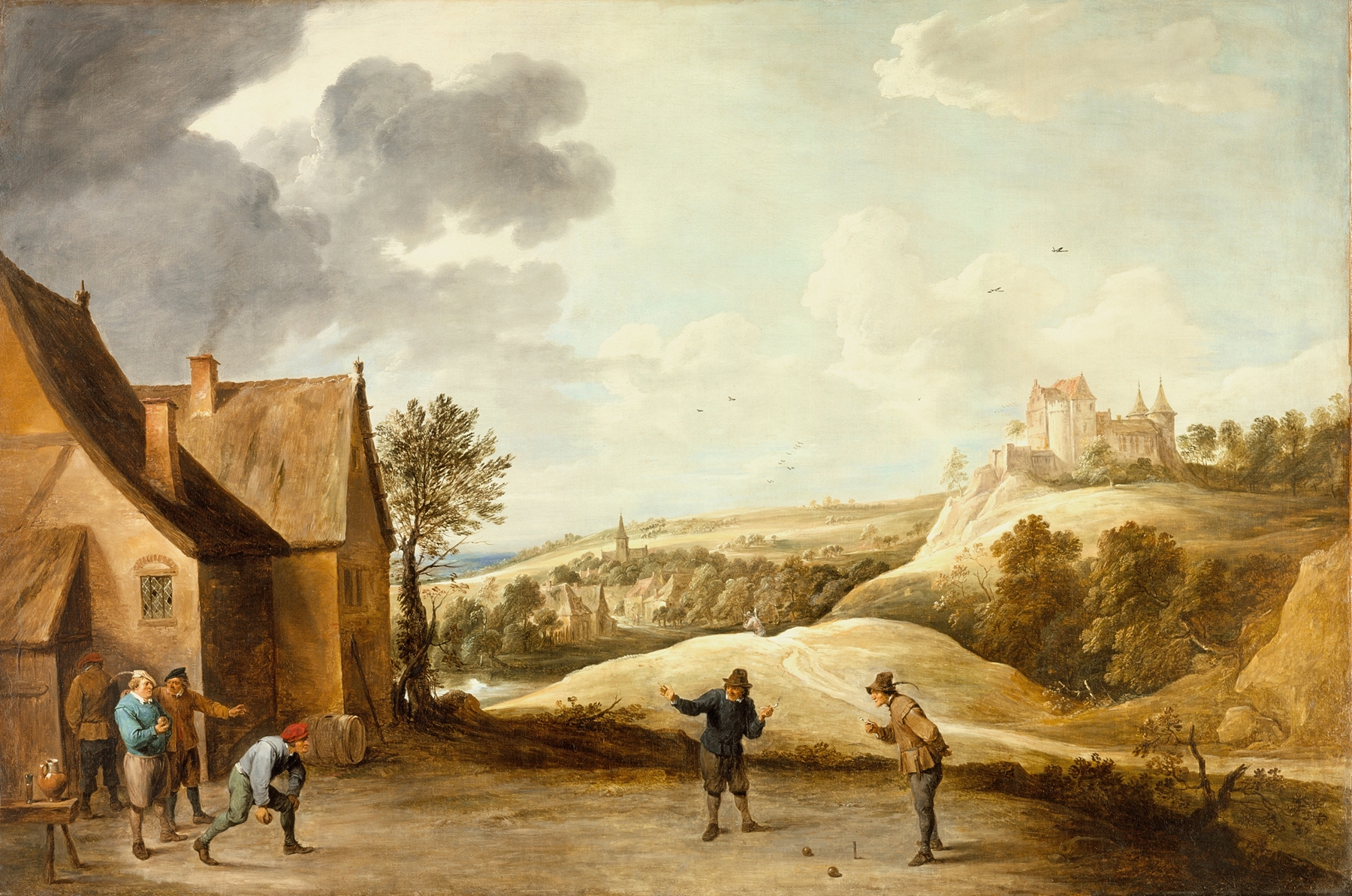
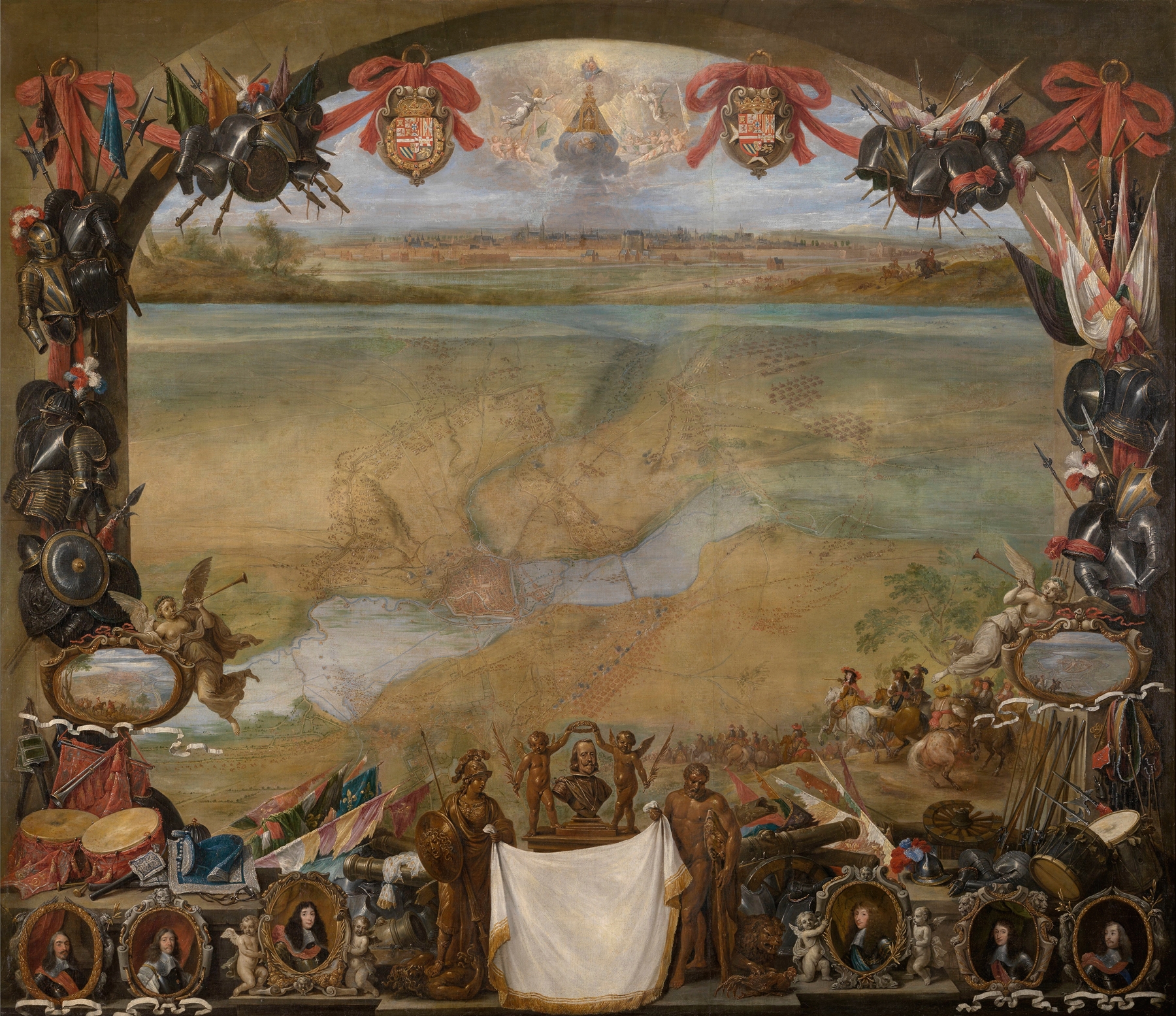
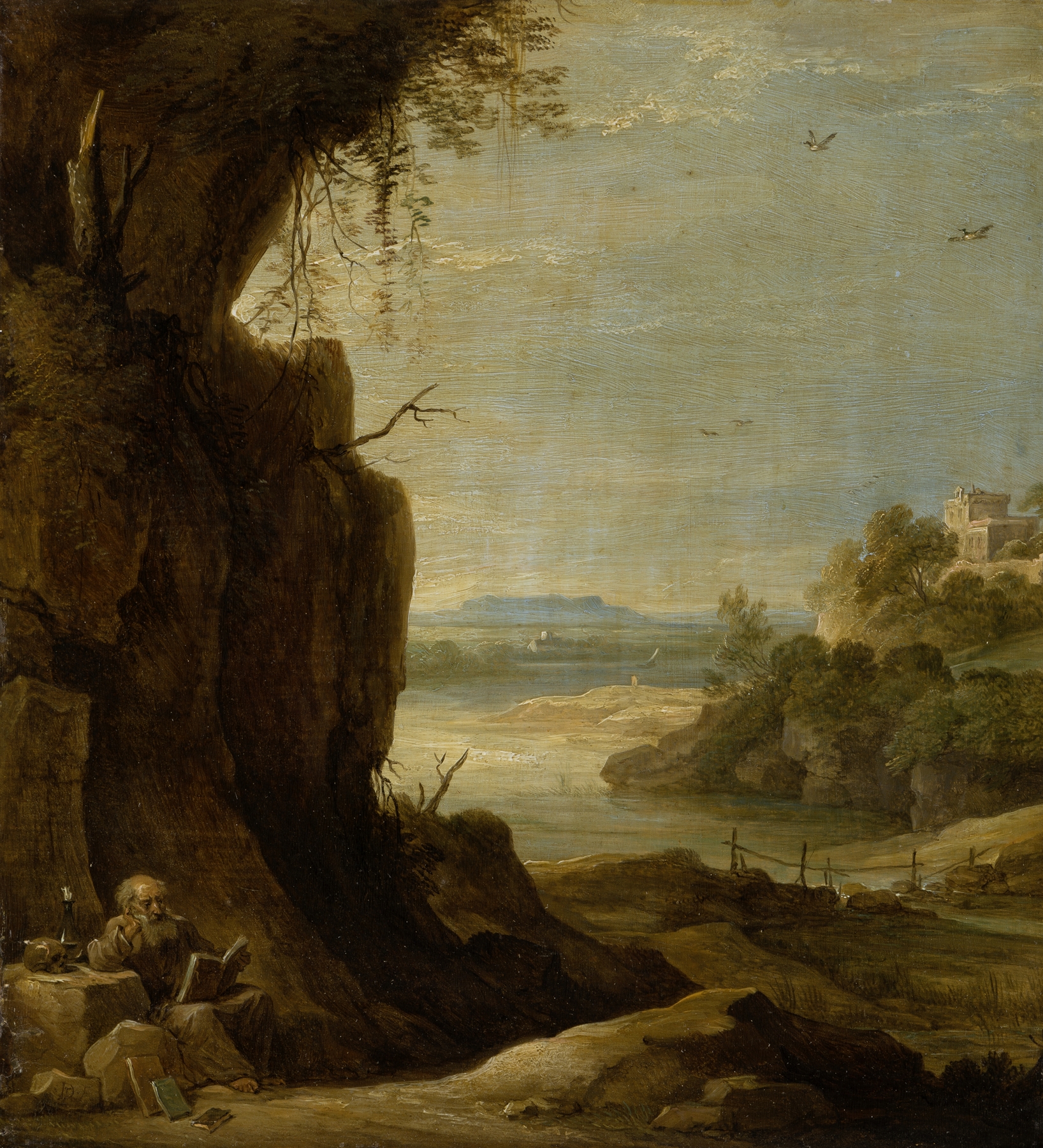
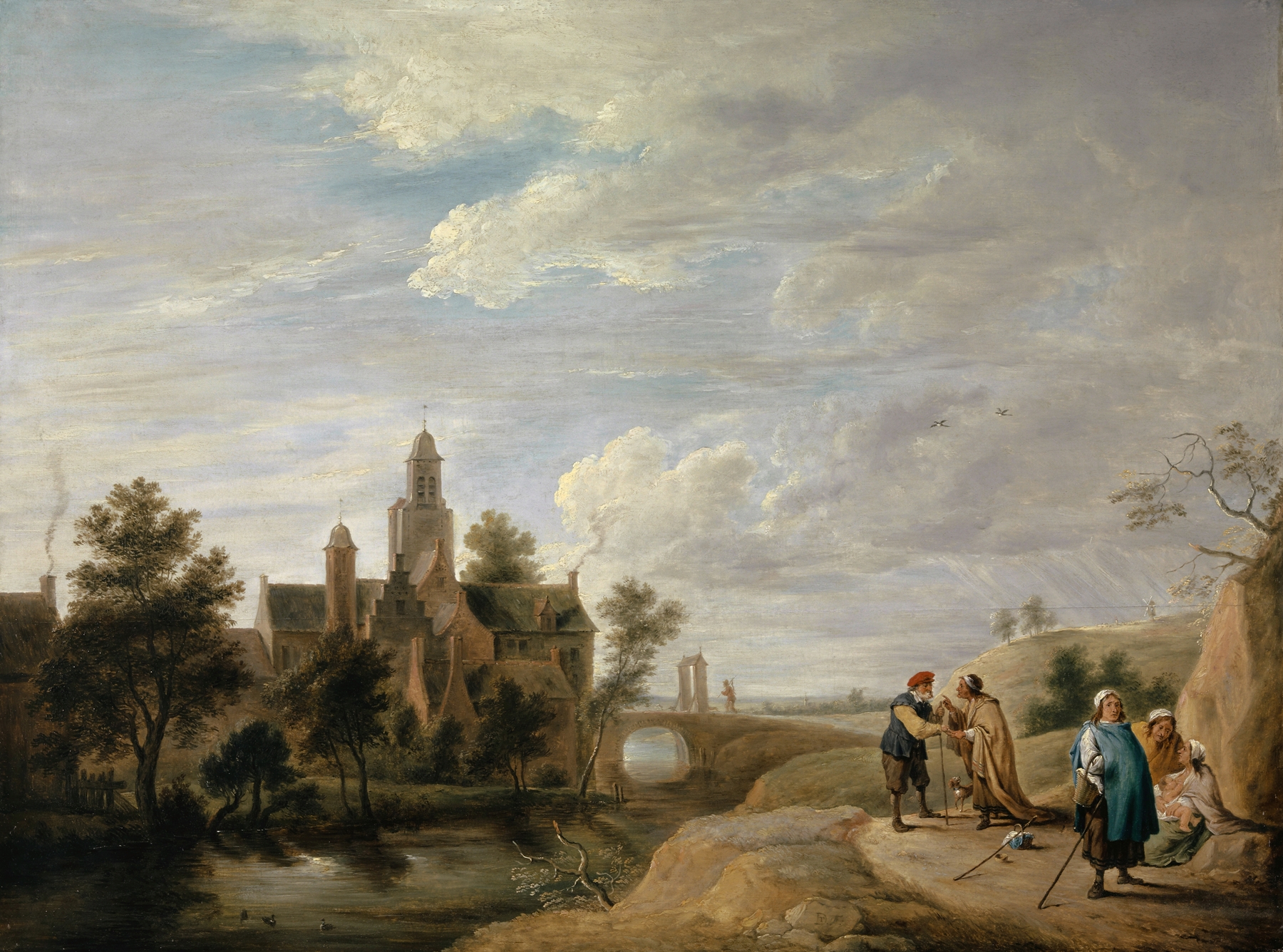
This interplay of desire and vulnerability resonates with the viewer, reminding us of the fleeting nature of innocence and the decay that follows life’s most profound moments. David Teniers the Younger created this work between 1654 and 1656, during a period marked by the flourishing of Dutch genre painting and an increasing fascination with mythological subjects. Living in Antwerp, Teniers was influenced by the Baroque style, infusing his works with vibrant color and dynamic compositions. As the art world was shifting towards more personal and emotional expressions, this piece captures the essence of a mythic past even as it reflects the transient nature of existence itself.